Craving a creamy, comforting dessert that’s easy to make? You’re in the right place.
Making rice pudding in your rice cooker is simple, quick, and mess-free. No need to stand over the stove or watch the pot constantly. With just a few ingredients and your trusty rice cooker, you can create a delicious treat that feels like a warm hug in a bowl.
Keep reading, and you’ll discover how to turn basic ingredients into a perfect, silky rice pudding every time. Your next favorite dessert is just a few steps away.
Credit: www.simplyhappyfoodie.com
Choosing The Right Rice
Choosing the right rice is the foundation of making a creamy, delicious rice pudding in your rice cooker. The type of rice you pick directly affects the texture and flavor of your pudding. It’s not just about convenience; it’s about creating the perfect balance between creaminess and bite.
Best Rice Types For Pudding
Some rices are better suited for pudding than others because they release more starch, which thickens the dessert naturally. Arborio rice, commonly used in risottos, is a top choice. Its high starch content helps create that smooth, creamy texture without needing extra thickeners.
Short-grain rice also works well. It tends to be softer and stickier, making your pudding comforting and rich. On the other hand, jasmine or basmati rice, which are long-grain varieties, usually stay separate and less creamy, which might not be what you want in a pudding.
- Arborio rice:Creamy texture, ideal for rich puddings
- Short-grain rice:Soft and sticky, good for traditional pudding
- Medium-grain rice:Balanced texture, a versatile choice
- Long-grain rice (e.g., jasmine, basmati):Less creamy, better for fluffy dishes
Rice Texture And Its Impact
The texture of your rice impacts the overall mouthfeel of the pudding. Creamy puddings come from rice that breaks down partially during cooking, releasing starch that thickens the mixture.
If you use rice that holds its shape too well, your pudding might end up grainy or dry. You want rice that softens enough to blend with milk and sugar but still offers a slight chew. That contrast adds interest to every bite.
Think about the last time you had rice pudding—was it too watery or too firm? Adjusting your rice choice can solve those problems. Try experimenting with different rice types to find what feels just right for your taste and your rice cooker’s performance.
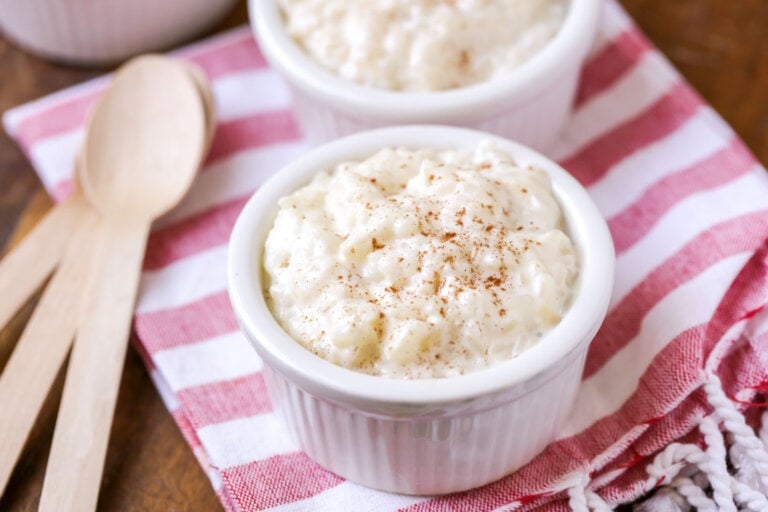
Credit: lilluna.com
Essential Ingredients
Rice pudding is a comforting dessert made with simple ingredients. Using a rice cooker makes the process easy and hands-free. The choice of ingredients shapes the pudding’s texture and flavor. Picking the right milk, sweeteners, and extras is key to delicious results.
Milk And Cream Options
Milk provides the creamy base for rice pudding. Whole milk adds richness and smoothness. For a lighter option, use low-fat or skim milk. Heavy cream creates a thick, luscious texture. Coconut milk works well for a dairy-free and tropical twist. Combine different milks to balance creaminess and flavor.
Sweeteners And Flavorings
Sugar is the classic sweetener in rice pudding. White sugar dissolves easily and keeps the flavor neutral. Brown sugar adds a deeper, caramel-like taste. Honey and maple syrup offer natural sweetness with unique notes. Vanilla extract enhances the aroma and adds warmth. Cinnamon, nutmeg, or cardamom bring subtle spice and complexity.
Optional Add-ins
Raisins and dried fruits add chewiness and bursts of sweetness. Chopped nuts like almonds or pistachios give crunch and richness. Fresh fruit pieces brighten the pudding and add freshness. A pinch of salt balances the sweetness and enhances flavors. Orange or lemon zest adds a fresh, citrusy hint.
Preparing The Rice Cooker
Preparing the rice cooker is the first step to making smooth, creamy rice pudding. A clean and well-set cooker ensures even cooking and perfect texture. Taking time to get your rice cooker ready can prevent sticky rice and uneven results.
Cleaning And Setup Tips
Start by cleaning the rice cooker’s inner pot thoroughly. Use warm water and mild soap to remove any leftover residue. Dry the pot completely with a clean towel to avoid water spots. Check the heating plate inside the cooker for any dirt or debris. Wipe it gently with a soft cloth. Make sure the lid seals properly and the steam vent is clear. This will help keep the moisture inside while cooking. Place the inner pot back carefully, ensuring it fits snugly on the heating plate.
Using The Correct Settings
Choose the right setting to cook rice pudding smoothly. Many rice cookers have a “Porridge” or “Sweet” mode, perfect for slow cooking with milk. If yours lacks this, use the “Cook” setting but watch carefully. Avoid high heat settings that can burn the pudding. Stir the mixture once or twice during cooking if possible. This prevents sticking and helps create a creamy texture. Remember, rice pudding needs gentle heat to cook fully without drying out.
Step-by-step Cooking Process
Making rice pudding in a rice cooker is simple and efficient. The step-by-step process ensures a smooth cooking experience. Follow these clear instructions to create a creamy, delicious dessert without hassle.
Measuring Ingredients
Start by measuring the rice carefully. Use short-grain or pudding rice for the best texture. Measure the milk next; whole milk gives a richer taste. Sugar adds sweetness, so measure it according to your preference. Don’t forget a pinch of salt to balance flavors. Optional spices like cinnamon or vanilla extract can be measured now too.
Combining Ingredients In The Cooker
Place the measured rice in the rice cooker pot. Pour the milk over the rice evenly. Add sugar and salt on top. Sprinkle any spices or vanilla extract now. Stir gently to mix ingredients without spilling. Close the lid securely before starting the cooker.
Cooking Duration And Monitoring
Set the rice cooker to the “porridge” or “slow cook” setting if available. Cooking usually takes 45 to 60 minutes. Check the pudding after 30 minutes. Stir gently to prevent sticking at the bottom. Keep an eye on liquid levels; add a little milk if it gets too thick. When the pudding is creamy and the rice soft, it is done. Turn off the cooker and let it rest for a few minutes before serving.
Achieving Creamy Texture
Achieving a creamy texture is key when making rice pudding in a rice cooker. Use full-fat milk and stir occasionally for perfect consistency. The right balance of sugar and vanilla enhances the flavor, ensuring a delightful dessert every time.
Achieving a creamy texture in rice pudding is the hallmark of a delightful dessert. When using a rice cooker, this can be your secret weapon in crafting that perfect consistency. The magic lies in a combination of stirring, adjusting liquid ratios, and sometimes employing thickening agents. Let's dive into these techniques.
Stirring Techniques
Stirring is more than just mixing ingredients; it's about creating that luscious texture. Regular stirring helps prevent rice from sticking to the bottom of the cooker, ensuring even cooking. Consider stirring gently every 15 minutes to break down the starches, which naturally thickens the pudding. Have you ever noticed how a simple stir can transform a dish?
Adjusting Liquid Ratios
The right liquid ratio is crucial for creaminess. Too little liquid can make your pudding dry, while too much can make it soupy. Start with a ratio of 1:3 rice to liquid, adjusting based on your preference. If you prefer a thicker pudding, use more milk or cream. Remember, your rice cooker may also require slight adjustments, so experiment to find your sweet spot.
Using Thickening Agents
Sometimes, achieving the perfect texture means adding a little extra help. Cornstarch or a beaten egg can be used to thicken your pudding. Mix a tablespoon of cornstarch with a little cold milk before adding to the cooker, or gently stir in a beaten egg towards the end. This step can elevate your pudding from good to unforgettable. Have you ever tried using these agents to customize your consistency?

Credit: www.homemademastery.com
Serving Suggestions
Serving your rice pudding straight from the rice cooker is satisfying, but adding the right touches can elevate this simple dish into a memorable dessert. How you present it can make all the difference, whether you're enjoying a quiet night in or impressing guests. Here are some ways to enhance your rice pudding with toppings and serving tips that bring out the best flavors and textures.
Toppings And Garnishes
Think beyond plain rice pudding by adding toppings that create contrast and excitement. Fresh fruit like sliced mango, strawberries, or blueberries add natural sweetness and a pop of color.
- Sprinkle cinnamon or nutmeg for a warm, spicy note that complements the creamy pudding.
- Chopped nuts such as almonds or pistachios add a satisfying crunch and richness.
- Drizzle honey, maple syrup, or caramel sauce for an extra layer of sweetness.
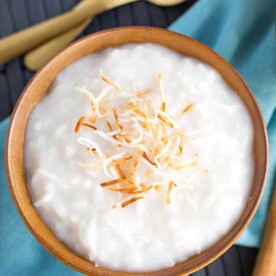
- Shredded coconut or chocolate chips can bring texture and a fun twist.
I once added toasted coconut and a handful of pomegranate seeds, which surprised my family with a delightful mix of flavors and textures. What unexpected topping could you try to make your pudding stand out?
Serving Temperature Tips
Rice pudding tastes different depending on whether it's served warm or cold. Warm pudding feels comforting and cozy, perfect for chilly evenings or breakfast treats.
Cold rice pudding, on the other hand, is refreshing and firmer, ideal for hot days or as a make-ahead dessert. Try chilling it in the fridge for a few hours and see how the texture changes.
If you want to warm up chilled pudding, do it gently in the microwave or on low heat to avoid drying it out. Do you prefer your rice pudding hot or cold? Experiment with both to find your favorite way to enjoy it.
Troubleshooting Common Issues
Cooking rice pudding in a rice cooker can sometimes throw unexpected challenges your way. Whether the texture isn't quite right or the flavor feels off, these common hiccups can be fixed with a few simple tweaks. Understanding these issues helps you get closer to that creamy, comforting dessert you’re aiming for.
Fixing Too Watery Pudding
If your rice pudding turns out too watery, it means there’s too much liquid or not enough cooking time. Try letting the pudding sit in the rice cooker on the “Keep Warm” setting for 10-15 minutes after the cooking cycle ends; this helps excess moisture evaporate.
You can also reduce the amount of milk or water slightly next time, or add a small spoonful of rice flour or cornstarch mixed with cold milk during cooking to thicken the texture without changing the taste.
Dealing With Burnt Rice
Burnt rice at the bottom is a frustrating problem that happens when the cooker’s heat is too high or the liquid evaporates too fast. Avoid stirring the pudding during cooking—it disrupts the rice and causes uneven heat distribution.
Try adding a bit more liquid next time, and if your rice cooker has a “Porridge” or “Slow Cook” setting, use it instead of the regular rice setting. If burnt bits form, gently scrape off the top layer and serve the rest to save your pudding.
Adjusting Sweetness
Sweetness is a personal preference, and rice pudding recipes can be easily adjusted to suit your taste. Add sugar gradually while cooking, tasting along the way to avoid over-sweetening.
If you find the pudding too sweet after cooking, mix in a bit of unsweetened yogurt or a pinch of salt to balance the flavor. Have you tried using natural sweeteners like honey or maple syrup? They add depth without overwhelming sweetness.
Frequently Asked Questions
How Long Does Rice Pudding Take In A Rice Cooker?
Rice pudding usually takes 30 to 45 minutes in a rice cooker. Cooking time may vary by model and recipe. Stir occasionally for even cooking and creamier texture. Use the “porridge” or “slow cook” setting if available for best results.
Can I Use Any Rice Type For Rice Pudding?
Short-grain or medium-grain rice is best for rice pudding due to their starch content. Avoid long-grain rice, as it tends to be less creamy. Arborio rice also works well for a rich, creamy texture in your pudding.
How Do I Prevent Rice Pudding From Burning In Rice Cooker?
To prevent burning, use enough liquid like milk or cream and stir halfway through cooking. Use the rice cooker’s porridge setting if available. Adding a small amount of butter or oil can also help reduce sticking and burning.
Can I Add Flavorings While Cooking Rice Pudding?
Yes, you can add vanilla extract, cinnamon, or nutmeg during cooking. These spices enhance the flavor and aroma. Add sweeteners like sugar or honey gradually to control sweetness and avoid overcooking.
Conclusion
Rice pudding made in a rice cooker is simple and quick. You only need a few ingredients and little effort. The rice cooker does most of the work for you. This method saves time and keeps the pudding creamy. Try different toppings to suit your taste.
Enjoy a warm, comforting dessert anytime. Cooking rice pudding this way fits busy days well. Give it a try and enjoy a sweet treat!