Are you looking for an easy way to make delicious rice pilaf without spending hours in the kitchen? Imagine having perfectly cooked, flavorful rice ready with just the push of a button.
Making rice pilaf in a rice cooker is simpler than you think, and it’s a game-changer for busy days or quick dinners. In this guide, you’ll discover step-by-step how to transform plain rice into a tasty, aromatic dish that will impress your family and friends.
Keep reading, and you’ll learn tips that save time and boost flavor every time you cook.
Choosing The Right Rice
Choosing the right rice is the first step to making a perfect rice pilaf in your rice cooker. The type of rice you select affects the texture, flavor, and how well the grains separate after cooking. Understanding the differences between rice varieties can help you achieve that fluffy, aromatic pilaf you’re aiming for.
Types Of Rice For Pilaf
Long-grain rice is often the best choice for pilaf because it stays separate and fluffy after cooking. Varieties like basmati and jasmine add unique aromas that elevate your dish. Medium-grain rice can work but tends to be a bit stickier, which might not give you the ideal pilaf texture.
If you want a nutty flavor and firmer texture, try using brown rice. However, brown rice requires a longer cooking time and more water, so adjust your rice cooker settings accordingly. Have you ever experimented with wild rice blends? They add a chewy texture and earthy flavor that can make your pilaf stand out.
Rinsing And Soaking Rice
Rinsing rice removes excess starch, which helps keep the grains from clumping together. Run your rice under cold water until it runs clear. This step is simple but makes a big difference in the final texture.
Soaking rice for 20 to 30 minutes before cooking can improve fluffiness and reduce cooking time. This is especially helpful for basmati rice. If you skip soaking, the rice might turn out denser than you expect. Have you noticed how soaking changes the way rice absorbs the broth or spices in your pilaf?
Essential Ingredients
Rice pilaf gets its rich flavor from a few key ingredients. Picking the right ones makes a big difference. These essentials work together to create a tasty and fragrant dish. Understanding them helps you cook perfect pilaf every time.
Broth And Seasonings
Broth replaces water to add depth and taste. Chicken, vegetable, or beef broth are common choices. Use low-sodium broth to control salt levels. Seasonings enhance the flavor further. Salt and pepper are basics. Garlic powder, onion powder, or paprika add warmth. Fresh herbs like thyme or bay leaves bring aroma.
Add-ins And Aromatics
Add-ins make rice pilaf more interesting. Common options include diced onions, carrots, and celery. These vegetables soften and sweeten the dish during cooking. Aromatics like garlic or shallots add sharpness and depth. Toasted nuts or raisins add texture and a touch of sweetness. These elements lift simple rice into a flavorful meal.
Preparing The Rice Cooker
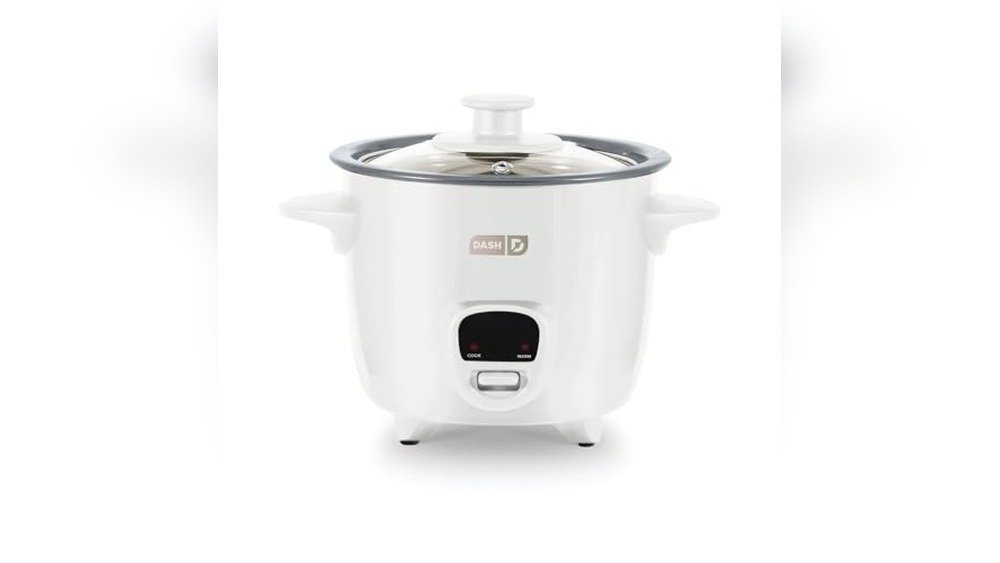
Preparing the rice cooker is the first step to making delicious rice pilaf. Proper setup ensures even cooking and great flavor. Taking time to get the cooker ready helps the rice absorb spices and broth well.
Setting Up The Cooker
Start by cleaning the inner pot. Use warm water and a soft cloth. Avoid harsh scrubbing to protect the non-stick surface.
Place the pot back into the cooker base. Check the lid seal for any dirt or damage. A clean seal keeps steam inside for perfect cooking.
Measure the rice and rinse it under cold water. This removes excess starch and prevents clumping. Drain the rice well before adding it to the pot.
Add the rinsed rice to the pot. Pour in the broth or water according to your recipe. Stir gently to mix the rice and liquid evenly.
Using The Saute Function If Available
Some rice cookers have a sauté function. Use this to cook onions, garlic, or spices before adding rice. It builds richer flavor for your pilaf.
Turn on the sauté mode and add a small amount of oil or butter. Cook your aromatics until soft and fragrant, about 2-3 minutes.
After sautéing, add the rinsed rice directly to the pot. Stir to coat the rice with the oil and spices. Then add broth or water and start the cooking cycle.

Step-by-step Cooking Process
Making rice pilaf in a rice cooker is simple and quick. The process involves a few clear steps that bring out the best flavors. Follow these steps to cook perfect rice pilaf every time. The rice cooker does most of the work, so you can relax while it cooks.
Sautéing Aromatics
Start by sautéing aromatics like onions and garlic. Use the rice cooker’s sauté function or a separate pan. Heat a bit of oil or butter until hot. Add chopped onions and garlic, stirring until soft and fragrant. This step builds the base flavor for your pilaf.
Adding Rice And Broth
Next, add the rice to the cooker. Stir it with the sautéed aromatics to coat the grains well. Pour in the broth instead of water for richer taste. Use the correct rice-to-liquid ratio as per your rice cooker’s guide. You can also add spices or herbs now.
Cooking Time And Settings
Close the rice cooker lid and select the regular cooking setting. The cooking time varies but usually takes about 15-20 minutes. Avoid opening the lid during cooking to keep steam inside. Once done, let the rice sit for 5 minutes to finish steaming. Fluff the rice gently with a fork before serving.
Finishing Touches
After your rice pilaf has finished cooking in the rice cooker, it's time to add those final details that make it truly special. These finishing touches elevate the texture and flavor, turning simple rice into a memorable side dish. Paying attention to this step can transform your meal from ordinary to impressive.
Fluffing The Rice
Once the rice cooker signals that cooking is done, let the rice sit for a few minutes with the lid closed. This resting period helps the grains settle and prevents them from sticking together too much.
Use a fork to gently fluff the rice. Avoid stirring aggressively; instead, lift and separate the grains carefully. This small action makes the pilaf light and airy, enhancing its texture.
Have you noticed how fluffy rice can change your enjoyment? It’s a simple step that really matters.
Adding Fresh Herbs And Nuts
Fresh herbs like parsley, cilantro, or dill add a burst of color and freshness to your rice pilaf. Chop them finely and sprinkle over the top right after fluffing.
Nuts such as toasted almonds, pine nuts, or cashews bring a satisfying crunch and a subtle richness. Toast them lightly in a dry pan until golden to boost their flavor before adding.
Try mixing both herbs and nuts for a layered taste experience. Have you ever thought about how a few added ingredients can turn humble rice into a dish that everyone asks for?

Serving Suggestions
Serving rice pilaf made in a rice cooker offers you a versatile base that can transform any meal. Its nutty flavor and fluffy texture make it a great side or a main ingredient. Let’s look at some ways you can serve and enjoy your rice pilaf beyond just a simple side dish.
Pairing With Main Dishes
Rice pilaf complements a variety of main dishes perfectly. It pairs well with grilled chicken or roasted vegetables, balancing rich and smoky flavors.
Seafood dishes, like baked salmon or shrimp scampi, also work beautifully. The mild seasoning in the pilaf won’t overpower delicate fish but adds a satisfying texture.
Looking for something heartier? Serve pilaf alongside beef stew or lamb kebabs. The rice soaks up sauces and juices, making every bite flavorful.
Using Rice Pilaf In Recipes
Have leftover rice pilaf? Don’t let it sit unused. Turn it into a quick fried rice by adding scrambled eggs, diced veggies, and a splash of soy sauce.
You can also use rice pilaf as a stuffing for peppers or tomatoes. Mix it with cheese and herbs, then bake for an easy, impressive dish.
Try adding pilaf to soups for extra body and taste. It thickens broth and adds a subtle crunch that makes your soup more satisfying.
Troubleshooting Tips
Rice pilaf in a rice cooker is convenient and tasty. Yet, issues can arise during cooking. Understanding these challenges helps you achieve perfect pilaf every time. Here are some troubleshooting tips to keep your pilaf delicious and satisfying.
Common Issues And Fixes
Sometimes, the rice might turn out too sticky or dry. Check the water-to-rice ratio first. Using too much water makes it sticky. Too little water makes it dry. Adjusting the ratio can solve this.
If the rice is undercooked, you might need to extend the cooking time. Add a bit more water and restart the cooker for a few minutes. Burnt rice often results from high heat. Ensure your cooker is set to the right mode.
Adjusting Texture And Flavor
For a softer texture, soak the rice for 15 minutes before cooking. This allows the grains to absorb water evenly. If the pilaf lacks flavor, try adding more spices or broth.
Sauté the rice in butter before cooking for a richer taste. You can also add vegetables or nuts for extra flavor. Experiment with different ingredients until you find your perfect combination.

Frequently Asked Questions
How Long Does Rice Pilaf Take In A Rice Cooker?
Rice pilaf typically cooks in 20 to 30 minutes using a rice cooker. Cooking time depends on your rice cooker model and rice type. Always check the rice cooker instructions for best results. Fluff the pilaf after cooking for a perfect texture.
Can I Use Brown Rice For Rice Pilaf?
Yes, brown rice can be used for rice pilaf in a rice cooker. Brown rice takes longer to cook, usually 40 to 50 minutes. Adjust liquid amount to ensure the rice cooks thoroughly. This method yields a nuttier, healthier pilaf.
What Ingredients Enhance Rice Pilaf Flavor?
Common ingredients include onions, garlic, broth, and spices like cumin or turmeric. Toasting rice before cooking enhances flavor and texture. Adding vegetables or nuts can create a richer, more complex dish. Use broth instead of water for deeper taste.
How Much Liquid Is Needed For Rice Pilaf?
The general ratio is 1. 5 to 2 cups of liquid per 1 cup of rice. Using broth instead of water adds flavor. Adjust liquid slightly based on rice type and rice cooker instructions. Too much liquid can make pilaf mushy.
Conclusion
Rice pilaf in a rice cooker saves time and effort. It cooks evenly and tastes delicious every time. You can add vegetables or spices to change the flavor. The process is simple and needs little attention. Perfect for busy days or quick meals.
Try this easy recipe and enjoy a tasty side dish. Cooking rice pilaf this way makes your meal better and stress-free. Give it a try and see how good it turns out!