Imagine starting your day with a creamy, delicious latte made right in your own kitchen. You don’t need to visit a café or wait in line to enjoy that perfect blend of rich espresso and smooth steamed milk.
With your espresso machine and a few simple steps, you can create a café-quality latte anytime you want. In this guide, you’ll discover easy tips and tricks to master the art of making a latte at home. Get ready to impress yourself—and anyone you share it with—with a coffee experience that feels just right.
Keep reading, and let’s make your mornings better, one cup at a time.
Choosing The Right Espresso Machine
Choosing the right espresso machine is a key step to making a perfect latte at home. Your machine affects everything from the crema on your espresso to the texture of your milk foam. Picking one that fits your needs and skill level makes the process enjoyable and results consistent.
Types Of Espresso Machines
Espresso machines come in several types, each suited for different users:
- Manual machines:You control every aspect, from grinding to tamping and extracting. Great if you enjoy hands-on brewing and want full control.
- Semi-automatic machines:These automate water pressure but still need you to grind and tamp. They balance control with convenience.
- Automatic and super-automatic machines:They handle grinding, tamping, and brewing with the push of a button. Perfect if you want quick, consistent results without much effort.
Think about how involved you want to be in the process. Do you enjoy the craft, or do you prefer speed and ease?
Features To Look For
Not all espresso machines are created equal, so focus on features that affect your latte quality:
- Built-in grinder:Freshly ground beans improve flavor dramatically.
- Steam wand quality:A powerful steam wand is essential for creating smooth, velvety microfoam.
- Temperature control:Machines with stable water temperature ensure better espresso extraction.
- Ease of cleaning:Machines that are easy to clean save you time and keep your coffee tasting fresh.
Ask yourself, which features will improve your daily coffee routine without overwhelming you?
Budget Considerations
Espresso machines range from budget-friendly to high-end professional models. Your budget will shape your options but doesn’t have to limit your experience.
- Entry-level machines ($100-$300):Good for beginners, offering decent espresso and basic steam wands.
- Mid-range machines ($300-$800):Often feature better temperature stability and more powerful steam wands.
- High-end machines ($800+):Designed for precision control, durability, and superior milk frothing capabilities.
Consider how much you’re willing to invest in your coffee habit. Is a higher upfront cost worth the daily café-quality latte you crave?
Essential Ingredients And Tools
Making a latte at home with an espresso machine is more than just a process—it's about choosing the right ingredients and tools. These essentials define the flavor, texture, and overall experience of your homemade latte. Getting them right sets the foundation for a café-quality drink in your own kitchen.
Selecting Coffee Beans
Your latte starts with coffee beans, not just any beans but those suited for espresso. Look for beans labeled as espresso roast or medium to dark roast—they deliver the bold and rich flavors that stand up well to milk.
Freshness matters a lot. Beans roasted within the last two weeks will give you the best taste. If you can, buy whole beans and grind them just before brewing; pre-ground coffee loses aroma quickly.
Milk Options
The milk you choose shapes the creaminess and sweetness of your latte. Whole milk creates a rich and velvety texture, while 2% milk still froths nicely but with fewer calories.
Non-dairy options like oat milk and almond milk work great too, especially if you prefer a plant-based diet. Oat milk tends to froth well and has a naturally sweet flavor that complements espresso.
Additional Accessories
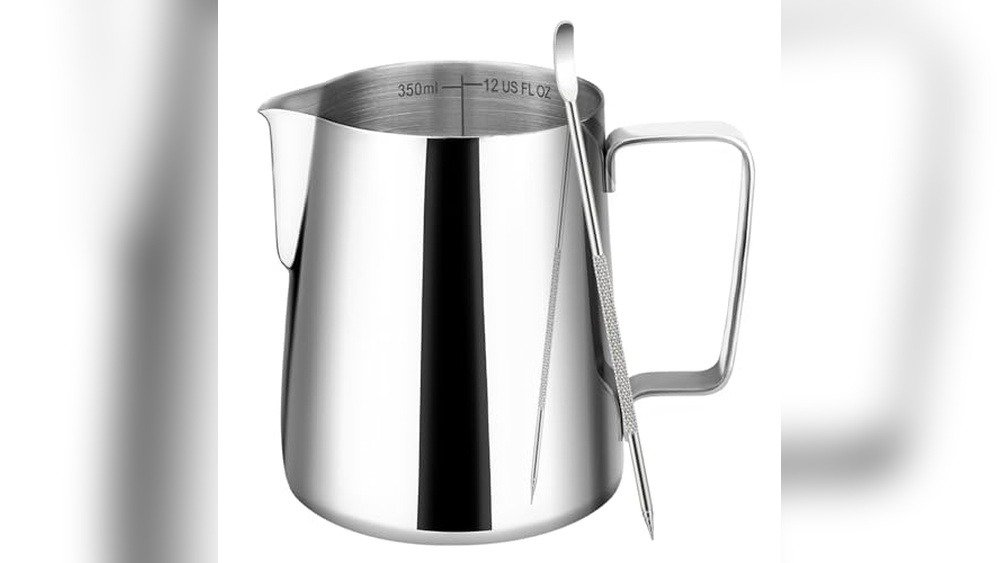
Beyond your espresso machine, a few tools can improve your latte game significantly. A stainless steel frothing pitcher helps you steam and pour milk with precision.
A good tamper is essential to press coffee grounds evenly, which affects extraction and flavor. Also, consider a knock box to easily dispose of used coffee grounds without mess.
Preparing The Espresso Shot
Preparing the espresso shot is the foundation of a great latte. It requires attention to detail and practice. The quality of your espresso affects the flavor and texture of the latte. Follow these steps to prepare a rich and smooth espresso shot using your machine.
Grinding Coffee Beans
Start with fresh coffee beans. Grind them just before brewing for the best taste. Use a burr grinder for consistent particle size. The grind should be fine but not powdery. Too coarse grinds produce weak espresso. Too fine grinds can cause over-extraction and bitterness.
Tamping Techniques
After grinding, place the coffee in the portafilter basket. Use a tamper to press the coffee evenly. Apply firm pressure, about 30 pounds. Ensure the surface is smooth and level. Proper tamping helps water flow evenly through the coffee. This creates a balanced and flavorful shot.
Brewing The Espresso
Lock the portafilter into the espresso machine. Start the brewing process immediately to avoid coffee exposure to air. Aim for a shot extraction time of 25 to 30 seconds. Watch for a steady stream of dark brown espresso with a golden crema on top. Stop the brew once you reach about 1 to 2 ounces of espresso.
Steaming And Frothing Milk
Steaming and frothing milk is a key skill for making a perfect latte at home. The milk's texture and temperature affect the flavor and look of your drink. Achieving the right foam makes your latte creamy and smooth.
Milk Temperature And Texture
Heat milk between 140°F and 150°F for the best taste. Too hot milk tastes burnt and loses sweetness. Cold milk froths better and creates a smooth texture. Aim for a silky microfoam, not large bubbles. This foam blends well with espresso and gives a velvety finish.
Frothing Techniques
Start with cold milk in a metal pitcher. Insert the steam wand just below the surface. Turn on steam to stretch the milk by letting air in. Lower the pitcher slowly to heat milk evenly. Stop when the pitcher feels warm to touch. Tap the pitcher gently to remove big bubbles. Swirl the milk to keep it creamy and smooth.
Common Mistakes To Avoid
- Overheating milk above 160°F, which ruins taste.
- Placing steam wand too deep, causing little foam.
- Not purging the steam wand before use.
- Using old or non-dairy milk that doesn’t froth well.
- Ignoring swirl and tap steps, leading to uneven foam.
Combining Espresso And Milk
Espresso and milk blend smoothly to create a creamy latte at home. Pour steamed milk slowly over fresh espresso for the perfect mix. This simple process delivers a rich, balanced flavor every time.
Combining espresso and milk is the heart of crafting a perfect latte at home. It's where the rich, bold flavors of espresso meet the creamy texture of milk to create a delightful balance. Whether you're a coffee aficionado or a curious beginner, understanding this fusion can elevate your homemade latte to café-quality.
Pouring Techniques
Pouring milk into espresso may seem simple, but it’s an art. Start by holding the cup at a slight angle, which helps the milk and espresso mix well. Pour slowly and steadily, as this ensures that the milk integrates smoothly without disrupting the espresso's crema. Try experimenting with different pouring heights. Pouring from a greater height blends the milk and espresso more thoroughly. It might take a few tries, but the reward is a beautifully harmonious latte.
Creating Latte Art
Latte art isn't just for Instagram-worthy pictures; it's a sign of a well-made latte. Once you’ve mastered pouring, you can start creating patterns. Begin with simple designs like a heart or a leaf. Use the tip of the milk frothing pitcher to control the flow. A steady hand and a bit of practice make all the difference. Remember, each cup is an opportunity to refine your technique.
Adjusting Milk To Coffee Ratio
The ratio of milk to coffee can dramatically alter the taste of your latte. A standard latte typically uses one part espresso to two parts milk, but feel free to adjust based on your taste preferences. Prefer a stronger coffee flavor? Use less milk. Want something creamier? Add more milk. Experiment with different ratios until you find your perfect blend. Consider keeping a journal to note what works best for you. This way, you can easily replicate or tweak your recipe next time.
Cleaning And Maintaining Your Machine
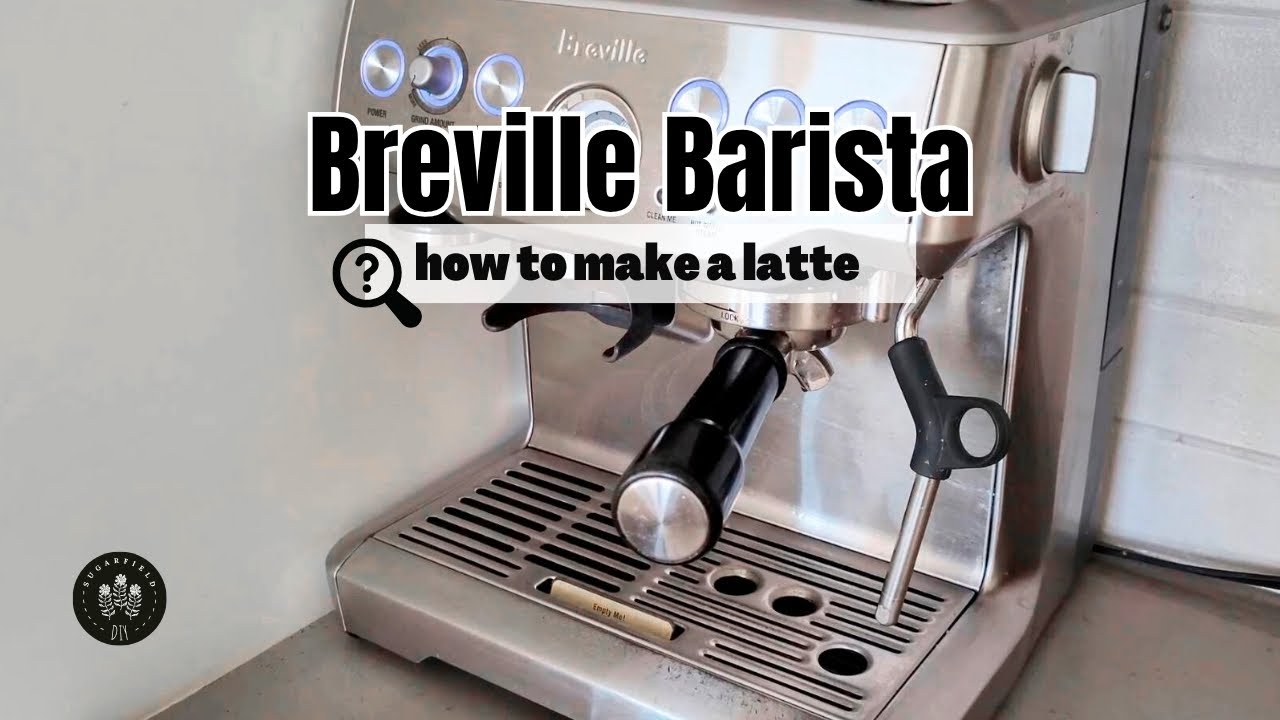
Keeping your espresso machine clean and well-maintained is essential to enjoy a perfect latte every time. Residue buildup can affect the taste and performance of your machine. Regular care not only preserves the flavor but also extends the lifespan of your equipment.
Daily Cleaning Tips
After each use, wipe down the steam wand with a damp cloth to prevent milk from drying and clogging it. Run steam through the wand briefly to clear any milk trapped inside. Empty and rinse the portafilter and baskets to remove coffee grounds and oils.
Don’t forget to clean the drip tray and water reservoir daily. Using warm water and a mild detergent works well. Keeping these parts clean helps avoid mold and unpleasant odors.
Descaling Process
Descaling removes mineral deposits that build up inside your machine over time. Depending on your water hardness and usage, descale every 1 to 3 months. Use a descaling solution recommended by your machine’s manufacturer for the best results.
Follow the instructions carefully: run the solution through the machine, then flush with clean water several times. Skipping this step can cause blockages and reduce water flow, affecting your espresso quality.
Troubleshooting Common Issues
If your espresso tastes bitter or weak, check if the machine needs cleaning or if the coffee grind is too fine or coarse. A clogged steam wand can cause poor milk frothing—clean it thoroughly or soak it in warm water.
Is your machine not brewing or making strange noises? It might be time for a thorough internal clean or descaling. Keeping a maintenance log can help you spot patterns and prevent bigger problems before they start.
Customizing Your Latte
Customizing your latte lets you make every cup truly yours. It’s about discovering what flavors and textures excite your taste buds the most. Whether you like a hint of sweetness, a splash of something creamy, or a spicy kick, your espresso machine is ready to help craft that perfect drink.
Flavor Additions
Adding flavors is a simple way to change up your latte without much effort. You can try vanilla, caramel, or hazelnut syrups for a classic twist. If you want something unique, a drop of almond extract or a bit of peppermint can surprise and delight your palate.
Think about the last latte you enjoyed at a café. What made it stand out? Replicating or improving those flavors at home is easier than you might expect.
Alternative Milks
Milk choice changes the whole latte experience. If you’re avoiding dairy or just curious, almond, oat, soy, and coconut milks are great options. Each one froths differently and has its own flavor profile, so experimenting will show you what fits your taste best.
Try a few to see how the texture and sweetness shift. You might find that oat milk offers a creaminess that rivals whole milk, or that coconut milk adds a tropical note you didn’t know you’d love.
Sweeteners And Spices
Sweeteners can be subtle or bold, depending on your mood. Honey, agave, or maple syrup add natural sweetness and distinct flavors compared to regular sugar. You can also sprinkle cinnamon, nutmeg, or even a pinch of cardamom on top for an extra layer of aroma and warmth.
Have you ever tried a dash of chili powder for a spicy surprise? Small tweaks like these turn your latte into a creative playground where your taste buds lead the way.


Frequently Asked Questions
How Do I Froth Milk For A Latte At Home?
Use the steam wand on your espresso machine to froth cold milk. Submerge the wand just below the surface and create a whirlpool. Heat the milk to around 150°F for smooth, creamy froth perfect for lattes.
What Type Of Coffee Beans Is Best For Espresso?
Choose medium to dark roast coffee beans for espresso. These beans have a rich flavor and balance acidity. Freshly ground beans enhance the taste and aroma of your homemade latte.
How Much Espresso Is Needed For One Latte?
Typically, one shot of espresso (about 1 ounce) is used for a latte. You can add a second shot for a stronger coffee flavor. Adjust based on your taste preference.
Can I Use Non-dairy Milk For Making Lattes?
Yes, non-dairy milk like almond, oat, or soy works well. Choose barista versions for better frothing and creaminess. They provide a delicious alternative for lactose intolerance or vegan diets.
Conclusion
Making a latte at home with an espresso machine is simple and fun. Fresh coffee beans and milk create the best taste. Practice helps improve your pouring and steaming skills. Enjoy your homemade latte any time you want. Save money and avoid crowded coffee shops.
Try different flavors to find what you like best. Your kitchen can become your favorite café spot. Keep experimenting and enjoy every cup you make.