Craving a tasty ham salad but don’t have a food processor? No worries—you can still make a delicious, creamy ham salad right in your kitchen with just a few simple tools.
Imagine creating a flavorful dish that’s perfect for sandwiches, snacks, or even a light meal, all without any fancy gadgets. If you want an easy, step-by-step way to whip up ham salad quickly and effortlessly, keep reading. You’ll discover tips and tricks that make the process smooth and enjoyable, so you can enjoy your homemade ham salad anytime.
Choosing The Right Ham
Choosing the right ham is key to a tasty ham salad. The texture and flavor of the ham affect the overall dish. Picking the perfect ham type makes chopping easier without a food processor. Freshness and preparation style also change how the salad tastes.
Types Of Ham For Salad
Several ham types work well in salads. Each brings a unique flavor and texture.
- Smoked Ham:Offers a rich, smoky taste. It adds depth to the salad.
- Honey Ham:Slightly sweet and tender. It balances savory ingredients nicely.
- Black Forest Ham:Known for its dark color and mild smoky flavor. It is lean and slices easily.
- Country Ham:Saltier and firmer. Best for strong flavors in your salad.
Choosing the right type depends on your taste and recipe needs.
Fresh Vs. Pre-cooked Ham
Fresh ham is raw and requires cooking before use. It offers a natural, juicy flavor. Chopping fresh ham by hand is easier when cooked properly.
Pre-cooked ham is ready to eat. It saves time and effort. Usually, it is softer and easier to chop finely without a food processor.
Consider your available time and preferred texture when selecting between fresh and pre-cooked ham.
Credit: cookingupmemories.com
Preparing Ham Without A Processor
Preparing ham without a food processor might seem challenging at first, but it’s entirely doable with a bit of patience and the right techniques. You can achieve the perfect texture for your ham salad by using simple tools found in your kitchen. Let’s look at some practical ways to prepare ham so it blends well with your other ingredients.
Hand Chopping Techniques
Start with a sharp knife and a sturdy cutting board. Slice the ham into thin strips first, then turn the strips sideways and chop into small cubes. This method gives you control over the size and consistency of your ham pieces.
Keep your fingers tucked in to avoid accidents. Use a rocking motion with the knife to make chopping easier and safer. It might take a little longer than a processor, but the texture can be more satisfying and less mushy.
Using A Grater Or Knife
If you want a finer texture without a food processor, try using a box grater with medium-sized holes. Simply rub the ham gently against the grater to shred it. This works well if you want a more delicate and even consistency.
Alternatively, use a very sharp knife to make thin slices and then chop those slices finely. This approach works especially well with firmer ham cuts. Have you noticed how the ham's texture changes depending on the tool you use? Experiment and see what you like best for your salad.
Selecting Complementary Ingredients
Selecting the right ingredients is key to a tasty ham salad without a food processor. Fresh, crunchy, and flavorful items make a big difference. Balancing textures and flavors will make your salad interesting and enjoyable.
Choosing ingredients that work well together creates a dish that feels fresh and satisfying. Think about what will add color, crunch, and a touch of zest to the salad. This helps to bring out the best in the ham and makes each bite exciting.
Vegetables And Add-ins
- Celery adds a crisp, fresh crunch that brightens the salad.
- Red onion offers a mild sharpness without overpowering the dish.
- Pickles or relish provide a tangy bite that pairs well with ham.
- Bell peppers add sweetness and color to the mix.
- Hard-boiled eggs boost creaminess and add protein.
- Chopped apples or grapes give a sweet, juicy contrast.
Choosing The Right Dressing
The dressing ties all ingredients together and controls flavor balance. A creamy dressing works best for a smooth texture and rich taste. Mayonnaise is a popular choice for its mild flavor and thickness.
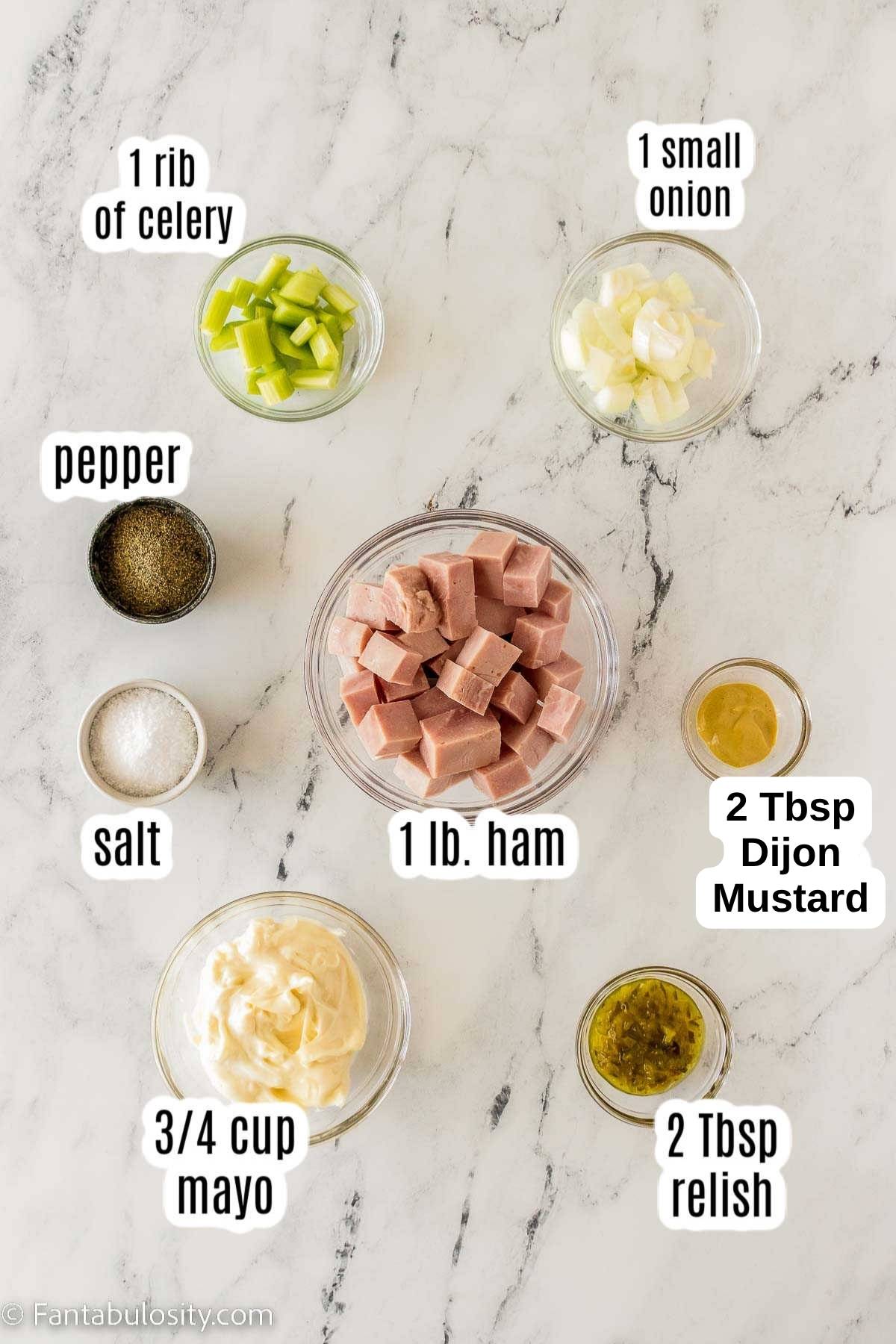
Adding a little mustard brings a gentle tang and depth. Lemon juice or vinegar adds brightness and cuts through richness. Season with salt and pepper to enhance all flavors. Keep the dressing simple to let the ham shine.
Credit: fantabulosity.com
Mixing And Seasoning
Chop ham and mix it with mayonnaise, mustard, and seasonings in a bowl. Stir gently to combine flavors evenly without a food processor. Taste and adjust salt or pepper to suit your preference.
Mixing and seasoning a ham salad without a food processor can be an enjoyable and creative task. It allows you to connect with the ingredients through tactile engagement. You might even find that the textures and flavors are more vibrant when you handle them by hand. This section will guide you through the process of combining ingredients evenly and balancing flavors for a delicious ham salad.
Combining Ingredients Evenly
Start by finely chopping your cooked ham into small, uniform pieces. Use a sharp knife to make the task easier and ensure that all pieces are bite-sized. Add your chopped celery, onions, and any other vegetables you prefer. Stir gently with a large spoon or your hands to mix them thoroughly. Think about how each bite will taste. You want every spoonful to have a bit of everything.
Balancing Flavors
Taste as you go to ensure the flavors are balanced. Add mayonnaise or yogurt gradually, mixing well to reach your desired creaminess. Incorporate mustard, salt, and pepper. Consider adding a splash of lemon juice or a dash of hot sauce for extra zing. Ask yourself: does it need more tanginess or a touch of sweetness? Adjust with a bit of honey or a sprinkle of sugar if needed. Balancing flavors is all about personalization. What makes your ham salad sing might be different from someone else’s. Enjoy the process and make it your own!
Serving Suggestions
Serving ham salad without a food processor opens many tasty options. It works well beyond just a simple side dish. You can enjoy it in various ways that please your taste buds and fit any meal time.
Try these serving suggestions to make your ham salad more exciting and satisfying.
Sandwich Ideas
- Spread ham salad on whole wheat bread for a classic sandwich.
- Use croissants for a buttery, flaky texture contrast.
- Fill pita pockets with ham salad and fresh lettuce.
- Top open-faced rye bread with a generous scoop and sliced tomatoes.
- Add sliced pickles or cheese for extra flavor inside your sandwich.
Salad Pairings
- Serve ham salad on a bed of crisp mixed greens.
- Mix with fresh cucumber and cherry tomatoes for a light salad.
- Pair with boiled eggs and avocado slices to boost protein.
- Use as a topping for baked potatoes for a hearty meal.
- Combine with fresh herbs like parsley or chives for added zest.
Storage Tips
Storing ham salad made without a food processor requires a bit of extra care to keep it fresh and tasty. Since the texture may be chunkier, the ingredients can separate or dry out faster if not stored properly. Knowing how to store your ham salad well ensures you enjoy every bite without waste or loss of flavor.
Keeping Ham Salad Fresh
Use an airtight container to store your ham salad. This prevents air from drying out the salad and helps keep the flavors locked in.
Place a piece of plastic wrap directly on the surface of the salad before sealing the container. This extra layer reduces exposure to air and slows down browning or drying.
Always refrigerate your ham salad immediately after making it. Leaving it out at room temperature can cause bacteria to grow quickly, especially since it contains mayonnaise or other dressings.
Shelf Life Without A Processor
Ham salad made by hand usually lasts about 3 to 4 days in the fridge. The absence of a food processor means larger pieces, which can sometimes spoil faster if not kept cold.
Check the salad daily for any changes in smell or texture. If you notice any off smells or sliminess, it’s best to discard it to avoid foodborne illness.
Have you ever wondered why homemade salads don’t last as long as store-bought versions? Commercial products often contain preservatives and are made with finely processed ingredients that stay fresh longer.
To extend freshness, avoid mixing in dressings until you’re ready to serve. This can keep the ham and vegetables from becoming soggy too soon.
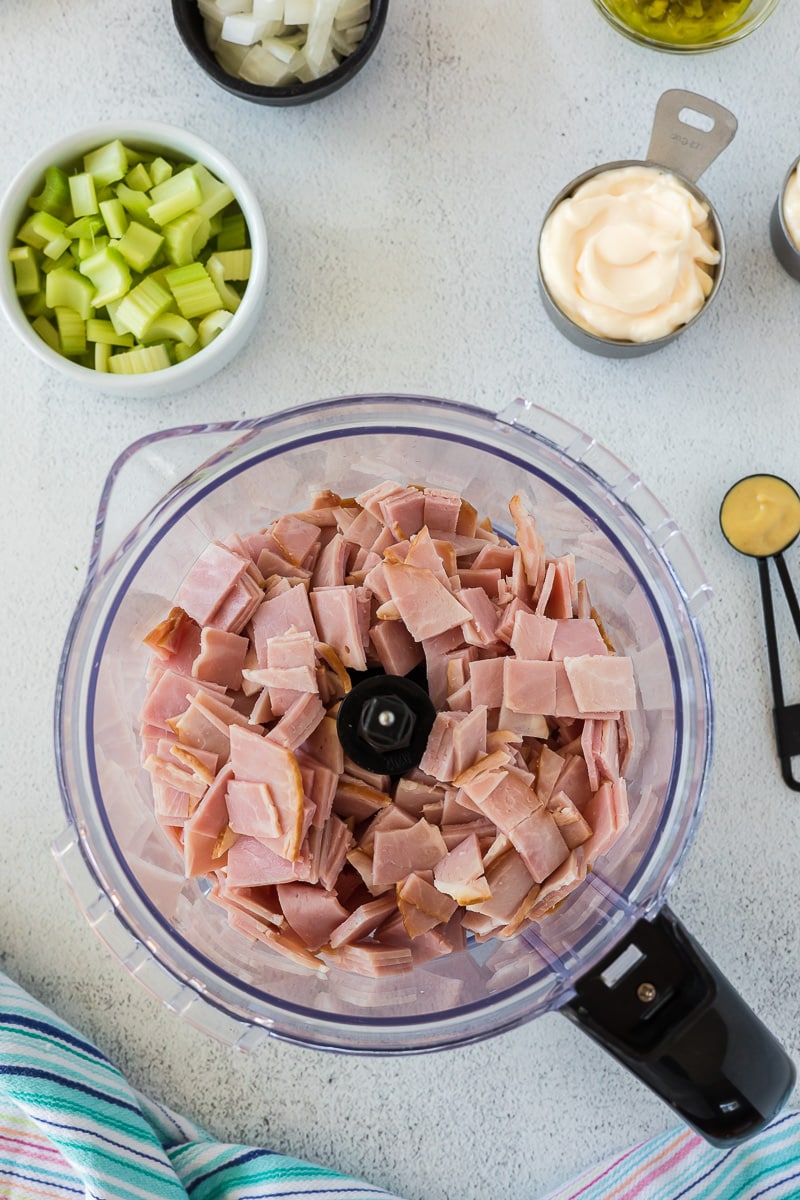
Credit: cookingupmemories.com
Frequently Asked Questions
How Can I Chop Ham Without A Food Processor?
You can finely dice ham using a sharp knife and a stable cutting board. Chop carefully into small, even pieces for the best texture. This method keeps the ham chunky and perfect for a homemade salad without special equipment.
What Ingredients Make The Best Ham Salad?
Classic ham salad includes ham, mayonnaise, mustard, celery, onions, and pickles. These ingredients combine to create a creamy, tangy, and crunchy salad. You can adjust seasonings to your taste for a personalized flavor.
How Long Does Ham Salad Last In The Fridge?
Ham salad typically lasts 3 to 5 days when refrigerated. Store it in an airtight container to maintain freshness. Always check for any off smells or discoloration before eating.
Can I Use Leftover Ham For This Salad?
Yes, leftover ham works perfectly for ham salad. Ensure the ham is fully cooked and chopped finely. Using leftovers reduces waste and adds convenience to your meal prep.
Conclusion
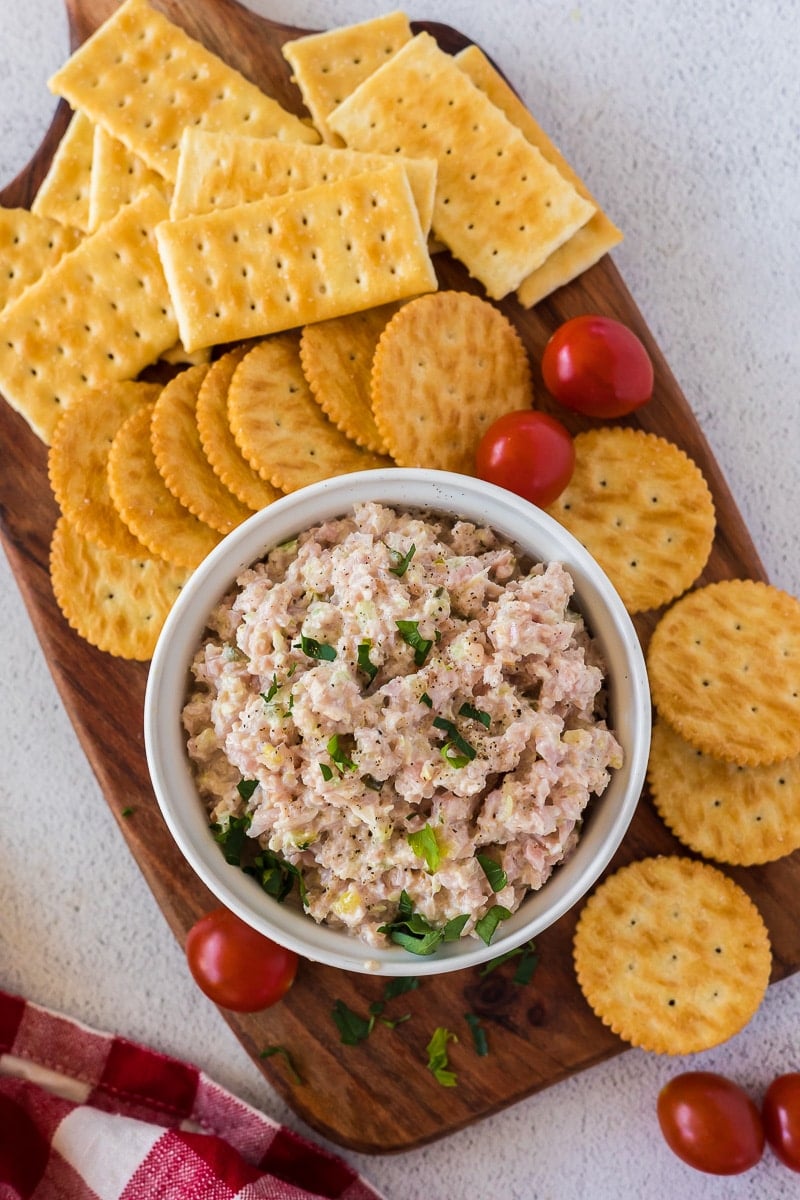
Making ham salad without a food processor is simple and quick. Just chop the ingredients by hand and mix them well. This way, you control the texture and taste easily. No special tools needed. You can enjoy a fresh and tasty ham salad anytime.
Try different ingredients to find your favorite mix. Serve it on bread, crackers, or with veggies. Cooking can be fun and easy with simple steps. Give this method a try and enjoy your homemade ham salad today!