You love the convenience of your gas grill, but sometimes you crave that smoky, rich flavor only a charcoal grill can deliver. What if you could enjoy the best of both worlds?
Imagine firing up your gas grill and getting that authentic charcoal taste without the hassle of lighting coals or cleaning up ash. You’ll discover simple tricks and easy steps to transform your gas grill’s flavor, making every bite taste like it came straight off a charcoal grill.
Keep reading, and your next barbecue will impress friends and family with bold, smoky goodness.
Choosing The Right Gas Grill
Choosing the right gas grill is key to achieving that smoky, rich flavor of charcoal grilling. Not all gas grills deliver the same taste. Some models come closer to the charcoal experience by design. Focus on grills that offer features to enhance flavor and are built with quality materials. This helps create a grilling experience that satisfies your taste buds.
Features That Enhance Flavor
Certain features in a gas grill can improve the taste of your food. Look for grills with:
- Flavorizer bars or heat tents that vaporize drippings and add smoky flavor
- Multiple burners for better heat control and even cooking
- A built-in smoker box to add wood chips for authentic smoke
- Infrared burners that create high heat and sear marks like charcoal grills
These features bring extra flavor by mimicking the smoke and heat patterns of charcoal grills.
Grill Materials And Build Quality
The materials and construction of a gas grill affect heat retention and flavor. Choose grills made from:
- Stainless steel, which resists rust and holds heat well
- Ceramic, for excellent heat retention and even cooking
- Cast iron grates, which provide great searing and heat distribution
Strong build quality ensures your grill lasts and performs consistently. Thick metal walls and tight seals keep heat and smoke inside, intensifying flavor.
Using Wood Chips And Chunks
Using wood chips and chunks is a popular way to add smoky flavors to a gas grill. These natural wood pieces create authentic smoke, similar to charcoal grilling. They infuse your food with rich, smoky aromas that gas grills usually lack. This simple addition brings the classic taste of outdoor cooking to your gas grill setup.
Types Of Wood For Smoking
Choosing the right wood affects the flavor of your grilled food. Different woods produce different smoke tastes. Here are common types:
- Hickory:Strong, bacon-like smoke flavor. Great for pork and ribs.
- Mesquite:Intense, earthy smoke. Best for beef and bold meats.
- Apple:Mild, sweet smoke. Perfect for poultry and fish.
- Cherry:Slightly sweet, fruity smoke. Works well with almost any meat.
- Oak:Medium smoke, versatile for many types of grilling.
Soaking And Placement Techniques
Soaking wood chips helps slow their burn and produce more smoke. Place chips in water for at least 30 minutes. This prevents quick burning and makes smoke last longer.
Chunks do not need soaking because they burn slower naturally. You can add chunks directly to your grill.
Use a smoker box or wrap soaked chips in foil with holes poked. Place them near the burners or heat source.
Position wood so it heats slowly and creates steady smoke. Avoid putting chips directly on flames to stop flare-ups.
Adjusting Heat For Charcoal-like Searing
Adjusting heat is key to getting that authentic charcoal grill sear on your gas grill. It’s about managing temperature zones carefully to mimic the intense, uneven heat charcoal produces. You’ll need to create both blazing hot areas and cooler spots to control how your food cooks.
High Heat Zones
Create a high heat zone by turning one or two burners on your gas grill to the highest setting. This area should reach temperatures of 500°F or more to get that perfect sear. Placing your meat directly over this zone will caramelize the surface quickly, locking in juices just like charcoal does.
Don’t crowd the grill; give each piece space to develop a good crust. Have you noticed how charcoal flames flare up unpredictably? You can simulate this by occasionally opening and closing the lid, letting bursts of heat hit your food.
Indirect Vs Direct Cooking
Set up your grill with one side on high heat and the other side off or on low. This creates a two-zone system where you can sear over direct heat and finish cooking over indirect heat. It’s a technique many charcoal grillers use to avoid burning the outside while the inside cooks through.
Start by searing your steak or chicken on the hot side for 2-3 minutes per side. Then move it to the cooler side to finish cooking gently without losing moisture. How often do you find yourself flipping meat too much? Try to flip only once or twice to maintain that crust and juiciness.

Credit: www.youtube.com
Incorporating Smoke Boxes And Accessories
Incorporating smoke boxes and accessories helps create that rich, smoky flavor of charcoal grilling. These tools add real wood smoke to your gas grill. They bring out deep, smoky notes in your food without the hassle of charcoal. Using the right smoke box and placing it correctly can transform your grilling experience. It makes your gas grill taste much closer to a traditional charcoal grill.
Choosing The Right Smoke Box
Pick a smoke box made from durable materials like stainless steel. It should resist rust and hold heat well. Size matters; choose a box that fits your grill space but holds enough wood chips. Some boxes have adjustable vents to control smoke flow. Look for one with easy access for adding chips during cooking. Consider a box that works with your grill's burners for even heat distribution.
Placement And Usage Tips
Place the smoke box directly over one burner on medium heat. This allows wood chips to smolder and create smoke without burning too fast. Avoid putting it on the hottest burner to prevent chips from catching fire. Close the grill lid to trap smoke around the food. Add wood chips every 20-30 minutes for continuous smoke. Use mild woods like apple or cherry for subtle smoke flavors. Keep water nearby to soak chips and control smoke intensity.
Marinades And Rubs For Smoky Flavor
Adding a smoky flavor to your gas-grilled food can transform your cooking experience. Marinades and rubs play a crucial role in mimicking that rich, charcoal taste. You don’t need a charcoal grill to enjoy deep, smoky notes; the right ingredients and timing can make your gas grill sing with flavor.
Ingredients That Add Depth
Look for ingredients that naturally bring smoky, earthy, or umami flavors. Smoked paprika, chipotle powder, and cumin are excellent choices to create that smoky undertone. Adding a touch of liquid smoke to your marinade can also boost the charcoal-like aroma.
Don’t forget herbs like rosemary and thyme, which add complexity without overwhelming the meat. Brown sugar or molasses in your rub can caramelize and give a subtle sweetness that balances smoky spices. Salt and pepper remain essential for enhancing all these flavors.
Application Timing And Methods
Timing your marinade or rub application is key to maximizing flavor absorption. Marinades work best when you let your meat soak for at least 2 to 4 hours, or even overnight if you want a deeper taste. Rubs, on the other hand, can be applied just before grilling for a crisp, flavorful crust.
Try applying a dry rub first, then lightly mist with your marinade or oil to lock in moisture. This combo can create layers of flavor that mimic charcoal grilling. Have you experimented with layering flavors this way? It might be the secret to your next BBQ success.
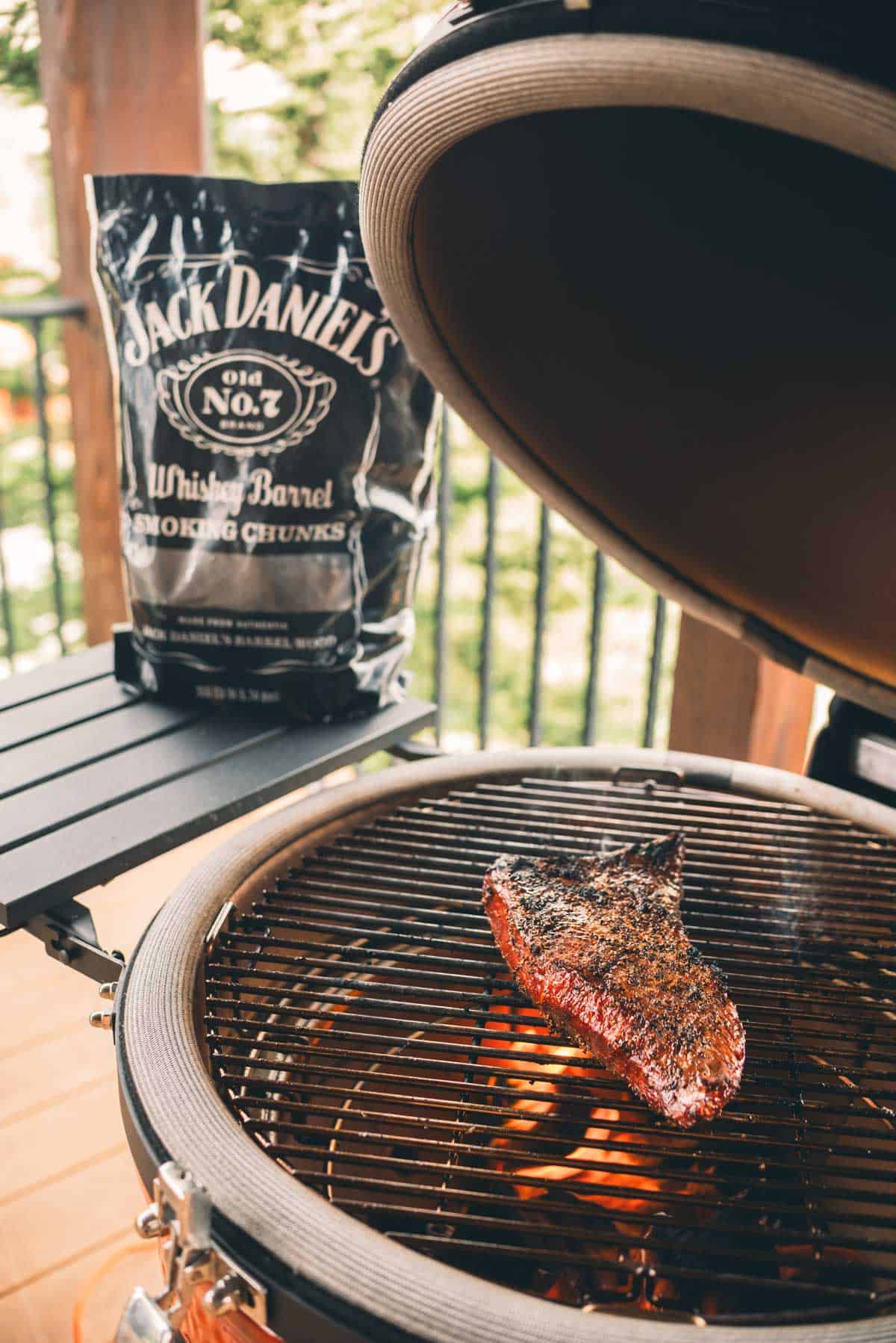
Credit: girlcarnivore.com
Managing Drippings For Smoky Aroma
Managing drippings is key to creating that authentic smoky aroma on a gas grill. When fat and juices fall onto hot surfaces, they produce smoke that flavors the food. Controlling these drippings helps mimic the charcoal grilling experience.
Proper drip management prevents flare-ups and enhances smoke production. It also keeps your grill cleaner and your food tastier. Simple tools and techniques can transform your gas grill’s flavor profile.
Using Foil Pans
Place a foil pan beneath the grill grates to catch drippings. This prevents grease from hitting the burners and causing flare-ups. The pan collects juices, which then heat up and create smoke.
Choose a shallow pan to fit your grill size. Add wood chips or herbs inside the pan to boost smoky flavors. Replace the pan regularly to keep the smoke fresh and avoid burnt taste.
Enhancing Smoke From Grease
Drippings create smoke when they sizzle on hot surfaces. To enhance this, use a drip tray or heat deflector under the grates. This spreads heat evenly and allows fat to vaporize slowly.
Sprinkle soaked wood chips directly onto the heat deflectors or drip tray. The moisture helps wood burn slowly, producing steady smoke. Control grill temperature to keep smoke thin and flavorful, not bitter.
Cleaning And Maintenance For Better Flavor
Cleaning and maintaining your gas grill is key to achieving that smoky flavor like a charcoal grill. A clean grill prevents old food and grease from spoiling new meals. Regular upkeep also helps your grill last longer and perform better.
Proper cleaning removes buildup that blocks heat and flavor. Maintenance keeps burners working evenly for consistent cooking. Small steps make a big difference in taste and grill life.
Avoiding Chemical Residue
Use natural cleaning tools instead of harsh chemicals. Scrubbing with a wire brush helps remove stuck-on food safely. Avoid sprays that leave a smell or taste on your grill. Rinse all parts with water after cleaning to clear any residue. Let the grill dry completely before cooking again. This stops chemicals from affecting your food’s flavor.
Regular Grill Cleaning Tips
- Clean grill grates after each use with a brush or cloth.
- Remove grease and drippings from the drip tray regularly.
- Check burner tubes for blockages and clean them gently.
- Wash grill grates with warm soapy water every few weeks.
- Inspect and replace worn parts for safe, even heat.
- Keep the grill covered to protect from dust and rain.
Consistent cleaning keeps your gas grill ready for smoky, delicious meals. A well-maintained grill cooks better and tastes closer to charcoal grilling.

Credit: www.youtube.com
Experimenting With Fuel Types
Grilling enthusiasts often seek that smoky flavor only charcoal grills offer. But gas grills can achieve similar results. By experimenting with fuel types, you can enhance your gas grill's flavor profile. Let's explore some ways to make your gas grill taste like a charcoal grill.
Propane Vs Natural Gas
Propane and natural gas are common fuel types for gas grills. Each has unique characteristics. Propane burns hotter and is more portable. Natural gas offers a continuous supply, reducing the hassle of refills. But propane can produce a slightly richer flavor. Consider which fuel might better suit your grilling needs. Both can be adjusted for better flavor output.
Adding Charcoal Elements
Add charcoal briquettes or wood chips to your gas grill. They infuse the food with a smoky aroma. Place them in a smoker box or wrap in foil. Position them directly on the grill grates. Ensure they heat up before placing your food. This method mimics the essence of charcoal grilling. It’s a simple trick that boosts flavor without needing a full charcoal setup.
Frequently Asked Questions
How Can I Add Smoky Flavor To A Gas Grill?
Use wood chips or pellets in a smoker box on your gas grill. Soak the chips first to prevent burning. This method mimics charcoal’s smoky taste effectively. It adds rich flavor without extra effort.
What Tools Help Mimic Charcoal Grill Flavor?
A smoker box, cast iron griddle, and wood chips are essential. They help retain heat and infuse smoke. Using these tools enhances your gas grill’s flavor profile to match charcoal grilling.
Should I Use Direct Or Indirect Heat On A Gas Grill?
Use indirect heat to mimic charcoal grilling’s slow cooking. This prevents burning and allows smoky flavors to develop. Position food away from direct flames for better results.
Can Marinating Enhance Gas Grill Flavor Like Charcoal?
Yes, marinating adds depth and richness to grilled food. Use bold, smoky marinades with spices like paprika and cumin. It compensates for the natural smoky flavor charcoal imparts.
Conclusion
Gas grills can taste like charcoal grills with simple tricks. Adding wood chips or charcoal briquettes gives smoky flavor. Using a cast iron grate helps create better sear marks. Controlling heat and cooking time is very important too. These small changes bring that classic smoky taste back.
Enjoy grilling with less mess but great flavor. Try these tips on your next cookout and taste the difference. Simple steps can make your gas grill feel like a real charcoal grill.