
If you love strong, rich coffee that wakes you up instantly, Cuban coffee made with a moka pot is exactly what you need. Imagine savoring a cup that’s bold, sweet, and full of flavor—all from the comfort of your kitchen.
You might think making authentic Cuban coffee is complicated, but it’s simpler than you expect. This guide will show you step-by-step how to create that perfect cup every time. Ready to transform your coffee routine and enjoy a taste of Cuba?
Keep reading—you’re just minutes away from mastering this delicious brew.

Credit: nutsandtwigs.com
Choosing The Right Coffee
Choosing the right coffee is crucial to making authentic Cuban coffee with a Moka pot. The flavor, aroma, and crema depend heavily on the type of coffee you select. Picking the right blend and grind can transform your cup from ordinary to extraordinary.
Types Of Cuban Coffee
Cuban coffee is known for its bold, sweet, and rich profile. The most popular type is espresso-style dark roast, which delivers intense flavor with a slightly bitter edge balanced by sugar.
You’ll find these common varieties:
- Traditional Cuban Roast:Dark roasted, often with a smoky, caramelized sweetness.
- Espresso Blends:Specifically designed for stovetop brewing, these blends have a fine grind and robust flavor.
- Ground Coffee with Sugar:Some Cuban coffees come pre-mixed with sugar to create that signature sweet crema when brewed.
Think about how much sweetness and strength you want. Do you prefer a simple dark roast or something with a sweeter finish?
Selecting Ground Coffee For Moka Pot
Your Moka pot needs coffee ground finer than drip but coarser than espresso. Cuban coffee typically uses a very fine grind similar to espresso to build that thick, syrupy crema.
Look for these qualities when buying ground coffee:
- Fine Grind:Ensures proper extraction and pressure build-up in the Moka pot.
- Freshness:Freshly ground coffee gives the best flavor; avoid pre-ground coffee that’s been sitting for months.
- Roast Level:Choose a dark roast labeled for stovetop espresso or Cuban coffee for authentic taste.
Remember, the grind size controls the brewing speed and taste. Too coarse, and your coffee will be weak; too fine, and it might clog your pot or taste bitter. Have you experimented with grind sizes before?
Preparing The Moka Pot
Preparing the moka pot correctly is key for a rich Cuban coffee. Clean equipment and proper assembly ensure the best flavor. Understanding the parts and keeping them in good shape helps make every cup perfect.
Parts Of A Moka Pot
The moka pot has three main parts. Each part plays a role in brewing coffee:
- Bottom chamber:Holds the water that heats up.
- Filter funnel:Holds the ground coffee.
- Top chamber:Collects the brewed coffee.
Make sure each part fits well before brewing. Check the rubber gasket and filter plate for wear.
Cleaning And Maintenance Tips
Clean the moka pot after every use. Rinse all parts with warm water only. Avoid soap to keep coffee flavors pure.
Dry the parts completely to stop rust or mold. Check the gasket often and replace it if cracked or hard.
Remove coffee oils by soaking parts in vinegar once a month. Rinse well before next use. Proper care keeps your moka pot working well and your coffee tasting fresh.
Step-by-step Brewing Process
Brewing Cuban coffee with a Moka pot is an art that blends simplicity with rich flavors. Each step plays a crucial role in capturing the bold, sweet essence that defines Cuban coffee. Paying attention to details like water level and coffee grind can transform your cup from ordinary to exceptional.
Filling The Water Chamber
Start by filling the bottom chamber of your Moka pot with fresh, cold water. Make sure to fill it just below the safety valve—too much water can cause pressure issues. I once overfilled it and ended up with a weak brew, so this small step really matters.
Adding Coffee Grounds
Use finely ground Cuban-style coffee, which is slightly finer than regular drip coffee but not as fine as espresso. Fill the filter basket evenly without packing the grounds too tightly. This balance lets water flow through perfectly, extracting the rich flavors without bitterness.
Assembling The Pot
Screw the top and bottom parts of the Moka pot together firmly but without forcing it. Check the rubber gasket and filter plate to make sure they are in good condition and properly seated. A loose seal can cause steam leaks and affect your coffee’s strength.
Heating And Brewing
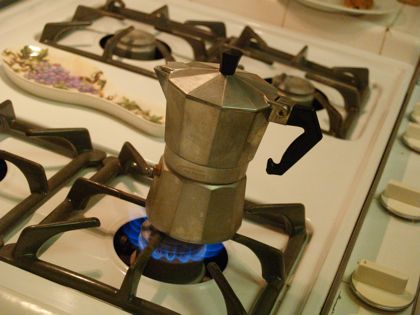
Place the Moka pot on medium-low heat. You’ll hear a gurgling sound as the coffee starts to rise. Remove it from the heat as soon as you see a steady stream of coffee—overheating can burn the coffee and spoil the flavor.
Have you noticed how patience during this stage changes the taste? Waiting for the right moment to take it off the stove is key to that perfect Cuban coffee experience.
Making The Espuma (foam)
Creating the espuma is key for authentic Cuban coffee. Use a spoon to mix sugar with the first few drops of strong coffee until it turns creamy and frothy. This sweet foam adds a rich texture and flavor to your coffee.
Making Cuban coffee with a Moka pot is a delightful ritual that brings a taste of Havana into your home. One of the most exciting parts of this process is creating the espuma, or foam, which adds a rich texture and sweetness to your coffee. It's a step that elevates your brew from ordinary to extraordinary. With a little practice, you'll perfect this art and impress your taste buds.
What Is Espuma?
Espuma is the sugary foam that crowns a cup of Cuban coffee, giving it a creamy consistency and a sweet touch. It's made by vigorously mixing the first few drops of coffee with sugar, creating a frothy, caramel-colored foam. This foam not only enhances the flavor but also the visual appeal, making your coffee experience truly special.
Techniques To Create Perfect Foam
Start by brewing your coffee in the Moka pot. As soon as the first drops of coffee emerge, quickly collect them in a separate cup. Timing is crucial, as these first drops are the most concentrated and flavorful. Add sugar to the collected coffee drops. Use about one tablespoon of sugar for every tablespoon of coffee, adjusting to your taste preference. Vigorously whip the mixture with a spoon until it transforms into a thick, creamy foam. This takes a bit of elbow grease, but the reward is a beautifully sweet espuma. Once your coffee is fully brewed, pour it over the espuma. Stir gently to blend the flavors and enjoy the inviting aroma that fills the room. Creating the perfect espuma can be a fun and rewarding challenge. Have you ever tried making it? What did you find was the trickiest part?
Serving Cuban Coffee
Serving Cuban coffee is just as important as brewing it. The way you present and enjoy your coffee can bring out its rich flavors and create a memorable experience. Let’s look at some traditional styles and tips to help you savor the perfect cup every time.
Traditional Serving Styles
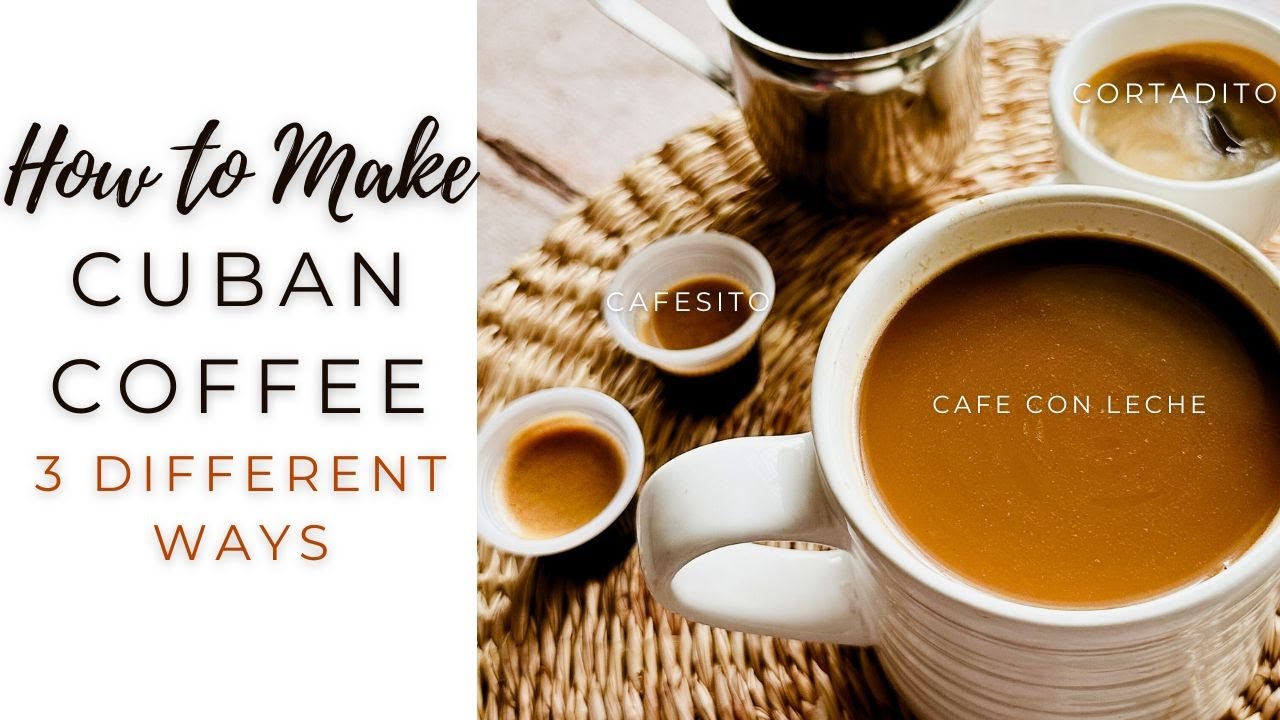
Cuban coffee is often served in small, espresso-sized cups called tacitas. These tiny cups help concentrate the bold, sweet flavors and keep the coffee warm longer.
One popular style is the Cortadito, which mixes equal parts of steamed milk and coffee. This softens the intense taste and adds a creamy texture.
- Espresso-Style:Served straight with a thick layer of espuma(sweetened coffee foam) on top.
- Café con Leche:Half coffee, half hot milk, often enjoyed at breakfast.
- Colada:A larger serving meant to be shared, usually with multiple small cups.
Have you tried sharing a colada with friends? It’s more than coffee; it’s a social ritual that brings people together.
Tips For Enjoying The Perfect Cup
Start by warming your cup to keep the coffee hot longer. Cold cups can cool down your coffee too fast and dull the flavors.
Use fresh coffee grounds and measure your sugar carefully to get the right sweetness. Cuban coffee is known for its strong, sweet flavor, so balancing these is key.
- Stir the coffee gently but thoroughly to mix the espuma evenly.
- Drink it slowly to appreciate the boldness and sweetness with each sip.
- Try pairing your coffee with a small Cuban pastry or a piece of dark chocolate to enhance the experience.
Do you find that the way you drink your coffee changes how much you enjoy it? Experiment with these tips and notice the difference in your daily ritual.
Credit: www.youtube.com
Common Mistakes To Avoid
Making Cuban coffee with a moka pot is simple but needs care. Small errors can change the flavor and texture. Avoiding common mistakes helps you enjoy the true taste of Cuban coffee. Here are key points to watch out for.
Overheating The Pot
Heat the moka pot gently. High heat can burn the coffee. It causes bitter taste and ruins the aroma. Use medium or low heat for best results. Wait until you hear a hissing sound. That means the coffee is ready. Turn off the heat quickly to avoid burning.
Using Incorrect Coffee Grind
Use finely ground coffee like espresso. Too coarse grind makes weak coffee. Too fine grind can block the filter. It stops water flow and causes pressure build-up. Find coffee grind that feels smooth but not powdery. This balance helps extract rich flavors perfectly.
Skipping The Foam
The foam, or “espuma,” is a key part of Cuban coffee. It adds sweetness and smooth texture. Don’t skip this step. Mix some sugar with the first drops of coffee. Stir fast until foam forms. Pour the rest of the coffee slowly. This makes the coffee creamy and sweet.
Variations And Flavor Additions
Cuban coffee is famous for its strong, sweet flavor. Variations and flavor additions can make it even more enjoyable. Simple changes can create new tastes without losing the classic essence. Experimenting with sugar, spices, or other flavors gives each cup a unique twist. These small tweaks can suit your mood or time of day.
Adding Sugar And Sweeteners
The traditional Cuban coffee is sweetened with sugar. The sugar is often mixed with the first few drops of coffee to create a creamy foam called "espuma."
- Use white granulated sugar for the classic taste.
- Try brown sugar for a richer, caramel note.
- Honey or agave syrup can add natural sweetness.
- Stevia or other sugar substitutes work for low-calorie options.
Adjust sweetness to your preference. Sweetening the coffee while brewing helps blend flavors well.
Incorporating Spices And Flavors
Spices and flavors add warmth and depth to Cuban coffee. Adding a pinch of spice can enhance aroma and taste.
- Cinnamon sticks or ground cinnamon offer a cozy, spicy hint.
- Vanilla extract or vanilla bean adds a smooth, sweet note.
- Nutmeg gives a subtle, nutty flavor.
- Cocoa powder can create a mocha-like coffee experience.
- A drop of almond extract introduces a nutty aroma.
Try mixing spices with coffee grounds before brewing for a balanced flavor. Small amounts work best to keep the original Cuban coffee taste.
Credit: www.mybigfatcubanfamily.com
Frequently Asked Questions
What Type Of Coffee Is Best For Cuban Coffee?
Use finely ground dark roast coffee for authentic Cuban coffee. Espresso blends with rich, bold flavors work best. Avoid coarse grinds, as they won't extract properly in a Moka pot.
How Do You Sweeten Cuban Coffee Traditionally?
Sweeten Cuban coffee with sugar while brewing. Add 1 to 2 teaspoons of sugar to the first few drops of coffee. Mix vigorously to create the signature sweet foam called "espuma. "
Can A Moka Pot Replace An Espresso Machine?
Yes, a Moka pot can make strong coffee similar to espresso. It uses steam pressure to brew concentrated coffee. However, it produces less pressure than an espresso machine, so the texture differs slightly.
How Long Does It Take To Brew Cuban Coffee?
Brewing Cuban coffee in a Moka pot takes about 5 minutes. Heat the water on medium-low, allowing coffee to slowly extract. Avoid overheating to prevent bitterness and preserve smooth flavor.
Conclusion
Making Cuban coffee with a moka pot is simple and fun. Start with the right coffee and sugar. Brew slowly to get the rich, sweet taste. Enjoy your coffee hot and fresh. This method brings a little Cuban tradition to your home.
Try it today and savor every sip. Perfect for mornings or a quick break. You don’t need fancy tools or skills. Just a moka pot and good coffee. Give it a shot and enjoy your Cuban coffee moment.


