Are you ready to turn your simple rice into a delicious, fragrant dish with just a few easy steps? Making coconut rice in a rice cooker is a game-changer for your meals.
Imagine the rich aroma of coconut blending perfectly with fluffy rice, all without standing over the stove. Whether you’re new to cooking or looking for a quick way to upgrade your dinner, this guide will show you exactly how to do it.
Keep reading, and you’ll discover the secrets to perfect coconut rice that will impress your family and friends every time.
Credit: joyful-dumplings.medium.com
Choosing The Right Rice
Choosing the right rice is the foundation of perfect coconut rice. The texture and flavor depend heavily on the rice variety you pick. Getting this right means your rice cooker will do half the job for you, delivering fluffy, fragrant rice every time.
Best Rice Varieties For Coconut Rice
Not all rice behaves the same when cooked with coconut milk. Some types absorb the coconut flavor better and maintain a pleasant texture.
- Jasmine Rice:This fragrant, long-grain rice is a top choice. It absorbs coconut milk well and stays light and fluffy.
- Basmati Rice:Known for its nutty aroma, basmati offers a slightly firmer texture, which creates a nice contrast with the creamy coconut.
- Sushi Rice:Short-grain and sticky, sushi rice works if you prefer a creamier, more cohesive coconut rice.
Think about what texture you enjoy most. Do you want separate grains or a stickier consistency? This choice shapes your coconut rice experience.
Rinsing And Soaking Tips
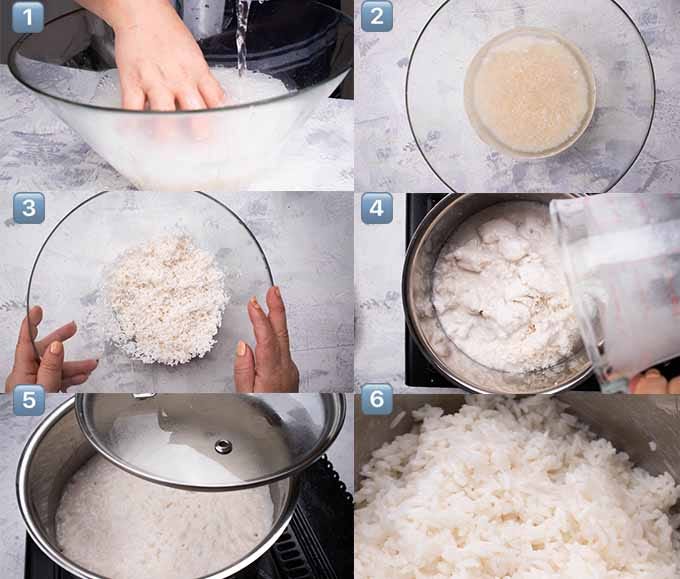
Rinsing rice removes excess starch and prevents clumping, which is crucial for coconut rice. I once skipped rinsing and ended up with a gummy mess that no amount of coconut milk could fix.
Rinse your rice under cold water until the water runs clear. This step helps keep your rice fluffy.
Soaking rice before cooking softens the grains and speeds up cooking. Soak for about 20-30 minutes if you have time. If not, you can skip it but expect a slightly firmer texture.
Try rinsing and soaking your rice next time to see how it affects the final dish. You might notice a big difference in both texture and flavor absorption.
Essential Ingredients
Creating the perfect coconut rice in a rice cooker begins with the right ingredients. The balance of flavors from these ingredients will make your dish aromatic and delightful. Let's delve into the essential components that make this dish special.
Coconut Milk Vs Coconut Cream
Coconut milk and coconut cream bring different textures and flavors. Coconut milk is lighter and gives a subtler taste. It’s made by grating fresh coconut meat and mixing it with water. This results in a creamy liquid perfect for rice. Coconut cream, on the other hand, is thicker and richer. It’s made by skimming the top layer of chilled coconut milk. It adds a denser, more intense coconut flavor. Choose based on your preference for texture and richness.
Seasonings And Add-ins
Seasonings elevate the flavor of coconut rice. Salt is essential for enhancing the taste. Some prefer a hint of sweetness, adding a spoon of sugar. Ginger or garlic can provide a subtle aromatic spice. Consider adding a bay leaf for a mild floral scent. For a hint of heat, add a slice of chili pepper. Add-ins like toasted coconut flakes can give a crunchy texture. Fresh herbs such as cilantro or parsley add freshness.
Preparing The Rice Cooker
Preparing the rice cooker is essential for perfect coconut rice. It ensures even cooking and avoids sticking. Taking time to clean and set up the cooker helps maintain its performance and extends its life.
Cleaning And Setup
Start by removing the inner pot from the rice cooker. Wash it with warm water and mild detergent. Use a soft sponge to avoid scratches. Rinse thoroughly to remove all soap. Dry the pot completely before placing it back.
Check the heating plate inside the cooker. Wipe it gently with a damp cloth. Make sure it is dry before use. This step prevents uneven heating or damage. Place the inner pot securely inside the cooker base.
Measuring Rice And Liquids
Measure the rice using the cup that comes with the cooker. One cup of rice usually serves two people. Rinse the rice under cold water until clear. This removes excess starch for fluffier rice.
Use coconut milk and water for cooking. The typical ratio is one cup of rice to one cup of coconut milk plus half a cup of water. Adjust the amounts based on the rice quantity. Pour liquids into the rice cooker pot with the rinsed rice.
Stir gently to mix the coconut milk and water. Avoid spilling liquid outside the pot. Close the lid and select the regular cooking setting. Now the rice cooker is ready to make delicious coconut rice.

Credit: thewoksoflife.com
Cooking Process
The cooking process for coconut rice in a rice cooker is simple and requires just a few steps. Preparing the ingredients correctly and selecting the right settings will help achieve fluffy, flavorful rice. Careful timing and monitoring ensure the perfect texture every time.
Combining Ingredients
Start by rinsing the rice under cold water until clear. This removes extra starch and prevents stickiness. Add the rinsed rice to the rice cooker pot.
Pour in coconut milk and water. Use a ratio of one cup rice to one cup coconut milk and half cup water. Add a pinch of salt for taste.
Stir gently to mix the ingredients evenly. Avoid over-mixing to keep the rice grains whole.
Selecting The Right Cooking Mode
Choose the “white rice” or “normal” cooking mode on your rice cooker. These settings provide the right heat and time for cooking coconut rice.
Some rice cookers have a “porridge” or “soft rice” mode. Avoid these as they may make the rice mushy.
Timing And Monitoring
Close the lid and start the rice cooker. Do not open the lid during cooking to keep the steam inside.
The cooking time usually takes 20 to 30 minutes depending on the rice cooker model. Let the rice sit for 10 minutes after cooking with the lid closed.
Fluff the rice gently with a fork before serving. This helps separate the grains and improves texture.
Fluffing And Serving
Fluffing and serving coconut rice is a crucial step. It ensures the rice is light and tasty. Proper fluffing separates the grains and enhances texture. Serving with the right garnishes adds color and flavor. This section helps you make your coconut rice look and taste great.
Fluffing Techniques
Use a fork or rice paddle to gently fluff the rice. Avoid stirring too hard to keep grains intact. Lift the rice from the bottom to the top carefully. This prevents clumps and makes the rice airy. Fluffing also releases steam, keeping rice moist but not soggy. Let the rice sit for a few minutes after fluffing for best texture.
Garnishing Ideas
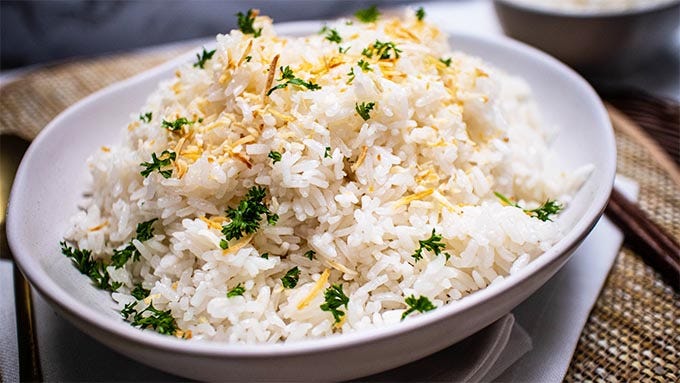
- Sprinkle toasted coconut flakes for extra crunch and aroma.
- Add chopped fresh cilantro or parsley for a fresh taste.
- Scatter sliced green onions to give a mild sharpness.
- Mix in roasted peanuts or cashews for a nutty flavor.
- Serve with lime wedges to add a zesty twist.
Choose garnishes that complement coconut rice and your main dish. Simple touches create a beautiful and inviting plate.
Variations And Tips
Exploring variations can make coconut rice more exciting and suit your taste. Simple tips help achieve the perfect texture and flavor every time. Small changes can turn basic coconut rice into a complete meal or a tasty side dish.
Adding Vegetables Or Proteins
Enhance your coconut rice by mixing in vegetables or proteins. Peas, carrots, or corn add color and crunch. You can stir in cooked chicken, shrimp, or tofu for extra nutrition. Add these ingredients after the rice cooker finishes cooking. Gently fold them into the rice to keep flavors fresh.
Adjusting Coconut Flavor
Control the coconut taste by changing coconut milk amounts. Use more coconut milk for a rich, creamy flavor. For a lighter taste, mix coconut milk with water. Add a pinch of salt to boost the natural sweetness. A little sugar or lime zest can also brighten the flavor.
Storing And Reheating
Store leftover coconut rice in an airtight container. Keep it in the fridge for up to four days. Reheat gently in the microwave or on the stove. Add a splash of water or coconut milk to keep it moist. Stir well before serving to restore the creamy texture.
Credit: joyful-dumplings.medium.com
Frequently Asked Questions
What Type Of Rice Is Best For Coconut Rice?
Long-grain or jasmine rice works best for coconut rice. These rice types absorb coconut milk well and remain fluffy. Avoid sticky or short-grain rice to keep the texture light and separate.
Can I Use Canned Coconut Milk In A Rice Cooker?
Yes, canned coconut milk is perfect for coconut rice. Use full-fat canned coconut milk for rich flavor and creamy texture. Shake the can well before measuring to mix the cream and liquid evenly.
How Much Coconut Milk Should I Add To Rice?
Use a 1:1 ratio of rice to coconut milk for cooking. For example, 1 cup of rice needs 1 cup of coconut milk. Add water if needed to reach the correct liquid level for your rice cooker.
Can I Add Spices To Coconut Rice In A Rice Cooker?
Absolutely, adding spices enhances flavor. Common spices include cardamom, cinnamon, and cloves. Add them before cooking so the rice absorbs the aroma and taste perfectly.
Conclusion
Coconut rice in a rice cooker is simple and tasty. You only need a few ingredients and a little time. The rice cooker does all the work for you. This dish pairs well with many meals. Try it for lunch or dinner.
It brings a sweet, creamy flavor to your plate. Anyone can make it, even beginners. Give it a try and enjoy a fresh, homemade taste. Cooking rice has never been easier or more delicious.