Looking for a quick and comforting meal that feels homemade but saves you time? You’re in the right place.
Making chicken soup with a rotisserie chicken is one of the easiest ways to enjoy a warm, tasty dish without starting from scratch. Whether you’re feeling under the weather or just want something cozy for dinner, this method lets you turn a ready-to-eat chicken into a rich, flavorful soup in no time.
Keep reading, and you’ll discover simple steps and tips to make a delicious chicken soup that feels like it’s been simmering all day—without the long wait. Your perfect bowl of comfort is just a few ingredients away.

Credit: www.spendwithpennies.com
Choosing The Right Rotisserie Chicken
Choosing the right rotisserie chicken is a key step to making a rich and flavorful chicken soup. The type of chicken you pick affects the taste, texture, and even the nutritional value of your soup. Knowing what to look for helps you avoid common pitfalls like dry meat or bland broth.
Fresh Vs. Store-bought Options
You might wonder if a freshly roasted chicken from a local butcher is better than the pre-packaged ones at the grocery store. Fresh rotisserie chickens often have more natural flavor and less sodium, which can make your soup taste cleaner and more homemade.
Store-bought options are convenient and usually less expensive. However, some contain preservatives or added spices that might overpower the natural chicken taste in your soup. Have you ever noticed your soup turning out too salty? That could be from the seasoning already on the chicken.
- Fresh chickens let you control the seasoning and salt levels.
- Store-bought chickens save time but check ingredient labels carefully.
- Consider your schedule and taste preference before deciding.
What To Look For In Quality
Quality matters when choosing your rotisserie chicken. Look for birds that are juicy, with skin that’s golden but not overly greasy. The meat should be tender, not dry or rubbery, as this affects how well it will break down into your soup.
Check the packaging date or ask when the chicken was cooked if you buy fresh. The fresher, the better for both flavor and food safety. Also, avoid chickens with excessive liquid pooling in the container—that can be a sign of poor handling or aging.
- Choose chickens with natural, simple seasoning.
- Make sure the chicken is still warm or just cooled to ensure freshness.
- Inspect the color: pale meat or skin can mean the chicken is old or not well cooked.
How do you usually pick your rotisserie chicken? Paying attention to these details can turn your chicken soup from ordinary to unforgettable.

Credit: nocrumbsleft.net
Essential Ingredients For Chicken Soup
Creating a delicious chicken soup starts with gathering the right ingredients. Each component adds flavor and nutrition. Using a rotisserie chicken makes the process easier and faster. Fresh ingredients bring out the best taste. Choose vegetables, herbs, broth, and seasonings carefully for a rich, comforting soup.
Vegetables And Herbs
Vegetables give the soup texture and color. Classic choices include:
- Carrots – add sweetness and crunch
- Celery – provides a fresh, mild flavor
- Onions – deepen the soup’s taste
- Garlic – adds a warm, aromatic touch
- Fresh herbs like parsley, thyme, or bay leaves – enhance aroma and flavor
Chop vegetables evenly to cook well. Fresh herbs work best, but dried can be used too.
Broth And Seasonings
A good broth is the base of any great soup. Use chicken broth or stock for a rich flavor. Low-sodium broth lets you control salt levels.
- Salt and pepper – essential for seasoning
- Bay leaves – add subtle depth
- Optional spices like a pinch of paprika or turmeric – for warmth and color
Simmer broth with herbs and seasonings to build flavor. Taste and adjust seasonings before serving.
Preparing The Chicken
Preparing the chicken is a key step to making a rich and comforting chicken soup with a rotisserie chicken. Taking your time here can really improve the texture and flavor of your soup. It’s not just about pulling meat off the bone; it’s about making sure every bite feels satisfying and well-prepared.
Deboning The Rotisserie Chicken
Start by separating the meat from the bones carefully. Use your fingers or a fork to pull the meat away gently, avoiding any bits of bone. The bones will add flavor if you simmer them in your broth later, so keep them handy.
Focus on removing skin only if you want a lighter soup. Sometimes, leaving some skin on adds richness, so consider your preference. Also, check the cavity for any leftover bits like cartilage or seasoning packets that might have been inside.
Shredding Vs. Chopping
Decide if you want shredded or chopped chicken for your soup. Shredded chicken has a stringy texture that spreads throughout the broth, making every spoonful hearty.
Chopped chicken offers bite-sized pieces that stand out more in the soup. Think about how you like the mouthfeel—do you want the chicken to blend in or to be a distinct part of each spoonful?
Try shredding some chicken and chopping some to see which you prefer. This small test can change how you enjoy your soup and how quickly it cooks with the vegetables and broth.
Building The Soup Base
Start by simmering water with onions, carrots, and celery to create a flavorful base. Add herbs and spices for extra taste. Using broth from the rotisserie chicken makes the soup richer and more savory.
Building the perfect soup base is essential for delicious chicken soup. With a rotisserie chicken, the process is quick and full of flavor. Start with fresh ingredients for the best taste. The base sets the foundation for your soup's depth and richness.
Sautéing Aromatics
Begin with a large pot on medium heat. Add a tablespoon of olive oil. Toss in chopped onions, carrots, and celery. These vegetables are classic soup starters. Stir them until they are soft and fragrant. This usually takes about 5 minutes. The aromatics create a flavorful base for your soup.
Adding Broth And Seasonings
Pour in chicken broth to cover the vegetables. Use low-sodium broth for better control of salt. Add shredded rotisserie chicken to the pot. Include bay leaves, thyme, and a pinch of salt. Freshly ground black pepper adds a nice kick. Let the soup simmer for 20 minutes. This allows flavors to meld perfectly. Remember to taste and adjust seasonings as needed. A well-balanced soup makes all the difference.
Combining Chicken And Vegetables
Combining chicken and vegetables is the heart of making a delicious chicken soup with rotisserie chicken. The choice and timing of adding vegetables can change the texture and flavor of your soup dramatically. Getting this right ensures every spoonful is rich, balanced, and satisfying.
Choosing The Right Vegetables
Start with classic soup vegetables that bring both flavor and nutrition. Carrots, celery, and onions are staples because they create a natural sweetness and depth. Adding garlic gives your soup a gentle kick, while potatoes or parsnips add body and creaminess.
Think about what you want your soup to taste like. If you want it lighter, go for green beans, peas, or zucchini. For earthier flavors, try mushrooms or kale. Your choices should complement the rotisserie chicken’s savory taste without overpowering it.
Cooking Times For Each Ingredient
Vegetables vary in how long they take to cook, so timing is key. Start with harder vegetables like carrots and celery, which need about 15 to 20 minutes to soften. Onions and garlic take less time and should be added early to release their flavors.
Leafy greens and peas cook quickly—add them in the last 5 minutes to keep their vibrant color and texture. If you’re using potatoes, give them about 15 minutes to become tender but not mushy. Paying attention to cooking times means your soup won’t have soggy vegetables or raw bites.
Finishing Touches
The finishing touches bring your chicken soup to life. This stage lets you customize the taste and texture. Small changes make a big difference in the final bowl.
Adjusting Flavor And Seasoning
Taste the soup first. Check if it needs salt, pepper, or herbs. Add a pinch of salt slowly, stirring well each time. Fresh herbs like parsley or thyme add brightness. A squeeze of lemon juice can lift the flavors. Avoid over-seasoning. It’s easy to add more but hard to fix too much.
Adding Noodles Or Rice
Choose small noodles or rice for a hearty soup. Cook them separately to keep the texture right. Add the cooked noodles or rice just before serving. This stops them from getting mushy. Stir gently to mix well. Noodles and rice make the soup more filling and comforting.
Tips For Serving And Storing
Knowing how to serve and store your chicken soup made with rotisserie chicken can make a big difference in your dining experience. The right serving ideas can elevate a simple meal into something memorable. Plus, proper storage keeps your soup tasting fresh and safe for later.
Best Serving Suggestions
Chicken soup is comforting on its own, but you can add extra touches to make it special. Try topping your bowl with freshly chopped herbs like parsley or cilantro for a pop of color and flavor. A squeeze of lemon juice brightens the soup and adds a refreshing twist.
Consider serving the soup with crusty bread or warm dinner rolls to soak up every last drop. If you want a bit of texture, sprinkle some toasted nuts or seeds on top. Have you ever tried adding a spoonful of sour cream or Greek yogurt? It creates a creamy contrast that many find irresistible.
Storage And Reheating Tips
Storing your chicken soup properly helps keep the flavors intact and prevents spoilage. Use airtight containers and cool the soup to room temperature before refrigerating. This helps avoid condensation, which can water down the flavors.
When reheating, warm the soup gently over medium heat rather than using high heat. Stir occasionally to heat evenly and prevent burning. If your soup thickens too much after refrigeration, add a splash of water or broth to loosen it up.
Have you noticed how some soups taste better the next day? That’s because the flavors have more time to blend. So, don’t hesitate to make extra and enjoy it later!
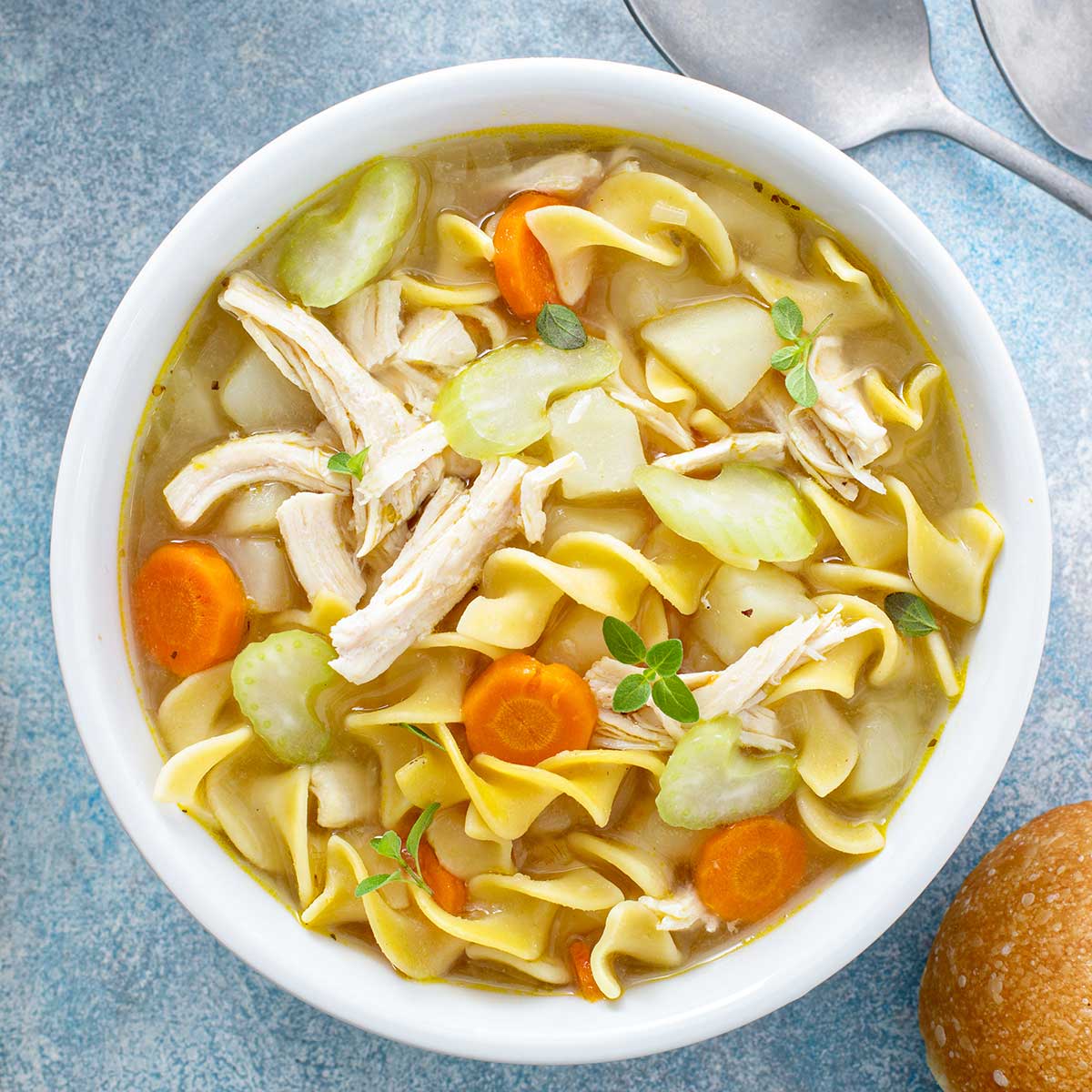
Credit: www.laurafuentes.com
Frequently Asked Questions
How Do I Use Rotisserie Chicken For Soup?
Shred the rotisserie chicken meat and bones. Simmer bones for broth, add vegetables and shredded chicken. Cook until flavors meld.
Can I Make Chicken Soup Without Bones?
Yes, use rotisserie chicken meat and store-bought broth. Add vegetables and seasonings. Simmer until heated through and flavors blend.
What Vegetables Work Best In Chicken Soup?
Carrots, celery, onions, and garlic are classic. Add potatoes, peas, or corn for extra flavor and texture.
How Long Should Chicken Soup Simmer?
Simmer soup for 20-30 minutes after adding chicken and vegetables. This time allows flavors to develop fully.
Conclusion
Making chicken soup with rotisserie chicken saves time and tastes great. You get rich flavor without long cooking hours. Just add vegetables, broth, and your favorite spices. This simple recipe works well for any day. Perfect for cold nights or when feeling sick.
Try it once, and it will become a regular meal. Easy, fast, and comforting—what more could you want? Enjoy your warm bowl of homemade chicken soup today.