If you’ve ever wondered how to get the most out of your rotisserie chicken, making homemade chicken broth is a simple and rewarding way to do it. Imagine turning those leftover bones and bits into a rich, flavorful broth that can boost your soups, stews, and recipes.
You don’t need special skills or ingredients—just a little time and a few easy steps. Keep reading, and you’ll discover how to transform your rotisserie chicken scraps into a delicious broth that adds warmth and depth to your meals.
Choosing The Right Rotisserie Chicken
Choosing the right rotisserie chicken is key for making rich, flavorful broth. The quality and type of chicken affect the taste of the broth. Selecting the best chicken ensures a delicious and nutritious base for your soups and recipes.
Check The Freshness Of The Chicken
Fresh chicken gives a cleaner and better-tasting broth. Avoid chickens that look dry or have a strange smell. The fresher the chicken, the richer the broth will be.
Pick A Whole Rotisserie Chicken
Whole chickens have bones, skin, and meat that add depth to the broth. Avoid pre-sliced or boneless options. Bones and skin release collagen and flavor during cooking.
Consider Organic Or Free-range Options
Organic or free-range chickens often taste better and are healthier. They may have fewer additives or preservatives. This choice can improve the broth's natural flavor.
Avoid Chickens With Added Sauces Or Seasonings
Chickens with heavy sauces can make the broth salty or strange-tasting. Plain rotisserie chickens without extra spices work best. This keeps the broth clean and versatile.
Look For Chickens With Enough Meat Left
Choose a chicken with some meat remaining after eating. More meat means more flavor in the broth. It also gives you leftovers for other meals.
Gathering Ingredients And Tools
Before you dive into making rich, flavorful chicken broth from your leftover rotisserie chicken, it’s crucial to gather the right ingredients and tools. Having everything prepared beforehand makes the process smooth and enjoyable. Plus, it ensures you extract the best taste and nutrition from every bit of that chicken.
Ingredients You’ll Need
- Rotisserie Chicken Bones and Carcass:Use the leftover bones, skin, and any scraps. They hold the deep flavor you want in your broth.
- Vegetables:Common choices include onions, carrots, celery, and garlic. These add natural sweetness and depth.
- Herbs and Spices:Fresh parsley, thyme, bay leaves, and peppercorns work well. You can adjust based on your taste preferences.
- Water:Enough to cover the ingredients comfortably in your pot.
- Optional Additions:A splash of apple cider vinegar can help extract minerals from the bones.
Essential Tools For Making Broth
- Large Stockpot or Slow Cooker:Choose a pot big enough to hold all your ingredients with room to simmer.
- Fine Mesh Strainer or Cheesecloth:These help you separate the broth from solids for a clear, clean liquid.
- Ladle:Useful for skimming impurities off the surface during cooking.
- Storage Containers:Glass jars or BPA-free plastic containers for storing your broth in the fridge or freezer.
Why Preparation Matters
Have you ever started cooking only to realize you’re missing a key ingredient or tool? It slows you down and can affect the outcome. Taking a few minutes to gather everything makes the process stress-free and lets you focus on creating a broth that’s both delicious and nutritious.
Think about how you can customize your broth by choosing different vegetables or herbs. What flavors do you want to highlight? Preparing thoughtfully helps you make a broth that suits your cooking style and taste perfectly.
Preparing The Chicken For Broth
Remove leftover meat and skin from the rotisserie chicken to use in the broth. Break the bones into smaller pieces for better flavor extraction. Rinse the chicken parts lightly to remove excess salt or seasoning before cooking.
Preparing the chicken for broth is a crucial step in transforming a humble rotisserie chicken into a flavorful, nourishing liquid. The magic lies in extracting every bit of essence from the chicken. This process not only maximizes flavor but also ensures you’re getting the most out of your purchase.
Remove The Meat
Start by carefully removing the meat from the bones. Use your fingers or a fork to shred the meat, making it easier to store for later use. Keep the meat aside for soups, sandwiches, or salads.
Separate The Bones
Gather all the bones, including any cartilage and skin. These elements are essential for a rich broth, as they release collagen and deepen the flavor. Place the bones in a large pot, ready to be simmered.
Include Aromatics
Add aromatic vegetables like onions, carrots, and celery to the pot. These will infuse the broth with a subtle sweetness and complexity. Don’t hesitate to throw in garlic or herbs like thyme and bay leaves for extra aroma.
Check For Seasonings
Consider any seasonings already on the rotisserie chicken. If the chicken was heavily seasoned, you might want to adjust the additional spices accordingly. A simple salt and pepper seasoning is often enough to enhance the natural flavors.
Decide On The Cooking Time
Think about how much time you have. A longer simmer, about 4-6 hours, will yield a deeply flavored broth. However, even a quick 1-2 hour simmer can produce a delicious base for soups and sauces. Do you have any special ingredients you like to add to your broth? Share your secret additions and elevate your cooking to new heights!
Selecting Vegetables And Aromatics
Choosing the right vegetables and aromatics shapes the broth’s flavor. These ingredients bring richness and depth. They balance the chicken’s natural taste. Simple, fresh choices work best. Avoid overpowering spices or herbs.
Use a mix of sweet, earthy, and savory flavors. Vegetables soften and release natural sugars during cooking. Aromatics add fragrance and complexity. Together, they create a broth that feels warm and comforting.
Common Vegetables For Chicken Broth
- Carrots – add sweetness and color
- Celery – gives a mild, fresh taste
- Onions – provide a rich, savory base
- Garlic – adds a gentle, aromatic punch
- Leeks – offer a subtle onion flavor
Essential Aromatics To Enhance Flavor
- Bay leaves – bring a subtle herbal note
- Black peppercorns – add mild heat and depth
- Thyme – offers a gentle earthiness
- Parsley stems – give fresh, green hints
- Rosemary – use sparingly for piney aroma
Tips For Preparing Vegetables And Aromatics
- Wash all vegetables well to remove dirt
- Cut vegetables into large chunks for easy removal
- Peel onions and garlic to avoid bitterness
- Bruise herbs lightly to release oils
- Avoid strong herbs like basil or oregano that overpower
Simmering The Broth
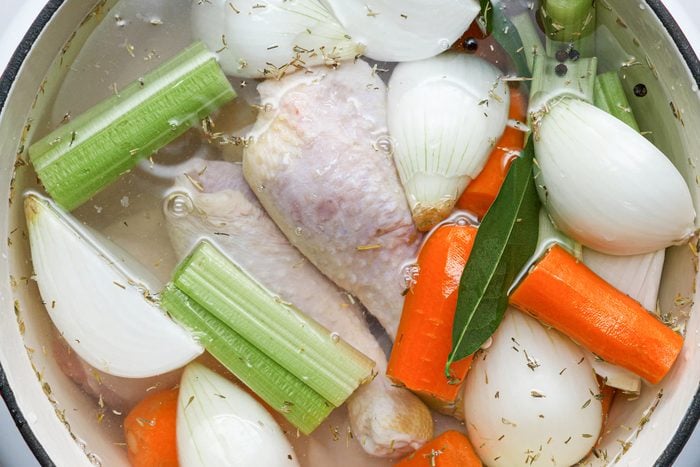
Simmering the broth is a crucial stage in making chicken broth from a rotisserie chicken. This process extracts all the flavors and nutrients from the bones and vegetables. Maintaining the right temperature and timing helps create a rich, tasty broth without bitterness or cloudiness.
Setting The Temperature
Start by bringing the pot to a boil. Then lower the heat immediately to a gentle simmer. The surface should show small bubbles rising slowly. Avoid boiling, as it breaks down flavors and makes the broth cloudy. Keep the temperature steady to allow slow extraction of flavors.
Timing For Rich Flavor
Simmer the broth for at least 1.5 to 2 hours. This time allows the collagen and minerals to release from the bones. For even richer broth, simmer up to 4 hours. Check occasionally and skim any foam or fat that rises to the top. Longer simmering results in deeper taste and better nutrition.

Credit: nocrumbsleft.net
Straining And Cooling The Broth
Straining and cooling the broth is a key step to get clear and tasty chicken broth. This process removes solid bits and helps the broth settle, making it ready for storage or use.
Straining The Broth
Place a fine mesh strainer over a large bowl or pot. Pour the broth slowly through the strainer. Use a spoon to press down on the solids gently. This helps extract more flavor.
Discard the leftover solids or compost them. For an extra clear broth, strain again through cheesecloth. This removes tiny particles and fat.
Cooling The Broth Safely
Cool the broth quickly to keep it safe from bacteria. Pour the strained broth into shallow containers. This allows it to cool faster.
Place the containers in the fridge uncovered. Leave space for air to circulate around them. Once cool, cover the containers tightly to keep the broth fresh.
Removing Fat From The Broth
After chilling, a layer of fat will form on top. Use a spoon to scoop the fat off gently. Removing fat makes the broth lighter and healthier.
You can save the fat for cooking later. It adds rich flavor to soups and stews.
Storing And Using The Broth
After you’ve made your chicken broth from a rotisserie chicken, knowing how to store and use it can save you time and enhance your meals. Proper storage keeps the broth fresh and flavorful, ready whenever you need it. Let’s look at practical ways to keep your broth safe and tasty.
Refrigeration Tips
Store your broth in a clean, airtight container to keep it fresh in the fridge. It will last about 3 to 4 days when refrigerated properly. To avoid spills, leave some space at the top of the container, as liquids expand slightly when cooled.
Use a glass jar or BPA-free plastic container to prevent any unwanted flavors from seeping in. Label the container with the date you made the broth so you don’t lose track of its freshness. Have you ever found a forgotten broth at the back of the fridge? This simple step can save you from that.
Freezing For Later Use
Freezing your broth is a great way to keep it for months without losing taste. Use freezer-safe containers or heavy-duty zip-top bags. If you use bags, lay them flat to freeze; this makes stacking easier and saves freezer space.
Portion the broth into small amounts before freezing—about one to two cups—so you only thaw what you need. Ice cube trays also work well for freezing small, easy-to-use portions. This way, you can pop out a cube to add flavor to sauces or soups quickly.
When you’re ready to use frozen broth, thaw it overnight in the fridge or warm it gently on the stove. Have you tried freezing broth in muffin tins? It’s a surprising space saver and keeps your kitchen organized.
Credit: www.tasteofhome.com
Enhancing Broth With Herbs And Spices
Adding herbs and spices to your chicken broth can completely change its flavor profile. They bring depth and freshness that make the broth far more enjoyable. You don’t need many ingredients to make a big impact—just a few thoughtful additions.
Choosing The Right Herbs For Your Broth
Fresh herbs like parsley, thyme, and rosemary work beautifully in chicken broth. Thyme adds a subtle earthiness, while parsley brings a bright, clean note. Rosemary is stronger, so use it sparingly to avoid overpowering the broth.
Dried herbs are fine too, especially if you don’t have fresh ones on hand. Just remember dried herbs are more concentrated, so use about one-third the amount of fresh.
Spices That Elevate The Flavor
Whole spices such as peppercorns, bay leaves, and cloves add warmth and complexity. I always toss in a few black peppercorns and a couple of bay leaves. They release their flavor slowly during simmering and balance the broth’s richness.
A small pinch of ground spices like nutmeg or paprika can add unexpected depth. Have you tried adding a cinnamon stick? It adds a subtle sweetness that complements the chicken beautifully.
How To Add Herbs And Spices For Maximum Flavor
Start by tying fresh herbs together in a bundle (a bouquet garni) so you can remove them easily later. Add whole spices directly to the pot or use a spice bag to keep things tidy. Adding spices and herbs early in the cooking process gives them time to infuse the broth.
Be cautious about adding salt right away; herbs and spices can change the seasoning balance. Taste your broth towards the end and adjust seasoning as needed to get the perfect flavor.
Common Mistakes To Avoid
Overcooking the broth can make it bitter and cloudy. Avoid using too much salt early; adjust seasoning at the end. Skipping the straining step leaves unwanted bits in the broth.
Making chicken broth from a rotisserie chicken can be a simple and rewarding process. However, certain pitfalls can lead to bland or oily broth. Here are some common mistakes you should watch out for to ensure your broth is flavorful and perfectly balanced.
Not Removing The Skin
One frequent mistake is leaving the skin on the chicken. While the skin adds some flavor, it can also make your broth greasy. Removing it before simmering helps keep the broth clear and less oily.
Overcooking The Broth
Simmering the broth for too long can result in a bitter taste. Aim for a simmering time of about 1 to 2 hours. This timeframe extracts enough flavor without compromising the taste.
Skipping The Vegetables
Neglecting to add vegetables is a missed opportunity for depth of flavor. Even simple additions like onions, carrots, and celery can transform your broth. They enhance the taste and add natural sweetness.
Not Straining Properly
Failing to strain the broth can leave you with an unappealing texture. Use a fine-mesh strainer to remove bones and vegetables. This step ensures a smooth and refined broth.
Ignoring Seasoning
Some assume the rotisserie chicken's seasoning is enough, but it often isn't. Always taste your broth and adjust with salt and pepper. A little seasoning can turn a good broth into a great one.
Using Cold Water
Starting with cold water can hinder flavor extraction. Use warm water to kickstart the process. This small adjustment can make a big difference in flavor. Have you ever wondered why your homemade chicken broth doesn't taste quite right? By avoiding these common mistakes, you can ensure your broth is not just good, but exceptional.

Credit: food52.com
Frequently Asked Questions
How Long Does It Take To Make Broth From Rotisserie Chicken?
Making broth from a rotisserie chicken typically takes 1. 5 to 2 hours. Simmer the carcass with vegetables and herbs. This slow cooking extracts rich flavors and nutrients. It results in a delicious, homemade chicken broth perfect for soups and recipes.
Can I Use Leftover Rotisserie Chicken Bones For Broth?
Yes, leftover rotisserie chicken bones are ideal for broth. They contain collagen and flavor that enrich the broth. Use the carcass, skin, and any leftover bits. Simmer with water, vegetables, and spices to create a nutritious and tasty broth.
What Ingredients Enhance Rotisserie Chicken Broth Flavor?
Adding onions, carrots, celery, garlic, and herbs enhances broth flavor. Fresh thyme, bay leaves, and peppercorns work well. These ingredients complement the chicken's natural taste. They create a well-rounded, aromatic broth for various dishes.
How Do I Store Homemade Rotisserie Chicken Broth?
Store homemade broth in airtight containers in the refrigerator. It stays fresh for up to 4 days. For longer storage, freeze broth in portions for 3 to 4 months. Label containers with date for easy use later.
Conclusion
Making chicken broth from a rotisserie chicken is simple and rewarding. Use leftover bones and vegetables for rich flavor. Simmer slowly to get the best taste. This broth adds warmth to many dishes. Save money and reduce waste at the same time.
Keep broth in the fridge or freeze for later. Try it in soups, stews, or sauces. Enjoy the comfort of homemade broth anytime. A small effort brings great results. Why buy broth when you can make fresh at home?