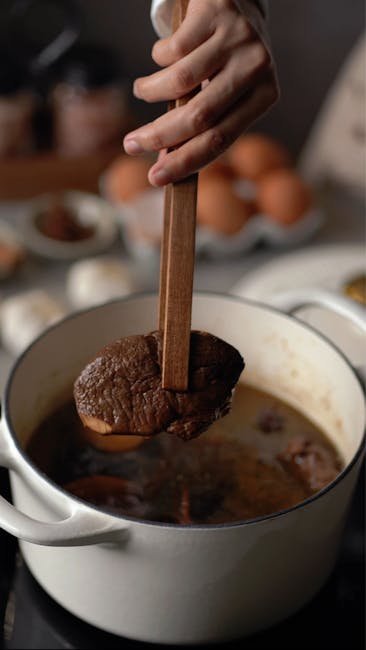
If you want a simple way to boost your health and add rich flavor to your meals, making chicken bone broth in a slow cooker is the answer. You don’t need to be a chef or spend hours in the kitchen.
With just a few ingredients and your slow cooker, you can create a nourishing broth packed with nutrients. Imagine sipping warm, homemade broth that supports your joints, digestion, and immune system—all made effortlessly while you go about your day. Keep reading, and you’ll discover easy steps to make this powerful broth at home.

Credit: fitslowcookerqueen.com
Benefits Of Chicken Bone Broth
Chicken bone broth offers more than just rich flavor. It is a nourishing liquid packed with essential nutrients. This broth supports overall health and enhances many dishes in the kitchen. Understanding its benefits helps appreciate why it is a staple in many homes.
Nutritional Value
Chicken bone broth is full of vitamins and minerals. It contains calcium, magnesium, and phosphorus, which support strong bones. Collagen and gelatin are present, aiding joint and skin health. Amino acids like glycine and proline help build protein in the body. These nutrients come from slow-cooked bones and connective tissues.
Health Advantages
This broth helps improve digestion by healing the gut lining. It supports the immune system with minerals and antioxidants. Drinking broth can reduce inflammation and ease joint pain. The collagen boosts skin elasticity and hydration. Warm broth also soothes sore throats and helps with hydration.
Uses In Cooking
Chicken bone broth enhances many recipes with deep flavor. Use it as a base for soups, stews, and sauces. It can replace water or stock in rice and grain dishes. Add it to sautéed vegetables for extra richness. Store broth in the fridge or freezer for quick meal boosts.
Choosing Ingredients
Choosing the right ingredients sets the foundation for a rich and tasty chicken bone broth. Fresh, quality items bring out the best flavors and nutrients. Focus on the bones, vegetables, herbs, and extra flavorings that suit your taste and needs.
Selecting The Right Bones
Use bones from organic or free-range chickens if possible. They offer better flavor and more nutrients. Mix different bones for depth:
- Neck bones
- Back bones
- Wing tips
- Feet (great for gelatin)
Roasting the bones before cooking adds richness and color. Avoid using too many fatty parts to keep broth clear.
Adding Vegetables And Herbs
Vegetables add sweetness and complexity. Classic choices include:
- Carrots
- Celery
- Onions
- Garlic
Fresh herbs brighten the broth. Try:
- Parsley
- Thyme
- Bay leaves
Chop vegetables roughly. No need to peel them. They will simmer for hours and soften.
Optional Flavor Enhancers
Add subtle tastes with simple extras. Consider these options:
- Apple cider vinegar to extract minerals
- Black peppercorns for mild spice
- Ginger for warmth and zing
- Turmeric for color and health benefits
Use these sparingly to avoid overpowering the broth’s natural taste.
Preparing Bones And Ingredients
Preparing your bones and ingredients carefully is the foundation for a rich and flavorful chicken bone broth. Each step, from roasting the bones to chopping the vegetables, adds layers of taste and nutrition. Taking the time here will save you from bland or weak broth later.
Roasting Bones For Flavor
Roasting the bones before adding them to the slow cooker is a game-changer. It brings out deep, savory notes and adds a beautiful color to your broth. Simply spread the bones on a baking sheet, drizzle with a little oil, and roast at 400°F (200°C) for about 30-40 minutes until they turn golden brown.
Don’t rush this step—roasting creates a richer, more complex flavor. Have you ever noticed how roasted meat tastes different from boiled? That’s the magic you’re adding to your broth.
Chopping Vegetables
Vegetables add sweetness and depth to your broth. Use hearty options like carrots, celery, and onions. Chop them into large chunks to avoid breaking down completely during the long cooking time, which helps keep the broth clear.
There’s no need to peel the vegetables unless they’re dirty or bruised. The skins add extra nutrients and flavor. Do you usually toss vegetable scraps? Save them for your broth—they’re perfect for boosting taste.
Organizing Ingredients For Slow Cooker
Organizing your ingredients before you start cooking saves time and keeps the process smooth. Place the roasted bones at the bottom of the slow cooker, then layer your vegetables on top. Add herbs like bay leaves, peppercorns, and garlic for an extra kick.
Fill the slow cooker with cold water until everything is covered by at least an inch. Don’t forget to leave some space to prevent overflow. How do you keep your cooking area tidy and efficient? Preparing ingredients this way can make slow cooking more enjoyable and less messy.
Slow Cooker Setup
Setting up your slow cooker correctly is key to making rich, flavorful chicken bone broth. The way you layer your ingredients, add water and seasonings, and set the cooking time and temperature will directly affect the broth’s taste and clarity. Let’s break down each part to help you get the best results every time.
Layering Ingredients
Start by placing the chicken bones at the bottom of the slow cooker. You want them to be evenly spread out so the flavors can infuse the broth fully. Adding tougher vegetables like carrots and celery next creates a solid base that extracts more flavor.
Don’t forget aromatics like garlic and onion—they add depth without overpowering. Placing herbs like thyme or parsley on top helps keep their flavors fresh and vibrant during the long cooking process.
Adding Water And Seasonings
Pour cold water over the ingredients until they are just covered. Too much water dilutes the broth, while too little can lead to burning or uneven cooking. Aim for about an inch of water above the bones and veggies.
Season lightly with salt at this stage; you can always adjust at the end. Adding a splash of apple cider vinegar helps break down the bones and release nutrients. You might be surprised how this simple addition changes the broth’s richness.
Setting Cooking Time And Temperature
Set your slow cooker to low heat for the longest cooking time—anywhere from 12 to 24 hours works best. The low, slow simmer extracts the maximum flavor and nutrients without clouding the broth. Avoid using high heat, which can make the broth bitter or cloudy.
If you’re short on time, a minimum of 8 hours can still yield a decent broth, but patience truly pays off here. Have you ever noticed how the aroma fills your kitchen after several hours? That’s a sign your broth is developing beautifully.
Cooking Process Tips
Cooking chicken bone broth in a slow cooker is simple but needs some care. Following the right tips improves the broth’s flavor and nutrition. These tips help you get the best results every time.
Maximizing Nutrient Extraction
Use bones with joints and cartilage for more nutrients. Roasting bones before cooking adds depth to flavor. Add a splash of vinegar to help release minerals. Keep the slow cooker on low heat for 12 to 24 hours. This long, slow cooking breaks down the bones well. Include vegetables like carrots and celery to boost vitamins.
Avoiding Common Mistakes
Do not use too much water; it dilutes the broth. Avoid boiling at high heat; it can make broth cloudy. Skim off foam and impurities that rise to the top. Use filtered water to keep the taste clean. Do not add salt during cooking; season after broth cools.
Monitoring The Broth
Check the broth every few hours for foam and fat. Remove foam with a spoon to keep broth clear. Stir gently to mix flavors but avoid breaking bones. Taste the broth near the end to check flavor. Cool broth quickly after cooking to keep it fresh.

Credit: www.youtube.com
Straining And Storing Broth
Strain the broth through a fine mesh sieve to remove solids. Store in airtight containers in the fridge. Use within a week or freeze for longer storage.
Straining and storing your chicken bone broth are vital steps in preserving its rich flavors and health benefits. After patiently waiting for your slow cooker to transform simple ingredients into a nourishing elixir, you want to ensure you keep its goodness intact. Let’s delve into the process of straining and storing to make sure your broth stays fresh and delicious.
Removing Solids
Once your broth has simmered for hours, it's time to separate the liquid from the solids. Use a fine-mesh strainer or a cheesecloth-lined colander to do this efficiently. This removes all the bits of chicken, bones, and vegetables, leaving you with a clear, golden broth. Be careful when handling the hot liquid to avoid burns. You might find it helpful to strain the broth in batches if you have a large quantity.
Cooling And Refrigerating
After straining, allow your broth to cool at room temperature for a short period. Speed up the process by placing the container in an ice bath if you're in a hurry. Once cooled, transfer the broth into airtight containers, leaving some space at the top. This prevents any spills as the liquid expands. Store it in the refrigerator for up to five days.
Freezing For Later Use
Want to keep your broth longer? Freezing is the way to go. Pour the broth into freezer-safe containers or ice cube trays for easy portioning. Label each container with the date so you can keep track of its freshness. This way, you’ll always have a rich broth ready to enhance your recipes, whether for a quick soup or a savory sauce.
Using And Enhancing Bone Broth
Bone broth is a versatile ingredient with many uses and health benefits. It adds rich flavor and nutrients to meals. Enhancing bone broth can make it even more enjoyable and nourishing. Small changes can boost taste and variety.
In Soups And Stews
Bone broth is a perfect base for soups and stews. It adds depth and richness to simple recipes. Use it instead of water or stock for better flavor. It blends well with vegetables, meats, and grains. Simmering bones for hours creates a hearty broth that enhances every dish.
As A Healthy Drink
Warm bone broth is a comforting, healthy drink. Sip it plain or with a pinch of salt. It supports digestion and joint health. Drinking bone broth daily can improve skin and gut health. Keep a jar in the fridge for easy access. Reheat gently to keep nutrients intact.
Adding Flavors Before Serving
Enhance bone broth by adding fresh herbs like parsley or thyme. A squeeze of lemon brightens the taste. Add garlic or ginger for warmth and spice. Sprinkle black pepper or chili flakes for a kick. These simple additions make every cup flavorful and exciting.

Credit: leelalicious.com
Frequently Asked Questions
How Long Does Chicken Bone Broth Take In A Slow Cooker?
Chicken bone broth typically takes 12 to 24 hours in a slow cooker. Longer cooking extracts more nutrients and flavor from the bones. For best results, simmer on low heat for at least 18 hours.
What Ingredients Enhance Chicken Bone Broth Flavor?
Add vegetables like carrots, celery, onions, garlic, and herbs such as thyme and bay leaves. These ingredients boost broth flavor and nutritional value. Salt can be added after cooking to control seasoning.
Can I Use Leftover Chicken Bones For Broth?
Yes, leftover chicken bones are perfect for making broth. Use bones from roasted or raw chicken for a rich flavor. Remove excess meat and skin for a clearer broth.
Is Slow Cooker Bone Broth Healthy To Drink Daily?
Yes, homemade bone broth is nutrient-rich and supports gut health. It contains collagen, amino acids, and minerals beneficial for joints and digestion. Drink daily in moderation for best results.
Conclusion
Making chicken bone broth in a slow cooker is simple and rewarding. You only need basic ingredients and patience. The slow cooker does most of the work for you. This broth is healthy, tasty, and great for many recipes. Use it in soups, sauces, or enjoy it on its own.
Try different herbs and vegetables to change the flavor. Store leftovers in the fridge or freezer for later use. Start your slow cooker broth today and enjoy the comfort it brings. Warm, nourishing, and easy—just how homemade broth should be.