If you’ve ever struggled to get perfect rice every time, you’re not alone. Calrose rice is a favorite for its soft, slightly sticky texture, but cooking it just right can be tricky.
What if you could make fluffy, delicious Calrose rice effortlessly, using your rice cooker? In this guide, you’ll discover simple steps that turn your rice cooker into a magic tool for perfect rice. Keep reading, and you’ll never worry about mushy or dry rice again.
Your meals are about to get a whole lot better.
Choosing Calrose Rice
Choosing the right Calrose rice is essential before you even turn on your rice cooker. The quality of rice directly affects the texture, taste, and overall outcome of your dish. Knowing what sets Calrose apart and where to find the best quality can make your cooking experience much more enjoyable.
What Makes Calrose Unique
Calrose rice is a medium-grain variety originally developed in California. Its grains are softer and stickier than long-grain rice, making it ideal for dishes that need a slightly creamy texture.
You might notice the grains clump together but still hold their shape well. This balance is perfect for recipes like sushi, rice bowls, or even simple steamed rice.
Unlike basmati or jasmine, Calrose absorbs flavors better, so your seasonings and sauces will shine through. Have you ever wondered why some rice feels dry while others taste moist and tender? Calrose’s unique starch content is the answer.
Where To Buy Quality Calrose
Finding authentic, high-quality Calrose rice can be a bit tricky. Look for brands that clearly label their rice as “Calrose” and check the packaging date to ensure freshness.
Asian grocery stores often carry excellent Calrose rice options. You can also find reputable brands online with detailed customer reviews to guide you.
- Check for USDA certification or any quality marks.
- Avoid rice that looks broken or too dusty in the bag.
- Consider buying in smaller quantities if you’re trying it for the first time.
Have you ever bought rice that didn’t cook as expected? Choosing quality Calrose makes a big difference and saves you from that frustration.
Preparing Rice For Cooking
Preparing Calrose rice properly sets the stage for perfect cooking in a rice cooker. It influences texture, taste, and fluffiness. Careful preparation ensures each grain cooks evenly and absorbs water well.
Start with clean, measured rice. Then rinse it to remove excess starch. This process helps avoid clumping and creates light, fluffy rice.
Measuring The Rice Correctly
Use a standard measuring cup for accuracy. One cup of uncooked Calrose rice generally serves two people. Avoid guessing the amount. Too much or too little rice affects cooking results.
Measure rice in a dry container before rinsing. Keep water measurement balanced with rice volume. This balance is essential for the right texture.
Rinsing Techniques For Fluffiness
Rinse rice under cold water. Use a fine-mesh strainer or bowl. Gently swirl rice with your hand to release starch.
Repeat rinsing until water runs clear. Usually, 3 to 4 rinses work well. Avoid rushing this step. Clear water means less starch, less stickiness.
Drain rice well after rinsing. Excess water can change cooking times. Proper rinsing leads to soft, separate grains after cooking.
Water To Rice Ratio
The water to rice ratio is the key to cooking perfect Calrose rice in your rice cooker. It controls the texture, fluffiness, and how well the grains separate once cooked. Understanding this ratio helps you avoid mushy or undercooked rice, making every meal better.
Finding The Perfect Balance
Calrose rice typically requires a 1:1.25 ratio—one cup of rice to 1.25 cups of water. This slight increase in water compared to other rice types ensures the grains cook evenly and stay tender without becoming sticky.
Try measuring your water carefully using a standard measuring cup. Even small variations can change the texture significantly. I once added too much water and ended up with a porridge-like consistency, which reminded me how precise you need to be.
Adjusting For Texture Preferences
Do you prefer your rice firmer or softer? Adjust the water slightly to match your taste. Use less water (around 1 cup per 1 cup of rice) for firmer grains. Add a bit more (up to 1.5 cups per cup of rice) if you like softer, stickier rice.
Keep notes of your adjustments each time you cook. This way, you build a personalized water-to-rice ratio that suits your meals perfectly. What’s your ideal rice texture, and how might changing water amount help you get there?
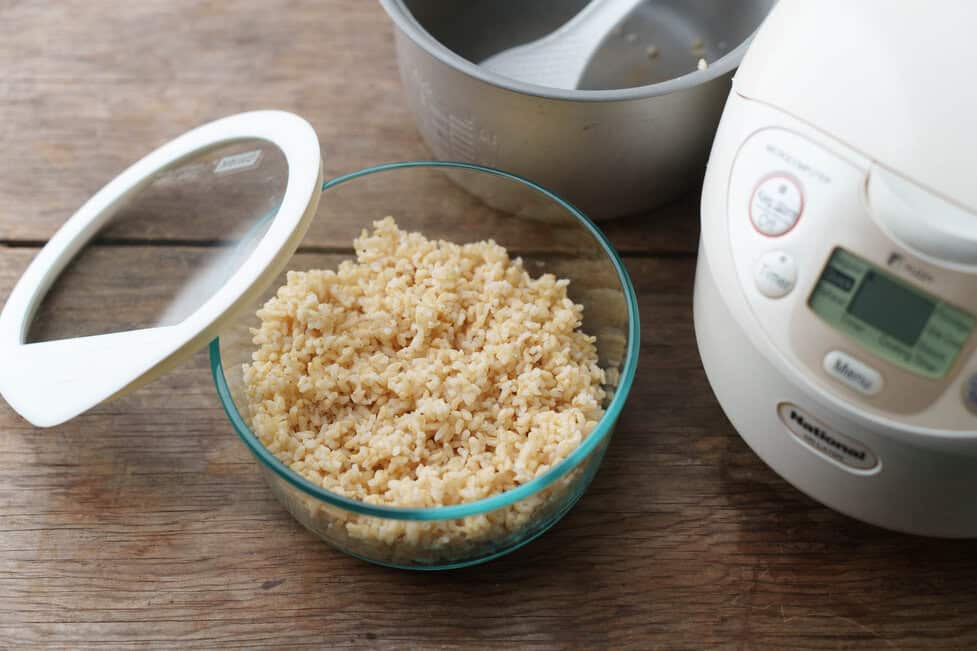
Credit: www.hungryhuy.com
Using The Rice Cooker
Using a rice cooker to prepare Calrose rice simplifies the cooking process and guarantees consistent results. This tool takes most of the guesswork out of cooking rice, letting you focus on other parts of your meal. Getting familiar with your rice cooker’s settings and setup can make a big difference in the texture and flavor of your rice.
Setting Up The Cooker
Start by rinsing your Calrose rice thoroughly under cold water until the water runs clear. This step removes excess starch and prevents the rice from becoming too sticky.
Next, measure the rice and water carefully. Calrose rice typically requires a 1:1.25 rice-to-water ratio, but this can vary slightly depending on your rice cooker model.
Place the rinsed rice and measured water into the cooker’s inner pot. Make sure the pot is clean and dry before adding ingredients to avoid any unwanted flavors.
Secure the lid properly and plug in the cooker. Ensuring the lid is locked tight helps the rice cook evenly without losing steam.
Choosing The Right Cooking Mode
Your rice cooker may have several cooking modes such as “White Rice,” “Brown Rice,” or “Quick Cook.” Choosing the correct setting for Calrose rice impacts the final texture.
Opt for the “White Rice” mode if available, as it is designed for medium-grain rice like Calrose. This setting balances cooking time and temperature to produce fluffy, separate grains.
If your cooker lacks a specific mode, a regular or standard cooking cycle will work fine. Avoid using “Quick Cook” if you want the best texture, as it may undercook the rice or make it mushy.
Have you noticed how different rice cookers affect the rice texture? Experimenting with modes on your own cooker can reveal surprising differences and help you find your perfect setting.
Post-cooking Tips
Fluff the cooked Calrose rice gently with a fork to separate the grains. Let it sit for a few minutes before serving to enhance its texture and flavor.
After your Calrose rice has cooked to fluffy perfection in your rice cooker, what you do next is crucial to achieving the best texture and flavor. It's not just about hitting the cook button and walking away. These post-cooking tips will ensure your rice is restaurant-quality every time.
Letting Rice Rest
Once your rice cooker beeps, resist the urge to open the lid immediately. Allow the rice to rest for about 10 minutes with the lid closed. This resting period lets the steam distribute evenly, ensuring each grain is perfectly cooked. During this time, the rice absorbs any excess moisture, preventing it from becoming too sticky. It's a small step that makes a big difference in texture. Letting the rice rest also enhances the flavor, as it allows the subtle notes to mature. This is a tip often overlooked, but it's one that can elevate your entire meal experience.
Fluffing The Rice Properly
When it's time to fluff the rice, use a fork instead of a spoon. This helps separate the grains without mashing them together. Gently fluffing also prevents the rice from clumping. Think about the times you've had perfectly fluffy rice at your favorite restaurant. The secret is in this delicate fluffing action, which creates an airy texture. If you want to add a bit of seasoning, now is the time. Sprinkle some salt, or mix in a splash of soy sauce. Experiment with herbs or spices that complement your dish. How do you usually fluff your rice? Have you noticed a difference when you take the time to do it gently? Making these small adjustments can transform your homemade rice into something truly special.
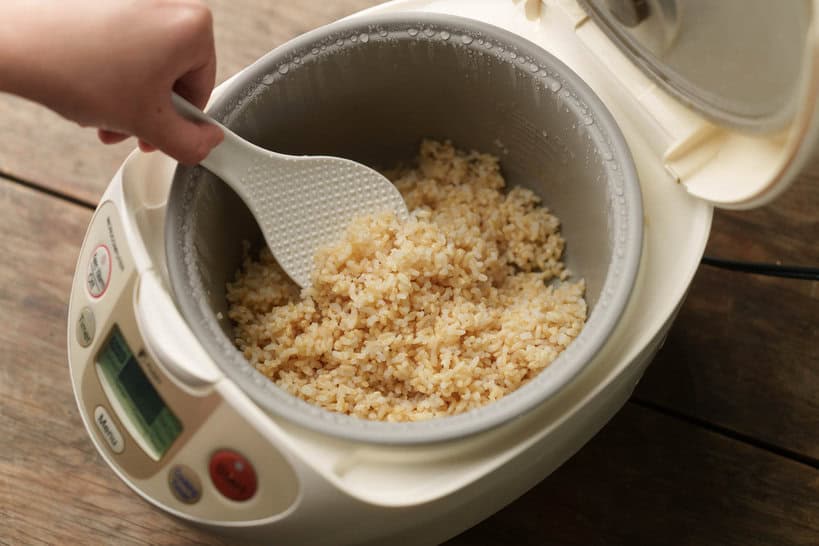
Credit: www.hungryhuy.com
Troubleshooting Common Issues
Cooking Calrose rice in a rice cooker is usually straightforward, but sometimes things don’t turn out as expected. Whether your rice ends up too sticky or undercooked, these common issues can be fixed with simple adjustments. Understanding how to troubleshoot will save you time and frustration while helping you achieve perfect rice every time.
Fixing Too Sticky Rice
Sticky rice can be frustrating, especially if you prefer separate grains. One reason for stickiness is using too much water. Try reducing the water slightly—about 10% less than usual—to see if it helps.
Rinsing your Calrose rice before cooking is also important. It removes excess starch that makes rice gummy. Rinse until the water runs clear for best results.
If your rice cooker has a "quick cook" option, avoid using it for Calrose rice. The faster cooking time often leads to stickier rice. Instead, use the regular cooking setting to allow the rice to cook evenly.
Handling Undercooked Rice
Undercooked rice feels hard or crunchy in the center and can be disappointing. One cause is not enough water, so try adding a little more water next time. A good rule is to add about 1 1/4 cups of water per cup of Calrose rice.
If the rice cooker finishes but the rice is still undercooked, don’t open the lid immediately. Let the rice sit on the “keep warm” setting for 10-15 minutes. This steam time helps finish cooking the rice thoroughly.
Sometimes the rice cooker’s heating element might not be distributing heat evenly. If you notice consistent undercooking, gently fluff the rice with a fork and add a tablespoon of hot water, then close the lid to steam for a few minutes.
Enhancing Flavor And Texture
Enhancing the flavor and texture of Calrose rice in your rice cooker transforms a simple side dish into a memorable part of your meal. You don’t have to settle for plain rice when a few thoughtful additions can elevate every bite. Let’s look at how adding seasonings and mix-ins can make your rice more exciting and enjoyable.
Adding Seasonings
Seasonings are your first step to boosting the natural taste of Calrose rice. You can add a pinch of salt or a splash of soy sauce directly into the rice cooker before starting it. This small step infuses the rice with subtle flavor as it cooks.
Try mixing in ingredients like garlic powder, onion powder, or even a bit of turmeric for color and aroma. These dry spices blend well with the rice during cooking, giving it a unique and inviting taste without extra effort.
Have you ever thought about using broth instead of water? Cooking Calrose rice in chicken or vegetable broth adds depth and richness. It’s a simple swap that can make your rice taste like it’s been simmering for hours.
Mix-ins And Garnishes
Mix-ins can add texture and bursts of flavor that keep your rice interesting. After your rice cooker finishes, stir in fresh herbs such as chopped cilantro, parsley, or green onions. These add a fresh, vibrant touch that contrasts nicely with the soft rice.
You might also want to add cooked vegetables like peas, corn, or diced carrots. These bring color and a slight crunch, making the rice more satisfying to eat. Adding nuts, such as toasted almonds or cashews, provides an unexpected crunch and nutty flavor.
Don’t forget garnishes. A squeeze of fresh lemon or lime juice right before serving can brighten the whole dish. Sprinkle some sesame seeds or a drizzle of toasted sesame oil for a nutty finish that complements the rice beautifully.

Credit: grilledcheesesocial.com
Frequently Asked Questions
What Is The Best Water-to-rice Ratio For Calrose Rice?
For Calrose rice, use 1. 5 cups of water per 1 cup of rice. This ratio ensures soft, fluffy rice in a rice cooker every time.
How Long Does Calrose Rice Take To Cook In A Rice Cooker?
Calrose rice usually cooks in 20 to 30 minutes in a rice cooker. Cooking time may vary slightly depending on the rice cooker model.
Can I Rinse Calrose Rice Before Cooking?
Yes, rinsing Calrose rice removes excess starch. Rinse under cold water until the water runs clear for better texture.
Should I Soak Calrose Rice Before Cooking?
Soaking Calrose rice is optional. Soaking for 20-30 minutes can improve texture but is not necessary when using a rice cooker.
Conclusion
Cooking Calrose rice in a rice cooker is simple and quick. Just measure the rice and water, then press start. The rice cooker does the rest. You get fluffy, soft rice every time. Perfect for meals or side dishes. Try it today and enjoy homemade rice easily.
No stress, no mess. Just tasty rice ready when you want it.