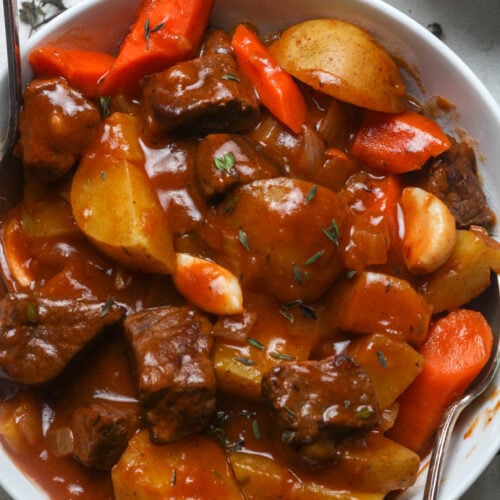
Are you craving a warm, hearty meal that’s perfect for any day? Making beef stew in a Dutch oven is easier than you think, and the results are absolutely delicious.
Imagine tender chunks of beef, rich flavors, and a comforting aroma filling your kitchen. This guide will show you exactly how to create that mouthwatering stew step-by-step. By the end, you’ll have a recipe that’s simple to follow and sure to impress your family or guests.
Ready to turn your Dutch oven into a magic pot of flavor? Let’s get started!
Choosing The Right Beef
Choosing the right beef is key for a rich and tender stew. The beef should become soft after long cooking. Tougher cuts with more fat and connective tissue work best. These cuts break down and add flavor during slow cooking in a Dutch oven.
Best Cuts For Stew
Select cuts that are affordable and full of flavor. These cuts stay juicy and tender after hours of simmering.
- Chuck roast – well-marbled and flavorful
- Brisket – has good fat content
- Round – lean but good for slow cooking
- Shank – very tough but becomes tender
Chuck roast is the top choice for stew. It softens nicely and has rich taste. Avoid very lean cuts; they dry out easily.
Preparing The Meat
Cut the beef into uniform chunks, about 1 to 1.5 inches. Even pieces cook evenly without overcooking. Pat the beef dry with paper towels. This helps browning and improves flavor.
Trim excess fat if needed but keep some for taste. Season the beef with salt and pepper before cooking. Browning the meat in batches creates a deep, rich stew base.
Credit: www.100daysofrealfood.com
Selecting Vegetables
Selecting the right vegetables can transform your beef stew from ordinary to unforgettable. The vegetables you choose add texture, color, and layers of flavor that complement the rich beef and broth. Think about what you enjoy eating and what will hold up well during the long cooking process in your Dutch oven.
Classic Veggies
Start with the staples that almost everyone loves in a stew. Carrots bring a natural sweetness and brighten the dish with their vibrant orange color. Potatoes are essential for a hearty texture—they soak up the broth and become tender but not mushy.
Onions add a subtle sharpness that mellows as they cook, enriching the overall flavor. Celery offers a slight crunch and an aromatic base that balances the richness of the meat. These classic vegetables form a reliable foundation for your stew.
Optional Additions
Want to add a twist or boost nutrition? Consider parsnips for a sweet, nutty flavor that pairs well with beef. Mushrooms add an earthy depth and a meatier bite, perfect if you like more texture variety.
Green beans or peas can introduce a fresh pop of color and a lighter taste, but add them toward the end of cooking to keep their snap. Some cooks swear by tomatoes for acidity, which cuts through the richness beautifully. What unexpected vegetable could you try next time to surprise your taste buds?
Preparing The Dutch Oven
Preparing your Dutch oven properly sets the stage for a perfect beef stew. This heavy pot retains heat evenly, but only if you treat it right before adding your ingredients. Taking time with the initial steps can make your cooking smoother and your stew richer.
Seasoning And Heating
If your Dutch oven is new, it might need seasoning to create a natural non-stick surface. Cast iron pots benefit most from this process. Rub a thin layer of oil inside and outside, then heat it in the oven at 350°F for about an hour.
Before adding your beef or vegetables, preheat the Dutch oven on medium heat. This helps sear the meat quickly, locking in juices and flavor. Have you noticed how a properly heated pan changes the texture of your stew meat?
Choosing The Right Size
Picking the right size Dutch oven depends on how much stew you want to make. A 5 to 6-quart pot is perfect for feeding a family or storing leftovers. If you usually cook for one or two, a smaller 3 to 4-quart pot will do.
Using a pot that's too big can cause the stew to cook unevenly, while too small a pot may overflow. Think about your usual meal portions and storage needs before deciding. What size fits your kitchen and lifestyle best?
Browning The Meat
Browning the meat is a key step in making beef stew in a Dutch oven. It adds deep flavor and a rich color to the stew. Proper browning creates a caramelized crust on the beef pieces. This enhances the taste and texture of the stew. Taking time to brown the meat well will improve the final dish significantly.
Tips For Even Browning
- Pat the beef dry before cooking to remove moisture.
- Cut the meat into uniform pieces for consistent cooking.
- Heat the Dutch oven over medium-high heat before adding meat.
- Use a small amount of oil to prevent sticking and burning.
- Turn the meat only after a crust forms to avoid tearing.
Avoiding Overcrowding
Overcrowding the pot causes the meat to steam, not brown. Steam prevents the crust from forming properly. Brown the meat in batches if needed. Leave space between pieces for heat to circulate. This keeps the meat sizzling and browning evenly. Removing cooked pieces from the pot clears room for the next batch.
Building The Flavor Base
Building the flavor base is the heart of making a rich and satisfying beef stew in your Dutch oven. It’s where simple ingredients transform into a deep, savory foundation that makes every bite memorable. Paying attention to this step ensures your stew isn’t just good—it’s unforgettable.
Sautéing Aromatics
Start by heating a bit of oil or butter in your Dutch oven over medium heat. Add chopped onions, garlic, and sometimes celery or carrots. Sauté them until they turn soft and fragrant—this usually takes about 5 to 7 minutes.
Why does this matter? Cooking aromatics slowly releases their natural sweetness and layers of flavor. It’s easy to rush this step, but patience here means a richer stew later. Have you noticed how a simple onion can taste completely different when cooked slowly versus quickly?
Adding Herbs And Spices
Once your aromatics are ready, it’s time to add herbs and spices. Fresh rosemary, thyme, bay leaves, and a pinch of black pepper work beautifully. You can also add a little paprika or ground cumin for extra warmth and complexity.
Adding these early lets their flavors mingle and infuse the stew as it cooks. Don’t be shy—experiment with what you have on hand. What’s your favorite herb combination for hearty dishes? Try mixing fresh and dried herbs for a balance of brightness and depth.
Adding Liquids
Adding the right liquids to your beef stew in a Dutch oven is crucial. Liquids not only cook the meat and vegetables evenly but also shape the stew’s flavor and texture. Choosing the right liquid can turn a good stew into a memorable one.
Broth Vs. Stock
Broth and stock may seem similar, but they affect your stew differently. Broth is usually lighter and seasoned, made from meat and vegetables. Stock is richer, made mainly from bones, and offers a deeper flavor and thicker texture.
If you want a stew with a robust, hearty taste, stock is often the better choice. Broth works well if you prefer a lighter base or want to control the seasoning more carefully. Have you ever noticed how a richer stock can make your stew taste like it’s been simmering all day?
Incorporating Wine Or Beer
Adding wine or beer can elevate your beef stew with a unique depth of flavor. A splash of red wine adds acidity and richness, helping to tenderize the meat as it cooks. Beer, especially darker varieties, brings a malty sweetness and complexity to the stew.
Remember to add alcohol early in the cooking process so it has time to mellow and blend with the other flavors. Don’t worry about the stew tasting alcoholic; the heat cooks off the alcohol, leaving only the flavor behind. Have you tried swapping water for beer or wine in your stew before? It might surprise you how much it changes the dish.
Slow Cooking Process
The slow cooking process is the secret to achieving tender and flavorful beef stew in a Dutch oven. This method allows the flavors to meld beautifully, transforming simple ingredients into a mouthwatering dish. The gentle heat breaks down the meat, making it succulent and rich.
Oven Vs. Stovetop
Choosing between the oven and stovetop can influence the stew’s texture and depth of flavor. The oven offers a consistent, all-around heat, which is ideal for slowly cooking beef until it’s melt-in-your-mouth tender. However, if you prefer to keep an eye on your stew and stir occasionally, the stovetop gives you that flexibility.
Personally, I find the oven method less fussy. You can pop the Dutch oven in and forget about it for a few hours. Which method suits your cooking style better?
Cooking Time And Temperature
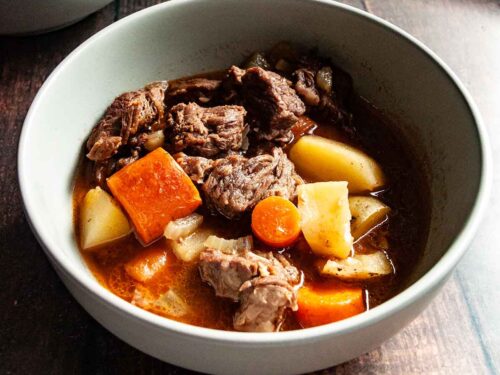
Patience is key with beef stew. A low temperature, around 300°F (150°C), is perfect for a slow cook. The meat needs time to break down, so a cooking time of 2 to 3 hours is ideal.
Adjusting the time and temperature can make a big difference. If you’re in a hurry, you might be tempted to crank up the heat. But remember, rushing this process can result in tougher meat.
Consider investing time in a leisurely cook. Your taste buds will thank you for the effort and patience!
Credit: campgrilleat.com
Thickening The Stew
Thickening the stew is key to a rich, satisfying texture. A perfect beef stew is not too runny or too thick. It should coat the spoon and hold together nicely. Thickening also helps bring out the flavors and creates a hearty feel with every bite.
Using Flour Or Cornstarch
Flour and cornstarch are common thickening agents for beef stew. Both work by absorbing liquid and swelling to create a thicker sauce.
- Mix flour or cornstarch with cold water before adding it to the stew. This stops lumps from forming.
- Stir the mixture slowly into the hot stew while it simmers.
- Cook for a few more minutes to remove the raw taste and let the stew thicken.
Flour gives a slightly opaque, creamy texture. Cornstarch creates a clearer, glossy sauce. Choose based on your preferred stew look and feel.
Adjusting Consistency
Check the stew’s thickness often while cooking. Stir gently to see how it coats the back of a spoon.
- Too thick? Add a little broth or water, then stir well.
- Too thin? Add a bit more flour or cornstarch slurry and cook longer.
- Simmer uncovered to reduce liquid and naturally thicken the stew.
Patience is key. Thickening happens gradually, allowing flavors to deepen. Stop adjusting once the stew reaches a smooth, hearty consistency.
Serving Suggestions
Serving your beef stew made in a Dutch oven is where the magic really comes together. The right sides and garnishes can elevate every bite and bring out the rich flavors of the stew. Think about what you want your meal to feel like—is it cozy comfort or a bit more refined? Your choices can make all the difference.
Side Dishes
Choose sides that soak up the stew's savory sauce. Crusty bread is a classic choice because it lets you scoop up every last drop. You can also try buttered egg noodles or creamy mashed potatoes to add a smooth texture contrast.
Roasted vegetables like carrots or Brussels sprouts add a caramelized sweetness that complements the stew’s hearty depth. If you want something lighter, a simple green salad with a tangy vinaigrette can refresh your palate between bites. What side do you usually reach for when you want comfort food?
Garnishes And Toppings
Adding fresh garnishes can brighten the dish and add layers of flavor. Sprinkle chopped fresh parsley or thyme on top for an herbal punch that cuts through the richness. A dollop of sour cream or plain Greek yogurt adds creaminess and a subtle tang, balancing the stew perfectly.
For a bit of crunch, toasted nuts like walnuts or almonds work surprisingly well. If you’re feeling adventurous, a splash of balsamic glaze or a few drops of hot sauce can bring unexpected depth and heat. Which toppings have you tried that transformed your stew experience?

Credit: www.sweetteaandthyme.com
Storing And Reheating
Store leftover beef stew in an airtight container in the fridge for up to four days. Reheat gently on the stove or in the microwave until hot throughout. Avoid boiling to keep the meat tender and flavors balanced.
Storing and reheating beef stew properly ensures it retains its delicious flavors. After enjoying a hearty meal, you might have some leftovers. Knowing how to store and reheat them can save you time and keep your stew fresh.
Proper Storage Methods
Cool the beef stew before storing it. Divide it into smaller portions. Use airtight containers to prevent air exposure. Store them in the refrigerator if you plan to eat them soon. For longer storage, place the containers in the freezer. Label them with the date to keep track.
Best Reheating Practices
Reheat your beef stew on the stove for the best results. Use low heat to warm it evenly. Stir occasionally to prevent sticking. If using a microwave, heat it in short intervals. Stir in between to ensure even heating. Always check the temperature before serving. It should be steaming hot to be safe.
Frequently Asked Questions
What Is The Best Beef Cut For Dutch Oven Stew?
Chuck roast is ideal for Dutch oven stew. It’s flavorful and becomes tender during slow cooking. This cut holds up well and adds rich taste to the stew.
How Long Should Beef Stew Cook In A Dutch Oven?
Cook beef stew for about 2 to 3 hours on low heat. This allows meat to become tender and flavors to develop fully.
Can I Use Frozen Beef For Dutch Oven Stew?
Yes, you can use frozen beef but thaw it first. Thawing ensures even cooking and better texture in the stew.
Should Vegetables Be Added At The Beginning Or End?
Add root vegetables like carrots and potatoes early. Softer vegetables like peas should be added near the end to avoid overcooking.
Conclusion
Making beef stew in a Dutch oven is simple and rewarding. The slow cooking brings out rich flavors. You only need basic ingredients and some patience. This method creates tender meat and hearty vegetables. Serve it hot for a comforting meal.
Try this recipe to enjoy a classic dish at home. Cooking with a Dutch oven adds a special touch. Give it a try and taste the difference.