Are you ready to enjoy fresh, delicious apple cider right at home? Making your own apple cider juicer is easier than you think, and it gives you control over every step of the process.
Imagine the taste of sweet, natural apple juice made from your favorite apples, without any added preservatives. In this guide, you’ll discover simple steps to build your own juicer, save money, and impress your friends with homemade cider. Keep reading, and soon you’ll be sipping on fresh apple cider crafted by your own hands.
Choosing The Right Apples
Choosing the right apples is key to making delicious apple cider juice. The flavor, sweetness, and tartness of your cider depend heavily on the apple varieties you pick. Knowing which apples work best and how to select fresh ones will make your juice stand out.
Best Apple Varieties For Juice
Not all apples are created equal when it comes to juicing. Some apples give a sweet, smooth taste, while others add a tangy kick. Mixing different types can balance the flavor perfectly.
- Fuji:Sweet and crisp, Fuji apples add natural sugar to your juice.
- Granny Smith:Tart and juicy, these apples bring a refreshing zing.
- Honeycrisp:Juicy with a hint of sweetness, perfect for a balanced flavor.
- Gala:Mildly sweet and aromatic, great for blending.
- Jonathan:Sharp and tangy, ideal for adding depth.
Have you thought about how mixing sweet and tart apples could improve your cider? Experiment with different blends to find your favorite taste.
How To Select Fresh Apples
Freshness affects the juice’s flavor and shelf life. Look for apples that feel firm and heavy for their size. Avoid any with bruises, soft spots, or wrinkles.
Check the skin for a natural shine and vibrant color. This usually means the apple is fresh and ripe. Smell the apple near the stem—you want a pleasant, sweet aroma.
Buying apples in season can make a big difference. If you pick apples yourself or buy from a local orchard, you often get fresher fruit than from the supermarket.
Gathering Materials And Tools
Gathering the right materials and tools is the first step to making apple cider juicer. Having everything ready makes the process smooth and fun. This section explains what you need to start juicing apples at home.
Essential Juicing Equipment
- Apple grinder or food processor to crush apples
- Press or sturdy cloth to squeeze juice
- Large bowl or container to collect juice
- Sharp knife for cutting apples
- Cutting board for safe apple slicing
- Clean jars or bottles for storing cider
- Strainer or cheesecloth to filter pulp
Optional Accessories For Convenience
- Juice funnel for easy pouring into bottles
- Measuring cup to check juice quantity
- Rubber gloves for better grip and hygiene
- Apple corer to remove cores quickly
- Thermometer to monitor juice temperature
- Cleaning brush for equipment maintenance
Preparing Apples For Juicing
Preparing apples for juicing sets the foundation for a fresh, flavorful apple cider. Proper preparation enhances the juice’s taste and quality, making every sip enjoyable. Paying attention to washing and cutting can save you time and improve the overall juicing experience.
Washing And Cleaning
Start by thoroughly rinsing your apples under cold running water. This removes dirt, pesticides, and any wax coating that might affect the juice’s flavor. Using a brush designed for fruits can help scrub away stubborn residues without damaging the skin.
Don’t skip this step—even if your apples look clean. Have you ever tasted juice with a slight bitterness? It often comes from leftover chemicals or dirt. Clean apples ensure pure, crisp juice every time.
Cutting And Coring Techniques
After washing, prepare your apples by cutting them into smaller pieces. This makes it easier for the juicer to extract juice efficiently. Use a sharp knife to cut around the core, removing seeds and tough parts that can make the juice bitter.
Try cutting apples into uniform slices or chunks. This helps the juicer process the fruit evenly, reducing clogging or uneven extraction. Have you noticed how smaller pieces speed up juicing and increase yield? It’s a simple change that makes a big difference.

Credit: www.greatfoodclub.co.uk
Building A Simple Apple Cider Juicer
Building a simple apple cider juicer is a rewarding project that lets you enjoy fresh cider right from your own backyard. It doesn’t require expensive tools or complicated parts, just some basic materials and a bit of patience. Once you have your juicer ready, pressing apples becomes a straightforward, satisfying task.
Diy Juicer Designs
There are several easy designs you can try to build your apple cider juicer at home. A common approach uses a sturdy wooden frame combined with a manual press mechanism. This design relies on applying pressure evenly to squeeze juice from crushed apples.
If you want a more compact option, consider a hand-crank style juicer made with a metal drum and a mesh filter. This setup lets you crush apples and separate juice without too much effort. You can also use repurposed materials, like old barrels or juice strainers, to cut costs.
Think about what tools and materials you already have. How much space do you want your juicer to take? These questions will help you pick the best design for your needs and skill level.
Step-by-step Assembly Guide
- Gather materials:wood planks, screws, a strong screw jack or a hydraulic press, a food-grade mesh or cheesecloth, and a sturdy container for juice collection.
- Build the frame:Cut the wood to create a rectangular base and two vertical supports. Secure everything with screws to form a stable structure.
- Create the pressing plate:Attach a flat, solid board to the bottom of the screw jack or press mechanism. This plate will press down on the apples.
- Prepare the juice basket:Use a mesh-lined basket or container that fits inside the frame. This holds the crushed apples and lets juice flow through.
- Assemble the juicer:Place the basket inside the frame and position the pressing plate above it. Make sure the press moves smoothly and applies even pressure.
- Test your juicer:Start with a small batch of crushed apples. Turn the press slowly, watching how the juice flows out. Adjust the setup if needed to improve efficiency.
Building your own apple cider juicer is a hands-on way to connect with your food source. What’s the best apple variety you’ve tried for cider? Experimenting with different types can change the flavor dramatically.
Extracting Juice Efficiently
Efficient juice extraction saves time and gets more liquid from apples. Use a sharp press or grinder to break apples before juicing. Strain the juice well to remove pulp and get a clear, fresh cider.
Extracting juice efficiently from apples is an art that combines the right techniques with a little bit of patience. Imagine the satisfaction of a glass of homemade apple cider, the effort is worth every drop. To achieve this, understanding the best methods for pressing and crushing apples is crucial.
Pressing And Crushing Methods
The journey to perfect apple cider begins with the right pressing and crushing techniques. One effective method involves using a traditional apple press. This tool helps you squeeze the juice out of apples with minimal effort. Alternatively, a simple kitchen blender can do the trick if you don't have a press. Start by chopping the apples into small pieces, then blend them into a pulp. Use a strainer or cheesecloth to separate the juice from the pulp.
Tips For Maximizing Juice Yield
To get the most juice from your apples, always start with fresh, crisp apples. They yield more juice than older, softer ones. Consider mixing different apple varieties for a more complex flavor. Another tip is to pre-soak your apples in warm water for a few minutes. This makes them softer and easier to press, resulting in more juice. Have you ever tried using a rolling pin? Roll over the apples after they've been chopped to break them up further. This enhances the juicing process and boosts the yield. By experimenting with these methods and tips, you can turn every apple into a delicious cider experience. So, what's stopping you from trying it out today?

Credit: www.kuvingsusa.com
Straining And Filtering Juice
Straining and filtering juice is a key step in making fresh apple cider. This process removes unwanted solids, creating a smooth and clear drink. Clear juice looks better and tastes fresher. It also lasts longer without spoiling. Careful straining improves the cider’s texture and appearance.
Removing Pulp And Sediment
After pressing the apples, the juice contains pulp and tiny particles. These bits can make the cider thick and cloudy. Removing them gives a cleaner drink. Use a fine mesh sieve or cheesecloth to catch pulp. Pour the juice slowly through the strainer. Let it drain naturally without pressing hard. This helps keep the juice clear and free of sediment.
Tools For Clear Juice
- Fine mesh sieve: Catches small apple bits effectively.
- Cheesecloth: Soft fabric that filters juice gently.
- Nut milk bag: Durable and tight, great for filtering pulp.
- Coffee filter: Ideal for very clear juice but slower filtering.
- Glass or stainless steel container: Keeps juice fresh and clean.
Choosing the right tool depends on how clear you want your cider. Using these tools properly makes a fresh, smooth apple cider every time.
Storing And Serving Fresh Apple Cider
Storing and serving fresh apple cider correctly is key to enjoying its vibrant flavor and freshness. How you keep your cider can affect its taste and safety, while thoughtful serving ideas can elevate your cider experience. Let’s dive into practical tips that help you make the most of your homemade apple cider.
Best Storage Practices
Fresh apple cider is highly perishable, so storing it properly is essential to keep it tasting great.
- Use airtight containers:Glass bottles or jars with tight lids prevent air from spoiling the cider.
- Refrigerate immediately:Cold temperatures slow down fermentation and bacterial growth, preserving freshness for up to 7 days.
- Freeze for longer storage:If you want to keep cider beyond a week, freeze it in freezer-safe containers, leaving some space for expansion.
- Label your containers:Note the date of juicing to track freshness easily.
Have you ever tasted cider that went off too quickly? Proper storage can be the difference between a crisp drink and a sour disappointment.
Serving Suggestions
Serving your fresh apple cider in creative ways can bring out its best qualities and delight your guests or family.
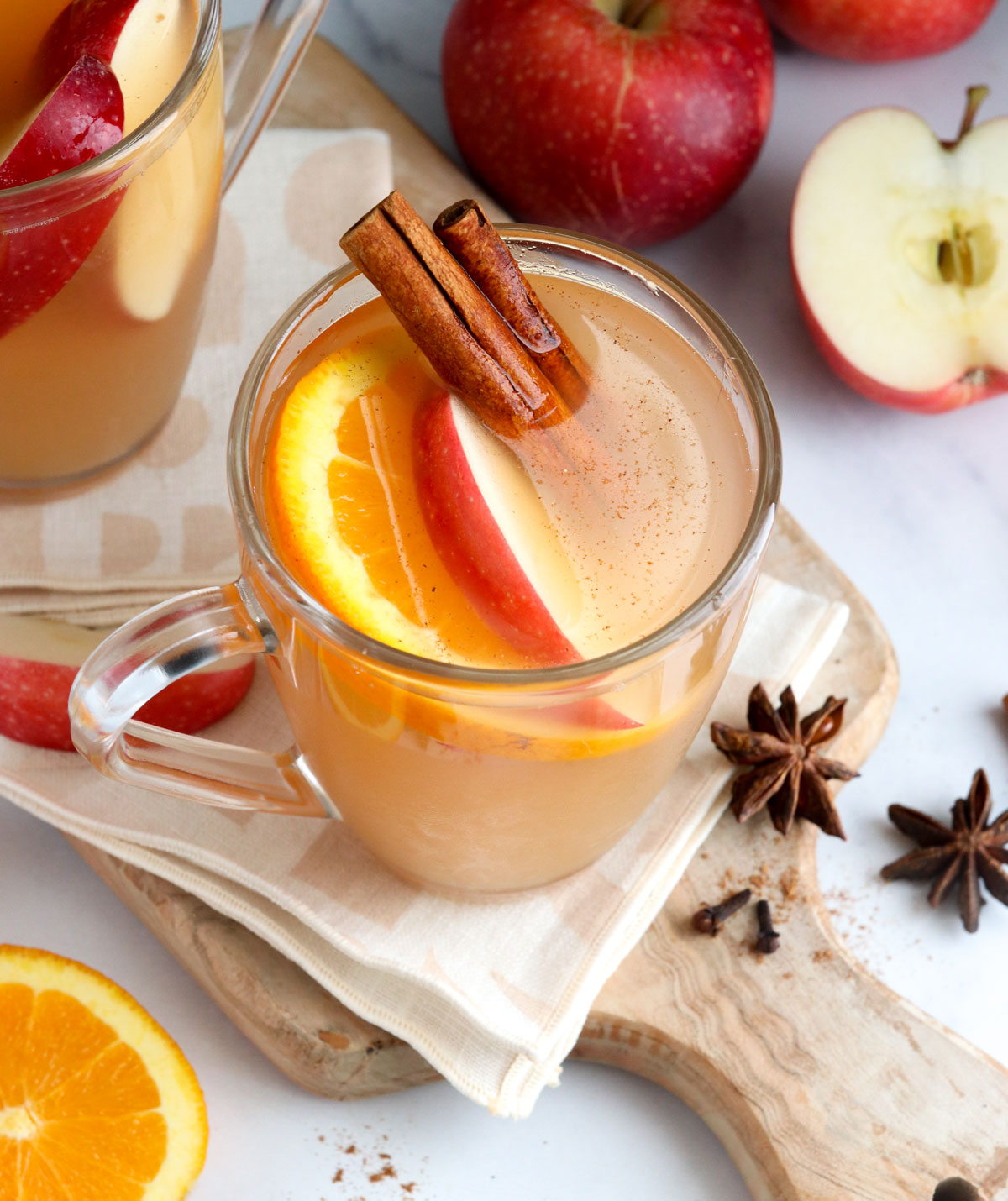
- Serve chilled or warm:Cold cider is refreshing on a hot day, while warming it with cinnamon sticks and cloves makes a cozy winter treat.
- Add garnishes:Fresh apple slices, a sprig of mint, or a cinnamon stick can enhance presentation and flavor.
- Mix into cocktails:Combine cider with ginger beer or bourbon for a tasty twist.
- Pair with foods:Cider pairs wonderfully with sharp cheeses, roasted nuts, and pork dishes.
What’s your favorite way to enjoy apple cider? Trying different serving styles might reveal new favorites you hadn’t thought of before.
Troubleshooting Common Issues
Common issues during apple cider juicing include clogging and weak juice flow. Cleaning parts regularly and checking for blockages helps keep the juicer working well. Adjusting the apple size can also improve juice extraction.
Making apple cider juice at home can be rewarding. But sometimes, challenges arise. You might see the juice changing color or not enough juice coming out. Understanding these issues helps you enjoy fresh cider without stress.
Preventing Juice Oxidation
Juice oxidation makes apple cider turn brown. This affects both taste and appearance. To keep juice fresh, use lemon juice. A small amount can slow down oxidation. Another tip is to juice quickly. The longer apples are exposed to air, the faster they oxidize. Store your juice in airtight containers. This reduces air contact. Also, refrigerate the juice immediately. Cold temperatures slow down the oxidation process.
Fixing Low Juice Output
Low juice output can be frustrating. Make sure your apples are fresh and firm. Soft apples produce less juice. Check your juicer settings. Some settings extract more juice than others. Clean your juicer regularly. Pulp buildup can block juice flow. Try cutting apples into smaller pieces. Smaller pieces juice more efficiently. If all else fails, consider upgrading your juicer. Some models are designed for higher juice yields.
Credit: detoxinista.com
Frequently Asked Questions
What Materials Are Needed To Make An Apple Cider Juicer?
You need a sturdy frame, a press mechanism, mesh bags, and a collection tray. Wood, metal, or plastic parts work well.
How Do I Assemble An Apple Cider Juicer At Home?
Start by building the frame, attach the pressing mechanism, and place mesh bags inside. Ensure all parts fit tightly for effective juicing.
Can I Use Any Apples For Making Cider Juice?
Yes, but a mix of sweet and tart apples yields the best flavor and balance in cider.
How Much Juice Can A Homemade Apple Cider Juicer Produce?
A well-built juicer can extract around 70-80% of juice from apples, depending on apple type and pressure applied.
Conclusion
Making your own apple cider juicer is simple and fun. You only need basic tools and fresh apples. Follow the steps carefully and take your time. Fresh cider tastes better and is healthier than store-bought. Enjoy the process and share your cider with family and friends.
Keep practicing to improve your juicing skills. This project brings joy and a tasty drink. Start today and enjoy homemade apple cider anytime you want.