Do you love the rich, smooth taste of a vanilla latte but think it’s too hard to make at home? What if you could enjoy your favorite café treat anytime, using your own espresso machine?
Making a vanilla latte is simpler than you think, and once you know the steps, you’ll be able to impress yourself and your friends. In this guide, you’ll discover easy tips to brew the perfect vanilla latte right in your kitchen.
Ready to enjoy that creamy, sweet coffee just the way you like it? Let’s dive in.
Choosing The Right Ingredients
Choosing the right ingredients is key to making a delicious vanilla latte. Each component affects the flavor and texture of your drink. Quality matters most. Freshness plays a big role too.
Use the best ingredients you can find. They create a richer and smoother latte. Here is how to pick the perfect items for your vanilla latte.
Selecting Quality Coffee Beans
Start with fresh coffee beans for a strong espresso base. Choose beans labeled as espresso roast or medium-dark roast. These roasts bring out rich and bold flavors that match vanilla well.
Buy whole beans and grind them just before brewing. This keeps the coffee fresh and aromatic. Avoid pre-ground coffee as it loses flavor quickly.
Picking Fresh Vanilla Extract
Use pure vanilla extract, not imitation. Pure extract has natural vanilla flavor from vanilla beans. It adds a smooth, sweet taste to your latte.
Check the label to ensure it says “pure vanilla extract.” Avoid artificial flavorings that taste flat or chemical-like. Fresh vanilla extract enhances every sip.
Choosing The Best Milk
Milk creates the creamy texture of your vanilla latte. Whole milk makes the drink rich and smooth. It froths well for a velvety foam topping.
Use cold milk straight from the fridge. Heat it gently to avoid burning. For a lighter option, try 2% or skim milk. Plant-based milks like oat or almond work too, but check their frothing ability.

Preparing Your Espresso Machine
Before you start crafting your perfect vanilla latte, it's essential to prepare your espresso machine properly. A well-prepared machine ensures that every shot of espresso is rich, flavorful, and consistent. Taking the time to clean, set the right temperature, and adjust the grind size can make a surprising difference in your coffee’s taste.
Cleaning And Maintenance Tips
Clean your espresso machine daily to avoid old coffee oils that can ruin the flavor. Run a quick water flush through the group head before pulling your shot. Wipe down the steam wand immediately after frothing milk to prevent milk residue buildup.
Regularly backflush your machine with a cleaning detergent to remove hidden coffee grounds. Don’t forget to empty and rinse the drip tray and water reservoir. Keeping your machine spotless means better-tasting espresso and fewer breakdowns.
Setting The Right Temperature
The water temperature impacts espresso extraction significantly. Aim for around 195°F to 205°F (90°C to 96°C) for the best flavor balance. Too hot, and your espresso may taste burnt; too cool, and it might be under-extracted and sour.
Most machines allow temperature adjustment—check your manual to fine-tune settings. If your espresso tastes off, experiment with small temperature changes to find what suits your beans best. Have you noticed how a slight temperature shift alters your espresso’s character?
Adjusting Grind Size
Grind size controls how quickly water passes through the coffee. A finer grind slows down extraction and produces a stronger shot, while a coarser grind speeds it up, resulting in a lighter taste. Start with a grind similar to table salt and adjust based on how your espresso pours.
Watch for your shot’s timing: ideally, it should take about 25-30 seconds to pull 1 to 2 ounces. If it’s too fast, make the grind finer; if it’s too slow, go coarser. Experimenting with grind size is key to dialing in that perfect vanilla latte taste.
Pulling The Perfect Espresso Shot
Pulling the perfect espresso shot is the foundation of a delicious vanilla latte. It sets the tone for the flavor and texture of your drink. The process needs care and precision to get the best taste from your coffee beans. Small details matter—from measuring coffee grounds to the way you tamp and extract the shot. Each step impacts the final cup.
Measuring Coffee Grounds
Use fresh coffee beans for the best flavor. Measure about 18 to 20 grams of coffee for a double shot. Use a digital scale for accuracy. Too much coffee makes the shot bitter. Too little makes it weak. Grind the coffee just before brewing. A fine, consistent grind is essential.
Tamping Techniques
Tamping compresses the coffee grounds evenly. Use a tamper that fits your portafilter. Press down with about 30 pounds of pressure. Keep the tamper level to avoid uneven extraction. A smooth, firm tamp helps water flow uniformly. This prevents weak or bitter espresso.
Extracting Espresso
Lock the portafilter securely into the espresso machine. Start the shot immediately after tamping. Extraction time should be around 25 to 30 seconds. Watch for a rich, golden crema on top. A slow, steady flow indicates a good extraction. Stop the shot if it pours too fast or too slow.

Steaming And Frothing Milk
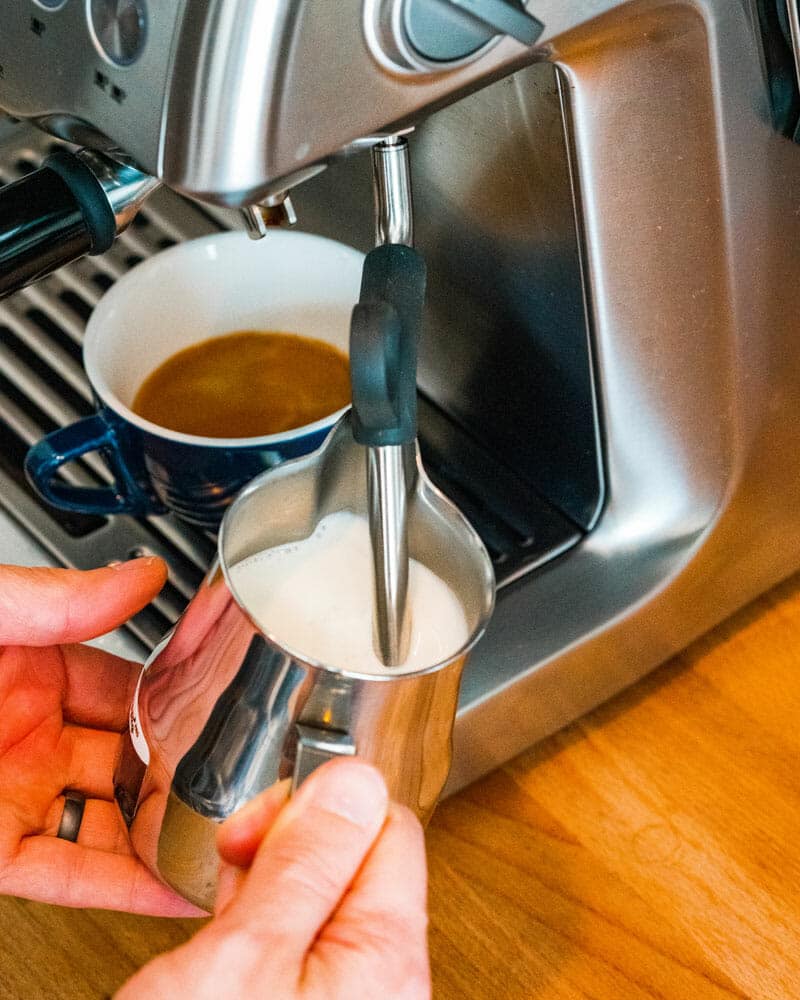
Steaming and frothing milk creates the creamy base for a vanilla latte. Use an espresso machine to heat the milk until frothy. Add espresso and vanilla syrup for a delicious drink.
Steaming and frothing milk are crucial steps in crafting a perfect vanilla latte. The right technique can enhance the flavor and texture of your drink. This process involves heating milk to the right temperature and creating a creamy foam.
Milk Temperature Guidelines
For the best results, heat milk to 150°F. This temperature ensures it's hot but not scalding. Use a thermometer for accuracy. Overheating can cause milk to taste burnt.
Creating Smooth Microfoam
Position the steam wand just below the milk's surface. This helps introduce air and creates small bubbles. For smooth microfoam, keep the wand at a slight angle. Move the pitcher slightly to mix the milk well.
Avoiding Common Frothing Mistakes
Don’t submerge the steam wand too deep. It can make the milk too frothy. Avoid frothing for too long. This can result in overly thick foam. Keep the steam wand clean. Residue can affect taste and foam quality.
Adding Vanilla Flavor
Adding vanilla flavor to your latte transforms a simple coffee into a delightful treat. The key is balancing the sweetness and aroma without overpowering the natural coffee taste. Let’s look at how to get that perfect vanilla touch in your vanilla latte.
How Much Vanilla To Use
Start with about one teaspoon of vanilla extract for a single latte. This amount usually gives a nice hint of vanilla without making it too sweet.
If you prefer a stronger flavor, add a little more, but be careful. Too much vanilla can mask the espresso’s rich notes and make the drink taste artificial.
Incorporating Vanilla Into Milk
Mix your vanilla extract directly into the milk before steaming. This helps the flavor blend smoothly and evenly throughout the latte.
Try whisking the vanilla into cold milk, then steam it with your espresso machine’s frother. You’ll get a creamy, fragrant milk that pairs perfectly with the espresso.
Alternatives To Vanilla Extract
If you don’t have vanilla extract, you can try vanilla syrup, which adds sweetness along with flavor. Adjust the amount since syrups are usually sweeter than extracts.
Vanilla bean paste is another great option. It offers a fresh, natural flavor and little vanilla specks that look lovely in your latte.
Have you ever experimented with other vanilla substitutes? What surprised you about the flavor differences?
Assembling The Vanilla Latte
Assembling the vanilla latte brings all the flavors together into one delightful cup. This stage requires careful pouring and layering to create the perfect balance of espresso, milk, and vanilla sweetness. The final look and taste depend on how well you combine these elements.
Layering Espresso And Milk
Start by pouring the freshly brewed espresso into a warm cup. Pour slowly to keep the rich crema on top. Next, add the steamed milk gently. Hold back the foam with a spoon, letting only the liquid milk flow in. This method creates a smooth transition between dark espresso and creamy milk layers.
Pouring Techniques For Latte Art
Pour the milk steadily and close to the cup’s surface. Move your wrist to create simple designs like hearts or leaves. Stop pouring and lift the pitcher to finish the pattern. Practice helps to improve your control and make beautiful latte art.
Final Touches And Garnishes
Add a dash of vanilla syrup for extra flavor. Sprinkle a little cinnamon or cocoa powder on top for a lovely aroma. Serve with a small spoon or straw. These small details enhance both taste and presentation, making the latte inviting and delicious.
Troubleshooting Common Issues
Making a vanilla latte with an espresso machine can sometimes bring challenges. Fixing these common problems helps improve your coffee experience. Understanding simple solutions saves time and avoids frustration. Here are some tips for troubleshooting frequent issues.
Fixing Bitter Espresso
Bitter espresso often means the coffee is over-extracted. Try these fixes:
- Use a finer grind but avoid too fine to prevent over-extraction.
- Shorten the brewing time to keep flavors balanced.
- Check water temperature; it should be between 195°F and 205°F.
- Use fresh coffee beans for a smoother taste.
- Clean the machine regularly to avoid old coffee residue.
Dealing With Flat Milk Foam
Flat milk foam lacks texture and volume. Improve it by:
- Use cold milk with higher fat content for better froth.
- Steam milk just until it reaches 150°F, not hotter.
- Keep the steam wand just below the milk surface to create microfoam.
- Clean the steam wand immediately after each use.
- Practice steady hand movements while frothing milk.
Adjusting Sweetness Levels
Sweetness in your vanilla latte depends on syrup and milk. Balance it by:
- Start with one tablespoon of vanilla syrup; add more if needed.
- Try sugar-free syrups for a lighter taste.
- Use flavored milk or add a pinch of cinnamon for variety.
- Taste the latte before adding extra sweetener.
- Adjust sweetness gradually to suit your preference.
Tips For Customizing Your Latte
Customizing your vanilla latte allows you to make it just how you like. Small changes can create a big difference in taste and texture. Experimenting with milk, sweeteners, and serving styles can give your latte a personal touch.
Using Alternative Milk Options
Try different milk types to change flavor and creaminess. Almond, oat, soy, and coconut milk each add unique notes. Some are sweeter, others offer a nutty or creamy texture. Heat the milk gently to avoid curdling. Froth alternative milks for a smooth, velvety finish.
Adding Sweeteners And Spices
Vanilla syrup is classic, but explore other sweeteners too. Honey, maple syrup, or agave provide natural sweetness. Sprinkle cinnamon, nutmeg, or cardamom for warmth and aroma. Mix spices into the milk or dust on top. Adjust sweetness and spice levels to suit your taste.
Making Iced Vanilla Lattes
For a cold treat, make an iced vanilla latte. Brew espresso and let it cool slightly. Fill a glass with ice cubes and pour espresso over them. Add cold milk and vanilla syrup. Stir well and enjoy a refreshing, creamy drink. Use a reusable straw for eco-friendliness.
Frequently Asked Questions
How Do I Make A Vanilla Latte With An Espresso Machine?
Start by brewing a shot of espresso. Steam milk until frothy. Mix vanilla syrup into the milk. Pour the steamed milk over the espresso. Top with foam and enjoy your vanilla latte.
What Type Of Vanilla Syrup Is Best For Lattes?
Choose pure vanilla syrup for the best flavor. Avoid artificial syrups with too much sugar. Look for options with natural vanilla extract for a rich taste.
Can I Use Regular Milk Instead Of Steamed Milk?
Steamed milk is preferred for its creamy texture. Regular milk can be used but won’t create the same frothy consistency. For best results, steam or froth your milk before adding.
How Much Vanilla Syrup Should I Add To My Latte?
Start with one to two tablespoons of vanilla syrup. Adjust based on your sweetness preference. Adding too much can overpower the coffee’s natural flavor.
Conclusion
Making a vanilla latte with an espresso machine is simple and fun. Fresh espresso and steamed milk create a smooth base. Adding vanilla syrup gives a sweet, rich taste. You can enjoy this drink any time at home. Practice a few times to get the best flavor.
Small changes can make a big difference. Try different milk types or adjust sweetness to your liking. Enjoy the warm, creamy comfort of your homemade vanilla latte. A perfect treat for coffee lovers everywhere.