Have you ever wished you could enjoy your favorite coffee exactly the way you like it, without spending a fortune on store-bought pods? Making your own coffee pods is easier than you think, and it puts you in full control of flavor, strength, and freshness.
Imagine saving money, reducing waste, and savoring a perfect cup every single time—all from the comfort of your kitchen. Keep reading, and you’ll discover simple steps to create your own coffee pods that taste just like your favorite café brew.
Ready to transform your coffee routine? Let’s get started!
Credit: www.walmart.com
Choosing Coffee Beans
Choosing the right coffee beans is key to making great coffee pods at home. The flavor and aroma depend on the beans you pick. Fresh beans provide the best taste. Consider the roast type and grind size to match the pod style. Quality beans lead to a better coffee experience every time.
Selecting The Right Roast
Roast level affects coffee strength and flavor. Light roasts keep fruity and floral notes. Medium roasts balance acidity and body. Dark roasts give a bold, smoky taste. Choose a roast that fits your taste. For pods, medium roasts often work well.
Grinding For Coffee Pods
Grind size influences extraction and flavor. Coffee pods need a fine to medium grind. Too coarse, and coffee will be weak. Too fine, and it may taste bitter. Use a burr grinder for consistent grind size. Freshly ground beans improve coffee freshness and aroma.

Credit: 100things2do.ca
Gathering Materials
Gathering the right materials is a crucial first step to making your own coffee pod. It sets the foundation for a smooth and satisfying brewing experience. If you choose the wrong shell or tools, your coffee might not taste as good as it could, or the pod might not work properly in your machine.
Types Of Coffee Pod Shells
Choosing the right shell affects both the flavor and the environment. You can find coffee pod shells made from plastic, aluminum, or biodegradable materials.
- Plastic shells:These are easy to find and affordable. They usually fit most coffee machines but may not be the best for the environment.
- Aluminum shells:Known for preserving freshness well. They’re sturdy but may require special tools to seal properly.
- Biodegradable shells:Made from plant-based materials, these pods break down faster. They’re great if you want to reduce waste but might cost a bit more.
Think about what matters more to you—cost, convenience, or eco-friendliness. Your choice will shape how you enjoy your coffee and impact the planet.
Essential Tools
You need a few simple tools to put your coffee pod together. Having the right gear makes the process faster and keeps your coffee fresh.
- Measuring spoon or scoop:To get the right amount of ground coffee.
- Sealing machine or heat sealer:This helps close the pod tightly so no coffee escapes and the flavors stay locked in.
- Filling funnel or small spoon:Makes it easier to add coffee to the shell without spilling.
- Fine mesh coffee filter (optional):Some prefer adding a filter inside the pod to prevent grounds from clogging the machine.
Have you ever tried making a coffee pod without the right tools? It’s frustrating and messy. Investing in these essentials saves time and keeps your coffee tasting great.
Preparing The Coffee Grounds
Preparing the coffee grounds is a key part of making a perfect coffee pod. It affects the flavor, strength, and overall experience of your coffee. Getting this step right ensures your homemade pod will deliver a rich and satisfying cup every time.
Measuring The Coffee
Accurate measurement of coffee grounds is essential. Too little coffee results in weak flavor, while too much can cause bitterness. Use a digital scale to weigh your grounds precisely—typically, 7 to 9 grams works well for a single pod.
Think about your taste preference. Do you prefer a strong espresso or a lighter brew? Adjust your measurement accordingly, but keep changes small to avoid disrupting the balance.
Ensuring Freshness
Fresh coffee grounds make all the difference in taste. Grind your beans just before filling the pod to lock in the aroma and oils. Avoid pre-ground coffee stored for long periods, as it loses flavor quickly.
Store your beans or grounds in an airtight container away from light and heat. Have you noticed how stale coffee tastes flat and lifeless? Freshness is the secret to keeping your coffee vibrant and flavorful.
Filling The Pods
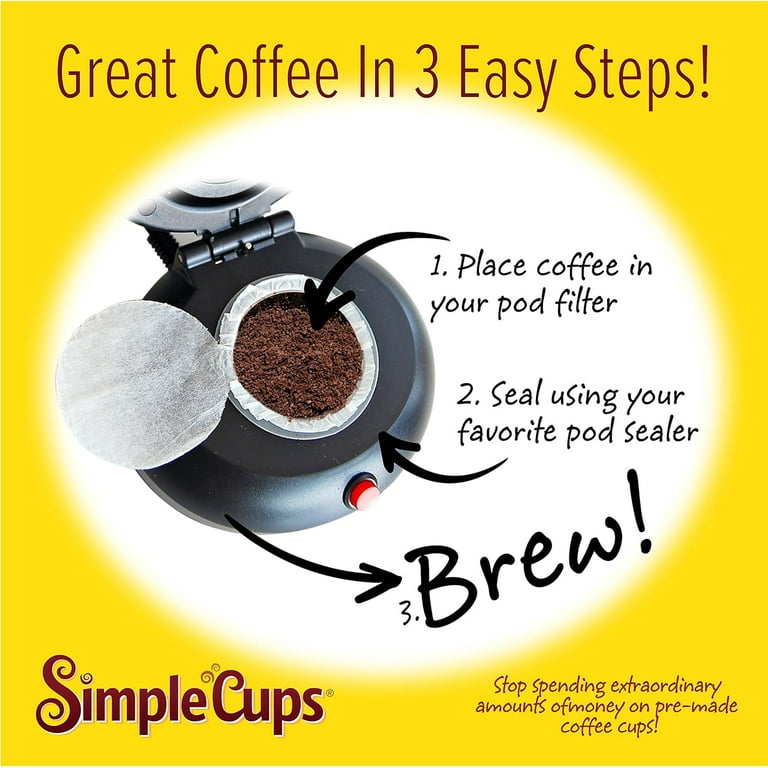
Filling the pods involves placing ground coffee into a reusable pod. Pack the coffee firmly but not too tight, ensuring water can flow through. Seal the pod securely to keep the coffee fresh.
Filling the coffee pods is a vital step in crafting your perfect brew. It's not just about dumping coffee grounds into the pod. Precision and care play a crucial role. Each pod is a vessel for your morning energy, and how you fill it can make or break your coffee experience.
Proper Filling Techniques
Proper filling ensures consistency in every cup. Use a small spoon to fill the pod with your preferred coffee grounds. This allows for better control and distribution. Gently tap the pod on the counter after adding a few spoonfuls. This helps the grounds settle evenly. It's similar to how you might level flour in a measuring cup. Be mindful of the coffee grind size. A medium grind works best for most machines. It allows water to flow through smoothly without clogging.
Avoiding Overpacking
Overpacking is a common mistake that can lead to weak or bitter coffee. It might be tempting to cram as much coffee as possible into the pod, but this can restrict water flow. If the pod is too full, the water can't extract the flavors properly. This results in a less satisfying cup. Think of the pod as needing room to breathe. Try to fill the pod just below the brim. This leaves enough space for the lid to close securely. It also ensures the coffee can expand slightly as it brews. Have you ever noticed how baristas level the coffee in a portafilter? You can apply similar logic here, without the need for a tamper. It's all about finding that sweet spot for a balanced brew.
Sealing The Pods
Sealing the coffee pods is a key step in making them. It keeps the coffee fresh and stops air and moisture from spoiling the grounds. A good seal also prevents leaks during brewing. Different sealing methods suit different pod types and equipment. The right seal makes sure your coffee tastes great every time.
Different Sealing Methods
Heat sealing is common and uses a machine to melt a foil or plastic lid onto the pod. This creates a strong, airtight seal.
Pressure sealing presses a lid tightly onto the pod without heat. It works well for reusable pods.
Ultrasonic sealing uses sound waves to bond the lid and pod material. It’s fast and effective for plastic pods.
Some people use tape or clips for homemade pods. These methods are less secure but simple for small batches.
Tips For Secure Sealing
- Clean the pod edges before sealing to remove any coffee dust.
- Use the right temperature and pressure if heat sealing.
- Check the seal for gaps or wrinkles that might cause leaks.
- Seal pods immediately after filling for better freshness.
- Store sealed pods in a cool, dry place away from sunlight.
Storing Coffee Pods
Storing coffee pods correctly keeps your coffee fresh and tasty. Poor storage can make coffee pods lose flavor and aroma. Keeping them safe from air, moisture, and light helps maintain quality. The right storage also saves money by reducing waste from stale pods.
Best Storage Conditions
Store coffee pods in a cool, dry place away from sunlight. Heat can cause coffee oils to break down fast. Moisture makes pods soggy and ruins the coffee inside. Keep pods in an airtight container to protect them from air and humidity. Avoid storing pods near ovens or windows.
Extending Shelf Life
Use pods within their best-by date for great taste. Freezing pods can extend shelf life but avoid thawing and refreezing. Keep pods in small batches to limit exposure to air. Label pods with the date you bought them. Rotate older pods to the front to use them first.
Brewing Tips For Perfect Coffee
Brewing the perfect cup of coffee from a coffee pod requires more than just popping the pod into your machine. Attention to detail in how you set up and maintain your coffee maker can dramatically improve the taste and aroma of your brew. Let’s dive into some practical tips that can help you get the best results every time you brew.
Adjusting Machine Settings
Your coffee machine likely offers adjustable settings for temperature, cup size, and brew strength. Experiment with these to find the balance that suits your taste.
- Temperature:Higher temperatures extract more flavor but can also bring out bitterness. Try setting your machine to around 195°F to 205°F for optimal extraction.
- Brew Strength:Use a stronger setting if you prefer a more intense flavor, especially with lighter roasts that can taste weak otherwise.
- Cup Size:Adjust the water volume depending on the pod's recommended serving size to avoid dilution or overly strong coffee.
I once underestimated how much adjusting the temperature could improve my morning coffee. A slight tweak made the difference between a dull cup and one bursting with flavor. Are you curious which setting will unlock your coffee’s full potential?
Cleaning And Maintenance
Regular cleaning keeps your machine running smoothly and your coffee tasting fresh. Old coffee oils and residue can build up and spoil the flavor.
- Run a cleaning cycle with water only at least once a week.
- Use a descaling solution monthly to remove mineral deposits from hard water.
- Wipe down the pod holder and drip tray regularly to prevent mold and bacteria growth.
Neglecting maintenance once led me to a bitter, stale brew that made me question my coffee pod choice. After a good cleaning, the fresh taste returned immediately. How often do you clean your coffee machine?

Credit: mossawistudios.com
Troubleshooting Common Issues
Troubleshooting common issues with coffee pods can save time and improve your coffee experience. Many problems come from simple mistakes or small adjustments. Understanding these issues helps you fix them quickly.
Some problems affect the taste, while others involve machine compatibility. Knowing how to identify and solve these issues ensures better coffee every time.
Weak Or Bitter Coffee
Weak coffee often means the coffee dose is too low. Increase the amount of ground coffee in your pod.
Bitter coffee usually comes from over-extraction. Try using a coarser grind or reduce the brewing time.
Check the water temperature. Too hot water can cause bitterness.
Use fresh coffee grounds. Old coffee loses flavor and may taste bitter.
Pod Compatibility Problems
Not all coffee pods fit every machine. Check the pod size before use.
Using the wrong pod can cause leaks or machine errors.
Some machines need pods with specific shapes or materials.
Follow the machine manual to find compatible pod brands and types.
Ensure the pod is seated correctly. Misalignment causes brewing problems.
Frequently Asked Questions
What Ingredients Do I Need To Make A Coffee Pod?
To make a coffee pod, you need finely ground coffee, empty coffee pods, and a coffee pod filling tool. Use fresh, high-quality coffee for the best flavor. Ensure the grind size matches your coffee machine’s requirements to avoid clogs or weak brews.
How Do I Fill A Reusable Coffee Pod Correctly?
Fill the reusable pod loosely with ground coffee, avoiding overpacking. Leave space for water flow. Tamp gently without compressing too hard. Seal the pod properly to prevent leaks. This ensures an even extraction and a balanced coffee taste.
Can I Customize Coffee Pods At Home?
Yes, you can customize coffee pods by choosing your preferred coffee blend, roast level, and grind size. Add spices or flavorings if desired. Homemade pods let you control strength and taste, providing a personalized coffee experience right from your machine.
How Long Do Homemade Coffee Pods Stay Fresh?
Homemade coffee pods stay fresh for about one week if stored airtight. Keep them in a cool, dry place away from light and moisture. For longer freshness, prepare pods just before use or freeze them for up to a month.
Conclusion
Making your own coffee pods saves money and reduces waste. You control the coffee type and strength. It is simple and fun to do at home. Just follow the easy steps and enjoy fresh coffee anytime. This small effort brings big rewards to your daily routine.
Give it a try and taste the difference yourself.