Have you ever wanted to build something fun and exciting with just a few simple items? Imagine creating your very own catapult using popsicle sticks and a spoon—an easy project that brings science and creativity together.
In this guide, you’ll discover step-by-step how to make a catapult that really works. Whether you’re looking for a cool craft, a hands-on experiment, or a way to impress your friends, this project is perfect for you. Ready to turn everyday materials into a powerful launcher?
Let’s get started!
Materials Needed
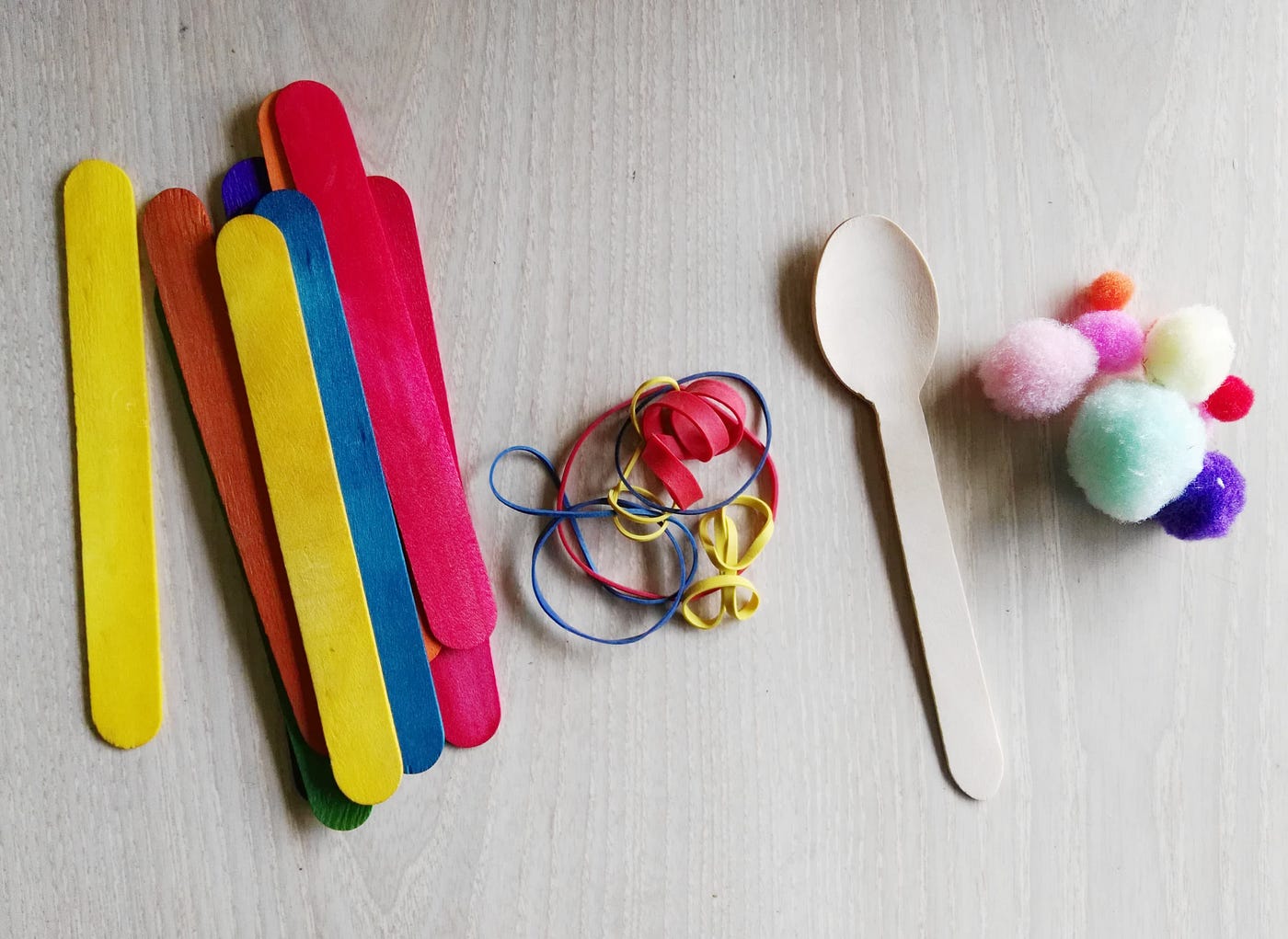
Gathering the right materials makes building a catapult easy and fun. Using simple items helps create a strong and working catapult. Keep your supplies ready before starting the project. This saves time and avoids interruptions during assembly.
List Of Supplies
- 6 to 8 popsicle sticks
- 1 plastic or wooden spoon
- Rubber bands (3 to 4)
- Small glue or craft glue (optional)
- Lightweight projectiles like marshmallows or small balls
Choosing The Right Popsicle Sticks
Pick sturdy and smooth popsicle sticks. They should not be cracked or weak. Uniform size sticks work best for balance. Wooden sticks offer good strength. Avoid thin or flexible sticks, as they break easily.
Selecting The Perfect Spoon
Use a spoon with a deep bowl to hold projectiles well. Plastic or wooden spoons work fine. The handle should be straight and sturdy. Avoid metal spoons; they may be too heavy or sharp.
Credit: medium.com
Step-by-step Assembly
Building your catapult starts with assembling a strong base. This foundation will support all other parts and ensure your catapult works smoothly. Pay attention to the stability of the base, as it affects the accuracy and distance of your launches.
Building The Base
Lay down three popsicle sticks side by side, making sure they are aligned evenly. Use two more sticks to cross over these horizontally, placing one at each end to form a rectangle. Secure the joints tightly with rubber bands to create a firm and steady base.
Ask yourself: Is the base stable enough to hold the tension without wobbling? Testing this early prevents frustration later.
Attaching The Spoon
Choose a sturdy plastic spoon as the launching cup. Place the spoon with its handle resting on the center of the base, so the bowl is facing outward. Use rubber bands to wrap around the spoon handle and the base sticks, holding it firmly in place.
Make sure the spoon doesn’t shift when you press down on it. A loose spoon means unpredictable launches.
Adding The Launch Arm
Take an additional popsicle stick to act as the launch arm. Attach one end of this stick to the base near the spoon’s handle using a rubber band, allowing it to pivot. The other end will be where you place your projectile.
Try moving the arm gently to see if it swings smoothly. If it feels too tight or loose, adjust the rubber band tension to get the right balance.
Securing With Rubber Bands
Rubber bands are crucial for holding everything together and providing the tension needed for launching. Wrap extra bands around critical points: the base corners, the spoon attachment, and the pivot of the launch arm. This reinforcement prevents slipping during use.
Have you ever noticed how different rubber band thicknesses change the power of a catapult? Experimenting with this can help you customize your design.
Tips For Better Performance
Improving the performance of your popsicle stick and spoon catapult makes launching more fun. Small tweaks can help your catapult shoot farther and more accurately. These tips focus on key parts you can change easily to boost power and control.
Adjusting Tension
The tension in the rubber bands controls how far your catapult launches. Try using bands with different thicknesses to find the right strength. Tighten or loosen the bands by wrapping them more or less around the sticks. Stronger tension gives more power, but too tight can break the sticks.
Balancing The Catapult
Balance affects how straight and steady the catapult fires. Make sure the base stands firm and flat on the surface. Check that the spoon arm is centered and not leaning to one side. Adding small weights to the base can stop it from tipping during launch.
Choosing Launch Projectiles
Selecting the right objects to launch changes the distance and accuracy. Small, light items like cotton balls or paper balls fly farther. Heavier objects can reduce range but improve aim. Test different sizes and weights to see what works best with your catapult.

Credit: www.wikihow.com
Creative Variations
Experiment with different spoon sizes and stick arrangements to change how far your catapult can launch. Small tweaks can make your model stronger or shoot farther. Trying various designs keeps the project fun and helps you learn more.
Building a catapult with popsicle sticks and a spoon is just the beginning of a fun and creative journey. Once you've mastered the basic structure, there are countless ways to customize and improve your catapult for both style and performance. Dive into these creative variations to make your project truly unique and exciting!
Decorating Your Catapult
Why settle for plain when you can have extraordinary? Personalize your catapult with vibrant colors and designs. Use paint, markers, or stickers to add flair. A dash of glitter can transform your catapult into a sparkling masterpiece. You could even theme it around your favorite superhero or movie. Your decoration choices are endless and allow your personality to shine through.
Experimenting With Sizes
Size does matter when it comes to catapults! Experiment with different lengths and widths of popsicle sticks. Try building a larger version to see how far it can launch. Or, make a mini version and test its precision in hitting smaller targets. The size of the spoon can also affect performance, so test different types to find the perfect fit. Have you ever considered how a change in size might alter the dynamics of your catapult?
Using Different Materials
Popsicle sticks and a spoon form the core, but why not mix in new materials? Rubber bands offer different tension levels, impacting launch distance. Consider using wooden dowels or skewers for a sturdier frame. What about adding a bottle cap or a small cup as a launch holder for varied payloads? By experimenting with different materials, you can enhance both the look and the functionality of your catapult. What new possibilities can you uncover by thinking outside the box?
Safety Precautions
Building a catapult with popsicle sticks and a spoon is fun and easy. Safety is very important during this project. Taking simple precautions helps prevent accidents and keeps everyone safe. These safety tips focus on how to launch safely and how adults can watch over kids.
Safe Launching Practices
- Always aim the catapult away from people and pets.
- Check the area for breakable objects before launching.
- Use soft, lightweight objects as projectiles to avoid injury.
- Keep hands and faces clear of the spoon’s path.
- Launch in open spaces with plenty of room.
Supervision Tips For Kids
- Adults should always watch children while building and playing.
- Explain the dangers of careless launching before starting.
- Help children understand how to use the catapult properly.
- Stop play immediately if anyone acts unsafely.
- Encourage calm and careful handling of all materials.

Credit: littlesproutslearning.co
Frequently Asked Questions
How Do You Make A Catapult With Popsicle Sticks?
To make a catapult, stack popsicle sticks and secure them with rubber bands. Attach a spoon as the launching arm. This simple design creates tension and allows you to launch small objects easily.
What Materials Are Needed To Build A Popsicle Stick Catapult?
You need popsicle sticks, rubber bands, a plastic spoon, and glue. Optional items include small projectiles like marshmallows or paper balls for launching.
How Does A Popsicle Stick Catapult Work?
The catapult uses stored elastic energy from bent sticks. When released, this energy propels the spoon forward, launching the projectile with force.
Can Kids Safely Build And Use This Catapult?
Yes, this catapult is safe for kids with adult supervision. It uses simple materials and low force, making it ideal for educational play.
Conclusion
Building a catapult with popsicle sticks and a spoon is simple and fun. You only need a few materials to start. This project helps you learn basic physics and creativity. Try different designs to see which one works best. You can use it for small toys or paper balls.
It’s a great way to spend time and enjoy making things. Give it a try and watch your catapult fly!