Your bamboo cutting board is more than just a kitchen tool—it’s an investment in your cooking experience. But without proper care, it can dry out, crack, or harbor bacteria.
Wouldn’t you want your board to stay strong, clean, and beautiful for years? This guide will show you simple, effective steps to maintain your bamboo cutting board, so you can keep chopping and slicing with confidence every time. Ready to learn how to protect your kitchen essential?
Let’s dive in.
Choosing The Right Bamboo Board
Choosing the right bamboo cutting board is more important than many realize. The quality and type of board you pick affects not only its durability but also how well it maintains sharp knives and resists stains. Your kitchen experience becomes smoother when your board matches your cooking style and care routine.
Types of Bamboo Boards
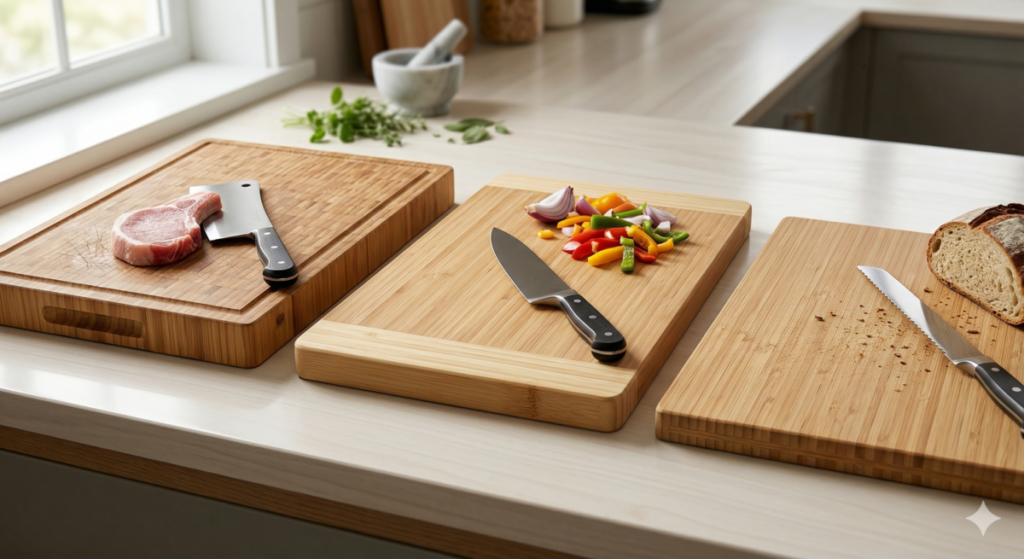
Bamboo cutting boards come in various styles, each designed for different uses and preferences. You’ll find:
- Edge-Grain Boards:These have bamboo strips laid flat, creating a smooth surface. They are gentler on knives but can show wear more quickly.
- End-Grain Boards:Made with bamboo fibers standing vertically, these boards are tougher and self-healing, ideal if you chop a lot.
- Flat-Grain Boards:A balance between edge and end grain, these offer moderate durability and knife-friendliness.
Think about how often you cook and what kind of chopping you do. A heavy-duty end-grain bamboo cutting board might be overkill if you only slice vegetables occasionally.
Benefits Of Bamboo
Bamboo is a smart choice for cutting boards beyond its natural beauty. It grows quickly, making it an eco-friendly option that doesn’t sacrifice strength. Bamboo boards are naturally antimicrobial, which helps keep your food prep safer.
They resist water better than many hardwood boards, meaning they are less likely to warp or crack. Plus, bamboo's hardness means your knives stay sharper longer, saving you time and money on sharpening.
Have you noticed how some boards stain easily or absorb smells? Bamboo’s dense structure helps prevent this, keeping your kitchen smelling fresh and looking clean.
Daily Cleaning Tips
Keeping your bamboo cutting board clean every day helps it last longer. Daily cleaning removes food residue and stops bacteria growth. Gentle care preserves the board’s natural look and strength.
Proper Washing Techniques
Rinse the board with warm water right after use. Use a soft sponge or cloth to scrub it gently. Mild dish soap works well for cleaning. Avoid soaking the board in water to prevent warping. Dry the board quickly with a clean towel. Stand it upright to air dry completely.
Avoiding Harsh Chemicals
Harsh chemicals can damage bamboo fibers and finish. Skip bleach and strong detergents. These can cause cracks and rough surfaces. Stick to gentle, natural cleaning agents only. Vinegar diluted in water can disinfect without harm. Keep your board safe and healthy with mild care.
Deep Cleaning Methods
Deep cleaning your bamboo cutting board helps keep it safe and fresh. Regular cleaning removes hidden dirt and bacteria. Deep cleaning also restores the board’s natural look. It extends the life of your bamboo board.
Removing Stains And Odors
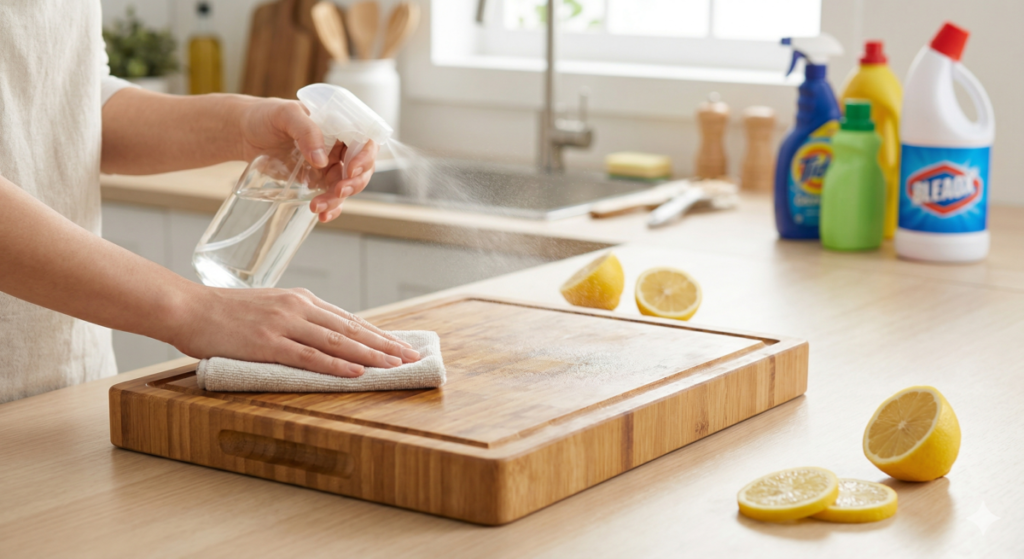
Stains and odors can stick to bamboo easily. Use a simple paste made of baking soda and water. Rub this paste gently onto the board with a soft cloth. Let it sit for 10 minutes. Rinse the board with warm water and dry it well.
Lemon juice is another great cleaner. Cut a lemon in half and rub it over the board. The natural acid breaks down stains and removes smells. Let the lemon juice sit for a few minutes before rinsing.
Using Natural Cleaners
Vinegar is a safe natural cleaner for bamboo boards. Mix equal parts white vinegar and water in a spray bottle. Spray the board and wipe it with a clean cloth. Vinegar kills bacteria and deodorizes without harming the wood.
For extra freshness, sprinkle coarse salt on the board. Scrub it with half a lemon. This method cleans and polishes the surface gently. Rinse with water and dry immediately to avoid warping.
Drying And Storage
Proper drying and storage are key to keeping your bamboo cutting board in great shape. Moisture left on the board can cause damage. Storing the board correctly helps it stay flat and clean. Follow these tips to extend the life of your bamboo cutting board.
Preventing Warping
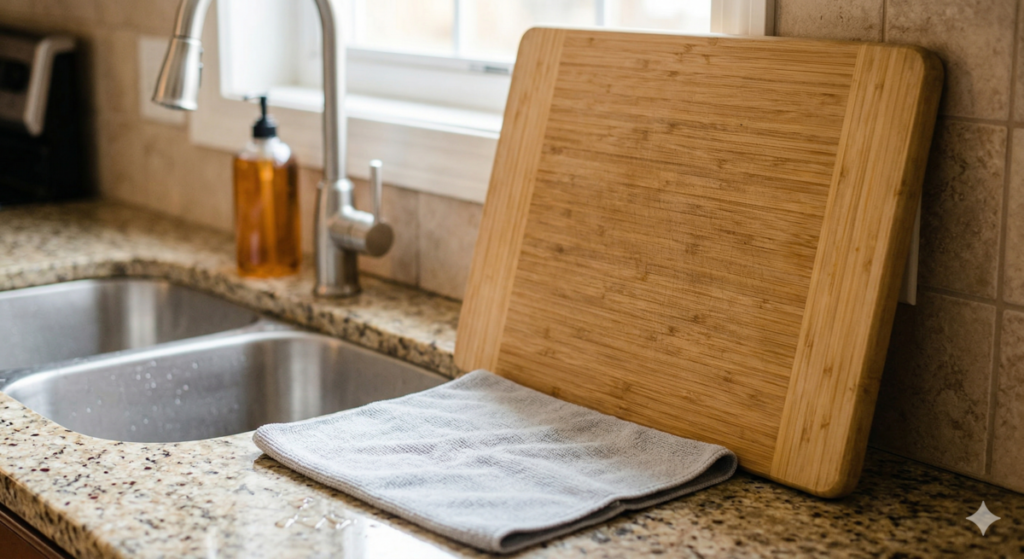
Warping happens when bamboo absorbs water unevenly. Dry the board right after washing. Use a clean towel to remove excess water. Stand the board upright or lean it against a wall. Avoid laying it flat while wet. Keep the board away from direct heat or sunlight. These steps help the board dry evenly and stay flat.
Best Storage Practices
Store the bamboo board in a dry place. Avoid tight spaces that trap moisture. Use a vertical cutting board rack to store it. Make sure air can circulate around the board. Keep it away from humid areas like under the sink. Regularly check the board for any signs of mold or damage. Proper storage keeps your bamboo board clean and long-lasting.
Regular Conditioning
Regular conditioning keeps your bamboo cutting board strong and safe. It stops cracks and warping from drying out the wood. A well-oiled board stays smooth and resists stains. This simple care step extends your board’s life and keeps it looking new.
Choosing The Right Oil
Use food-safe oils to protect your board. Food-grade mineral oil works best because it does not spoil. Avoid cooking oils like olive or vegetable oil. They can turn rancid and smell bad. Beeswax or a blend with mineral oil adds extra protection. These oils soak into the bamboo and lock out moisture.
How To Oil Your Board
Start with a clean, dry board. Apply a small amount of oil using a soft cloth. Rub the oil evenly in circular motions. Cover all surfaces, including sides and edges. Let the oil soak in for at least a few hours or overnight. Wipe off any extra oil with a dry cloth. Repeat this process every few weeks for best results.
Avoiding Common Damages
Maintaining your bamboo cutting board means protecting it from common damages that can shorten its life and ruin its appearance. Small habits can cause cracks, splits, or deep knife marks that not only look bad but also harbor bacteria. You have the power to keep your board strong and safe with simple care choices.
Preventing Cracks And Splits
Cracks and splits often happen when bamboo boards dry out or absorb too much water. Avoid soaking your board in water or putting it in the dishwasher. Instead, wipe it clean with a damp cloth and dry it immediately with a towel.
Applying a food-safe mineral oil regularly creates a protective layer that keeps bamboo hydrated and less prone to cracking. Think of oiling your board as giving it a daily drink—skip it, and the wood becomes brittle over time. How often you oil depends on use, but a good rule is once a month or whenever the board looks dry.
Handling Knife Marks
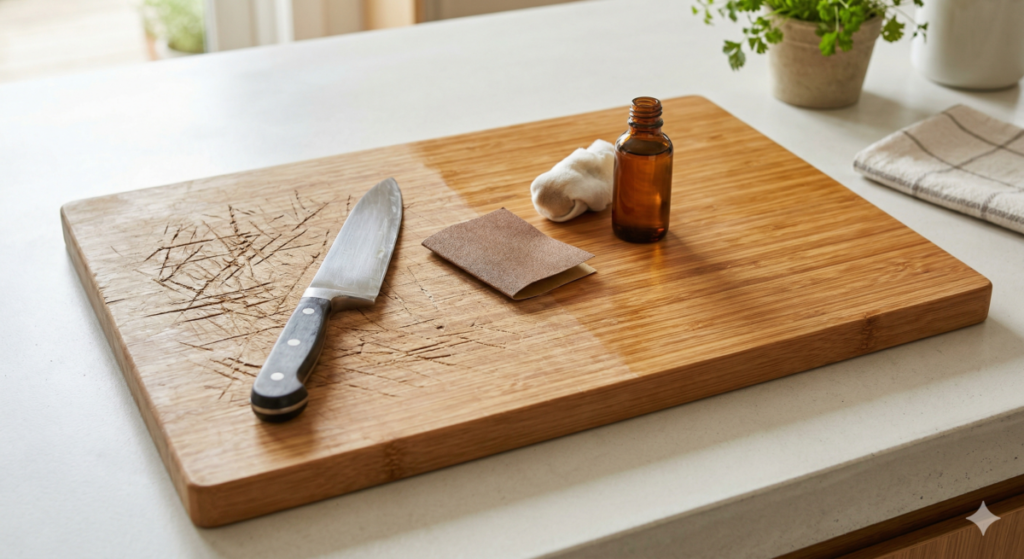
Knife marks are inevitable, but deep cuts can damage your board and make cleaning harder. Using sharp knives and cutting gently reduces the force needed, which means fewer marks. Have you noticed how a dull knife causes more scraping and pressure? 🛒 Investing in a good knife sharpener protects both your hands and your board.
If knife marks do appear, sanding the surface lightly with fine-grit sandpaper can smooth out the grooves. After sanding, reapply mineral oil to restore moisture and shine. Regular maintenance keeps your bamboo cutting board looking fresh and safe for food prep.
When To Replace Your Board
Maintaining a bamboo cutting board ensures its longevity. Yet, there comes a time when replacing it becomes necessary. Knowing when to replace your board helps keep your kitchen safe and clean.
Signs of Wear
A bamboo cutting board shows signs of wear over time. Check for deep cuts or grooves. These can harbor bacteria and are hard to clean. Look for warping. A board that doesn't sit flat on the counter is risky. Notice any unpleasant odors. Persistent smells indicate a board may be beyond cleaning.
Recycling Old Boards
Don't throw away an old bamboo board. Repurpose it instead. Use it as a plant stand or a base for DIY projects. Cut it into smaller pieces for coasters or trivets. If recycling facilities accept bamboo, consider that option too. This helps in reducing waste and benefits the environment.
Frequently Asked Questions
How Often Should I Oil My Bamboo Cutting Board?
Oiling your bamboo cutting board once a month keeps it hydrated. It prevents cracking and warping. Use food-grade mineral oil for best results.
Can Bamboo Cutting Boards Go In The Dishwasher?
No, avoid dishwasher use. High heat and water damage bamboo. Hand wash with mild soap and dry immediately to maintain longevity.
How Do I Remove Stains From Bamboo Cutting Boards?
Use a paste of baking soda and water to scrub stains gently. Rinse well and dry. Avoid harsh chemicals that can damage the board.
Is Bamboo Cutting Board Safe For Food Preparation?
Yes, bamboo is naturally antimicrobial and durable. It resists knife scarring and bacteria growth. Always clean and dry after use for safety.
Conclusion
Caring for your bamboo cutting board keeps it strong and safe. Clean it with mild soap and warm water after use. Dry it well to avoid cracks or warping. Regularly oil the board to keep it smooth and shiny. Avoid soaking or putting it in the dishwasher.
These small steps help your board last longer. Enjoy cooking with a well-maintained bamboo board every day. Simple care means better food safety and a happier kitchen. Keep your bamboo board in great shape with these easy tips.