Moving your refrigerator onto a truck might seem simple, but one wrong step can cause damage to your appliance or even injure you. You want to make sure your fridge stays safe and works perfectly when it arrives at your new place.
In this guide, you’ll learn easy and practical steps to load your refrigerator securely. By following these tips, you’ll save time, avoid costly repairs, and protect your investment. Keep reading to discover how to handle your fridge like a pro and make your move smoother than ever.
Prepare The Refrigerator
Preparing the refrigerator before loading it onto a truck is crucial. It protects the appliance and keeps your belongings safe during the move. Taking a few simple steps can prevent damage and reduce mess. Follow these tips to get your refrigerator ready for transport.
Empty And Clean
Remove all food items from the refrigerator and freezer. Check for any expired or unwanted products and throw them away. Wipe down the interior shelves and drawers with a mild cleaner. Clean surfaces prevent odors and mold growth during the move. Dry all parts thoroughly to avoid moisture build-up.
Defrost And Dry
Turn off the refrigerator and unplug it from the power source. Allow the freezer to defrost completely to stop water leaks. Place towels or a shallow pan under the fridge to catch melting ice. After defrosting, wipe any remaining moisture inside. Let the refrigerator air dry for several hours to ensure it is fully dry.
Secure Loose Parts
Remove or secure loose shelves, drawers, and door bins. Use tape or plastic wrap to hold smaller pieces in place. Secure the doors shut with straps or bungee cords to prevent opening. This stops damage from shifting parts during transport. Check the refrigerator’s manual for specific instructions on securing components.
Choose The Right Equipment
Choosing the right equipment is crucial when loading a refrigerator onto a truck. It not only makes the process safer but also protects your appliance from damage. The right tools help you handle the heavy weight and awkward size with ease, reducing the risk of injury or costly repairs.
Use A Dolly Or Hand Truck
A sturdy dolly or hand truck can be a game-changer. It allows you to move your refrigerator smoothly without straining your back. Look for one with a strong base and secure straps to keep the fridge steady during transport.
Make sure the dolly has pneumatic tires if you need to navigate uneven surfaces or stairs. This can prevent sudden jolts that might damage the appliance. Have you ever tried pushing a fridge on a flat cart? It’s much harder than using a dolly designed for heavy loads.
Gather Moving Straps And Blankets
Moving straps give you extra control when lifting and carrying the refrigerator. They help distribute the weight evenly across your shoulders, making it easier to maneuver tight spaces. Adjustable straps with padded handles reduce discomfort and prevent slipping.
Blankets are essential for protecting your refrigerator’s exterior. Wrap the fridge in thick moving blankets to shield it from scratches and dents. Secure the blankets with tape or straps to keep them from slipping during the move.
Have you considered how much damage a small bump can cause? Using blankets and straps isn't just about convenience—it’s about preserving your investment.
Plan The Loading Process
Plan the loading process by measuring the truck space and fridge size carefully. Arrange items to keep the refrigerator upright and secure. Prepare padding to prevent damage during transit.
Planning the loading process when moving a refrigerator onto a truck is crucial for a smooth and safe experience. It can be a daunting task, but with a few strategic steps, you'll make the move much easier. Let's dive into the essential preparations to ensure everything goes off without a hitch.
Measure Doorways And Truck Space
Before you start moving the refrigerator, grab a tape measure. Measure the height and width of your refrigerator, then compare it to the dimensions of your doorways and the truck space. This prevents frustrating surprises and ensures you won’t damage the appliance or your home. Make sure there’s enough clearance for the fridge to pass through all doorways. If it’s a tight fit, consider removing the refrigerator doors or any obstacles like handles. This might sound tedious, but taking a few minutes to do this can save you hours of hassle later.
Clear Pathways
Now that you know the refrigerator will fit, it's time to prepare the path. Clear any obstacles from the areas you’ll be moving through. Remove rugs, furniture, or any tripping hazards that could make the process risky. Think about your helpers too. They need space to maneuver safely. A clear path not only makes the job easier but also prevents injuries and damage to both your home and the refrigerator. Have you ever tried moving something bulky only to realize the path was blocked? It’s frustrating, right? Avoid this by ensuring everything is out of the way before you begin.
Lift And Move Safely
Lifting and moving a refrigerator onto a truck requires careful attention to safety. This isn’t just about avoiding damage to the appliance but also about protecting yourself from injury. Handling heavy objects like refrigerators demands the right technique and support to prevent strain and accidents.
Get Help To Lift
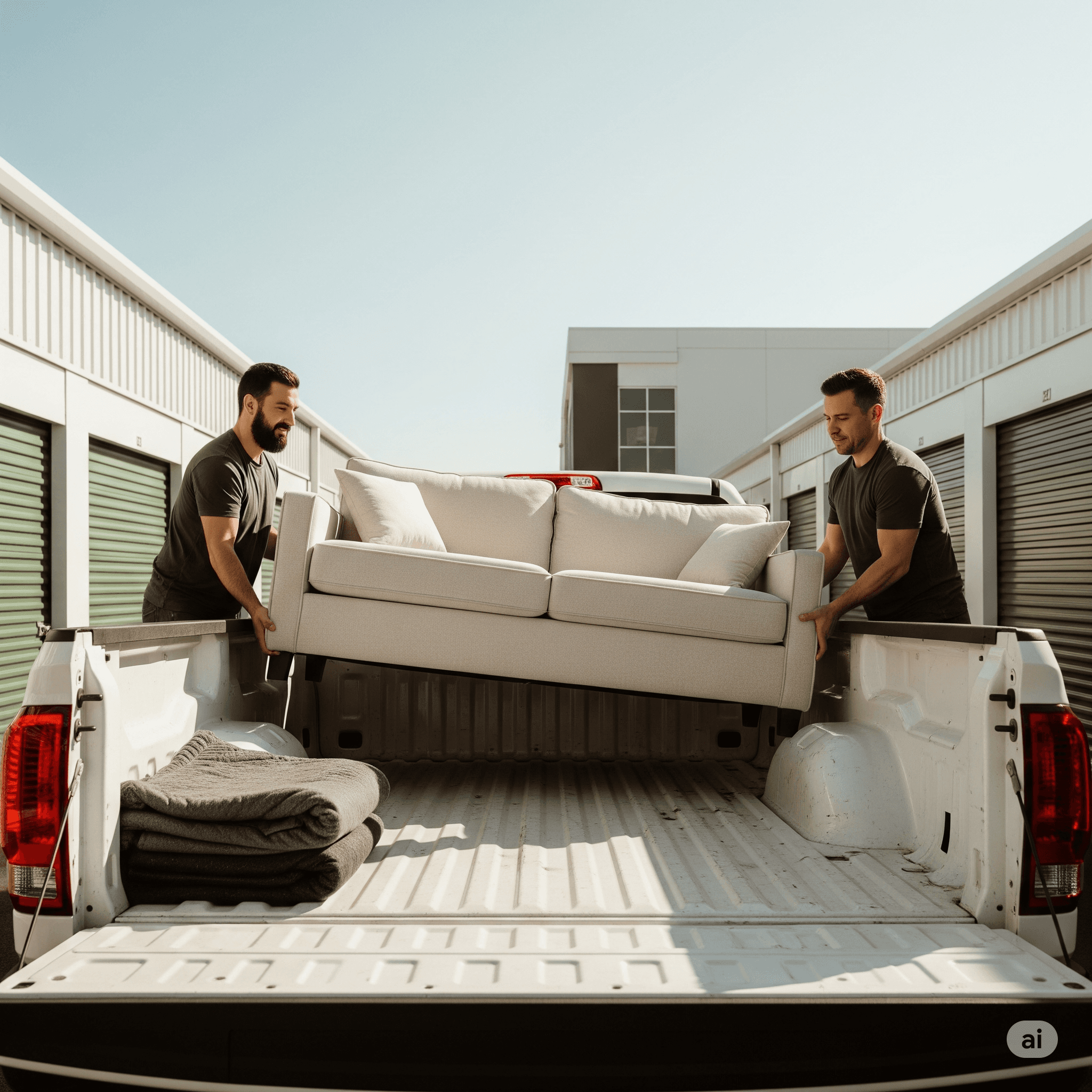
Never attempt to lift a refrigerator alone. Its weight and awkward shape make it risky for one person to handle. Ask a friend or family member to assist you; having extra hands distributes the load and makes the job easier.
Using a dolly or hand truck can also reduce the effort required. These tools keep the refrigerator stable and help you move it without excessive strain. Have someone steady the appliance while you maneuver it onto the truck to avoid tipping.
Maintain Proper Posture
How you position your body while lifting matters a lot. Bend your knees, not your back, and keep your back straight. This posture protects your spine and uses the strength of your legs to lift.
Hold the refrigerator close to your body to maintain balance and control. Avoid twisting your torso while carrying the appliance; instead, turn your whole body by moving your feet. This reduces the risk of muscle injuries and keeps your movements safe.
Position The Refrigerator In The Truck
Positioning the refrigerator correctly inside the truck is key for safe transport. Proper placement prevents damage and keeps the appliance stable. It also makes unloading easier and protects the truck’s interior.
Keep Upright Position
Always keep the refrigerator standing upright during loading. Laying it on its side can harm internal parts and cause leaks. The compressor uses oil that must stay in place. Upright positioning protects the fridge’s cooling system and helps it work properly after moving.
Place Against Stable Surface
Place the refrigerator against a solid, flat surface inside the truck. This stops it from sliding or tipping over during transit. Use straps or ropes to secure it tightly. Ensure the surface can handle the fridge’s weight. Padding between the fridge and truck walls adds extra protection.

Credit: blog.hireahelper.com
Secure The Refrigerator
Securing the refrigerator inside the truck is essential for safe transportation. Properly securing prevents damage from bumps and sudden stops. It keeps the appliance stable and protects both the refrigerator and the truck.
Use Straps To Prevent Movement
Straps hold the refrigerator firmly in place. Use strong, adjustable straps designed for heavy loads. Wrap the straps around the refrigerator and attach them to anchor points in the truck. Tighten the straps enough to stop any shifting but avoid overtightening that could damage the fridge. Check the straps regularly during the trip to maintain tightness.
Add Padding For Protection
Padding cushions the refrigerator from shocks and vibrations. Use blankets, foam, or bubble wrap to cover the fridge's sides and corners. Place extra padding between the fridge and the truck walls. This layer absorbs impact and prevents scratches. Padding also helps reduce noise caused by movement during the drive.
Drive With Care
Driving with care is essential when transporting a refrigerator on a truck. The appliance is heavy and bulky, making it prone to shifting or damage during transit. Maintaining steady control helps protect your refrigerator and ensures a safe journey to its destination.
Avoid Sudden Stops And Turns
Sudden braking or sharp turns can cause the refrigerator to tip or slide. Keep your speed steady and brake gradually to reduce the risk of movement. Smooth steering helps maintain balance and keeps the load secure. Plan your route to avoid rough roads or tight corners that require quick maneuvers.
Check Stability Regularly
Stop periodically to inspect the refrigerator’s position. Make sure straps or ties remain tight and the appliance is stable. Adjust any loose restraints immediately to prevent shifting. Regular checks during stops keep the load secure and prevent damage from unexpected movement.

Credit: royalmovingco.com
Credit: www.laborhutt.com
Frequently Asked Questions
How Do I Prepare A Refrigerator For Truck Loading?
Unplug the refrigerator and empty all contents. Defrost and clean it thoroughly. Secure the doors with tape or straps to prevent opening during transit.
What Is The Best Way To Protect A Refrigerator During Moving?
Use moving blankets or padding to cover the refrigerator. Secure it with straps to avoid shifting. Place it upright to prevent compressor damage.
Can I Lay A Refrigerator Flat On A Truck?
No, always keep the refrigerator upright. Laying it flat can cause oil to leak from the compressor, damaging the appliance.
How Should I Secure A Refrigerator Inside A Moving Truck?
Use strong straps or ropes to fasten the refrigerator to the truck’s anchor points. Make sure it doesn’t move or tilt during transportation.
Conclusion
Loading a refrigerator on a truck needs care and planning. Secure the fridge well to stop it from moving. Use blankets or padding to protect its surface. Keep it upright to avoid damage inside. Take your time and follow safety steps.
This will help your fridge reach its place safely. Simple actions can prevent costly repairs later. Trust the process for a smooth move.