Lighting your Weber charcoal grill without a chimney might seem tricky at first, but it doesn’t have to be. If you’ve ever struggled to get your coals burning evenly or felt frustrated waiting for your grill to heat up, this guide is for you.
You’ll learn simple, effective steps that save you time and effort, so you can focus on what matters most—cooking delicious food. Keep reading, and soon you’ll be grilling like a pro, even without that chimney starter.
Credit: www.hungryhuy.com
Choosing The Right Charcoal
Choosing the right charcoal is key to a successful grilling session. The charcoal you pick affects heat, flavor, and cooking time. Not all charcoals are the same. Some burn hotter, some longer, and others add more smoky flavor. Knowing which type works best for your Weber grill helps you get great results every time.
Types Of Charcoal For Weber Grills
There are two main types of charcoal used in Weber grills: lump charcoal and briquettes. Each type has unique features that suit different grilling styles.
- Lump Charcoal:Made by burning wood in a low oxygen environment. It is irregular in shape and size.
- Charcoal Briquettes:Made from compressed charcoal dust and other additives. They are uniform in shape.
Both types work well with Weber grills but produce different results in heat and flavor.
Benefits Of Lump Charcoal Vs Briquettes
| Feature | Lump Charcoal | Briquettes |
|---|---|---|
| Burn Time | Burns faster, shorter heat time | Burns longer, steady heat |
| Heat Output | Produces higher heat, good for searing | More consistent heat, good for slow cooking |
| Flavor | Natural smoky flavor from wood | Mild flavor, some additives may affect taste |
| Ash Production | Less ash, easier to clean | More ash, may need frequent cleaning |
Pick lump charcoal for quick, hot grilling. Choose briquettes for longer, controlled cooking. The choice depends on your grilling style and food type.
Preparing The Grill
Getting your Weber charcoal grill ready without a chimney starts with solid preparation. A clean and well-arranged grill sets the stage for an even burn and better-tasting food. Skipping these prep steps can make lighting your grill harder and grilling less enjoyable.
Cleaning The Grill Grate
Start by removing any leftover ash or debris from the last cookout. Use a grill brush or a ball of aluminum foil held with tongs to scrub the grate thoroughly. This prevents old food particles from burning and affecting your meal’s flavor.
Don’t forget to wipe the grate with a damp cloth after brushing to remove loose bits. If you notice stubborn grease, sprinkle some baking soda and scrub again—it works wonders. A clean grate also helps your food cook evenly and makes flipping easier.
Arranging The Charcoal Bed
Without a chimney starter, how you stack your charcoal matters a lot. Arrange the briquettes in a mound or pyramid shape in the center of the grill. This shape helps the coals catch fire faster and burn evenly.
If you want to control the heat better, try creating two zones: pile most of the charcoal on one side for direct high heat, and leave the other side with fewer coals for indirect cooking. This setup gives you more flexibility to manage your cooking temperature.
Have you tried lighting charcoal in a flat layer? It often takes longer to ignite and can lead to uneven heat distribution. Experiment with these arrangements to find what works best for your grilling style.
Alternative Lighting Methods
Lighting a Weber charcoal grill without a chimney can be simple with the right approach. Alternative lighting methods work well and require common items. These methods help get your charcoal ready for cooking without extra tools. Choose the one that fits your needs and materials.
Using Lighter Fluid Safely
Lighter fluid is a quick way to start charcoal. Pour a small amount evenly over the coals. Let the fluid soak in for a minute. Light the charcoal carefully with a match or lighter. Avoid adding fluid to hot or burning coals. Allow the flames to die down before cooking to avoid flare-ups.
Towel Or Paper Fire Starter
Use a towel or crumpled paper to ignite charcoal. Twist a damp towel tightly or crumple dry paper. Place it under the charcoal pile. Light the towel or paper gently. The fire will spread to the coals slowly. Be careful not to use too much paper to avoid excessive smoke.
Electric Charcoal Starter
An electric starter heats the charcoal without flame or chemicals. Place the coil inside the charcoal pile. Plug it in and wait for 8 to 10 minutes. The coals will begin to glow red. Unplug and remove the starter carefully. Allow the coals to burn evenly before cooking.
Natural Fire Starters
Natural fire starters include wood chips, pine cones, or wax cubes. Place a few starters under the charcoal. Light them with a match or lighter. These materials burn slowly and ignite charcoal gradually. They add a mild aroma to the grill. Choose natural starters for a chemical-free option.

Credit: visapoint.travel
Lighting Steps Without A Chimney
Lighting a Weber charcoal grill without a chimney might seem tricky, but it’s entirely doable with the right approach. The key is to create a steady, controlled fire that will burn evenly and give you that perfect grilling heat. Let’s break down the essential steps so you can get your grill going smoothly without any special tools.
Setting Up The Charcoal
Start by arranging your charcoal in a pile at the center of the grill’s charcoal grate. You want to build a small mound, about the size of a fist or slightly larger, to help the fire catch quickly. Avoid spreading the charcoal flat, as it makes ignition harder and uneven.
Place some natural fire starters or crumpled newspaper underneath the charcoal pile. Avoid using lighter fluid directly on the charcoal; it can alter the taste and be unsafe. If you want a quick tip, try using dry twigs or small wood shavings mixed with the charcoal for an easier start.
Igniting The Fire
Light the fire starters or paper from multiple points to encourage an even burn. Watch closely as the flames begin to spread across the charcoal mound. Don’t rush to close the grill lid just yet—oxygen is your friend here, so leave the vents wide open to feed the fire.
If the charcoal isn’t catching after a few minutes, add a bit more dry kindling or gently blow at the base of the fire to boost oxygen flow. Have you noticed how a little airflow can make a big difference? It’s like giving your fire a breath of fresh life.
Allowing Charcoal To Ash Over
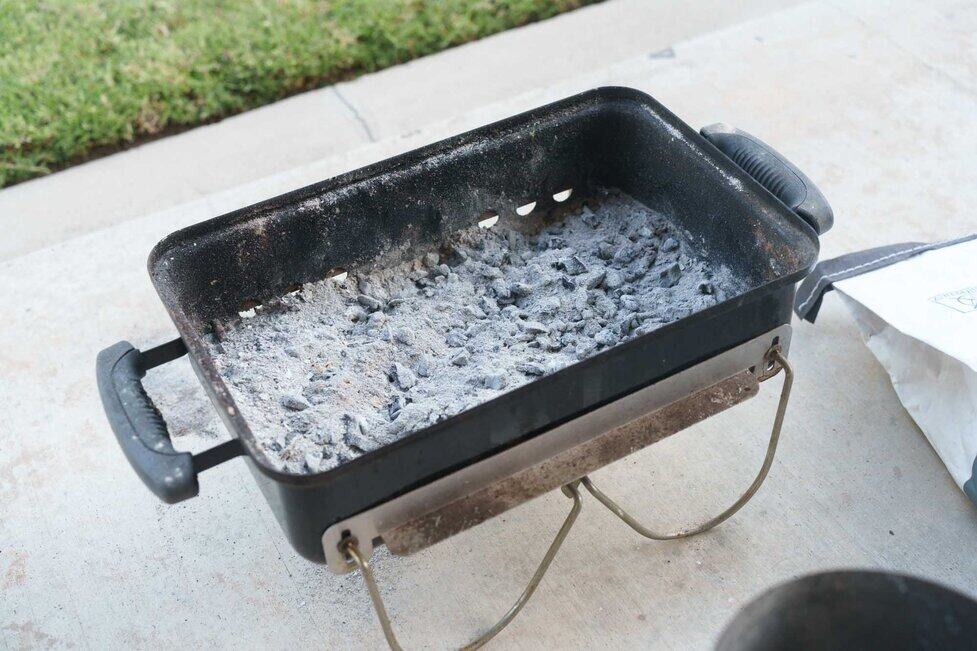
Once the charcoal is burning bright, wait patiently for the edges to turn grayish-white with ash. This usually takes about 15 to 20 minutes. The ash layer signals that the charcoal is hot and ready for cooking, providing even heat without flare-ups.
Resist the temptation to start cooking too early. Placing food on under-heated coals can cause sticking and uneven cooking. When you see that beautiful coating of ash, you’ll know your grill is primed for a delicious barbecue session.
Maintaining The Fire
Lighting a Weber charcoal grill without a chimney is simple. Arrange charcoal in a pyramid shape. Use lighter fluid or natural fire starters for ignition. Wait for the coals to turn gray before cooking. This method ensures even heat and enhances your grilling experience.
Maintaining a steady fire on a Weber charcoal grill is crucial. It ensures your food cooks evenly and to perfection. Without a chimney, this task needs careful attention. Let’s dive into some essential tips.
Adjusting Air Vents
Air vents control airflow inside your grill. More air means a hotter fire. Open the top and bottom vents to increase heat. Close them slightly to cool things down. Check the vents regularly for ash blockages. Keep them clean for consistent airflow.
Adding More Charcoal
Charcoal burns out over time. Add more to keep the fire strong. Use tongs to place new coals carefully. Avoid disturbing the existing fire. Arrange the coals evenly for balanced heat. This helps maintain a consistent temperature.
Managing Temperature For Cooking
Temperature control is key for good grilling. Use a grill thermometer to monitor the heat. Adjust vents or add charcoal to reach the desired temperature. Keep the grill lid closed as much as possible. This retains heat and cooks the food evenly. Frequent checking can cause temperature fluctuations.
Safety Tips
Lighting a Weber charcoal grill without a chimney demands extra attention to safety. Charcoal fires can be unpredictable, so you must handle every step with care. Here are crucial safety tips that help you avoid accidents and enjoy your grilling experience confidently.
Handling Flammable Liquids
Never pour flammable liquids directly onto hot or even warm charcoal. This can cause dangerous flare-ups and explosions. Instead, use only approved fire starters or lighter cubes designed for grills.
If you must use lighter fluid, apply it to cold charcoal and allow it to soak in before lighting. Keep the fluid bottle away from the grill to prevent accidental ignition. Have a spray bottle of water nearby to control unexpected flames.
Grill Placement And Ventilation
Set your grill on a flat, stable surface away from any flammable materials like dry leaves or wooden decks. Avoid grilling indoors or in enclosed spaces; good ventilation is critical to prevent carbon monoxide buildup.
Think about wind direction. Position your grill so smoke and heat blow away from your seating area and house. This helps keep the area safe and comfortable for everyone.
Using Proper Tools
Use long-handled tongs and heat-resistant gloves to handle charcoal and adjust vents. These tools protect your hands from burns and give you better control over the fire.
Have a metal scoop or shovel nearby for moving hot coals safely. Avoid plastic or wooden tools that can melt or catch fire easily. Good tools make grilling safer and more efficient.
Common Mistakes To Avoid
Lighting a Weber charcoal grill without a chimney can be straightforward if you avoid some common pitfalls. These mistakes often slow down the process or make it unsafe. Knowing what to watch out for will save you frustration and get your grill ready faster.
Overusing Lighter Fluid
Lighter fluid might seem like a quick fix, but using too much can cause flare-ups and an unpleasant chemical taste in your food. Applying excessive fluid also makes the fire harder to control, increasing safety risks. Instead, use just a small amount and let it soak in for a minute before lighting.
Have you ever noticed a strong, harsh smell while grilling? That’s often the result of too much lighter fluid. Try lighting the charcoal with natural fire starters like crumpled newspaper or dry kindling for a cleaner burn.
Starting With Wet Charcoal
Wet charcoal won’t catch fire easily and produces a lot of smoke. It slows down the heating process and can leave your food tasting smoky or bitter. Always store your charcoal in a dry place and check it before you start.
If you find your charcoal feels damp, consider spreading it out in the sun for a few hours or use a hairdryer to dry it quickly. This simple step can make the difference between a quick fire and a frustrating wait.
Ignoring Grill Ventilation
Good airflow is essential to keep the charcoal burning steadily. Closing all the vents starves the fire of oxygen, causing it to die out or burn unevenly. Make sure to open the bottom and top vents to let air flow freely.
Have you ever wondered why some grills take forever to heat up? The answer might be poor ventilation. Adjusting your vents as the fire grows can help maintain the right temperature and save you from constantly poking the coals.
Credit: www.hungryhuy.com
Frequently Asked Questions
How Can I Start A Weber Grill Without A Chimney Starter?
Use a pile of charcoal with lighter fluid or natural fire starters. Light the fire carefully and wait until coals turn gray.
What Are Safe Alternatives To A Chimney Starter?
Use an electric charcoal starter, lighter cubes, or crumpled newspaper. These methods ignite charcoal safely without a chimney starter.
How Long Does It Take To Light Charcoal Without A Chimney?
It typically takes 15-20 minutes for coals to be ready. Wait until coals are covered with gray ash before cooking.
Can I Use Lighter Fluid On A Weber Charcoal Grill?
Yes, but use lighter fluid sparingly and safely. Allow fluid to soak in before lighting to avoid flare-ups.
Conclusion
Lighting a Weber charcoal grill without a chimney is simple and quick. You only need a few basic tools and patience. Start by arranging the charcoal properly and use safe fire starters. Watch the flames grow and wait for the right heat.
This method works well for casual grilling days. Enjoy cooking outdoors without extra gadgets. Remember, practice helps you get better each time. Now, you can grill anytime without a chimney starter. Happy grilling!