Nothing ruins a barbecue faster than a gas grill that won’t light because of a broken igniter. You’re ready to fire up your favorite meal, but that small clicker that usually sparks the flame has stopped working.
Don’t worry—you don’t need to call a repair person or buy a new grill just yet. You’ll discover simple, safe ways to light your gas grill even when the igniter is broken. Keep reading, and you’ll be enjoying perfectly grilled food in no time.

Credit: www.ebay.com
Check Safety First
Before attempting to light your gas grill with a broken igniter, safety must be your top priority. Gas leaks and improper handling can lead to dangerous situations. Taking a moment to check safety measures can protect you, your family, and your property.
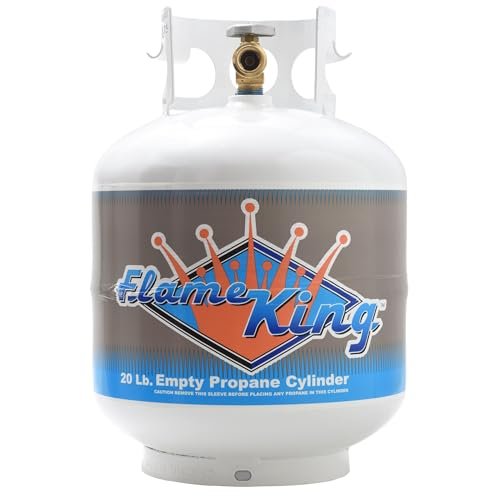
Turn Off Gas Supply
Always start by turning off the gas supply completely. This simple step prevents gas from building up inside the grill, which could ignite unexpectedly. I once skipped this step and accidentally caused a flare-up—trust me, it’s not worth the risk.
Locate the valve on your propane tank or natural gas line, then twist it clockwise until it’s fully closed. Double-check that the knob on your grill is also turned off. These actions stop gas flow and give you control over the grill’s safety.
Inspect For Leaks
Next, inspect your grill for gas leaks before you light it manually. Even a tiny leak can be hazardous. I recommend applying a mixture of soap and water to all connections and hoses.
If you see bubbles forming, that means gas is escaping. Never ignore this sign—tighten connections or replace damaged parts before proceeding. How often do you check your grill’s hoses? Regular inspections can prevent accidents and save you money on repairs.
Credit: www.searspartsdirect.com
Gather Essential Tools
Before you try lighting your gas grill with a broken igniter, it’s crucial to have the right tools on hand. Gathering essential tools not only makes the process safer but also faster. Having everything ready means you won’t have to scramble for something last minute, which can be frustrating when you’re eager to start grilling.
Matches Or Lighter
Matches are a simple and effective way to light your grill. Choose long wooden matches to keep your hand safely away from the flame. If you don’t have matches, a standard lighter will also work, but be cautious of the shorter flame length.
Make sure to keep your matches or lighter dry and easily accessible. Have a few matches in case the first one breaks or goes out quickly. Think about the last time you tried lighting a grill—did you find yourself fumbling with tools? Avoid that hassle by preparing ahead.
Long-reach Lighter Options
A long-reach lighter is one of the safest tools to use when your igniter is broken. Its extended neck allows you to ignite the burner without getting too close to the flames. These lighters often have a trigger mechanism, making them easier to control than standard lighters.
If you don’t own a long-reach lighter, consider picking one up—it’s a smart addition to your grilling kit. They’re affordable, widely available, and can be used for candles, fireplaces, and more. Have you ever struggled lighting a grill in windy conditions? A long-reach lighter often performs better in such situations.
Manual Lighting Steps
Lighting a gas grill without a working igniter is simple and safe with the right steps. Manual lighting lets you enjoy your grill even if the igniter is broken. Follow these steps carefully to avoid accidents and get your grill ready quickly.
Open Grill Lid
Always open the grill lid before lighting. This prevents gas from building up inside. Gas buildup can cause a flare-up or explosion. Keeping the lid open ensures fresh air flows and reduces risk.
Turn On Gas
Locate the gas valve or knob and turn it on slowly. You should hear a slight hiss, which means gas is flowing. Never turn on the gas without being ready to light the burner immediately. This step controls gas flow safely.
Ignite Burner Safely
Use a long match or a grill lighter to ignite the burner. Hold the flame near the burner holes while the gas is on. Light the burner quickly to avoid gas buildup. If the burner does not light, turn off the gas and wait a few minutes before trying again.
Credit: www.searspartsdirect.com
Use Alternative Ignition Methods
If your gas grill’s igniter is broken, don’t let it stop your cookout plans. There are several alternative ignition methods that can get your grill lit safely and quickly. These options require simple tools you may already have at home, making them practical and easy to try.
Flint Striker Technique
A flint striker creates sparks by scraping a metal wheel against a rough surface, igniting the gas. Hold the striker close to the burner’s edge while slowly turning on the gas. A few quick strikes usually produce enough sparks to light the grill.
This method is reliable and doesn’t need batteries or fuel. Keep a flint striker in your grilling kit for emergencies—you never know when the igniter might fail. Have you ever tried this? It’s surprisingly effective and feels rewarding to light your grill this way.
Battery-powered Igniters
Battery-powered igniters are portable and simple to operate. These devices generate a spark using a small electric charge from batteries, making them a perfect replacement for your broken igniter.
Simply position the igniter near the burner and press the button after turning on the gas. Make sure to check battery life beforehand to avoid frustration. Do you carry spare batteries? It’s a small detail that can save your grilling session.
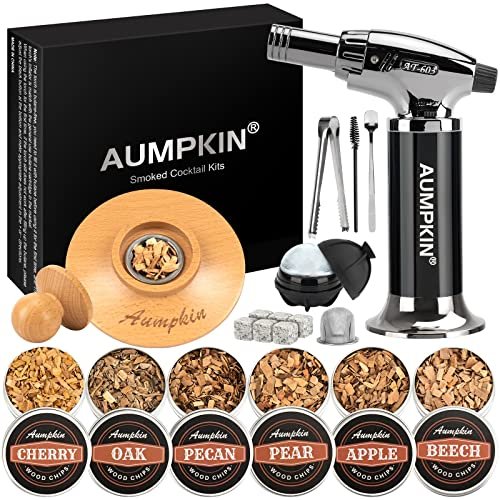
Butane Torch Method
A butane torch is a powerful tool that can light your gas grill in seconds. Aim the flame carefully at the burner while slowly opening the gas valve. The concentrated flame quickly ignites the gas, even in windy conditions.
This method is especially useful if you want instant heat or are grilling in challenging weather. Always handle the torch with care and keep it away from flammable materials. Do you have a butane torch in your tool collection? It’s a handy gadget beyond just lighting grills.
Troubleshoot Common Issues
A broken igniter won’t stop you from grilling. Use a long match or lighter to ignite the gas safely. Always check for gas leaks before lighting.
Lighting a gas grill with a broken igniter can be frustrating, but it's a problem that many grill enthusiasts face. Before you let it ruin your barbecue plans, consider tackling some common issues that might be causing the trouble. Understanding these problems can help you fix them and get back to grilling in no time.
Gas Flow Problems
Gas flow issues are a common culprit when your grill refuses to light. Check to see if the propane tank is full and properly connected to the grill. A loose connection can prevent gas from reaching the burners, so ensure all fittings are tight. If the tank is connected correctly, inspect the regulator. It controls the gas flow, and a malfunctioning regulator can restrict gas supply. You might need to reset it by turning the gas off, disconnecting the regulator, and then reconnecting it after a few minutes.
Blocked Burner Ports
Blocked burner ports can also hinder your grilling experience. Over time, grease and food debris can clog these ports, stopping the gas from igniting. Use a small wire brush or a pin to clear out any obstructions. Regular maintenance, like cleaning the burners after each use, can prevent this issue from occurring. If you've never cleaned your burners, it might be time to give them some attention. An unclogged burner not only ensures even cooking but also extends the life of your grill. Have you ever faced these issues while grilling? Taking a few minutes to troubleshoot can save you from a disappointing barbecue. What's your go-to method for lighting a grill without an igniter? Share your tips and tricks in the comments below!
Prevent Future Igniter Failures
Preventing igniter failures is key to enjoying hassle-free grilling. A broken igniter can disrupt your BBQ plans, but you can reduce the chances of this happening again with simple care habits. Taking a few moments to maintain your grill can save you from frustration and costly repairs.
Regular Cleaning Tips
Grease and debris can quickly build up around the igniter, causing it to malfunction. Clean the igniter area after every few uses to keep it free from buildup.
- Use a soft brush or cloth to wipe away food particles and grease.
- Check the igniter electrode for any signs of corrosion or damage.
- Avoid harsh chemicals that might degrade the igniter’s components.
Have you noticed your igniter sparking weakly before? That’s often a sign it needs cleaning or minor care.
Proper Storage Practices
How you store your grill greatly impacts the igniter’s lifespan. Exposure to rain, dust, or extreme temperatures can wear down its delicate parts.
- Always cover your grill with a weather-resistant cover when not in use.
- If possible, store the grill in a sheltered area like a garage or patio shed during off-seasons.
- Make sure the igniter is dry before storing to prevent rust and electrical issues.
Think about your last grilling season—did your grill stay protected between uses? Small steps here can mean the difference between a working igniter and one that fails when you need it most.
Replace Or Repair Igniter
Dealing with a broken igniter on your gas grill can be frustrating, especially when you’re ready to cook. Instead of postponing your grill session, you have a couple of solid options: replace or repair the igniter. Knowing when to tackle the fix yourself and when to seek professional help can save you time and ensure safety.
Diy Replacement Guide
If you enjoy hands-on projects, replacing the igniter yourself can be straightforward. Start by unplugging the grill and removing the old igniter from its mount. Most igniters are attached with screws or clips, so keep a screwdriver handy.
Next, disconnect the wires carefully. Take a photo or note where each wire connects to avoid confusion. Connect the new igniter wires to the same terminals as the old one.
Secure the new igniter in place and test it by pressing the ignition button. If the spark lights the gas, you’re good to go. Remember, not all igniters are the same, so check your grill’s manual or the igniter model to ensure compatibility.
When To Call A Professional
If your igniter replacement doesn’t spark or you notice gas leaks, stop and call a professional. Gas grills involve flammable fuel, so safety must come first. Professionals can also diagnose deeper issues like faulty wiring or gas valve problems.
Another sign to call a pro is if you’re unsure about handling electrical components. A small mistake can lead to bigger problems or injury. Don’t hesitate to seek expert help if your repairs don’t go as planned or if you feel uncomfortable performing the work.
Frequently Asked Questions
How Can I Light A Gas Grill Without An Igniter?
You can light a gas grill without an igniter by using a long match or a grill lighter. First, turn on the gas, then carefully place the flame near the burner. Always keep your face and body away from the grill while lighting.
Is It Safe To Light A Gas Grill Manually?
Yes, lighting a gas grill manually is safe if done carefully. Always open the lid before lighting to prevent gas buildup. Use a long lighter or match to avoid burns. Follow manufacturer guidelines and ensure the grill is in a well-ventilated area.
What Tools Do I Need To Light A Grill With Broken Igniter?
You need a long-reach lighter or long matches to safely light a grill with a broken igniter. Avoid using short matches to prevent burns. A flashlight might also help if lighting in low light. Always have safety gloves nearby for protection.
Why Won’t My Gas Grill Igniter Spark?
A gas grill igniter may not spark due to dead batteries, dirty electrodes, or loose wiring. Check the battery and replace if needed. Clean the electrode with a wire brush and tighten any loose connections for proper sparking.
Conclusion
Lighting a gas grill with a broken igniter is simple and safe. Use a long match or lighter to start the flame. Always check for gas leaks before lighting. Keep your grill clean to avoid flare-ups. Practice these steps to enjoy grilled meals without delay.
Stay careful and enjoy cooking outside anytime. Your grill works well even without a working igniter. Try these tips next time your igniter fails. Grilling fun should never stop because of small problems.