Lighting your gas grill with a lighter might seem tricky at first, but once you know the simple steps, it becomes quick and safe. Imagine the smell of sizzling food and the warmth of a perfect barbecue—right in your backyard.
If you’ve ever struggled with your grill’s ignition or just want a reliable backup way to get your fire going, this guide is made for you. Keep reading, and you’ll learn exactly how to light your gas grill with a lighter, so you can enjoy your cookout without any hassle.

Credit: www.sizzlelighters.com
Safety Precautions
Safety must be your top priority when lighting a gas grill with a lighter. Taking the right precautions helps prevent accidents and ensures a smooth grilling experience. Always inspect your grill and surroundings before lighting. Simple checks can avoid dangerous gas leaks and fire hazards.
Check For Gas Leaks
Before lighting, inspect the gas hose and connections. Look for cracks, holes, or signs of wear. Use a soap and water mixture to test for leaks. Apply the mixture on connections and watch for bubbles. Bubbles mean gas is escaping. Tighten connections or replace damaged parts immediately. Never light the grill if you smell gas strongly.
Proper Ventilation
Always light your gas grill in a well-ventilated area. Keep the grill outdoors or in open spaces only. Avoid using it inside garages, tents, or enclosed patios. Proper airflow prevents dangerous gas buildup. It also reduces the risk of carbon monoxide poisoning. Make sure wind does not blow gas toward your face when lighting.

Credit: harubina.co.jp
Tools And Equipment
Lighting a gas grill safely and effectively needs the right tools and equipment. Using the proper items makes the process smooth and reduces risks. This section highlights the key gear needed for lighting your grill with a lighter.
Choosing The Right Lighter
Pick a lighter designed for grilling. Long-reach lighters keep your hand away from flames. They offer better control and safety.
- Butane or propane lighters work well.
- A windproof lighter is helpful outdoors.
- Disposable or refillable lighters suit most needs.
A lighter that sparks easily and lasts long makes lighting easier. Avoid small or short lighters that bring your hand too close.
Additional Safety Gear
Safety gear protects you from burns and accidents. Use heat-resistant gloves to shield your hands. They help when handling hot grill parts.
- Keep a fire extinguisher nearby for emergencies.
- Wear close-fitting clothes to avoid loose fabric catching fire.
- Use a grill brush with a long handle for cleaning.
Good lighting and clear surroundings improve safety. Avoid clutter around your grill area.
Preparing The Grill
Preparing your gas grill before lighting it with a lighter is crucial for a safe and smooth grilling experience. Taking a few moments to get everything ready can prevent accidents and ensure your grill works efficiently. Let's look at how to position your grill properly and inspect its key components before you fire it up.
Position The Grill
Place your grill on a flat, stable surface outdoors. Avoid spots near walls, fences, or overhanging branches to reduce fire risks.
Make sure the grill is at least 10 feet away from your house or any structures. This distance helps prevent heat damage and allows enough airflow to keep the flames controlled.
Have you considered wind direction? Positioning the grill so the wind blows smoke away from you and your guests makes the experience more pleasant.
Inspecting The Grill Components
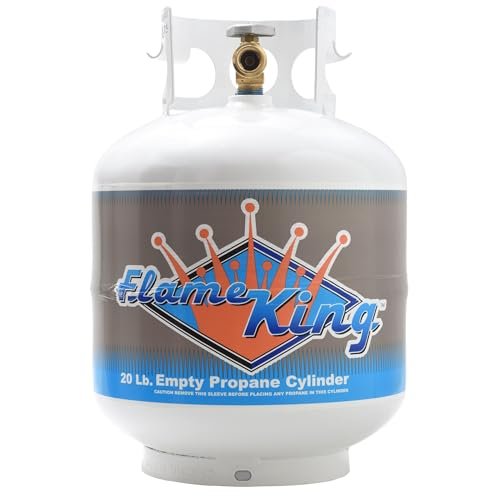
Before lighting, check the propane tank for leaks. A simple way is to apply soapy water to the valve and connections. If bubbles appear, you have a leak that must be fixed before use.
Look inside the grill for any blockages in the burners or gas ports. Debris or spider webs can clog these and cause uneven flames or no ignition at all.
Also, ensure the igniter button isn’t stuck or broken. Even if you plan to use a lighter, a faulty igniter signals maintenance is needed.
Have you cleaned your grill since last use? Residue buildup can affect performance and flavor. A quick wipe-down can save you trouble when you light the grill.
Lighting The Grill
Lighting a gas grill with a lighter is a simple task that anyone can do safely. It only takes a few clear actions to get the grill ready for cooking. Knowing how to handle the gas and ignite the burners correctly ensures a smooth start. This section covers the key steps to light your grill confidently and safely.
Turning On The Gas
First, check that the grill lid is open. This prevents gas buildup and possible flare-ups. Locate the gas valve on the propane tank or natural gas line. Slowly turn the valve counterclockwise to open it. You should hear a faint hiss, which means gas is flowing. Avoid opening the valve too fast to stop gas from rushing out.
Make sure the grill knobs are in the “off” position before turning on the gas. This prevents accidental ignition. Wait a few seconds for the gas to reach the burners. This pause helps the gas spread evenly inside the grill.
Igniting The Burners
Hold a long lighter near the burner’s ignition area. Press the control knob for the burner you want to light. Turn the knob to the “light” or “start” position. The gas will flow, and you can ignite it with the lighter.
Keep the lighter flame close to the burner ports. You will see flames appear once the gas ignites. If the burner does not light immediately, turn off the gas and wait a moment. Try again to avoid gas buildup. Repeat for all burners you want to use.
Troubleshooting Common Issues
Troubleshooting common issues when lighting a gas grill with a lighter can save you time and frustration. Even if you follow all the right steps, problems like burners not lighting or flames going out can still happen. Understanding why these issues occur helps you fix them quickly and get back to grilling.
Burner Won't Light
If your burner doesn’t light, first check if the gas supply is turned on. Sometimes the valve might be closed or the propane tank empty. Have you ever found yourself clicking the lighter repeatedly, only to realize the gas wasn’t flowing?
Next, inspect the burner holes for blockages like spider webs, dirt, or grease buildup. Cleaning these with a wire brush or a toothpick can make a big difference. Also, ensure the lighter flame is close enough to the burner holes to ignite the gas.
Another cause might be a faulty igniter switch, but since you’re using a lighter, it’s less likely. Still, if the burner remains unlit after checking gas and cleaning, consider whether the gas line has leaks or kinks. Safety first—always smell for gas before troubleshooting further.
Flame Goes Out
Is your flame lighting but then going out soon after? Wind can be a major culprit. Try positioning a windbreak or moving your grill to a more sheltered spot.
Low gas pressure might also cause a weak flame that struggles to stay lit. Check your propane level and replace the tank if it’s nearly empty. Sometimes, adjusting the air shutter to regulate airflow can stabilize the flame.
Another detail to watch for is moisture inside the burner tubes. Rain or washing the grill can cause water to block the gas flow temporarily. Let the grill dry completely before trying again. Have you noticed how small changes like these can dramatically improve your grilling experience?

Credit: www.sizzlelighters.com
Post-lighting Safety
After lighting your gas grill with a lighter, safety remains a top priority. Careful attention to the grill’s flame and proper shutdown help prevent accidents. These steps ensure a safe grilling experience every time.
Monitoring The Flame
Watch the flame closely after ignition. The flame should be steady and blue with small yellow tips. Flickering or large yellow flames can signal gas problems. If the flame is uneven or weak, turn off the grill and check for blockages or leaks. Keep children and pets away from the grill while it is lit.
Shutting Off The Grill
Turn off the grill by closing the gas valve first. This stops the fuel flow and prevents leaks. Next, turn off the burners using the control knobs. Make sure all flames are completely out before leaving the grill unattended. Wait for the grill to cool before covering or cleaning it.
Maintenance Tips
Keeping your gas grill in good shape makes lighting it easier and safer. Regular care prevents problems and extends the grill’s life. Simple maintenance steps help avoid gas leaks and buildup of grease or dirt. Follow these tips to keep your grill ready for every cookout.
Regular Cleaning
Clean the grill grates after each use to remove food residue. Use a wire brush or grill scraper for best results. Wipe down the exterior with warm soapy water to remove grease. Empty and clean the drip tray regularly to prevent flare-ups. A clean grill heats evenly and lights quickly.
Inspecting Gas Lines
Check gas lines for cracks, leaks, or wear every few months. Look for signs of damage or brittleness. Use a soapy water mix on connections to spot bubbles, indicating leaks. Replace any damaged parts immediately to avoid gas hazards. Tighten loose fittings to keep gas flow steady and safe.
Frequently Asked Questions
How Do I Safely Light A Gas Grill With A Lighter?
First, ensure the gas is on and the grill lid is open. Hold the lighter near the burner. Ignite the lighter and turn on the burner knob slowly. Always follow the grill manufacturer’s safety instructions to avoid accidents.
Can I Use Any Lighter To Light A Gas Grill?
No, use a long-reach or grill-specific lighter for safety. Regular small lighters may cause burns or be too short to reach burners. Long lighters keep your hand away from flames and reduce risk.
What Should I Do If The Gas Grill Doesn’t Ignite?
Check if the gas supply is on and the lighter is working. Clean burner ports if clogged. Wait a few minutes before trying again to let gas disperse and avoid flare-ups.
Is It Safe To Light A Gas Grill Indoors With A Lighter?
No, never light a gas grill indoors. Gas grills produce carbon monoxide, which is dangerous in enclosed spaces. Always light your grill outdoors in a well-ventilated area.
Conclusion
Lighting a gas grill with a lighter is simple and safe. Always check for gas leaks first. Keep your lighter close but steady. Open the grill lid to avoid gas buildup. Turn on the gas and then spark the lighter carefully.
Wait for the flame to catch before closing the lid. Practice this a few times to feel confident. Soon, grilling will become easy and fun. Enjoy tasty meals cooked just the way you like. Safety and patience make all the difference.