Lighting a charcoal grill can sometimes feel tricky and time-consuming. But what if you could get your coals glowing hot in just a few minutes, with no hassle or guesswork?
Using a chimney starter is the secret to quick, even heat every time you grill. In this guide, you’ll learn exactly how to light your charcoal grill with a chimney, saving you time and frustration. By the end, you’ll be ready to fire up your grill confidently and enjoy delicious meals with ease.
Keep reading to discover the simple steps that will change the way you grill forever.
Choosing The Right Chimney
Choosing the right chimney is key to lighting charcoal quickly and safely. The right chimney helps air flow properly and ignites the coals evenly. It should fit your grill size and be easy to handle. Understanding the materials and features can help you pick the best chimney for your needs.
Materials And Size
Chimneys come in several materials. Stainless steel is common and resists rust. It lasts longer and cleans easily. Aluminum chimneys are lighter but less durable. Some models use coated steel for heat resistance.
Size affects how many coals you can light at once. Smaller chimneys are good for quick grills or small gatherings. Larger chimneys hold more charcoal, ideal for big cookouts. Choose one that fits your grill and cooking style.
Features To Look For
- Heat-resistant handle for safe lifting
- Protective shield to avoid burns
- Wide base to hold more charcoal
- Good airflow design for quick ignition
- Stable bottom to sit securely on grill
These features improve safety and ease of use. A chimney with good airflow helps coals light evenly and fast. Handles and shields keep your hands safe from heat. Stability prevents accidents while lighting the charcoal.
Preparing The Chimney
Preparing the chimney properly sets the stage for a quick and even charcoal burn. It can save you time and frustration, especially if you’re eager to fire up the grill for a weekend cookout. Attention to detail here ensures your coals light evenly and stay hot longer.
Filling With Charcoal
Start by placing the chimney on a stable, heat-resistant surface. Fill the top section with charcoal briquettes or lump charcoal. Don’t overfill—leave a little space at the top to allow air to circulate, which is crucial for proper ignition.
I once packed the chimney too full and noticed the coals took much longer to ignite. Keeping that space lets oxygen flow freely, speeding up the process. You want a balanced amount, enough to cook your meal but not so much that lighting becomes a chore.
Adding Fire Starters
Place fire starters or crumpled newspaper under the chimney’s bottom section. Avoid using lighter fluid on the charcoal itself; it can cause uneven burning and unwanted flavors. Fire starters are designed to burn clean and steady, giving your coals the heat they need to catch quickly.
Here’s a quick tip: use natural fire starters for a cleaner flavor and less smoke. If you don’t have fire starters, tightly twisted newspaper works well too. Just be sure the material is dry and placed so the flame can reach the charcoal evenly.
Lighting The Chimney
Lighting the chimney is a crucial step in getting your charcoal grill ready. It sets the stage for a perfect, even burn that enhances the flavor of your food. The key is to ignite the fire efficiently and safely without wasting time or fuel.
Best Fire Starter Options
Choosing the right fire starter can make your grilling experience smoother. Natural options like newspaper or dry twigs work well, but they might take longer to catch fire.
For quicker ignition, consider using paraffin wax cubes or firestarter sticks. These burn longer and produce steady heat, helping your charcoal ignite evenly.
- Newspaper: Cheap and easy but can be smoky.
- Parafin wax cubes: Clean burning and reliable.
- Firestarter sticks: Easy to handle and effective.
- Charcoal chimney starter with built-in starter: Convenient and safe.
Have you ever struggled with damp newspaper or slow ignition? Using a wax-based fire starter could save you from that frustration.
Safe Ignition Techniques
Safety should always come first when lighting your chimney. Avoid using lighter fluid directly on the charcoal—it can cause dangerous flare-ups and alter food taste.
Instead, place your fire starter beneath the chimney and light it carefully. Make sure the chimney is on a stable, heat-resistant surface away from flammable materials.
Hold the lighter or match at the base of the chimney where the fire starter is located. This ensures a clean ignition and reduces the risk of burns.
- Wear heat-resistant gloves to protect your hands.
- Keep children and pets at a safe distance.
- Have a fire extinguisher or water source nearby just in case.
Are you aware that lighting the chimney from the bottom allows air to flow upward, feeding the fire naturally? This simple technique makes your fire lighter and more controlled.
Credit: www.familyhandyman.com
Waiting For The Coals
Waiting for the coals after lighting your charcoal grill with a chimney is a crucial step that can make or break your grilling experience. It’s tempting to rush this part, but patience here ensures your food cooks evenly and tastes great. Knowing exactly when your coals are ready can save you from undercooked meals or burnt outsides with raw insides.
Signs Of Ready Coals
How do you know when the coals have reached the perfect grilling temperature? Look for these clear signs:
- Gray ash coating:The coals should be covered in a light gray ash. This means they are hot and ready.
- Red glow beneath the ash:When you lift the chimney, you’ll see a warm red glow under the ash layer.
- Even heat distribution:The coals should be spread evenly without any black or unburned spots.
These indicators mean your grill is primed for cooking. If you see black coals or smoke still rising heavily, wait a few more minutes.
Timing Tips
Typically, it takes about 15-20 minutes for the coals to reach the right temperature using a chimney starter. But this can vary based on the type of charcoal and weather conditions.
Windy or damp weather can slow down the process. On calm, dry days, coals might be ready a bit faster.
Try setting a timer after lighting the chimney to avoid checking too often, which lets heat escape. Trust the signs instead of guessing—your patience pays off.
Transferring Coals To Grill
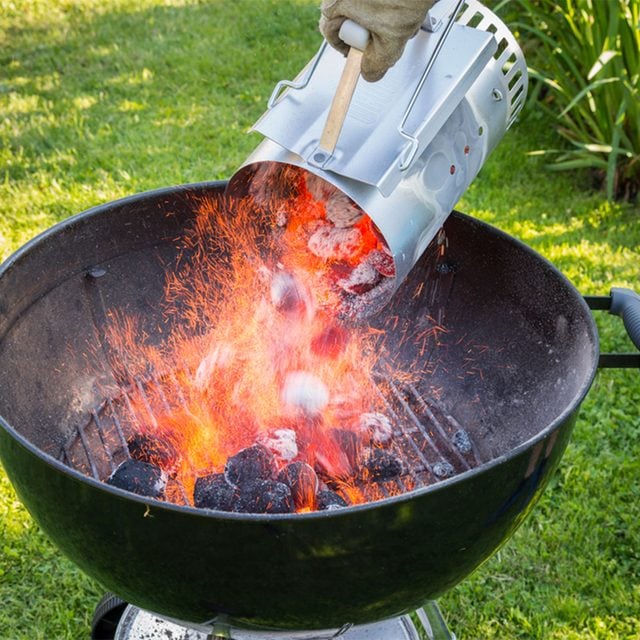
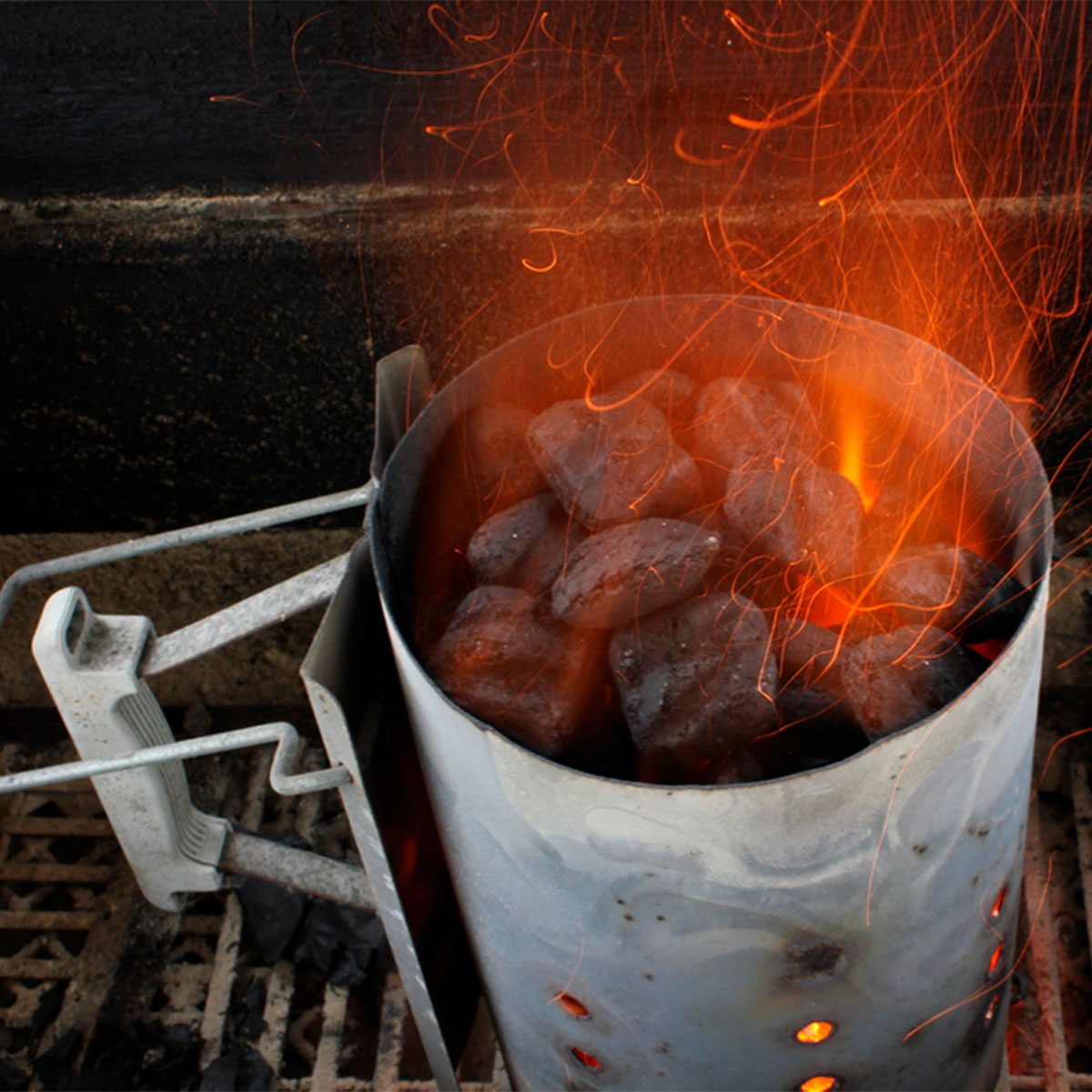
Lighting a charcoal grill with a chimney is simple and efficient. Fill the chimney with charcoal, place crumpled newspaper underneath, and light it. Once the coals are ashy, transfer them to the grill for cooking.
Transferring the glowing coals from the chimney to your grill is a pivotal step in the grilling process. It’s where the anticipation of the cooking experience truly begins to heat up. This step is all about precision and care to ensure your grilling adventure starts smoothly and safely.
Safety Precautions
Before you even think about moving those red-hot coals, make sure you're equipped with the right tools. A quality pair of heat-resistant gloves is a must. They protect your hands from burns while giving you the confidence to maneuver around the grill. Keep a metal spatula or tongs handy. These tools help you adjust the coals once they're in the grill, allowing for perfect placement. Always ensure your clothes are fitted to avoid any loose fabric catching fire.
Arranging Charcoal For Cooking
Once the coals are safely in the grill, it's time to arrange them based on what you’re cooking. Consider the two-zone method. Push the coals to one side for direct cooking and leave the other side without coals for indirect cooking. This setup is perfect for searing steaks and then finishing them off to the desired doneness. For a more even heat, spread the coals evenly across the grill bed. This is ideal for foods that need consistent heat, like burgers or vegetables. Always remember, the way you arrange your coals can make or break the grilling experience—so take your time and plan according to your menu. What technique will you try next time you fire up the grill?
Credit: www.familyhandyman.com
Maintaining The Fire
Maintaining the fire in your charcoal grill is key to cooking great food. The heat must stay steady for even cooking. Knowing how to keep the fire alive helps avoid flare-ups or cold spots. It also saves charcoal and keeps your grill safe to use.
Adding More Charcoal
Add charcoal gradually to keep the heat steady. Avoid dumping a lot at once; it can smother the fire. Use a small amount every 20-30 minutes to maintain temperature. Keep some unlit charcoal ready to add when needed.
Place new charcoal near hot coals, not on cold ones. This helps the new charcoal light faster. Avoid moving the hot coals around too much to keep the fire stable.
Controlling Airflow
Airflow controls the fire’s strength. Open vents let more oxygen in, making the fire hotter. Closing vents reduces oxygen, lowering the heat. Adjust vents slowly and watch the fire’s reaction.
Use both bottom and top vents to balance airflow. Keep vents open wider for grilling and close them slightly for slow cooking. Watch the smoke color; thin blue smoke shows good airflow.
Cleaning And Storing The Chimney
Keeping your chimney clean and stored properly is key to making your next grilling session quick and hassle-free. Residual ash and soot can block airflow, making it harder to light charcoal efficiently. Taking a few minutes to clean and store your chimney right after use can save you frustration later.
Removing Ash
After the charcoal has completely cooled, tip the chimney over a trash bin or compost pile to empty out the ashes. Use a small brush or cloth to wipe away any stuck-on residue inside the chimney tube. This simple step helps maintain good airflow for the next time you grill.
If ash builds up, it can trap moisture and cause rust or clog the vents. Have you noticed your chimney taking longer to light charcoal? That’s often a sign it needs a good ash removal.
Proper Storage
Store your chimney in a dry, well-ventilated area to prevent rust and corrosion. Avoid leaving it outside exposed to rain or snow, as moisture can damage the metal over time. Hanging it up or placing it on a shelf keeps it safe from dents and scratches.
Think about where you grab your tools when you start grilling. Keeping your chimney nearby but protected makes your prep smoother. How easy would it be if your chimney was ready to use every single time?

Credit: www.youtube.com
Frequently Asked Questions
How Does A Chimney Starter Work For Charcoal Grills?
A chimney starter uses airflow to ignite charcoal evenly. You place crumpled paper below and charcoal above. Lighting the paper creates hot air that quickly lights the coals, eliminating lighter fluid and producing a cleaner fire for grilling.
How Long Does It Take To Light Charcoal In A Chimney?
It usually takes 10 to 15 minutes for charcoal to be ready. Wait until the coals are covered with gray ash. This indicates they are hot and perfect for cooking. Using a chimney starter speeds up the lighting process efficiently.
Can I Use Lighter Fluid With A Chimney Starter?
Using lighter fluid with a chimney starter is not recommended. It can cause dangerous flare-ups and affect the charcoal's natural flavor. The chimney starter is designed to light coals without chemicals, offering a safer and more eco-friendly grilling experience.
What Safety Tips Should I Follow When Using A Chimney Starter?
Always use heat-resistant gloves and place the chimney on a non-flammable surface. Keep children and pets away during lighting. Never add lighter fluid to a chimney starter. Follow these tips to ensure safe and effective charcoal lighting.
Conclusion
Lighting a charcoal grill with a chimney is quick and easy. The chimney helps start the coals evenly and safely. It avoids using lighter fluid, which can change the food’s taste. Just fill the chimney with charcoal, place some paper underneath, and light it.
Wait until the coals turn gray with ash. Then, pour them into the grill and start cooking. This simple tool makes grilling more fun and less messy. Try it next time you want a perfect fire for your barbecue.