Are you wondering how to lay an area rug in your living room to instantly boost comfort and style? The right rug can transform your space, making it feel cozy and inviting.
But placing it incorrectly might leave your room looking awkward or cluttered. In this guide, you’ll discover simple, effective tips that help your rug fit perfectly with your furniture and room size. Keep reading, and you’ll learn how to create a balanced, beautiful living room that feels just right every time you walk in.
:max_bytes(150000):strip_icc()/Memmo-SFBayAreaInteriorDesigner-SantaClara_Living0808-ae461dbcde7247649f953ff29db61644.jpg)
Credit: www.thespruce.com
Choosing The Right Rug Size
Choosing the right rug size is crucial to make your living room feel balanced and inviting. The right rug anchors your furniture and defines the space without overwhelming it. Picking a rug that’s too small or too large can disrupt the flow and make your room look awkward.
Measuring Your Living Room
Start by measuring the entire living room space where you want to place the rug. Use a tape measure to get the length and width in feet or meters. Don’t forget to account for walkways and how much floor you want visible around the rug.
Think about how much of the floor you want covered. Do you want the rug to sit under all your furniture or just under the coffee table? These choices affect the size you pick.
Matching Rug Size To Furniture
Your rug should complement your furniture arrangement. Ideally, the rug should be large enough so that at least the front legs of your sofa and chairs rest on it. This helps to visually connect the seating area and make it feel cohesive.
If you place the rug only under the coffee table, it should still be large enough to prevent the table from looking like it’s floating. Too small, and the rug might look lost in the room.
Common Rug Size Standards
| Room Size | Suggested Rug Size | Description |
|---|---|---|
| Small Living Room (up to 10x12 ft) | 5x8 ft or 6x9 ft | Fits well under coffee table with some space around |
| Medium Living Room (12x15 ft) | 8x10 ft or 9x12 ft | Allows front legs of furniture on rug, defining seating area |
| Large Living Room (15x20 ft and up) | 9x12 ft, 10x14 ft, or larger | Can hold entire furniture pieces on the rug for a grand look |
Have you ever stepped back and realized your rug just didn’t feel right? Taking time to measure and match your rug size to your living room and furniture can change that feeling completely. What size rug will make your space feel more connected and comfortable?
Selecting Rug Shapes And Styles
Choosing the right rug shape and style is key to enhancing your living room’s look. The shape affects how the rug fits within the space and how it guides movement. The style brings personality and ties the room’s design elements together.
Consider the room’s layout and furniture placement. A well-chosen rug shape and pattern can make the space feel cozy and balanced. The material also plays a big role in comfort and durability. Let’s explore these factors in detail.
Rectangular Vs. Round Rugs
Rectangular rugs suit most living rooms. They fit well under sofas and coffee tables. This shape helps define seating areas clearly.
Round rugs soften sharp corners. They work well in smaller spaces or under round tables. Round rugs add flow and movement to a room.
Choose based on your furniture layout and room shape. Rectangular rugs create structure. Round rugs add visual interest and contrast.
Patterns That Complement Your Space
Simple patterns keep the room calm. Geometric or striped rugs offer clean lines. These work well in modern or minimalist rooms.
Bold patterns add energy and focus. Floral or abstract designs bring life to plain areas. Use bold rugs to highlight key spots.
Match rug colors with walls and furniture. Light colors open up the space. Dark colors add warmth and depth.
Material Considerations
Wool rugs are soft and durable. They handle foot traffic well and resist stains.
Synthetic rugs cost less and are easy to clean. They suit homes with pets or kids.
Natural fibers like jute or sisal add texture. These rugs bring an earthy, casual feel. They are less soft but very sturdy.
Choose material based on comfort needs and room use. Durability matters in busy areas. Softness is key for relaxing spaces.
Positioning The Rug
Positioning the area rug in your living room sets the tone for the space. It affects the room’s flow and how furniture feels together. Proper placement can make the room look balanced and inviting. Consider the size of the rug and the layout of your furniture to get the best result.
Centering In The Room
Place the rug so it sits in the center of the living room. This draws attention and creates a focal point. Measure the room to find the middle point. Make sure the rug does not touch the walls. Leave some floor space around the edges for a clean look.
Aligning With Seating Areas
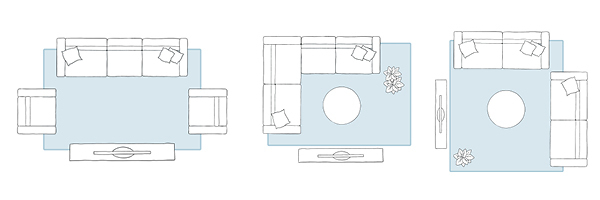
Arrange the rug to fit under your seating. Ideally, the front legs of sofas and chairs should rest on the rug. This ties the furniture pieces together. It helps define the seating area clearly. Adjust the rug size to cover enough space for comfort.
Creating Zones With Rugs
Use rugs to separate different parts of the living room. For example, place one rug under the main seating and another near a reading nook. This divides the space without walls. Rugs create cozy zones and improve room organization. Choose different rug styles to highlight each zone.
Credit: www.pillowtalk.com.au
Furniture Placement On Rugs
Place the rug so the front legs of your furniture rest on it for a cozy look. Ensure the rug is large enough to fit key pieces, creating a balanced space. Leave some floor visible around the edges to keep the room open and inviting.
Laying an area rug in your living room can transform the space, adding warmth, style, and cohesion. However, the way you position your furniture on the rug plays a crucial role in achieving the desired effect. By understanding different furniture placement techniques, you can enhance both the aesthetics and functionality of your room.
All Legs On The Rug
Placing all furniture legs on the rug creates a unified and expansive look. This approach works well in large living rooms where the rug can anchor the space. Imagine the rug as an island where all your furniture pieces gather, creating a cozy and inviting conversation area. If you've ever visited a friend's house and noticed how their furniture seemed to float seamlessly together, they likely used this method. Ensure that your rug is large enough to accommodate all the legs comfortably. This might be a worthwhile investment if you aim for a polished and complete look.
Front Legs On The Rug
Opting for the front legs of your furniture on the rug is a popular choice for many. It strikes a balance between style and practicality, allowing the rug to tie the room together without overwhelming the space. This method works particularly well in smaller rooms where a full rug coverage isn't feasible. You might have experienced this setup in rooms that feel open yet connected. It’s a great way to showcase a beautiful hardwood floor while still enjoying the comfort and style of a rug. Consider this option if you want flexibility in rearranging furniture without purchasing a new rug.
Floating Rugs
Floating rugs, where no furniture sits on the rug, can be a bold statement. This style suits rooms where the rug itself is a work of art or a statement piece. It can delineate spaces in an open-plan area, offering visual interest without dominating the room. While it might seem unconventional, think of floating rugs as a way to spotlight your rug's design. Have you ever noticed how some rugs stand out in a room, capturing your attention? This placement allows the rug to shine, especially if it features intricate patterns or vibrant colors. Which placement style resonates with you and your living space?
Maintaining Rug Stability
Maintaining rug stability in your living room is essential for both safety and aesthetics. A rug that shifts or bunches up can cause trips, damage your floor, and ruin the overall look of your space. Taking simple, effective steps to keep your rug firmly in place ensures it stays flat and inviting, even in busy areas.
Using Rug Pads
Rug pads create a strong grip between your rug and the floor, preventing sliding and bunching. Choose a pad that matches your flooring type—felt pads work well on hardwood, while rubber-backed pads suit tile or laminate floors.
Not only do rug pads keep your rug stable, but they also add cushioning and extend the rug’s life. I once skipped using a pad and noticed my rug slipping every time I walked across. Adding a pad instantly solved the problem and made the rug feel softer underfoot.
Preventing Slips And Trips
Loose rugs can be a hazard, especially in high-traffic living rooms. Secure the edges with double-sided carpet tape or rug grippers to keep them from curling or sliding unexpectedly.
Consider the placement of your furniture too; heavier pieces can anchor the rug naturally. Have you checked whether your rug edges curl up? Tackling that early can save you from awkward trips or damage to the rug.
Caring For High-traffic Areas
High-traffic spots wear rugs down faster and can cause them to shift more easily. Rotate your rug every few months to distribute wear evenly and keep it looking fresh.
Vacuum regularly, but avoid harsh beater bars that can loosen fibers and cause the rug to bunch. If your rug starts to slip in these areas, add extra padding or use rug tape to reinforce stability.
Styling Tips For Layered Rugs
Layering rugs in the living room adds depth and warmth to the space. It creates a cozy feel and defines different areas clearly. Styling layered rugs requires a thoughtful approach to size, texture, and color. Here are some tips to style layered rugs beautifully and confidently.
Combining Sizes And Textures
Choose rugs of different sizes for a balanced look. A large base rug anchors the space. Place a smaller rug on top to add interest. Mix textures like wool, jute, or cotton to create contrast. Soft and rough textures together make the layers pop. Keep the shapes simple to avoid visual clutter.
Balancing Colors
Select colors that complement each other. Use one rug with a bold pattern and another with a solid or subtle design. Neutral tones work well as a base. Add a colorful rug on top to brighten the room. Stick to two or three main colors to keep harmony. This approach prevents the space from feeling busy.
Creating Visual Interest
- Use rugs with different patterns, like stripes and florals.
- Layer rugs with varying heights for a 3D effect.
- Place rugs at angles for a dynamic look.
- Let parts of the bottom rug peek from under the top rug.
These ideas catch the eye and make the room feel lively. Layered rugs become a unique focal point in your living room.

Credit: www.luxoliving.com.au
Frequently Asked Questions
How Do I Choose The Right Size Rug For My Living Room?
Measure your living room space first. Choose a rug that fits well under key furniture. Leave some floor visible around the rug edges for balance and proportion.
Where Should I Place The Rug In A Living Room?
Place the rug under the front legs of sofas and chairs. Center it around the main seating area. This creates a cozy, unified look for your living space.
Should The Rug Extend Under All Furniture In The Living Room?
No, usually the rug goes under front legs only. This anchors the furniture but keeps the room feeling open. Avoid covering all legs to prevent a cluttered look.
What Rug Material Is Best For A Living Room?
Choose durable materials like wool or synthetic fibers. They handle foot traffic and are easy to clean. Select a texture that complements your décor and lifestyle.
Conclusion
Laying an area rug in your living room can change its look quickly. Start by choosing the right size and shape for your space. Place the rug so furniture fits nicely on or around it. This helps create a cozy and balanced feel.
Keep edges straight and smooth for a neat appearance. With these simple steps, your living room will feel warm and inviting. Take your time and enjoy the process. A well-placed rug makes a big difference.