
Have you ever wondered if the oven in your kitchen is a convection oven? Knowing this can change the way you cook and help you get better results every time.
You might be missing out on faster cooking times and more even baking without even realizing it. You’ll discover simple signs to look for and easy ways to tell if your oven is a convection model. By the end, you’ll be confident in identifying your oven type and ready to take your cooking skills to the next level.
Keep reading to unlock the secrets behind your oven!
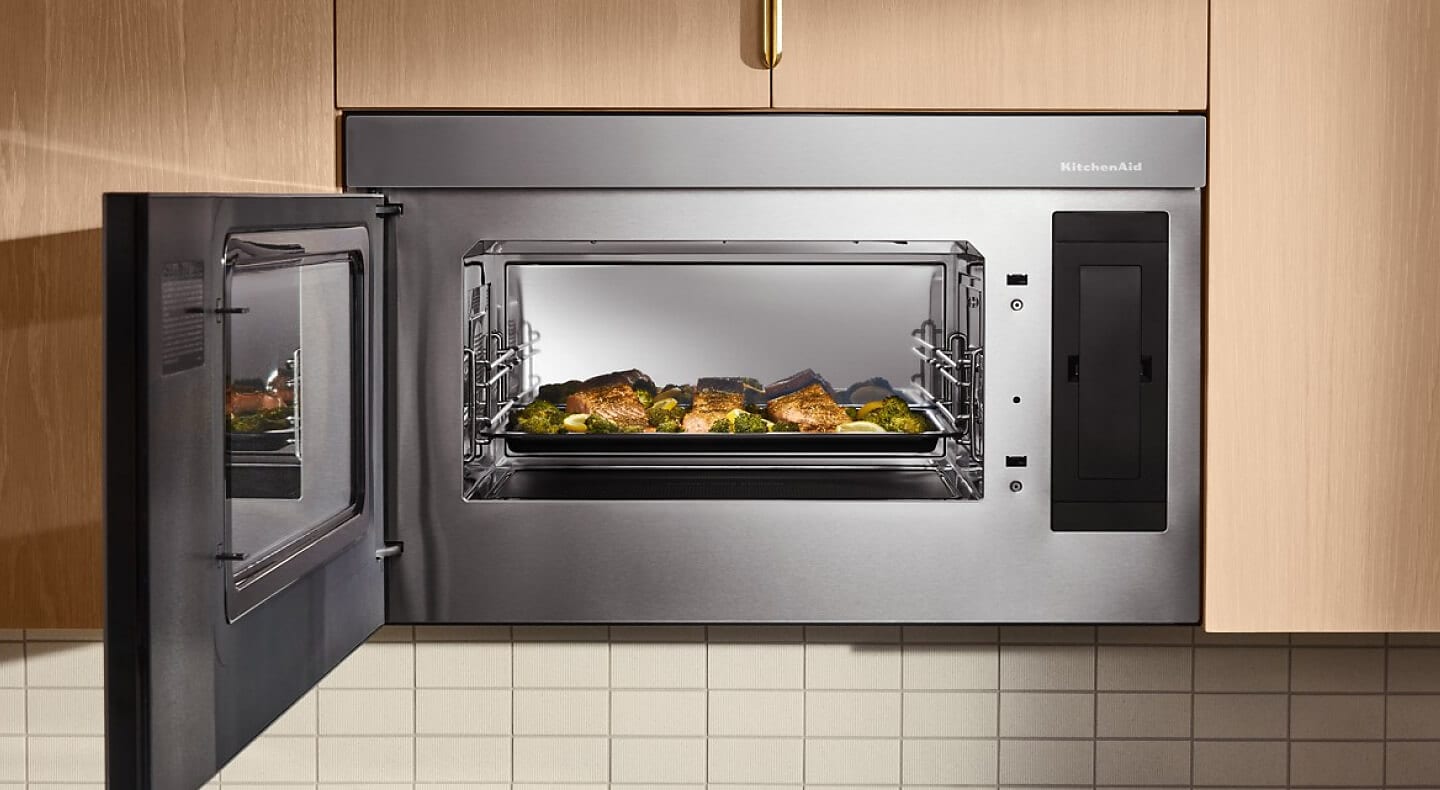
Credit: www.kitchenaid.com
What Is A Convection Oven
A convection oven is a type of oven that cooks food using hot air. This hot air moves around the food, which helps it cook more evenly and faster than a regular oven. You can find convection ovens in many homes and restaurants because they save time and energy.
Unlike traditional ovens, convection ovens have a fan and exhaust system. These parts help circulate the hot air inside the oven. This circulation keeps the temperature steady and cooks food better.
How Does A Convection Oven Work?
The fan inside the convection oven blows hot air around the food. This air moves heat quickly and evenly. It helps cook the outside and inside of food at the same time. This means less chance of burning or undercooking.
Features Of A Convection Oven
- A fan and exhaust system
- Even heat distribution
- Faster cooking times
- Crispier and browner food results
- Usually a button or setting to turn convection on or off
Food cooks faster, saving time in the kitchen. The heat spreads evenly, so dishes are cooked well throughout. It also creates a crispy texture on baked goods and roasted meats. The oven uses less energy because cooking times are shorter.

Credit: www.sloanappliance.com
Key Features To Look For
Identifying a convection oven is easier by knowing its key features. These features set it apart from regular ovens and help confirm its type. Understanding these signs will guide you in recognizing a convection oven at a glance.
Fan And Exhaust System
A convection oven has a built-in fan at the back or side. This fan circulates hot air evenly inside the oven. You may also find an exhaust vent that helps release moisture. These parts work together to cook food faster and more evenly.
Even Cooking Patterns
Food cooks evenly in a convection oven due to air circulation. You will notice no hot or cold spots inside. Baked goods brown uniformly on all sides. Roasts and meats cook through without uneven areas. This even cooking is a clear sign of convection heat.
Interior Labels And Manuals
Check the oven’s interior walls or door for labels. Many convection ovens have stickers or stamps indicating "Convection" or "Fan Assisted." The user manual or guide also states if it is a convection model. Reading these documents can quickly confirm the oven type.
Physical Signs On Your Oven
Identifying whether your oven is a convection model often starts by looking closely at its physical features. These signs can be subtle but meaningful. Understanding what to look for helps you make better use of your appliance and improve your cooking results.
Control Panel Indicators
Check your oven’s control panel for words like “Convection” or icons resembling a fan. Many convection ovens have dedicated buttons or settings labeled clearly to distinguish them from regular baking options.
Sometimes, the panel will offer multiple convection modes such as “Convection Bake” or “Convection Roast.” If you see these options, you likely have a convection oven. Have you noticed extra settings you don’t usually use?
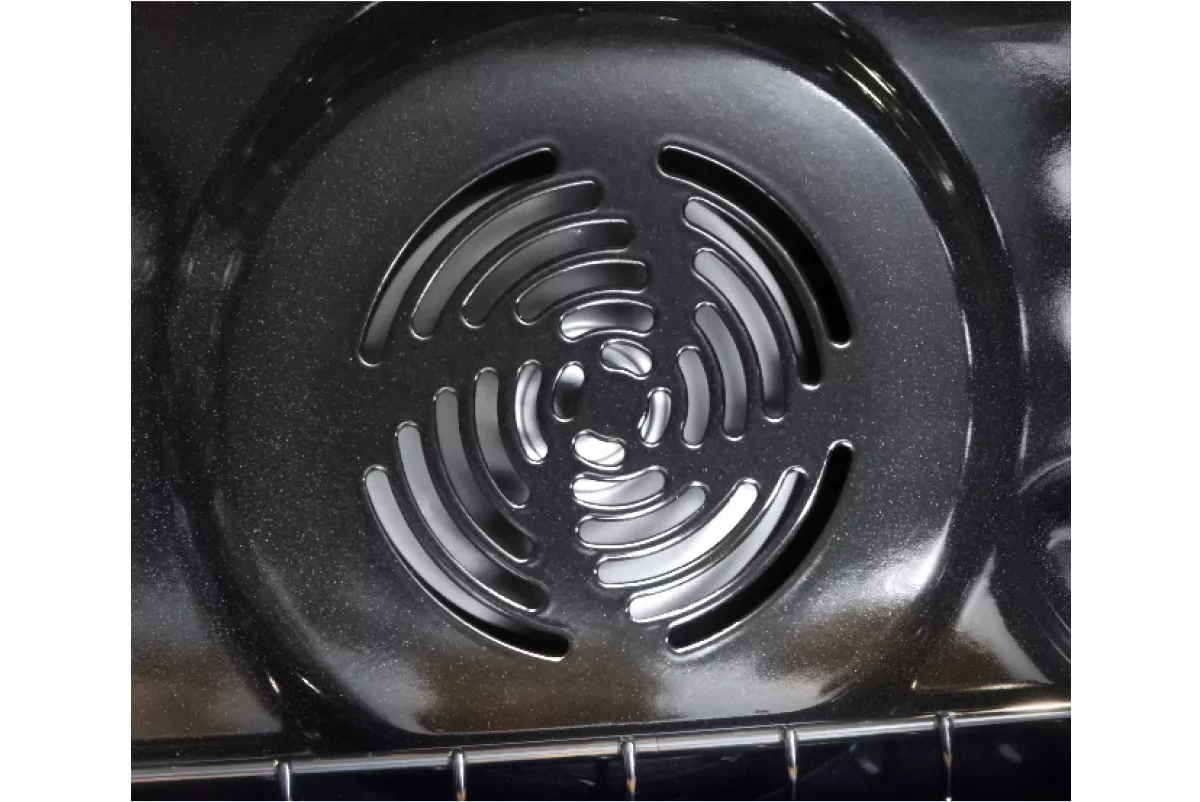
Visible Fan Inside Oven
Open your oven door and look inside for a fan at the back wall. This fan is a key feature of convection ovens, designed to circulate hot air evenly.
Not all ovens have a visible fan, but if you spot one, it’s a strong sign your oven uses convection technology. The fan blades might be stationary when the oven is off, so give it a quick look during operation if safe to do so.
Convection Settings And Buttons
Look closely at the buttons or dials on your oven. A convection oven often has specific buttons labeled “Convection,” “Fan Bake,” or “True Convection.”
Some models also combine convection with traditional baking, allowing you to select hybrid modes. If your oven has these options, you can experiment with faster and more even cooking. Do you see any buttons that suggest air circulation or fan use?
Credit: www.whirlpool.ca
Testing Your Oven At Home
Check the back or inside of your oven for a fan symbol or label. A working fan inside during operation shows it’s a convection oven. The fan helps cook food faster and more evenly by circulating hot air.
Testing your oven at home can be an enlightening experience. You might have used it for years without knowing whether it's a convection oven or not. Let’s explore some practical ways to uncover the mystery using simple tests you can perform in your kitchen.
Cooking Time And Temperature Differences
Convection ovens typically cook food faster and more evenly than regular ovens. You may notice recipes often advise lowering the cooking temperature by 25 degrees Fahrenheit for convection baking. Try baking a batch of cookies at the temperature and time specified in a conventional recipe, and see if they bake quicker or seem more evenly browned.
Airflow Observation
A key feature of convection ovens is their fan, which circulates hot air throughout the oven cavity. This is why they achieve such even cooking. To test this, place a small piece of paper or a lightweight item in the oven and turn it on without any food inside. If you see the item moving or fluttering, that's a good indication of active airflow, suggesting you have a convection oven.
Baking Results
Examine the consistency of your baked goods. A convection oven often produces a consistent color and texture, particularly on the edges and bottom of items like breads and pastries. If your cakes rise more evenly and your pies have a uniformly golden crust, your oven might just be using convection magic. Have you noticed a difference in texture and doneness compared to what you remember from other ovens? That could be a telltale sign. Testing your oven can be both enlightening and fun. It also helps you optimize your cooking results. Why not give it a try?
Comparing Conventional Vs Convection Ovens
Convection ovens and conventional ovens differ mainly in how they cook food. Knowing these differences helps you decide which oven suits your kitchen needs. Understanding heat, speed, and recipe changes is key to using each oven well.
Heat Distribution
Conventional ovens use heat from the top or bottom. This can create hot spots inside. Food may cook unevenly unless you turn it during cooking.
Convection ovens have a fan that moves hot air around. This spreads heat evenly across the food. As a result, baking and roasting happen more uniformly.
Cooking Efficiency
Convection ovens cook food faster than conventional ones. The moving air speeds up heat transfer. It can reduce cooking time by about 25%.
Using less heat and time saves energy. Conventional ovens take longer and use more power. This affects how you plan your cooking.
Recipe Adjustments
Recipes for conventional ovens may not work exactly in convection ovens. You often need to lower the temperature by 25°F. Also, reduce cooking time to avoid overcooking.
Some baked goods need careful attention. Delicate items like cakes may bake differently due to the fan. Adjusting recipes helps get the best results.
Benefits Of Using A Convection Oven
Using a convection oven offers many benefits that improve cooking results. It cooks food more evenly and quickly. This oven type uses a fan to circulate hot air around the food. It helps create better textures and saves energy too.
Faster Cooking
Convection ovens cook food faster than regular ovens. The fan moves hot air, which speeds up heat transfer. This means meals are ready in less time. You can reduce cooking time by about 25% in many recipes. Faster cooking saves time in busy kitchens.
Crispier Textures
The constant air circulation helps dry food surfaces. It creates crisp and golden crusts on baked goods. Roasted vegetables and meats get a nice, crunchy outside. This texture is hard to achieve in standard ovens. The result is tastier and more appealing dishes.
Energy Savings
Because food cooks faster, convection ovens use less energy. They operate at lower temperatures while still cooking well. This reduces electricity or gas consumption. Lower energy use helps save money on utility bills. It also makes cooking more environmentally friendly.
Frequently Asked Questions
How Can I Tell If My Oven Is Convection?
Check if your oven has a fan inside the cooking chamber. Convection ovens use a fan to circulate hot air evenly. Look for a convection setting or symbol on the control panel. This indicates it can cook food faster and more evenly than traditional ovens.
What Are Common Signs Of A Convection Oven?
Common signs include a visible fan at the back, a convection mode button, and faster cooking times. You may also notice more even browning and crispier textures in your food. The oven manual often specifies if it’s a convection model.
Does My Oven Manual Say If It’s Convection?
Yes, your oven manual is the best source to confirm if it’s convection. Look for terms like “convection cooking,” “fan-assisted cooking,” or “convection mode. ” Manuals usually explain how to use the convection feature and its benefits.
Can I Identify A Convection Oven By Its Cooking Performance?
Yes, convection ovens cook food faster and more evenly. If your oven browns food well and reduces cooking time, it likely has convection. Foods like baked goods and roasted meats benefit from the fan’s hot air circulation.
Conclusion
Knowing if your oven is convection helps improve your cooking results. Check for a fan inside the oven cavity. Look for settings that mention “convection” or “fan bake. ” Convection ovens cook food faster and more evenly. Understanding your oven type helps you choose the right recipes.
Try using convection mode for roasting or baking. It saves time and gives a nice, crisp finish. Cooking becomes easier when you know your oven well. Keep these tips in mind for better meals every time.


