Imagine opening your favorite ice cream only to find it covered in icy crystals and tasting stale. Frustrating, right?
Freezer burn can ruin your ice cream’s creamy texture and flavor, turning a sweet treat into a disappointment. But what if you could stop freezer burn before it starts? You’ll discover simple and effective ways to keep your ice cream fresh, smooth, and delicious every time you scoop.
Keep reading to learn how to protect your ice cream and enjoy it just the way you like it.
Causes Of Freezer Burn
Freezer burn happens when ice cream loses moisture and is exposed to air inside the freezer. This causes dry spots and ice crystals on the surface. Understanding the causes helps keep ice cream fresh and creamy longer.
How Freezer Burn Happens
Freezer burn starts when ice cream is not sealed tightly. Air reaches the surface and draws out water from the ice cream. This dries out the texture and changes the flavor. Temperature changes in the freezer also speed up the process. The more the ice cream melts and refreezes, the faster freezer burn appears.
Common Mistakes That Lead To Freezer Burn
- Leaving the lid off or loosely closed.
- Using containers that do not seal well.
- Storing ice cream near the freezer door where temperature varies.
- Freezing ice cream that is already partially melted.
- Opening the freezer too often, causing temperature shifts.

Credit: www.wfxb.com
Choosing The Right Container
Choosing the right container makes a huge difference in keeping your ice cream fresh and free from freezer burn. The container acts as the first line of defense against air and moisture, which cause those icy crystals you want to avoid. Picking the proper storage option can help maintain the creamy texture and rich flavor you love.
Best Containers For Ice Cream Storage
Not all containers are created equal when it comes to storing ice cream. Ideally, you want something airtight and sturdy, like:
- Plastic containers with tight-fitting lids:These are lightweight and easy to handle. Look for ones labeled freezer-safe to ensure they won’t crack at low temperatures.
- Glass containers with silicone seals:Glass doesn’t absorb odors and keeps your ice cream tasting pure. The silicone seal adds an extra barrier to keep air out.
- Metal tins with snap-on lids:These are great for blocking light and air, but make sure the lid seals tightly to prevent freezer burn.
Have you ever tried using the original ice cream carton? It often isn’t airtight enough, so transferring the ice cream to a better container can really extend its shelf life.
Sealing Techniques To Prevent Air Exposure
Even the best container won’t do its job if air can sneak inside. You need to create a strong seal every time you store your ice cream.
- Press plastic wrap directly on the surface:Before closing the lid, lay a piece of plastic wrap over the ice cream to minimize air contact.
- Use airtight lids:Make sure lids snap or screw on tightly without gaps. If the lid is loose, freezer burn can develop quickly.
- Try reusable silicone covers:These stretch over containers and create a tight seal that’s often better than the original lid.
Have you noticed how ice cream scoops sometimes leave tiny air pockets? Filling those gaps with plastic wrap or a silicone cover can make a surprising difference.
Proper Storage Practices
Seal ice cream tightly in its original container or an airtight bag to block air exposure. Store it in the coldest part of the freezer, away from the door, to keep it fresh longer.
Proper storage practices can make a world of difference in keeping your ice cream creamy and free from that dreaded freezer burn. By paying attention to a few key details, you can ensure that every scoop is as delightful as the first. Let’s dive into the essentials that will help maintain your ice cream’s deliciousness.
Ideal Freezer Temperature
Maintaining the right freezer temperature is crucial. Set your freezer to 0°F (-18°C) to create the perfect environment for storing ice cream. This temperature keeps ice crystals from forming, ensuring the texture remains smooth and flavorful. Check your freezer’s thermometer regularly to make sure it stays consistent. Temperature fluctuations can lead to freezer burn, so keep an eye out.
Placement Tips Inside The Freezer
Where you place your ice cream can greatly affect its quality. Store it in the back of the freezer where the temperature is most stable. Avoid placing it near the door, as frequent opening can cause temperature changes. Consider using airtight containers if you’ve transferred your ice cream from its original packaging. This prevents air from entering and minimizes the risk of freezer burn. Do you often find yourself rummaging through the freezer for other items? Organize your freezer so your ice cream isn’t exposed to warm air for long periods. You’ll save time and keep your ice cream in tip-top shape.
Managing Ice Cream Portions
Managing ice cream portions is key to keeping your favorite treat fresh and free from freezer burn. Every time you open the container, warm air hits the surface, causing ice crystals to form. By controlling how much you scoop and how often you expose the ice cream, you can extend its creamy texture and flavor.
Avoiding Frequent Temperature Changes
Opening the ice cream container too often makes the temperature inside fluctuate. These changes let moisture escape and ice crystals grow, which leads to freezer burn.
Try to plan your servings ahead. Scoop out what you need at once instead of going back multiple times. This simple habit keeps the ice cream at a steady cold temperature longer.
Using Smaller Containers For Portions
Dividing your ice cream into smaller containers helps control portions and limits exposure to air. Each time you open a small container, the rest stays sealed and cold.
This approach worked well for me when I bought a large tub. I split it into single-serving containers, then froze them separately. Not only did it stop freezer burn, but it also helped me avoid overeating.
Consider using airtight containers or wrapping the ice cream tightly with plastic wrap before sealing the container. This extra layer keeps moisture out and preserves the ice cream’s smooth texture.
Additional Tips To Preserve Texture
Preserving the creamy texture of your ice cream means going beyond just keeping it cold. Small habits can make a big difference in how your ice cream feels when you scoop it out. These additional tips help prevent that icy, rough texture caused by freezer burn, keeping every bite smooth and enjoyable.
Wrapping Ice Cream With Plastic Wrap
Placing a sheet of plastic wrap directly on the surface of the ice cream before sealing the container blocks air from reaching it. This simple step reduces ice crystal formation, which is the main culprit behind freezer burn. I started doing this after noticing my ice cream would get icy even in a well-sealed container, and the improvement was clear after just one batch.
Make sure to press the plastic wrap gently onto the ice cream without leaving air pockets. This creates a tight barrier that keeps moisture locked in. You can still use the original lid, but the plastic wrap adds an extra layer of protection.
Using Ice Cream Scoops To Minimize Exposure
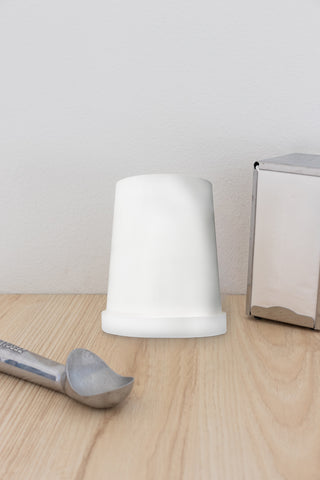
Every time you open the ice cream container, warm air rushes in and can cause melting and refreezing, leading to rough texture. Using a dedicated ice cream scoop helps you get just the amount you want in one go, reducing the time the container is open.
I recommend rinsing the scoop in warm water before each use—it glides through the ice cream more smoothly and prevents chunks from sticking. This small trick minimizes melting and keeps your ice cream’s texture intact longer.
Credit: frozendessertsupplies.com
Credit: news.iheart.com
Frequently Asked Questions
How Can I Prevent Freezer Burn On Ice Cream?
Store ice cream in an airtight container and press plastic wrap on its surface. Keep the freezer temperature consistent and avoid frequent temperature changes to prevent freezer burn.
Why Does Ice Cream Get Freezer Burn?
Freezer burn happens when ice cream is exposed to air, causing dehydration and ice crystals. This damages texture and flavor, making it less enjoyable.
Is Freezer-burned Ice Cream Safe To Eat?
Yes, freezer-burned ice cream is safe but tastes dry and icy. It loses its creamy texture and flavor, so it’s best to avoid eating it.
How Should I Store Ice Cream To Keep It Fresh?
Keep ice cream in the coldest freezer section, in a tightly sealed container. Avoid storing near the freezer door to maintain a stable temperature.
Conclusion
Keeping ice cream fresh is easier than you think. Seal the container tightly after each use. Store ice cream in the coldest part of the freezer. Avoid temperature changes by limiting how long it sits outside. Use plastic wrap on the surface to block air.
These steps help stop freezer burn and keep ice cream creamy. Enjoy your treat without worrying about ice crystals or bad taste. Simple habits make a big difference in ice cream quality. Try these tips and savor every scoop.