
Are you tired of opening your thermos only to find your food soggy and unappetizing? You’re not alone.
Keeping your meals fresh and tasty inside a thermos can be tricky, but it doesn’t have to be. Imagine enjoying warm, perfectly textured food anytime, anywhere—without the disappointment of sogginess. You’ll discover simple, effective tips that will change the way you pack your thermos forever.
Ready to keep your meals just the way you like them? Let’s dive in.

Credit: garagebrewers.com
Choose The Right Thermos
Choosing the right thermos is the first step to keeping your food fresh and avoiding sogginess. Not all thermoses are created equal, and the material, size, and shape can make a huge difference in how well your food stays dry and delicious. Let’s break down what to look for so your meals stay exactly how you want them.
Material Matters
The material of your thermos affects both insulation and moisture control. Stainless steel is a top pick because it keeps food hot or cold without sweating inside. This means less condensation that can make your food soggy.
Plastic thermoses may be lighter but often trap moisture, causing steam to build up. Glass-lined thermoses are good for taste but fragile and prone to cracking. Think about how you’ll use your thermos daily and pick a material that fits your lifestyle.
Size And Shape Considerations
Size isn’t just about how much food you can pack; it influences temperature retention and moisture buildup. A narrow thermos limits air space, reducing steam and keeping your food fresher longer.
On the other hand, a wide-mouth thermos is easier to fill and clean but might let in more air, causing quicker cooling and sogginess. If you often pack soups or stews, a wider opening can be handy—but for solid foods, a slimmer shape usually works better.
Ask yourself: what types of food do you pack most? Matching the thermos size and shape to your meals can be a game changer for maintaining texture and flavor.
Prep Food For Thermos Storage
Preparing food for thermos storage requires a bit of strategy to keep your meals fresh and enjoyable. The key lies in controlling moisture and texture before sealing your food inside. By paying attention to what you put in and how you cook it, you can avoid that disappointing sogginess that ruins your lunch.
Avoid High-moisture Ingredients
High-moisture ingredients release water as they sit, which can quickly turn your meal soggy. Think about tomatoes, cucumbers, or watery fruits—they don’t hold up well in a thermos. Instead, choose ingredients that stay firm or drain excess liquids before packing.
For example, if you love salads, toss wet veggies in a paper towel to soak up extra water. Or better yet, keep dressings separate and add them just before eating. This small step can make a big difference in texture.
Cook To The Right Texture
Overcooked food tends to become mushy when stored in a thermos, while undercooked food might not heat evenly. Aim for a firm yet tender texture when cooking your meals.
Take pasta or rice—cook them al dente so they hold their shape and don’t break down inside the thermos. Similarly, steaming vegetables just enough to keep a slight crunch prevents them from turning soggy later.
Have you noticed how reheated leftovers sometimes lose their bite? That’s often because they were cooked too soft to begin with. Adjusting your cooking time can help your food stay tasty and satisfying for hours.
Use Layering Techniques
Using layering techniques in your thermos keeps food fresh and prevents sogginess. This method controls moisture by separating ingredients. It helps maintain texture and flavor for longer.
Separate Wet And Dry Ingredients
Keep wet and dry foods apart inside the thermos. Place dry items at the bottom or in a separate container. Wet ingredients stay on top or in a separate compartment. This stops moisture from soaking dry foods. For example, pack salad greens away from dressings. Rice or bread stays fluffy without getting mushy.
Add Sauces Just Before Eating
Do not mix sauces with food before packing. Carry sauces in small containers or bottles. Pour sauces over your food only when ready to eat. This prevents sogginess and keeps flavors fresh. Sauces can make food soggy quickly inside a thermos. Keeping them separate keeps your meal tasty and enjoyable.
Credit: www.mrtakeoutbags.com
Maintain Proper Temperature
Maintaining the right temperature inside your thermos is key to keeping your food fresh and avoiding that dreaded soggy texture. When the temperature inside fluctuates, condensation builds up, making your meal lose its original texture and taste. Keeping your thermos properly heated or cooled helps lock in flavors and prevents moisture from ruining your food.
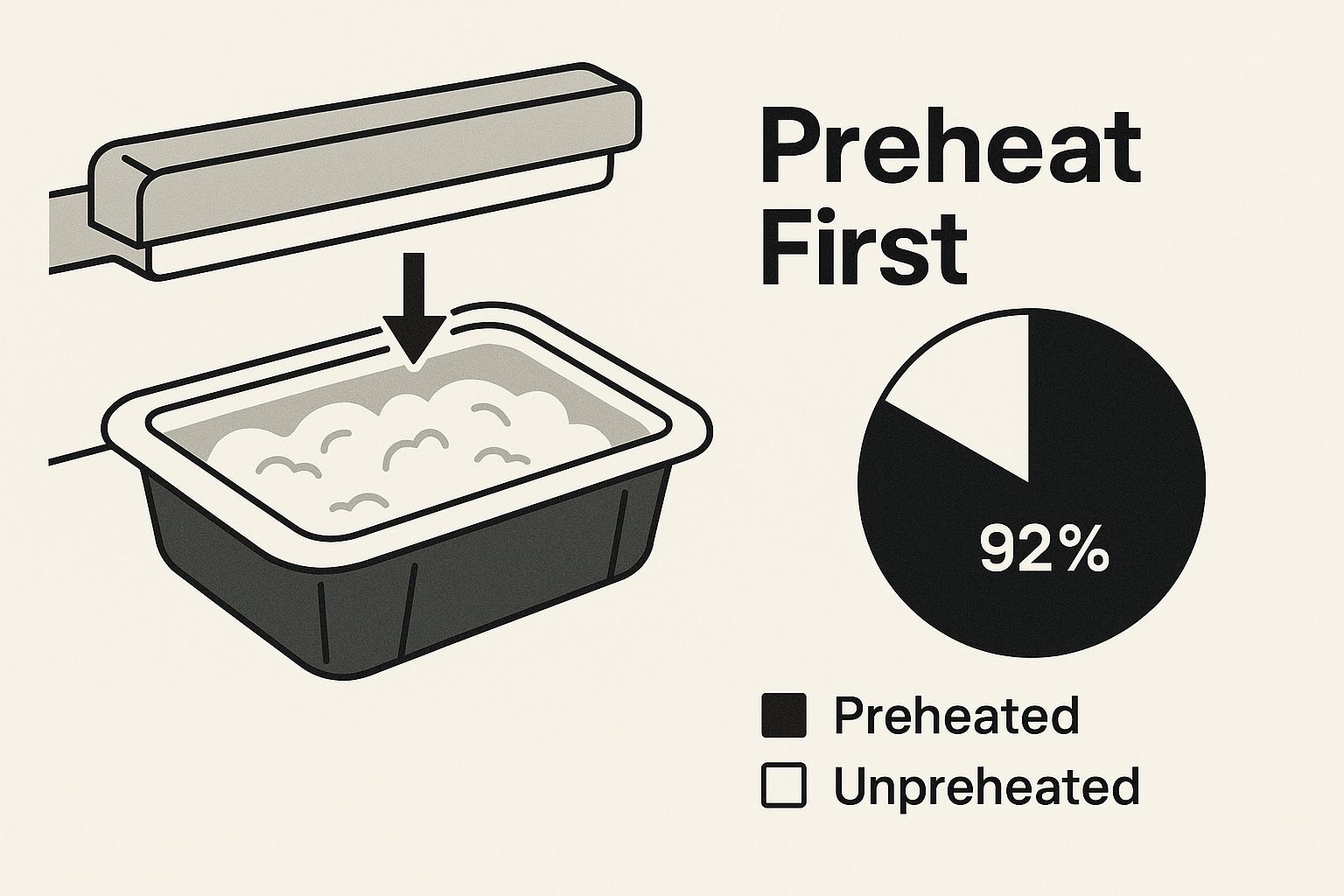
Preheat Or Pre-cool Your Thermos
Before adding hot food, warm up your thermos by filling it with boiling water. Let it sit for a few minutes, then pour the water out and add your meal. This simple step keeps the inside hot longer and stops heat from escaping too quickly.
For cold foods, do the opposite—chill your thermos with ice water or keep it in the fridge for a while. When you add your cold meal, the thermos stays cool and prevents moisture from forming inside. Have you noticed how a cold thermos keeps your salad crisp during a long day out?
Pack Food At Safe Temperatures
Don’t rush to stuff your thermos with food that’s too hot or too cold straight from the stove or fridge. Let hot foods cool just enough to avoid steam buildup, which causes sogginess. Similarly, cold foods should be chilled properly before packing to keep everything fresh.
This approach also protects your food from bacteria growth. Think about packing leftovers: letting them cool slightly before sealing them tight keeps both texture and safety in check. How often do you check your food’s temperature before packing it away?
Pack Smart With Absorbent Materials
Pack smart with absorbent materials to keep food fresh in a thermos. Use paper towels or napkins to soak up moisture, preventing sogginess. Enjoy your meal as if it was just prepared.
Packing food in a thermos is a great way to keep it warm and fresh, but nobody likes opening their lunch to find a soggy mess. To avoid this disappointment, using absorbent materials can work wonders in preserving texture. By strategically incorporating items like paper towels, lettuce leaves, or even dry bread, you can keep your meal crisp and delicious. These simple additions can make a world of difference.
Use Paper Towels Or Lettuce Leaves
Placing a paper towel at the bottom of your thermos can absorb excess moisture. This is especially helpful for meals like rice or pasta that tend to release steam. Alternatively, consider using lettuce leaves to line the thermos. Not only do they absorb moisture, but they also add a fresh, crisp element to your meal. It's like having a built-in salad on the go!
Include Dry Bread Or Crackers
Adding a piece of dry bread or a few crackers can effectively soak up unwanted moisture. This trick works well for soup-based meals or stews. Just remember to place them in a separate compartment or in a small bag to keep them from getting soggy themselves. This ensures that they do their job without compromising their own texture. Have you ever tried these methods before? If not, give them a shot and see how they transform your thermos meals. Keeping food fresh and appetizing is all about smart packing choices.
Seal And Store Correctly
Keeping your food fresh and avoiding sogginess in a thermos starts with how you seal and store it. A well-sealed thermos locks in heat and moisture, preserving the texture of your meal. On the other hand, improper sealing or storage can cause leaks and soggy food, ruining your lunch or snack.
Tighten The Lid Properly
It’s tempting to just snap the lid on and go, but tightening it properly makes a big difference. A loose lid lets air and moisture escape, causing your food to lose heat and become soggy.
Try tightening the lid until you feel resistance, then give it a gentle extra turn. This small effort prevents leaks and helps keep your food’s texture intact. Have you ever opened a thermos only to find soup spilled everywhere? Properly tightening the lid avoids that mess.
Store Upright To Prevent Leaks
After sealing the lid tightly, how you store your thermos matters just as much. Storing it upright keeps liquids settled at the bottom and minimizes the chance of leaks.
Even a well-closed lid can’t fully prevent spills if the thermos is tossed sideways or upside down in your bag. Keep your thermos standing up in your backpack or lunchbox to protect your clothes and other items. Have you noticed soggy sandwiches from a leaky thermos before? Storing upright solves that problem.
Tips For Reheating And Serving
Reheating food in a thermos needs care to keep it fresh and tasty. Following simple tips helps avoid sogginess and keeps the texture just right. Serve food hot and enjoyable with smart reheating habits.
Avoid Overheating
Heat food gently to keep moisture balanced. Overheating causes steam inside the thermos, making food soggy. Use medium heat or warm water baths for reheating. Check food often to stop heating once warm enough.
Stir Before Eating
Stir food inside the thermos before serving. This spreads heat evenly and breaks up any soggy spots. Stirring also mixes any separated liquids back into the food. It makes every bite tasty and fresh.

Credit: www.mrtakeoutbags.com
Frequently Asked Questions
How Can I Prevent Soggy Food In A Thermos?
To prevent soggy food, keep wet and dry foods separate. Use airtight containers inside the thermos. Avoid overfilling and drain excess moisture before packing food.
What Foods Stay Fresh Longest In A Thermos?
Dry foods like nuts, crackers, and sandwiches stay fresh longer. Soups and stews can become soggy if left too long. Pack foods with minimal moisture for best results.
Should I Preheat My Thermos To Avoid Sogginess?
Yes, preheating your thermos helps maintain temperature and reduces condensation. Warm the thermos with hot water before adding hot food. This keeps food fresh and prevents sogginess.
How Do I Pack Liquids Without Making Food Soggy?
Use sealed containers or jars for liquids inside the thermos. Avoid pouring liquids directly onto solid foods. This stops moisture from soaking into dry items and keeps them crisp.
Conclusion
Keeping food fresh in a thermos takes some care and simple steps. Use dry ingredients and avoid adding too much liquid. Pack hot and cold foods separately to keep texture right. Warm the thermos before adding food for better heat hold.
Clean your thermos well to stop smells and stains. These tips help your meal stay tasty and not soggy. Enjoy your food just like it was made fresh! Simple actions make a big difference every time.


