Are you tired of constantly adjusting your area rug because it keeps sliding on your carpet? It’s frustrating when your beautiful rug won’t stay in place, creating a messy look and even a tripping hazard.
You deserve a simple, effective solution that keeps your rug exactly where you want it—no slipping, no sliding. You’ll discover easy tips and tricks to secure your area rug on carpet, so you can enjoy a neat, safe, and stylish space without the hassle.
Keep reading to find out how to make your rug stay put effortlessly!
Credit: www.homedepot.com
Choose The Right Rug Pad
Choosing the right rug pad is key to keeping your area rug from sliding on carpet. A good pad adds grip and stability, preventing frustrating slips and trips. It also protects both your carpet and rug, extending their life.
Types Of Rug Pads For Carpet
Not all rug pads are designed for carpeted floors. You want a pad that grips the carpet fibers without damaging them.
- Felt Pads:These provide cushioning and support but don’t offer much grip. They are best combined with other types of pads if slip prevention is your goal.
- Rubber Pads:Rubber-backed pads grip the carpet and keep the rug in place. They work well but can sometimes stick too aggressively, causing carpet damage if moved frequently.
- Memory Foam Pads:These add softness and some grip. They are less common but good for delicate rugs on plush carpet.
- Hybrid Pads:These combine felt with a non-slip rubber backing, offering the best of both worlds—comfort and stability.
Have you noticed how your rug behaves differently depending on the pad? The right type matters more than you might think.
Material And Thickness Considerations
The material of your rug pad affects both comfort and function. Rubber provides excellent grip but can be less breathable. Felt feels soft but may not prevent slipping on its own.
Thickness plays a big role, too. Thicker pads add cushioning but can create uneven surfaces, especially on thicker carpets. Too thin, and the pad might not grip well enough.
| Pad Thickness | Best For | Considerations |
|---|---|---|
| 1/4 inch or less | Low pile carpets | Good grip, minimal added height |
| 1/2 inch | Medium pile carpets | Balanced cushion and grip |
| 3/4 inch or more | High pile carpets | Extra cushioning but may cause instability |
Think about how thick your carpet is before picking a pad. Have you ever chosen a pad that made your rug uneven? Adjust thickness to avoid that problem.

Credit: luxeweavers.com
Use Double-sided Carpet Tape
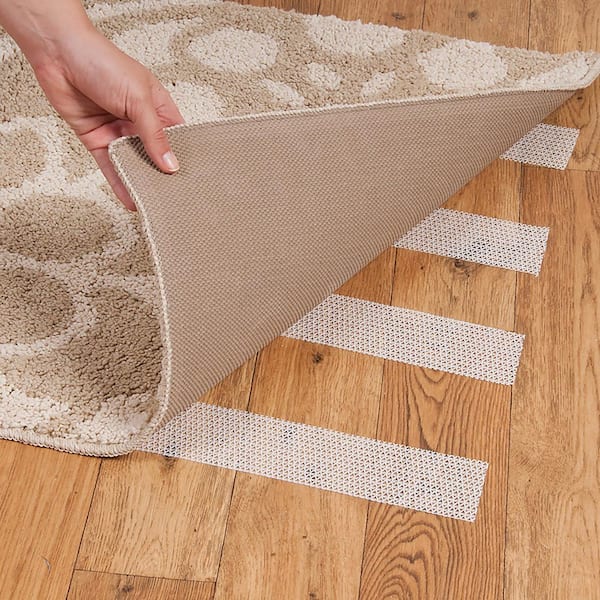
Using double-sided carpet tape is a straightforward and effective way to keep your area rug from sliding on carpet. This tape creates a strong bond between the rug and the carpet underneath, preventing unwanted movement. It’s a simple fix that many overlook but can make a big difference in both safety and comfort.
Applying Tape Correctly
Start by cleaning the edges of your area rug and the carpet surface to remove dust and dirt. This ensures the tape sticks well. Cut strips of double-sided carpet tape and apply them along the rug’s edges and in the center.
Press the rug firmly onto the carpet after applying the tape. Walk over the rug to activate the adhesive fully. Are you placing enough tape for the size of your rug? Sometimes, using extra strips in high-traffic areas makes all the difference.
Tape Durability And Removal Tips
Not all tapes are created equal. Look for tapes designed specifically for carpet use—they tend to last longer and won’t damage your flooring. If your rug starts slipping again, check the tape’s condition before replacing it.
Removing the tape can be tricky if left for too long. Gently peel it off and use a mild adhesive remover if residue remains. Have you noticed any discoloration on your carpet after tape removal? Test a small hidden spot first to avoid surprises.
Try Non-slip Rug Grippers
Non-slip rug grippers offer a simple fix to stop your area rug from sliding around on carpet. These small but effective tools create friction between the rug and carpet, holding the rug firmly in place. If you’ve ever tripped over a shifting rug, you’ll appreciate how grippers can improve safety and maintain your room’s style.
Different Styles Of Grippers
You’ll find various types of non-slip rug grippers designed for different needs and preferences. Some are adhesive pads that stick to the rug’s underside. Others are rubberized mats that go between the rug and carpet to provide extra grip without sticking.
- Adhesive Pads:These are easy to apply and work well on low-pile carpets. They may leave residue, so check if they suit your rug material.
- Rubberized Mats:These reusable mats offer a strong grip and don’t damage your rug or carpet. They’re ideal for delicate rugs or high-traffic areas.
- Corner Grippers:Designed to secure the rug’s corners, preventing curling and sliding. Great if you want a subtle solution.
Which style fits your rug’s fabric and your room’s traffic best?
Placement For Maximum Grip
Where you place the grippers matters just as much as which type you choose. Focus on the rug’s edges and corners first, as these are the spots that tend to lift or shift the most.
- Apply grippers evenly on all four corners to keep the rug flat.
- Add a few pads along the center edges for larger rugs to prevent movement.
- If your rug has a pattern, place grippers on less visible areas to keep things neat.
After placing, test the rug by walking over it or shifting slightly. Does it stay put? Adjust grippers where needed until the rug feels stable.

Credit: www.amazon.com
Secure Edges With Velcro Strips
Velcro strips help hold rug edges firmly on carpet, stopping slipping and bunching. Simply stick strips under the rug edges for better grip and stability. This keeps your rug neat and safe without damaging the carpet.
Securing the edges of an area rug can stop it from sliding. Velcro strips offer an easy and effective solution. They keep the rug firmly in place. This method is suitable for most types of carpets. Velcro strips are also easy to remove without damaging the carpet. Let's explore how to choose and install these strips.
Choosing The Right Velcro
Select Velcro with strong adhesive backing. This ensures it sticks well to the carpet. Opt for Velcro that matches the rug's color. This keeps it discreet and pleasing to the eye. Ensure the Velcro width is at least one inch. This provides sufficient grip for the rug.
Installation Steps
Begin by cleaning the carpet and rug edges. Remove any dirt or dust. This allows the adhesive to bond better. Measure the rug edges to determine Velcro length needed. Cut the Velcro strips to match these measurements. Peel off the protective backing from the adhesive side. Align the Velcro strips with the rug edges. Press firmly to ensure a secure bond. Attach the other side of the Velcro to the carpet. Press down to secure it in place. Check for any loose edges and press again if needed. This ensures the rug stays in place, providing a safe and stable surface.
Anchor With Furniture Placement
Anchoring your area rug with furniture placement is a smart way to keep it from sliding on carpet. Instead of relying solely on adhesives or pads, using your existing furniture creates a natural barrier that holds the rug in place. This approach not only stabilizes the rug but also adds to the room’s overall design and flow.
Using Furniture To Hold Rugs
Placing furniture on the edges or corners of your rug helps keep it steady. Think about positioning sofas, coffee tables, or chairs partially on the rug’s surface. This adds weight and stops the rug from shifting when you walk across it.
Try to avoid leaving large sections of the rug completely exposed without any anchor. Without some weight on the rug, it’s easy for it to bunch up or slide. Have you noticed how a couch leg on a rug feels more secure than a rug lying alone?
Best Furniture Choices
- Sofas and Sectionals:These heavy pieces are perfect for anchoring rugs in living rooms. Even placing just the front legs on the rug can make a big difference.
- Coffee Tables:These sit in the center and provide a steady hold, especially on smaller rugs.
- Bookshelves or Console Tables:When placed along the rug’s edge, they add weight without cluttering the seating area.
- Ottomans and Benches:These versatile items can easily be moved to hold rugs in place where needed.
Choosing the right furniture to anchor your rug depends on the room’s layout and your lifestyle. Have you tried shifting a coffee table slightly onto the rug to see if it stops slipping? Small adjustments can prevent big annoyances.
Maintain And Clean Regularly
Maintaining and cleaning your area rug and its accessories keeps them effective and looking fresh. Regular care helps prevent slipping by ensuring the grip elements work properly. Dirt and dust can reduce the stickiness of rug pads or tape. Clean rugs also look more inviting and last longer.
Routine cleaning removes particles that cause sliding and wear. A clean surface improves safety and comfort in your space. Simple habits can make a big difference in keeping your rug stable on carpet.
Preventing Dirt Build-up
Dirt and dust make rugs slippery on carpet. Vacuum your rug often to remove loose dirt. Clean the carpet underneath the rug regularly. Avoid walking on the rug with shoes that carry outside dirt. Spot clean spills immediately to prevent stains and grime. Use a soft brush to lift dirt from the rug fibers gently.
Cleaning Rug Pads And Tape
Rug pads and tape lose grip when dirty or sticky. Remove the rug and clean the pad with mild soap and water. Let the pad dry completely before placing it back. For tape, replace it if it loses stickiness or gathers dirt. Avoid using harsh chemicals on pads or tape. Check pads and tape monthly to keep them effective.
Frequently Asked Questions
How Can I Stop An Area Rug From Sliding On Carpet?
Use a rug pad designed for carpets under the rug. It provides grip and prevents slipping, keeping your rug stable.
What Materials Work Best For Rug Pads On Carpet?
Natural rubber and felt blend pads work well. They offer excellent grip and cushioning without damaging carpet fibers.
Can Double-sided Carpet Tape Secure Area Rugs?
Yes, double-sided carpet tape can hold rugs in place. Ensure it's safe for your carpet type to avoid residue or damage.
How Often Should I Replace My Rug Pad?
Replace your rug pad every 1-2 years or when it loses grip. A worn pad reduces effectiveness and can cause slipping.
Conclusion
Keeping your area rug steady on carpet is simple and useful. Use rug pads or double-sided tape to stop slipping. Regularly check the rug’s position to keep it safe. A secure rug adds comfort and prevents falls. Small steps make a big difference in your room’s look.
Enjoy a neat, stable space with easy fixes. Your carpet and rug will stay in place all day. Simple care keeps your home both cozy and safe.