Do you love fresh carrot juice but don’t have a juicer at home? Don’t worry—you can still enjoy that sweet, healthy drink without any fancy gadgets.
Imagine squeezing out every drop of nutrition and flavor using simple tools you already have. You’ll discover easy, step-by-step methods to juice carrots effortlessly. By the end, you’ll be ready to make delicious carrot juice anytime, saving money and space.
Keep reading to unlock these simple secrets!
Credit: www.figjar.com
Why Juice Carrots At Home
Juicing carrots at home is simple and rewarding. Fresh carrot juice tastes vibrant and pure. It contains no added sugars or preservatives. Making juice at home ensures control over ingredients. It supports a healthier lifestyle and saves money. Juicing carrots yourself can be done without a juicer. This method preserves nutrients and flavors better than many store options.
Health Benefits Of Fresh Carrot Juice
Fresh carrot juice is rich in vitamins and minerals. It provides high levels of vitamin A, which supports eye health. The juice also contains antioxidants that fight free radicals. These nutrients help boost the immune system. Drinking fresh carrot juice can improve skin health. It may also promote better digestion and detoxification.
Cost Savings Compared To Store-bought Juice
Making carrot juice at home costs less than buying it. Store-bought juices often contain added sugars and preservatives. These can increase the price and reduce health benefits. Buying whole carrots and juicing them saves money over time. It also allows you to make juice in needed amounts. This reduces waste and keeps juice fresh.
Preparing Carrots For Juicing
Preparing carrots properly is key to making fresh juice without a juicer. Clean and well-prepared carrots ensure the best flavor and smooth texture. Start with good quality carrots and handle them with care for the best results.
Selecting The Best Carrots
Choose carrots that are firm and bright orange. Avoid carrots with cracks or soft spots. Smaller carrots often taste sweeter and have fewer cores. Fresh carrots will give you more juice and better taste.
Washing And Peeling Tips
Rinse carrots under cold running water to remove dirt. Use a vegetable brush to scrub the surface gently. Peeling is optional but recommended for a smoother juice. Use a sharp peeler to remove the outer skin thinly. Trim off the tops and ends before juicing.
Juicing With A Blender
Juicing carrots with a blender is a fantastic alternative when you don’t have a juicer at hand. It allows you to make fresh, nutrient-rich juice using equipment you probably already own. The key is to blend and then strain the mixture to get that smooth, refreshing juice you expect.
Step-by-step Blending Process
Start by washing and peeling your carrots to remove any dirt and bitterness. Cut them into small chunks to help your blender work more efficiently.
Add the carrot pieces to your blender along with a small amount of water—about half a cup works well. This helps the blending process and prevents the mixture from becoming too thick.
Blend on high speed until the carrots break down into a smooth puree. You might need to stop and scrape the sides to make sure everything blends evenly.
Straining Techniques For Smooth Juice
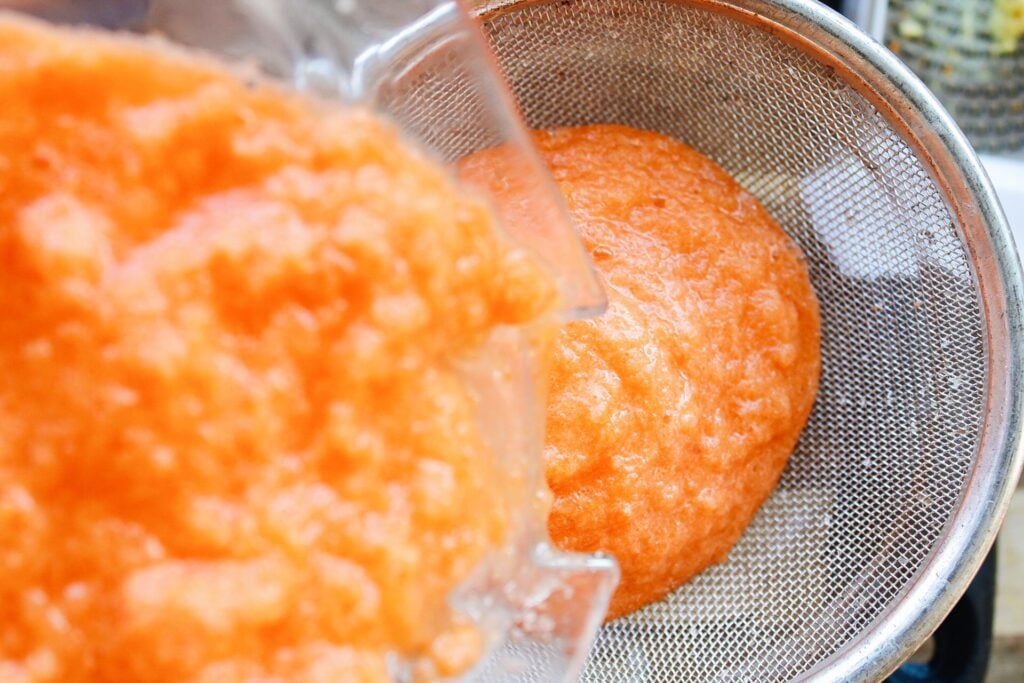
Once blended, the mixture will be pulpy and thick. To get smooth juice, pour it through a fine mesh strainer, cheesecloth, or a nut milk bag.
- Place your chosen strainer over a bowl or jug.
- Pour the carrot puree in small batches to avoid overflow.
- Use the back of a spoon or your hands to press the juice through the strainer.
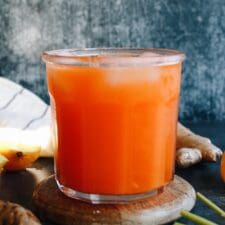
Don’t rush this step—press gently but firmly to extract as much juice as possible. You’ll be left with dry pulp and bright, fresh carrot juice ready to enjoy.
Have you ever noticed how the texture changes after straining? It’s a simple step that makes all the difference between a gritty drink and a smooth one you’ll want to sip slowly.
Credit: www.figjar.com
Using A Grater And Cheesecloth
Juicing carrots without a juicer is simpler than you might think, especially when you have just a grater and some cheesecloth. This combination lets you manually extract fresh, vibrant carrot juice right in your kitchen. It’s a hands-on approach that connects you with the process and delivers surprisingly good results.
Grating Carrots Efficiently
Start by washing and peeling your carrots to remove any dirt or bitterness from the skin. Use the coarse side of your grater to shred the carrots quickly and avoid tiring your hand. Grate over a clean bowl to catch all the carrot shreds and juice that begins to seep out.
Make sure to apply steady pressure and keep your fingers safe by stopping before you reach the tip of the carrot. If you want to speed things up, use a flat surface to grate against and rotate the carrot as you go. Have you noticed how freshly grated carrots already smell sweeter and fresher? That’s a good sign you’re on the right track.
Extracting Juice With Cheesecloth
Once you have a bowl full of grated carrots, place a clean piece of cheesecloth over another bowl or jug. Spoon the grated carrots onto the cheesecloth, then gather the edges to form a pouch. Now, squeeze the pouch firmly with your hands, pressing down to release every drop of juice.
It may take a bit of effort, but you’ll be rewarded with fresh, pulp-free carrot juice. If your hands get tired, try twisting the cheesecloth tightly while squeezing to extract more juice. What’s left inside the cloth is carrot pulp, which you can save for baking or soups instead of wasting.
Manual Pressing Method
Manual Pressing Method Start by finely grating carrots into a bowl. Place the grated carrots in a clean cloth, then squeeze tightly to extract the juice. Collect the juice in a container, ready to enjoy.
Juicing carrots by hand might seem daunting, but the manual pressing method offers a unique and satisfying experience. This approach brings you closer to your food, allowing you to appreciate the texture and natural sweetness of carrots. Plus, it's an excellent way to stay healthy without needing special equipment.
Crushing Carrots By Hand
Start by selecting fresh, firm carrots. The fresher your carrots, the more juice you'll get. Peel them if you prefer a smoother juice, though keeping the skin can add extra nutrients. Cut the carrots into smaller chunks. This makes them easier to handle and crush. Use a heavy object like a rolling pin or a sturdy glass to crush the carrot pieces. Apply pressure until they break down into a pulp-like consistency. Ever tried this method before? You might be surprised at how effective it is. The key is to apply steady pressure and ensure the carrots are soft enough to release their juices.
Pressing Techniques To Maximize Juice
Once your carrots are crushed, it's time to press the juice out. Place the pulp in a clean cheesecloth or a fine mesh bag. Wrap it tightly to prevent any pulp from escaping. Squeeze the cloth or bag firmly over a bowl. Use your hands to twist and press until the last drop is extracted. If your hands tire easily, try alternating your grip to maintain pressure. Feeling adventurous? Try adding a pinch of ginger or a splash of lemon juice to your carrot pulp. This will add a refreshing twist to your homemade juice. Have you ever noticed how different freshly squeezed juice tastes compared to store-bought ones? By using your hands, you control the texture and flavor, making every sip uniquely yours.
Tips To Enhance Flavor
Carrot juice made without a juicer can sometimes taste a bit flat or overly earthy. Enhancing the flavor is key to making it refreshing and enjoyable. You don’t need fancy equipment—just a few simple additions can brighten up your homemade juice and turn it into a delicious treat.
Adding Citrus Or Ginger
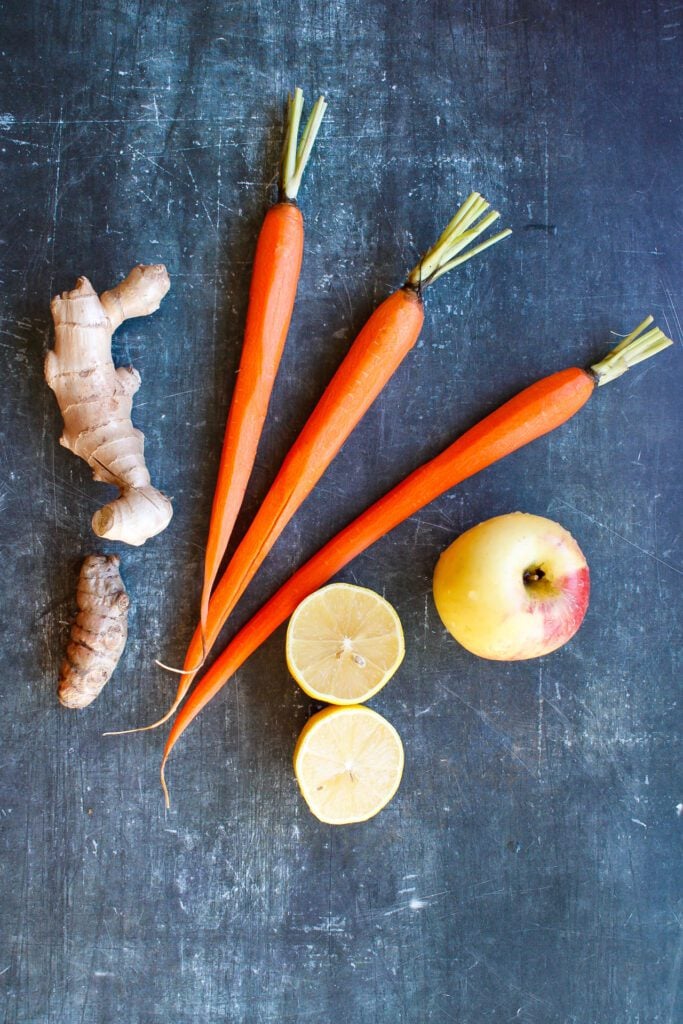
Adding a splash of citrus like lemon or orange juice instantly lifts the flavor of carrot juice. The acidity balances the natural sweetness and adds a zesty punch. Fresh ginger is another excellent choice—it adds warmth and a slight spiciness that complements the carrots well.
Try grating a small piece of ginger or squeezing half a lemon into your juice. You might be surprised how these simple ingredients transform the taste. Have you ever tried mixing carrot juice with a twist of lime? It’s a refreshing change that wakes up your palate.
Sweetening Naturally
If your carrot juice tastes too earthy or bland, adding natural sweeteners can make a big difference. Honey, maple syrup, or even a small piece of ripe apple can add a gentle sweetness without overpowering the juice. These options keep your drink healthy while making it more enjoyable.
Start with a teaspoon of honey or a few apple chunks and adjust to your taste. This way, you control the sweetness and avoid added sugars. What natural sweetener do you think would best suit your taste buds?
Storing Fresh Carrot Juice
Storing fresh carrot juice properly keeps its flavor and nutrients. Fresh juice can spoil quickly if not handled right. Use the best containers and store it at the correct temperature to enjoy it longer. Proper storage also helps prevent bacteria growth and oxidation. Follow simple tips to keep your carrot juice fresh and tasty.
Best Containers For Storage
Choose containers that prevent air contact to keep juice fresh. Glass jars with tight lids work very well. Avoid plastic containers because they can absorb odors and stains. Stainless steel bottles are another good option. Dark-colored containers help block light, which can break down nutrients.
- Use glass mason jars with airtight lids
- Pick stainless steel bottles for durability
- Avoid plastic containers to prevent taste changes
- Choose dark or opaque containers to protect from light
Shelf Life And Refrigeration
Fresh carrot juice lasts about 24 to 48 hours in the fridge. Always store it in the coldest part of your refrigerator. Keep the lid tightly closed to reduce air exposure. Shake the juice before drinking as it may separate. Drink it as soon as possible for the best taste and health benefits.
Credit: www.figjar.com
Frequently Asked Questions
How Can I Juice Carrots Without A Juicer?
You can juice carrots by blending them with water and straining the mixture. Use a fine mesh sieve or cheesecloth to separate the juice from the pulp. This method is simple and effective for extracting fresh carrot juice without a juicer.
What Tools Do I Need To Juice Carrots Manually?
To juice carrots manually, you need a blender or food processor, a fine mesh sieve or cheesecloth, and a bowl. These tools help blend the carrots and strain the juice, ensuring you get smooth and pulp-free carrot juice easily.
Is Carrot Juice Without A Juicer As Nutritious?
Yes, carrot juice made without a juicer retains most nutrients. Blending and straining preserve vitamins and minerals like beta-carotene and vitamin A. Freshly made juice offers similar health benefits as juicer-extracted juice, ensuring a nutritious drink.
How Long Does Homemade Carrot Juice Last?
Homemade carrot juice lasts up to 48 hours if refrigerated properly. Store it in an airtight container to maintain freshness. Consume it quickly to enjoy maximum nutrients and avoid spoilage or fermentation.
Conclusion
Juicing carrots without a juicer is simple and fun. You only need a few common kitchen tools. Fresh carrot juice tastes great and is full of nutrients. Try the steps carefully for the best results. Making juice at home saves money and time.
Enjoy your healthy drink anytime you want. Keep practicing, and you will get better each time. This method works well even without special machines. Give it a try and feel the difference.