Have you ever needed a hard-boiled egg quickly but didn’t want to wait for the stove to heat up? What if you could make one right in your microwave oven in just minutes?
It sounds simple, but many people avoid this method because they worry about eggs exploding or ending up unevenly cooked. You’ll discover an easy, safe way to hard boil an egg in your microwave. By the time you finish reading, you’ll have a quick trick that saves you time and hassle—perfect for busy mornings or last-minute snacks.
Keep reading to learn the step-by-step process that will change the way you prepare hard-boiled eggs forever.

Credit: www.youtube.com
Microwave Egg Boiling Basics
Boiling an egg in a microwave is quick and easy. Understanding the basics helps you get perfect results every time. Microwaves cook eggs differently than stovetops. Knowing how to prepare and handle eggs in the microwave is important for safety and taste.
Why Use A Microwave
Microwaves save time. They cook eggs faster than boiling water. You use less energy and no pots. It’s simple and clean. Perfect for quick snacks or meal prep. You can boil eggs without waiting for water to boil. Microwaving is convenient for small kitchens and busy days.
Safety Precautions
Eggs can explode in the microwave if not prepared properly. Always pierce the shell or remove it before cooking. Use a microwave-safe container and cover it to trap steam. Avoid cooking whole eggs without breaking the shell. Handle hot eggs carefully to avoid burns. Follow timing guidelines to prevent overheating. These steps keep you safe and your microwave clean.

Credit: keeshaskitchen.com
Materials Needed
Knowing exactly what materials you need makes the process of hard boiling an egg in your microwave smooth and safe. Having the right items on hand not only saves time but also prevents accidents like cracked shells or uneven cooking. Let’s break down the essentials you’ll want ready before you start.
Egg Selection
Choose fresh eggs for the best results, but slightly older eggs are actually easier to peel once cooked. Avoid eggs with cracks or damage to the shell, as these can cause the egg to explode in the microwave. If you’ve ever experienced an unexpected mess, you know how important this step is!
Consider the size of the eggs too. Large eggs work best because they cook more evenly, but if you only have medium or small eggs, adjust your cooking time accordingly.
Microwave-safe Containers
Using the right container is critical. Always pick microwave-safe bowls or containers that can hold water and the egg comfortably. A deep bowl filled with water helps prevent the egg from overheating and exploding.
Glass or ceramic containers are usually the safest bets. Avoid plastic unless it’s clearly marked microwave-safe. Have you ever tried using a container that wasn’t heat-resistant? It’s not worth the risk.
Additional Tools
You’ll need a few extra tools to make the process easier and safer. A microwave-safe plate or lid to cover the container helps trap steam and cook the egg evenly. A slotted spoon or tongs are handy for removing the hot egg from the water without burning your fingers.
Also, keep a timer or microwave with a built-in timer nearby to avoid overcooking. Handling hot eggs can be tricky, so don’t forget a kitchen towel or oven mitts to protect your hands.
Step-by-step Boiling Process
Boiling an egg in the microwave requires care and precision. Following each step ensures a perfectly cooked egg without mess or explosions. The process is quick and simple with the right approach.
Preparing The Egg
Start by piercing the egg shell gently with a pin or needle. This lets steam escape during cooking. Place the egg in a microwave-safe bowl. Add enough water to cover the egg completely. Add a pinch of salt to the water. This helps prevent the egg from cracking.
Setting The Microwave Timer
Cover the bowl with a microwave-safe plate or lid. Set the microwave power to medium or 50% to avoid overcooking. Heat the egg for about 4 to 6 minutes. Time depends on your microwave’s wattage. Pause halfway to check water level. Add more water if needed.
Cooling The Egg
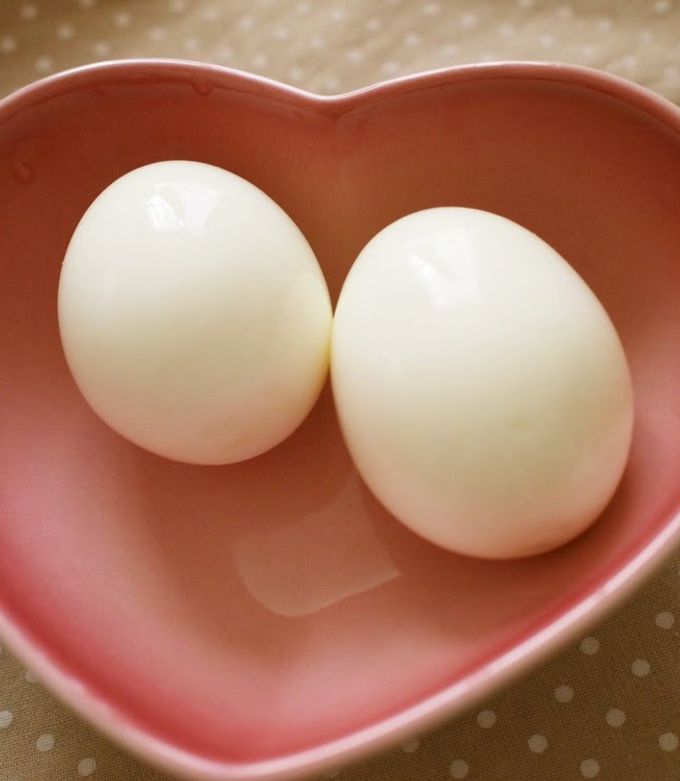
Remove the bowl carefully from the microwave. Let the egg sit in cold water for 5 minutes. This stops the cooking process instantly. Cooling makes peeling easier and safer. Drain the water and gently tap the shell to peel.
Tips For Perfect Results
Place the egg in a microwave-safe bowl with water covering it completely. Use medium power and heat in short bursts to avoid overcooking. Let the egg sit a minute before peeling for best results.
Boiling an egg in a microwave oven can save time. Getting perfect results requires a few simple tips. These guidelines will help you achieve a perfectly cooked egg every time.
Avoiding Explosions
Microwaves can cause eggs to explode. Always prick a small hole in the eggshell. Use a pin or needle for this task. This allows steam to escape. Place the egg in a microwave-safe bowl. Fill the bowl with enough water to cover the egg. This helps distribute heat evenly.
Adjusting Time For Egg Size
Egg size affects cooking time. Large eggs need more time than smaller ones. Start with 6 minutes for medium eggs. Add 30 seconds for large eggs. Check for doneness by cutting the egg open. Adjust time in small increments as needed.
Peeling Made Easy
Peeling boiled eggs can be tricky. Cool the egg in cold water immediately. This makes peeling easier. Gently tap the egg on a hard surface. Roll it to crack the shell evenly. Start peeling from the wider end. This part often has an air pocket.
Troubleshooting Common Issues
Hard boiling an egg in the microwave can sometimes lead to unexpected challenges. Understanding how to troubleshoot common issues will save you time and frustration. Let’s look at some typical problems and easy fixes to ensure your microwave eggs come out perfect every time.
Egg Cracking
Cracked eggs are a frequent problem when microwaving. This usually happens because steam builds up inside the shell and has no way to escape.
Try poking a small hole in the eggshell with a pin before cooking. This simple step lets steam release safely, preventing cracks.
Another tip is to avoid microwaving eggs in their shells without water. Always place the egg in a microwave-safe bowl filled with water to cushion it during cooking.
Undercooked Or Overcooked Eggs
Getting the timing right can be tricky. If your egg is undercooked, it might be because the cooking time was too short or the power level too low.
On the other hand, an overcooked egg becomes rubbery and tough. This usually happens when cooking time is too long or the power setting is too high.
Adjust your microwave’s power level to medium or 50% and start with shorter cooking times. Test the egg and add more time in small increments if needed. Have you tried stopping the microwave halfway to check the progress?
Microwave Variations
Not all microwaves cook the same. Power levels and wattage can vary widely, affecting your egg’s cooking time.
If your microwave has a lower wattage, you’ll need to increase the cooking time slightly. Higher wattage microwaves require less time to avoid overcooking.
Consider keeping a small notebook to track your microwave’s performance. Note the exact time and power settings that yield the best results. Would this personalized approach make your egg-cooking foolproof?
Credit: cookpad.com
Alternative Microwave Egg Recipes
Microwaves aren't just for reheating leftovers—they can transform how you prepare eggs quickly and easily. If you're tired of the same old hard-boiled egg routine, try these alternative microwave egg recipes. Each one saves you time and gives you a fresh way to enjoy eggs without dirtying extra pans.
Poached Eggs
Poaching eggs in the microwave is surprisingly simple and fast. Just crack an egg into a microwave-safe bowl filled with water, then cover it with a microwave-safe plate. Cook on high for about 45 seconds, then check if the white has set and the yolk is still runny.
Adjust the timing based on your microwave’s power and how runny you like your yolks. This method is perfect when you want a quick poached egg for toast or salads without boiling water on the stove.
Scrambled Eggs
Microwave scrambled eggs come together in less than two minutes and require minimal cleanup. Beat a couple of eggs in a microwave-safe bowl, add a splash of milk or water, and season with salt and pepper. Microwave in 30-second intervals, stirring between each, until the eggs are fully cooked but still moist.
Have you ever noticed how stirring helps cook eggs evenly? This little trick prevents rubbery texture and gives you fluffy scrambled eggs every time. Add cheese, veggies, or herbs right before microwaving for extra flavor.
Egg Bites
Egg bites are a great way to meal prep and enjoy portable, protein-packed snacks. Whisk eggs with your favorite ingredients like cheese, spinach, or cooked bacon, then pour the mixture into silicone muffin cups or a microwave-safe dish. Microwave for about 2-3 minutes until the eggs puff up and set.
Do you want a quick breakfast that travels well? These egg bites can be made ahead and reheated in the microwave, perfect for busy mornings or office snacks. Experiment with different add-ins to keep things exciting.
Frequently Asked Questions
How Long To Microwave A Hard-boiled Egg?
Microwave a hard-boiled egg for about 6 to 8 minutes. Use medium power and place the egg in water to avoid explosion. Cooking times may vary depending on microwave wattage.
Can I Microwave An Egg Without Peeling?
No, always peel the egg before microwaving. The shell can cause the egg to explode due to steam buildup inside during cooking.
How To Prevent Eggs From Exploding In Microwave?
Place peeled eggs in a microwave-safe bowl with water. Cover the bowl loosely and use medium power to cook, reducing explosion risk.
Is Microwaving Eggs Safe To Eat?
Yes, microwaving eggs is safe if cooked properly. Ensure eggs reach 160°F (71°C) to kill bacteria and avoid undercooked spots.
Conclusion
Hard boiling an egg in a microwave is quick and simple. Just follow the steps carefully to avoid messes. You can enjoy perfectly cooked eggs anytime. This method saves time and uses common kitchen tools. Try it out and enjoy a healthy snack fast.
No need to wait for a stove or pot. Eggs cooked this way taste great and peel easily. Give it a shot and see how easy it is!