You love the smell of fresh coffee, but you don’t have a grinder at hand. What do you do?
Grinding coffee beans without a grinder might seem tricky, but it’s easier than you think. Imagine waking up to the rich aroma of perfectly ground coffee made with tools you already have at home. You’ll discover simple, practical ways to grind your beans so you never miss out on that fresh coffee flavor.
Keep reading, and you’ll be brewing like a pro in no time.
Why Grind Coffee Beans At Home
Grinding coffee beans at home might seem like an extra step, but it transforms your coffee experience. You control the freshness and texture of your brew, impacting every sip. Before you decide how to grind without a grinder, it’s important to understand why grinding at home matters.
Benefits Of Freshly Ground Coffee
Freshly ground coffee beans release oils and aromas that quickly fade after grinding. Grinding just before brewing preserves these flavors, giving your coffee a richer, more vibrant taste.
When you grind at home, you can adjust the grind size to suit your brewing method—whether it’s a fine espresso or a coarse French press. This control helps you get the perfect extraction and avoid bitterness or weak coffee.
Have you noticed how your coffee tastes different when it’s pre-ground? Grinding fresh lets you enjoy the full spectrum of flavors that coffee beans offer.
Challenges Without A Grinder
Without a dedicated grinder, achieving a consistent grind can be tricky. Uneven grounds may lead to uneven extraction, affecting your coffee’s taste and strength.
Manual methods like crushing with a rolling pin or using a mortar and pestle require effort and patience. It’s easy to get frustrated if your tools aren’t up to the task or if the grind is too coarse or too fine.
Still, these challenges don’t mean you can’t enjoy freshly ground coffee. They push you to experiment and discover simple ways to get the job done using household items.

Credit: www.helenacoffee.vn
Common Household Items For Grinding
Grinding coffee beans without a grinder is easier than it seems. Many common household items can do the job well. These tools help break the beans into smaller pieces for brewing. Each option offers a simple way to prepare fresh coffee grounds at home.
Using A Mortar And Pestle
A mortar and pestle is perfect for crushing coffee beans by hand. Place a small amount of beans into the mortar. Use the pestle to press and twist the beans until they reach the desired coarseness. This method gives control over the grind size and works well for small batches.
Grinding With A Rolling Pin
Use a rolling pin to crush coffee beans on a hard surface. Spread the beans on a clean cutting board and cover them with a cloth or parchment paper. Roll the pin back and forth over the beans, applying firm pressure. This technique breaks beans evenly and is simple to try.
Blender And Food Processor Options
Blenders and food processors can grind coffee beans quickly. Use the pulse setting in short bursts to avoid overheating. Watch the grind size closely to stop at the right texture. This method works well for larger amounts but may not grind as finely as a grinder.
Hammer Or Mallet Techniques
A hammer or mallet can crush coffee beans in a pinch. Place beans inside a sturdy plastic bag or between two sheets of paper. Tap gently with the hammer or mallet until the beans break apart. This method requires care to avoid damaging surfaces or making a mess.
Step-by-step Grinding Methods
Grinding coffee beans without a grinder is simple with the right approach. Follow these step-by-step methods to achieve fresh, flavorful grounds. These techniques work well with common household items and require minimal effort.
Preparing Beans For Grinding
Start with dry coffee beans at room temperature. Remove any debris or broken beans. Measure the amount of coffee you need for brewing. Spread the beans on a clean, flat surface before grinding. This helps ensure even grinding and prevents mess.
Safety Tips
- Use sturdy tools that won’t slip or break.
- Keep fingers away from sharp edges or surfaces.
- Apply gentle, steady pressure to avoid accidents.
- Work on a stable surface to maintain control.
- Wear protective gloves if using heavy tools.
Achieving Desired Grind Size
Adjust your grinding method to get the right size for your brew. For a coarse grind, use a rolling pin or hammer with light taps. For medium grind, crush beans with a mortar and pestle using steady pressure. For fine grind, place beans in a plastic bag and crush with a heavy object. Check grind size often to avoid over or under grinding.
Tips For Better Flavor And Freshness
Grinding coffee beans just before brewing keeps the flavor fresh and rich. Use simple tools like a rolling pin or mortar and pestle for a consistent grind. Store beans in an airtight container to maintain freshness longer.
Grinding coffee beans without a grinder can seem challenging. But with some simple tips, you can enhance flavor and freshness. A few key practices ensure your coffee remains aromatic and tasty. Let's explore how storage and grinding techniques can make a difference.
Proper Storage Of Coffee Beans
Keep beans in an airtight container. This prevents exposure to air and moisture. Store in a cool, dark place. Avoid placing near heat or light sources. Never refrigerate or freeze beans. They can absorb odors and moisture. Freshness diminishes with improper storage.
Grinding Just Before Brewing
Grind only the amount you need. This preserves flavor and aroma. Freshly ground coffee tastes better. Beans lose flavor quickly once ground. Grinding just before brewing ensures maximum freshness.
Adjusting Grind Size For Different Brewing Methods
Match grind size to your brewing method. Coarse grind suits French press. Medium grind is ideal for drip coffee makers. Fine grind works best for espresso. Adjust grind size for optimal flavor extraction. Proper grind size enhances your coffee experience.
Troubleshooting Common Issues
Grinding coffee beans without a grinder can bring some challenges. Problems like uneven grind, damage to beans, or dirty tools may arise. Knowing how to fix these common issues helps make better coffee. Here are practical tips to troubleshoot and improve your coffee grinding experience.
Uneven Grind Solutions
Uneven grind affects the flavor and extraction of coffee. To get a consistent grind, try these tips:
- Use a flat, hard surface to crush beans evenly.
- Break beans into small batches for better control.
- Move your tool in steady, circular motions for uniform size.
- Sift grounds through a fine mesh to separate coarse bits.
Avoiding Bean Damage
Crushing beans too hard can cause unwanted damage. Over-crushed beans can taste bitter or burnt. Protect your beans by:
- Applying gentle, steady pressure instead of forceful hits.
- Using tools with smooth edges to prevent crushing beans into powder.
- Grinding small amounts to avoid uneven pressure on beans.
Cleaning Your Tools
Clean tools help keep coffee fresh and flavorful. Residue from old grounds can spoil taste. Clean your equipment regularly by:
- Wiping tools with a dry cloth after each use.
- Using warm water and mild soap for deeper cleaning.
- Ensuring tools are dry before grinding again to avoid clumping.
Credit: kauaicoffee.com

Credit: peakstatecoffee.com
Frequently Asked Questions
How Can I Grind Coffee Beans Without A Grinder?
You can use a mortar and pestle, a rolling pin, or a blender to grind coffee beans. Each method breaks the beans into smaller pieces suitable for brewing. Be consistent with pressure and time for an even grind.
What Household Items Work For Grinding Coffee Beans?
Common items like a hammer, spice grinder, or food processor can grind coffee beans. Use gentle, controlled pulses to avoid overheating. These tools provide different grind sizes, so adjust your technique for the desired texture.
Is Hand Grinding Coffee Beans Effective?
Yes, hand grinding with tools like a mortar and pestle offers control over grind size. It takes more effort but preserves coffee’s aroma and flavor. This method suits small batches and allows customization.
How Fine Should Coffee Be Ground Without A Grinder?
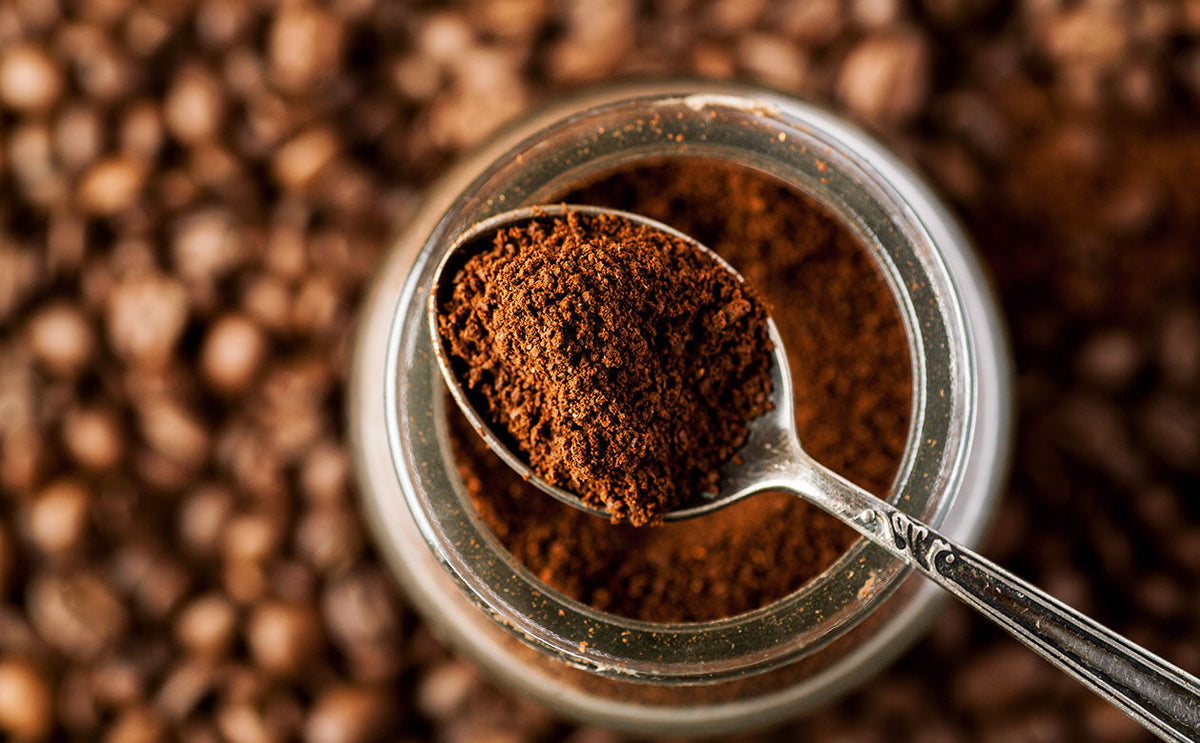
The grind size depends on your brewing method, from coarse for French press to fine for espresso. Without a grinder, aim for uniform pieces resembling sand or sugar. Consistency improves extraction and taste.
Conclusion
Grinding coffee beans without a grinder is simple and doable. Use tools you have at home, like a mortar and pestle or a rolling pin. Take your time and crush the beans evenly for the best taste. Freshly ground coffee makes a big difference in flavor.
Try these methods and enjoy a fresh cup anytime. No fancy tools needed. Just patience and a bit of effort. Your coffee routine can be easy and tasty without a grinder. Give it a try and see how good homemade ground coffee can be.