Grilling a thick ribeye steak on your gas grill can seem tricky. You want it juicy, tender, and packed with flavor, not overcooked or dry.
But with the right steps, you can master this and impress everyone at your next cookout. In this guide, you’ll discover simple tips and techniques to grill your ribeye steak perfectly every time. Ready to turn your gas grill into a steakhouse?
Let’s get started.
Choosing The Right Ribeye
Choosing the right ribeye steak is key to a great grilling experience. The quality and cut affect the taste and texture. A good ribeye offers rich flavor and tenderness. Pay attention to thickness and marbling. Also, consider whether the steak is fresh or frozen. These factors shape the final dish.
Selecting Thickness And Marbling
Thick ribeye steaks, about 1.5 to 2 inches, grill better. They cook evenly and stay juicy. Thin cuts risk overcooking or drying out quickly. Marbling means the fat streaks inside the meat. More marbling means richer taste and softer texture. Look for steaks with visible fat lines. This fat melts during grilling, adding flavor and moisture.
Fresh Vs. Frozen Cuts
Fresh ribeye often tastes better and cooks more evenly. It has a bright red color and firm texture. Frozen steak can lose some flavor and moisture. Freezing forms ice crystals that damage the meat fibers. If choosing frozen, thaw it slowly in the fridge. Avoid thawing at room temperature to keep quality intact.
Preparing The Steak
Preparing a thick ribeye steak properly is key to a juicy and flavorful grill result. Taking the right steps before cooking sets the stage for a perfect sear and even cooking. This process starts long before the steak meets the grill grates.
Bringing Steak To Room Temperature
Take the ribeye out of the fridge about 30 to 60 minutes before grilling. This helps the meat cook evenly from edge to center. Cold steak can cook unevenly, leading to a burnt outside and raw inside. Letting it rest on the counter ensures a better grill experience.
Seasoning Techniques
Start with simple seasoning to enhance the ribeye’s natural flavor. Pat the steak dry with paper towels to remove moisture. This helps create a nice crust during grilling.
- Generously apply coarse salt, like kosher or sea salt, on all sides.
- Add freshly ground black pepper for a bold taste.
- Optional: Sprinkle garlic powder or smoked paprika for extra flavor.
Press the seasoning gently into the meat. Avoid over-seasoning to keep the steak's rich beef taste in focus. Seasoning too early can draw out moisture, so apply it just before grilling.
Setting Up The Gas Grill
Setting up your gas grill properly is key to cooking a thick ribeye steak perfectly. It creates the right environment for even cooking and great flavor. Preparing the grill takes just a few simple steps but makes a big difference.
Creating Heat Zones
Heat zones help control cooking temperatures on your grill. Set one side to high heat for searing the steak. Leave the other side on low or off for slower cooking.
- Turn on burners on one side only.
- Keep the other burners off or low.
- Use the hot zone to sear the steak quickly.
- Move steak to the cooler zone to finish cooking.
This method prevents burning and allows even heat distribution. It also helps achieve the perfect crust and juicy inside.
Preheating Tips
Preheat the grill for 10 to 15 minutes before cooking. This ensures the grill grates are hot enough to sear the steak well.
- Close the lid while preheating.
- Check the temperature with a grill thermometer.
- A temperature of 450°F to 500°F is ideal for searing.
- Clean the grill grates with a brush before cooking.
Preheating helps lock in juices and creates nice grill marks on the ribeye. A properly heated grill makes all the difference in taste and texture.

Credit: girlscangrill.com
Grilling The Ribeye
Grilling a thick ribeye steak on a gas grill requires careful control of heat and timing. This process ensures the steak cooks evenly inside while developing a flavorful crust outside. Understanding how to manage direct and indirect heat zones is key to a perfect cook. Let’s explore the essential grilling techniques for a thick ribeye steak.
Searing For Crust
Searing locks in juices and creates a tasty crust on the steak. Preheat the grill to high heat before placing the ribeye. Sear each side for about 2 to 3 minutes. Avoid moving the steak too much during searing. This step creates the rich, browned surface that adds flavor and texture.
Using Indirect Heat
After searing, move the ribeye to indirect heat. Turn off one burner and place the steak on the cooler side. Close the grill lid to cook the steak evenly inside. This method prevents burning the outside while the inside reaches the desired doneness. Use a meat thermometer to check internal temperature.
Managing Flare-ups
Flare-ups happen when fat drips onto the burners. They can burn the steak quickly. Keep a spray bottle of water nearby to control flames. Move the steak away from flare-ups if they get too high. Controlling flare-ups protects the steak and keeps cooking steady.
Checking Doneness
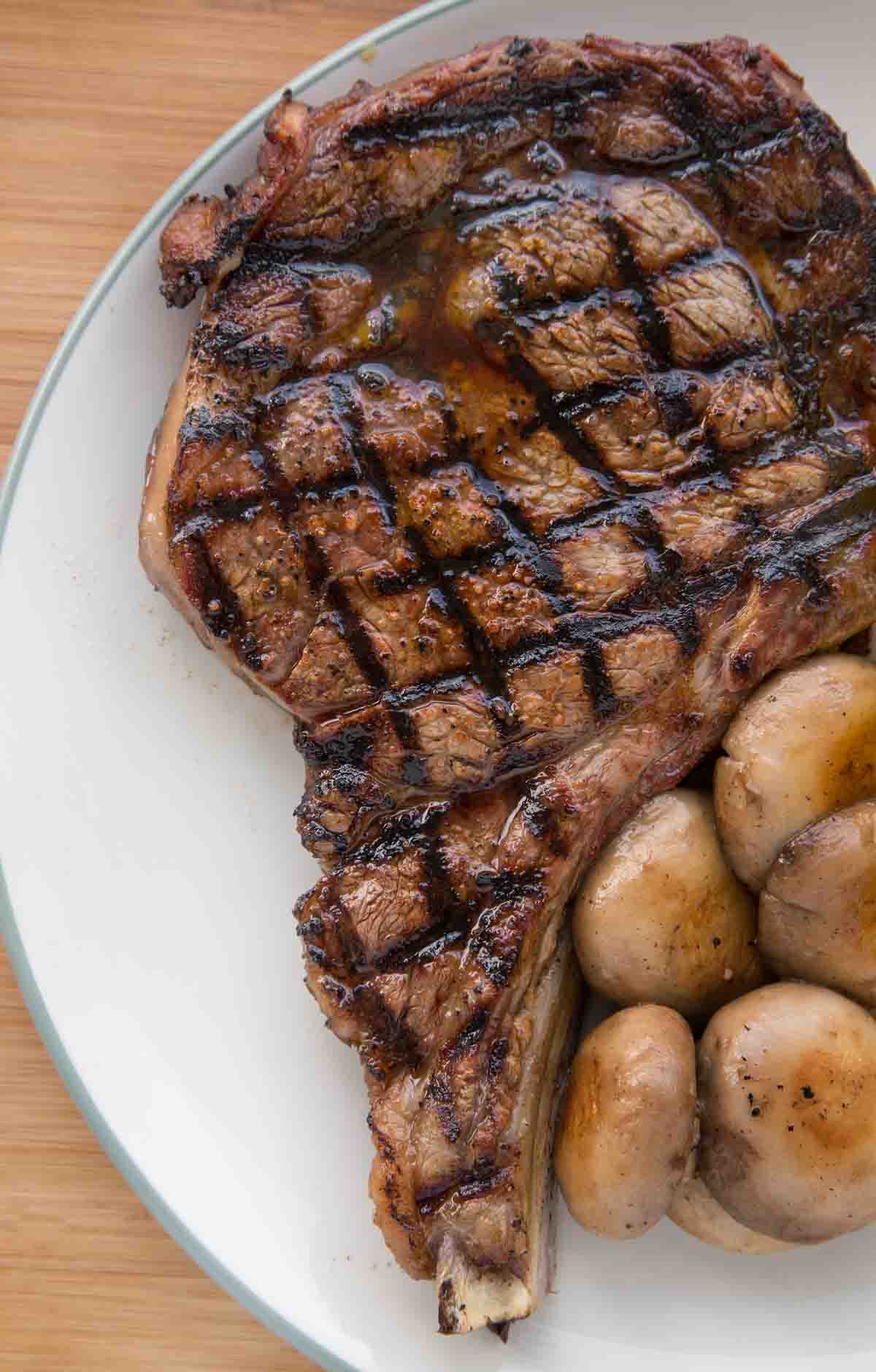
Check the steak’s internal temperature with a meat thermometer for accurate doneness. Look for 130°F for medium-rare and 140°F for medium. Rest the steak before cutting to keep juices inside.
Grilling a thick ribeye steak to perfection requires a keen sense of doneness. Knowing when your steak has reached the right level of cook is crucial. There are a couple of reliable methods to check steak doneness. These methods ensure your ribeye is flavorful and juicy.
Using A Meat Thermometer
A meat thermometer provides accurate results. Insert it into the thickest part of the steak. Avoid bones and fat for a true reading. For medium-rare, aim for 130°F to 135°F. For medium, 140°F to 145°F works best. Always remove the steak a few degrees before the target. It continues cooking off the grill.
Touch Test Method
The touch test is simple and effective. Compare the feel of the steak to parts of your hand. A rare steak feels like the base of your thumb. Medium feels like the middle of your palm. Practice to perfect this method. It's quick and requires no tools.
Credit: www.askchefdennis.com
Resting The Steak
Resting your thick ribeye steak after grilling is a crucial step that many overlook. It allows the juices to redistribute throughout the meat, making every bite juicy and flavorful. Skipping this step can leave your steak dry and less enjoyable.
Why Resting Matters
When you take your steak off the grill, the heat pushes the juices toward the center. If you cut into it immediately, those juices spill out, leaving the steak less moist.
Resting lets the juices settle back evenly inside the meat. This means each bite is tender and packed with flavor. Have you ever noticed how a rested steak feels more satisfying and rich?
Ideal Resting Time
For a thick ribeye, resting for about 5 to 10 minutes works best. This time frame is enough for the juices to redistribute without cooling the steak too much.
Cover the steak loosely with foil to keep it warm during resting. Avoid wrapping it tightly, as that can cause the steak to steam and lose its crust.
Serving Suggestions
Serving a thick ribeye steak fresh off the gas grill is a delight. The right sides and finishing touches can make the meal even better. Choose simple, tasty options that complement the rich flavor of the steak. This helps create a balanced and satisfying plate.
Simple Sides To Pair
- Grilled asparagus with a squeeze of lemon
- Garlic mashed potatoes for creamy comfort
- Fresh garden salad with a light vinaigrette
- Roasted sweet potatoes for a touch of sweetness
- Steamed green beans with a pinch of salt
These sides add color and texture without overpowering the steak. They keep the meal fresh and inviting.
Finishing Touches
- A pat of herb butter melting on top
- A sprinkle of flaky sea salt for crunch
- Fresh cracked black pepper for extra zest
- Chopped fresh parsley or chives for brightness
- A drizzle of balsamic glaze for subtle sweetness
Finishing touches boost flavor and presentation. They make the steak look as good as it tastes.

Credit: www.thekitchn.com
Common Mistakes To Avoid
Grilling a thick ribeye steak can be challenging. Mistakes happen, leading to less tasty results. To get the best steak, avoid common errors. Understanding these can save your steak from disaster.
Overcooking Pitfalls
Overcooking a ribeye dries it out. It loses its juicy flavor. Use a meat thermometer for accuracy. Aim for medium-rare to medium for best taste. Remember, steak continues cooking after you remove it from heat. Let it rest before serving.
Ignoring Grill Maintenance
A dirty grill affects steak flavor. It can cause uneven cooking. Clean grates before grilling. Check gas levels to prevent interruptions. Regular maintenance ensures efficient cooking. A clean grill delivers a better-tasting steak.
Frequently Asked Questions
How Long To Grill Thick Ribeye On Gas Grill?
Grill thick ribeye for 4-5 minutes per side over high heat. Use indirect heat to finish cooking. Total time varies by thickness and desired doneness.
What Temperature To Grill Ribeye Steak On Gas Grill?
Preheat the gas grill to 450-500°F for searing. Then reduce to medium heat (350-400°F) to cook through evenly without burning.
Should Ribeye Steak Be Rested After Grilling?
Yes, rest ribeye for 5-10 minutes after grilling. This lets juices redistribute, making the steak juicier and more flavorful.
How To Prevent Ribeye From Sticking On Gas Grill?
Oil the grill grates and steak lightly before cooking. Preheat the grill well to create a non-stick surface and prevent tearing.
Conclusion
Grilling a thick ribeye steak on a gas grill is simple with the right steps. Start with good heat and patience. Let the steak rest after cooking to keep it juicy. Use a meat thermometer to check doneness easily. Enjoy the rich flavors that come from grilling properly.
This method gives you a tasty, tender steak every time. Try it yourself and enjoy a great meal outdoors. Perfect for any cook who loves steak and grilling.