Grilling the perfect T-bone steak on a gas grill might seem tricky, but with the right tips, you can master it fast. Imagine biting into a juicy, flavorful steak that’s cooked just the way you like it.
You don’t need to be a grill expert to make this happen. In this guide, you’ll discover simple steps to get that perfect sear, the right cooking times, and how to keep your steak tender and juicy. Ready to impress yourself and your guests?
Keep reading, and you’ll be grilling like a pro in no time.

Credit: www.vindulge.com
Choosing The Right T Bone Steak
Choosing the right T bone steak sets the foundation for a great grilling experience. The quality and cut of the meat affect flavor and tenderness. Selecting the perfect steak helps achieve the best taste on a gas grill. Pay close attention to these details before buying your steak.
Selecting Quality Meat
Look for steaks with bright red color and fine marbling. Marbling means white streaks of fat inside the meat. This fat melts during cooking and adds flavor and juiciness. Avoid steaks with dark spots or dry edges. Freshness is important, so check the sell-by date. Grass-fed or grain-fed beef can affect taste. Choose based on your personal flavor preference.
Thickness And Cut Considerations
Thicker steaks grill more evenly and stay juicy. Aim for steaks at least 1 to 1.5 inches thick. Thin steaks cook too fast and can dry out. The T bone has two parts: the strip and the tenderloin. Both should look fresh and plump. Check the bone size too; a thicker bone means better heat distribution. Uniform thickness helps avoid overcooked edges or raw centers.
Preparing The Steak
Getting your T-bone steak ready before it hits the grill makes all the difference in flavor and texture. The preparation stage is where you set the foundation for a juicy, well-cooked steak. Skipping or rushing this part can lead to uneven cooking or bland taste.
Seasoning Techniques
Seasoning isn’t just about sprinkling salt and pepper; it’s about enhancing the natural flavors of the meat. Start by patting the steak dry with paper towels to help the seasoning stick better.
Generously apply kosher salt and freshly ground black pepper on both sides. You can add garlic powder or smoked paprika if you want a flavor boost. Press the seasoning gently into the meat instead of rubbing it hard, which can tear the surface.
Let the steak sit with the seasoning for at least 15 minutes. This pause allows the salt to draw out moisture, then reabsorb it, tenderizing the meat and amplifying taste. Have you noticed how seasoning ahead of time changes the steak’s crust after grilling?
Bringing Steak To Room Temperature
Cold steak straight from the fridge can cook unevenly, leaving the inside underdone while the outside overcooks. Let your steak rest on the counter for about 30 to 60 minutes before grilling.
This step evens out the temperature, helping the steak cook more consistently. It also reduces the shock of putting a cold piece of meat on a hot grill, which improves the sear.
Try placing the steak on a plate and loosely cover it with foil while it comes to room temperature. This little trick keeps it from drying out. How much better would your steak taste if it were cooked evenly from edge to edge?
Setting Up The Gas Grill
Ensure the gas grill is clean and preheated to the right temperature. Arrange the T-bone steaks and monitor closely for even cooking.
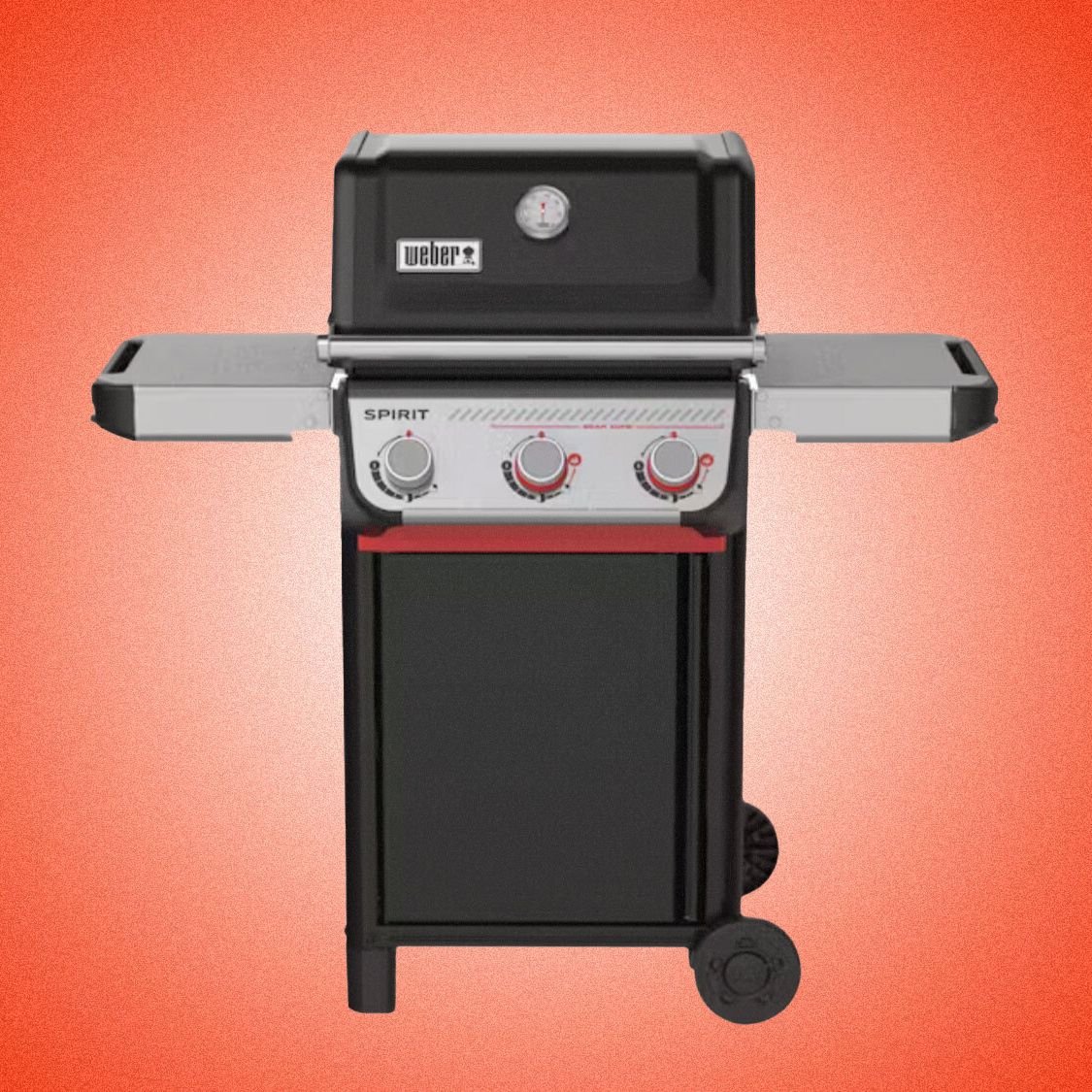
Setting up your gas grill is crucial for a perfect T-bone steak. This process ensures even cooking and a delicious crust. Let's dive into the essential steps for setting up your grill.
Preheating For Ideal Temperature
Preheat the grill for at least 15 minutes. Set it to high heat. This ensures the grates are hot enough. Hot grates sear the steak perfectly. Aim for a temperature around 500°F. Use a grill thermometer if available. Consistent heat is key for even cooking.
Arranging Grill Zones
Create two heat zones on your grill. Keep one side on high heat. This side is for searing. The other side should be on medium or low. This side is for finishing the steak. The dual-zone setup allows control. It helps avoid overcooking. Place the steak on the high heat side first. Then move it to the low heat side to finish. This method ensures a juicy, tender steak.

Credit: www.reddit.com
Grilling The Steak
Grilling a T-bone steak on a gas grill is all about controlling heat and timing to bring out the best flavors and textures. The steak’s unique shape demands attention to both the meat and the bone to ensure even cooking. How you manage the grill’s heat zones and sear the steak can make a huge difference in the final taste and appearance.
Searing For Perfect Grill Marks
Searing your T-bone steak is the key to locking in juices and creating those mouth-watering grill marks. Preheat your gas grill to high heat, around 450-500°F, before placing the steak on the grates.
Press the steak down gently and leave it undisturbed for about 2-3 minutes to develop a nice crust. Flip it once to create crosshatch grill marks, then sear the other side for another 2-3 minutes.
Don’t move the steak around too much—letting it sit gives you those appealing grill lines and a flavorful crust. Have you noticed how those grill marks make the steak look even more appetizing?
Using Direct And Indirect Heat
After searing, the next step is to cook the steak through using a combination of direct and indirect heat. Move your steak to the cooler side of the grill to finish cooking without burning the outside.
Keep the grill lid closed to maintain an even temperature. Use a meat thermometer to check the internal temperature: 130°F for medium-rare, 140°F for medium.
This method lets you achieve a perfectly cooked steak with a juicy interior and a crispy exterior. How do you usually tell if your steak is cooked just right without cutting into it?
Checking Doneness
Checking the doneness of a T-bone steak is key to a great meal. A perfectly cooked steak should be juicy, tender, and cooked just right. Overcooking dries it out, while undercooking may leave it too raw. Use reliable ways to check doneness for the best results.
Temperature Guide
Using a meat thermometer is the most accurate way to check doneness. Insert it into the thickest part of the steak, avoiding the bone. Match the temperature to your preferred doneness level:
| Doneness | Temperature (°F) | Description |
|---|---|---|
| Rare | 120-125 | Cool red center, very juicy |
| Medium Rare | 130-135 | Warm red center, tender |
| Medium | 140-145 | Pink center, firmer texture |
| Medium Well | 150-155 | Slight pink center, less juicy |
| Well Done | 160+ | No pink, firm and dry |
Remove the steak from the grill a few degrees below your target. Carryover heat will raise the temperature slightly.
Touch Test Method
The touch test helps estimate doneness by feel. Press the steak gently with your finger or tongs. Compare the firmness to the following:
- Rare:Very soft, feels like the fleshy part of your hand below the thumb when relaxed.
- Medium Rare:Soft but springs back, like when touching that same area with your thumb and middle finger together.
- Medium:Firm with slight give, similar to thumb and ring finger touch.
- Well Done:Very firm, like thumb and pinky finger touch.
This method improves with practice and helps avoid cutting the steak too soon.
Resting And Serving
After grilling your T-bone steak to perfection, the next steps—resting and serving—are just as crucial. These stages can significantly impact the flavor and juiciness of your steak. Skipping or rushing through them might leave you wondering why your perfectly grilled steak isn’t as delicious as expected.
Importance Of Resting
Resting allows the juices inside the steak to redistribute evenly. If you cut into the steak immediately, all the flavorful juices will spill out, leaving you with a dry bite.
Typically, let your T-bone rest for about 5 to 10 minutes. Cover it loosely with aluminum foil to keep it warm without trapping steam.
Have you noticed how sometimes a steak looks perfect on the outside but feels tough? Resting helps avoid that by relaxing the meat fibers, making every bite tender and juicy.
Serving Suggestions
Once rested, consider how you want to serve your T-bone steak to enhance its flavors. Simple additions can elevate your meal without overpowering the steak’s natural taste.
- Serve with a pat of herb butter or a drizzle of garlic-infused olive oil for added richness.
- Pair with classic sides like grilled asparagus, roasted potatoes, or a fresh garden salad.
- Try finishing with a sprinkle of flaky sea salt and cracked black pepper right before serving to boost flavor.
Think about the sauces or sides you enjoy most and how they complement the steak. What’s your favorite way to serve a T-bone to make it memorable every time?
Enhancing Flavor
Enhancing the flavor of a T-bone steak on a gas grill turns a simple meal into a memorable feast. The natural taste of the beef becomes richer and more exciting with the right techniques. Two key ways to boost flavor are using marinades and rubs and adding smoke with wood chips. Both methods bring unique aromas and depth to the steak.
Using Marinades And Rubs
Marinades add moisture and infuse the steak with flavors. Use ingredients like olive oil, garlic, soy sauce, and herbs. Let the steak soak for at least 30 minutes, or up to 4 hours for stronger taste.
Dry rubs create a flavorful crust on the steak’s surface. Combine spices such as black pepper, paprika, salt, and garlic powder. Pat the rub onto the meat before grilling. The spices form a tasty layer that seals in juices.
Adding Smoke With Wood Chips
Wood chips add a smoky aroma that gas grills usually lack. Soak chips in water for 30 minutes to avoid quick burning. Place the wet chips in a smoker box or wrap them in foil with holes poked in it.
Set the smoker box or foil packet on the grill grates near the heat source. Close the lid and let the smoke infuse the steak during cooking. Popular wood flavors include hickory, mesquite, and applewood. Each adds a distinct, rich aroma to the steak.

Credit: www.reddit.com
Common Mistakes To Avoid
Grilling a T bone steak on a gas grill can be simple. Yet, many make mistakes that spoil the flavor or texture. Avoiding these common errors helps you enjoy a juicy, tender steak every time.
Overcooking
Overcooking is the top mistake. It makes the steak dry and tough. T bone steak cooks fast because it has two types of meat. Use a meat thermometer to check internal temperature. Aim for medium-rare at 130-135°F. Turn off heat early. The steak will keep cooking after removal.
Skipping Rest Period
Resting the steak after grilling is key. Skipping this step causes juices to escape when cutting. Let the steak rest for 5 to 10 minutes. This allows juices to redistribute inside the meat. You get a moister and more flavorful steak.
Frequently Asked Questions
How Long To Grill A T Bone Steak On Gas Grill?
Grill a 1-inch T bone steak for 4-5 minutes per side. Adjust time for thicker cuts. Use a meat thermometer for accuracy.
What Temperature Is Best For Grilling T Bone Steak?
Preheat your gas grill to high heat, around 450-500°F. This ensures a perfect sear and juicy interior.
Should I Marinate T Bone Steak Before Grilling?
Marinating is optional but recommended. It enhances flavor and tenderizes the meat. Use a simple marinade with oil, herbs, and spices.
How To Tell When T Bone Steak Is Done?
Use a meat thermometer: 130°F for medium-rare, 140°F for medium. Look for clear juices and firm texture.
Conclusion
Grilling a T-bone steak on a gas grill is simple and fun. Start with a hot grill and clean grates. Cook the steak evenly on both sides for the best taste. Let the meat rest before serving to keep it juicy.
Use a meat thermometer to check doneness easily. With practice, your steaks will turn out tender and full of flavor. Enjoy your meal and the grilling experience!