If you want to master the art of grilling a perfect T-bone steak on your gas grill, you’re in the right place. Imagine biting into a juicy, tender steak with a smoky char that melts in your mouth.
Sounds delicious, right? Whether you’re a beginner or just looking to improve your grilling skills, this guide will show you exactly how to get mouthwatering results every time. Ready to impress your family and friends with a steak that tastes like it came from a high-end steakhouse?
Let’s get started.

Credit: www.vindulge.com
Choosing The Right T Bone Steak
Choosing the right T Bone steak sets the foundation for a perfect grilling experience. The quality of the cut directly affects flavor, tenderness, and how well it cooks on your gas grill. Paying attention to key details before you buy can save you from disappointment and elevate your steak dinner.
Selecting Quality Cuts
Look for steaks with a bright red color and firm texture. Avoid any cuts that have a dull or brownish hue, as this may indicate older meat. The bone should be clean and white, not dark or crumbly.
Marbling—the thin streaks of fat within the meat—is a good sign. It melts during cooking, adding juiciness and flavor. A well-marbled T Bone steak will stay moist and tender, even at high grill temperatures.
Thickness Matters
Thickness influences how evenly your steak cooks. Thicker cuts, ideally around 1 to 1.5 inches, give you more control over achieving a juicy interior without overcooking the outside. Thin steaks often cook too fast and risk becoming dry.
Think about your grill’s heat zones: a thicker steak lets you sear the outside quickly while finishing it slower on indirect heat. Have you noticed how a thinner steak can easily turn from perfect to overdone in seconds? That’s why thickness is a key factor.
Fresh Vs. Frozen
Fresh T Bone steaks usually offer better texture and flavor. However, high-quality frozen steaks can also work well if thawed properly. Avoid refreezing meat once it’s thawed, as this can cause moisture loss and toughness.
Ask your butcher about the source and handling of the steak. If you choose frozen, plan ahead to thaw it gradually in the refrigerator. Rushing this process by using hot water or a microwave can negatively affect the meat’s quality.

Credit: www.rosauers.com
Preparing The Steak
Preparing your T-bone steak correctly makes a big difference in taste and texture. Proper prep helps the steak cook evenly and brings out its natural flavors. Taking time to prepare the steak ensures a juicy and tender result.
Bringing To Room Temperature
Remove the steak from the fridge about 30 to 45 minutes before grilling. Letting it sit at room temperature helps the meat cook more evenly. Cold meat can cause uneven cooking and a tough texture. Place the steak on a plate and cover it lightly to keep it clean.
Seasoning Techniques
Simple seasoning often works best to enhance the steak’s natural flavor. Use salt and freshly ground black pepper on both sides. Sprinkle salt evenly to help form a nice crust. Pat the seasoning gently into the meat to avoid it falling off. Avoid over-seasoning, as it can mask the beef taste.
Optional Marinades
Marinades can add extra flavor and tenderness to the steak. Use ingredients like olive oil, garlic, herbs, and a splash of lemon juice or vinegar. Marinate the steak for 30 minutes to 2 hours in the fridge. Avoid marinating too long to keep the meat’s texture firm. Remove the steak from the marinade and pat dry before grilling.
Setting Up The Gas Grill
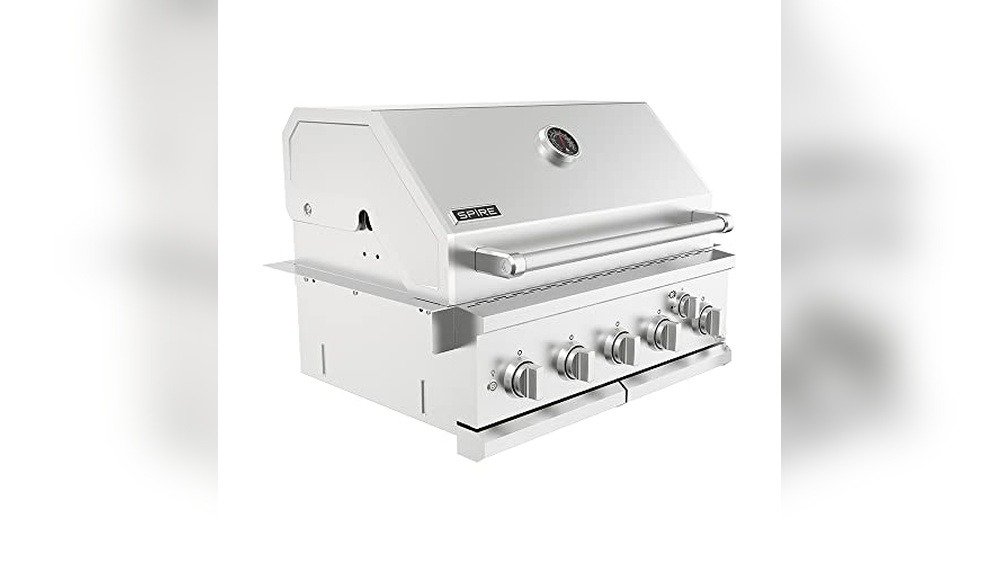
Prepare the gas grill by cleaning the grates and turning it on to medium-high heat. Allow it to preheat for 10-15 minutes to ensure even cooking. This creates the perfect surface for searing the T-bone steak.
Setting up the gas grill is key to a great T-bone steak. Proper setup ensures even cooking and a delicious outcome. Follow these steps for a perfect grilling experience.
Preheating Tips
Preheat the grill for 15 minutes on high. This ensures even heat. Close the lid to trap the heat inside. A hot grill sears the steak perfectly. Check the temperature gauge for accuracy.
Adjusting Grill Zones
Create two heat zones on the grill. One side should be high heat. The other side should be medium or low heat. This allows for searing and slow cooking. Move the steak between zones as needed.
Cleaning The Grill Grates
Clean the grill grates before cooking. Use a stiff brush to remove debris. Heat makes cleaning easier. Clean grates prevent sticking and enhance flavor. Ensure the grill is off before cleaning.

Credit: www.youtube.com
Grilling The T Bone Steak
Grilling a T Bone steak on a gas grill demands attention to detail and timing. This cut has both tenderloin and strip sections, each cooking at slightly different rates. Getting it right means balancing high heat with patience to achieve a juicy, flavorful result.
Searing For Flavor
Searing the steak locks in juices and creates a rich crust that adds texture and depth. Preheat your grill to high, around 450-500°F, before placing the steak on the grates. Sear each side for about 2-3 minutes without moving it to develop those perfect grill marks.
Have you noticed how a well-seared steak smells irresistible? That’s the Maillard reaction working its magic—don’t rush this step, as it builds the foundation for flavor.
Managing Heat For Even Cooking
After searing, move the steak to a cooler part of the grill to finish cooking without burning the outside. This indirect heat lets the thicker parts cook evenly while keeping the exterior crisp. Close the lid to maintain a steady temperature around 350°F.
Try flipping the steak every 3-4 minutes to promote uniform cooking. This technique helps avoid hot spots and prevents overcooking one side, ensuring your T Bone stays juicy and tender.
Using A Meat Thermometer
A meat thermometer is your best friend for grilling steak to the perfect doneness. Insert it into the thickest part of the meat, avoiding bone contact, for an accurate reading. Aim for these internal temperatures:
- Rare:120-125°F
- Medium Rare:130-135°F
- Medium:140-145°F
- Medium Well:150-155°F
Do you trust your instincts or rely on a thermometer? Using one removes guesswork and ensures consistent results every time you grill.
Resting And Serving
Resting and serving your T-bone steak properly makes a big difference. It helps the juices settle, so the meat stays tender and flavorful. Serving it the right way enhances the eating experience and shows off your grilling skills.
Resting Time Importance
After grilling, let the steak rest for 5 to 10 minutes. This pause lets the juices move back inside the meat. Cutting too soon makes the juices spill out. Resting keeps the steak juicy and soft. Cover it loosely with foil to keep warm.
Cutting Techniques
Cut the steak against the grain for the best texture. Look for the lines of muscle fibers and slice perpendicular to them. Use a sharp knife for clean cuts. This makes each bite tender and easy to chew. Slice the meat into strips or chunks depending on preference.
Pairing Suggestions
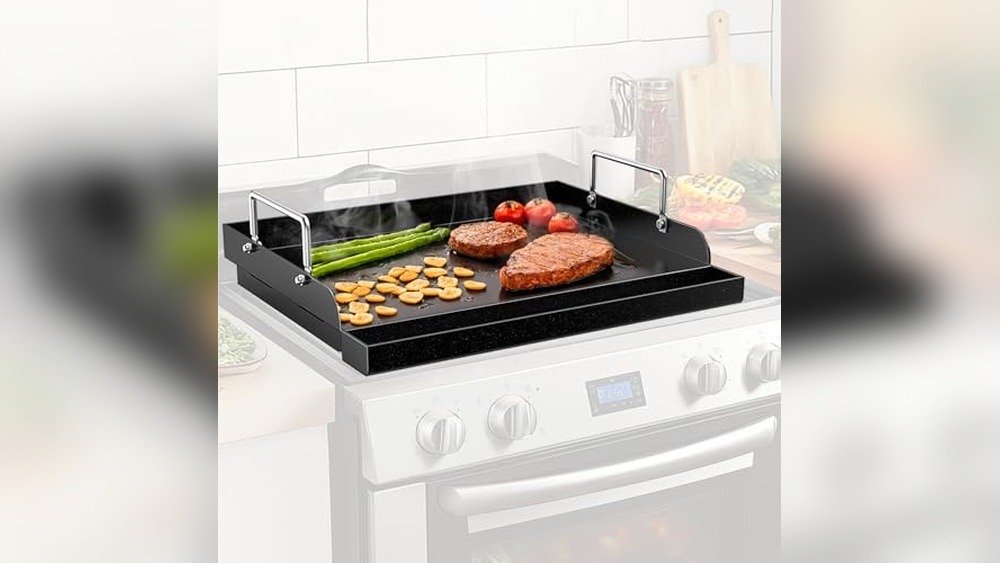
Serve your T-bone steak with simple sides that complement its flavor. Try grilled vegetables like asparagus or bell peppers. A fresh salad with light dressing works well. Classic baked potatoes or garlic mashed potatoes add comfort. For drinks, a bold red wine or cold beer pairs nicely.
Troubleshooting Common Issues
Grilling a T-bone steak on a gas grill can have a few challenges. Common problems like overcooking, flare-ups, and uneven grill marks can affect taste and appearance. Understanding how to handle these issues makes grilling easier and more enjoyable.
Avoiding Overcooking
Keep the grill temperature medium-high to control cooking speed. Use a meat thermometer to check the internal temperature. For medium-rare, aim for 130°F to 135°F. Remove the steak from the grill a few degrees before it reaches the target temperature. Let it rest for 5 to 10 minutes. This allows juices to redistribute and prevents overcooking.
Preventing Flare-ups
Flare-ups happen when fat drips onto the flames. Trim excess fat from the steak before grilling. Keep a spray bottle of water nearby to control small flames. Move the steak to a cooler part of the grill if flames rise. Avoid pressing the steak down; it causes flare-ups and dries out the meat.
Fixing Uneven Grill Marks
Uneven grill marks can result from uneven heat or improper technique. Preheat the grill for 10 to 15 minutes for consistent heat. Place the steak at a 45-degree angle to the grill grates. After 2 to 3 minutes, rotate the steak 90 degrees to create crosshatch marks. Flip and repeat on the other side. Avoid moving the steak too much to keep marks sharp.
Frequently Asked Questions
How Long To Grill T Bone Steak On Gas Grill?
Grill T Bone steak for 4-5 minutes per side on high heat. This ensures a medium-rare finish. Adjust time for desired doneness. Use a meat thermometer for accuracy.
What Temperature Is Best For Gas Grilling T Bone?
Preheat your gas grill to 450-500°F for perfect T Bone steaks. High heat sears the steak well. It locks in juices and flavor.
Should I Marinate T Bone Steak Before Grilling?
Marinating is optional but recommended for extra flavor. Use a simple mix of oil, herbs, and spices. Marinate for 30 minutes to 2 hours before grilling.
How To Know When T Bone Steak Is Done?
Use a meat thermometer to check doneness. 130°F for medium-rare, 140°F for medium. Let steak rest 5 minutes before cutting to keep juices.
Conclusion
Grilling a T-bone steak on a gas grill is simple and fun. Start with good heat and fresh meat. Watch the steak closely to avoid overcooking. Let it rest before cutting to keep juices inside. Use these steps to enjoy a tasty, juicy steak every time.
Practice makes perfect, so don’t be afraid to try again. Great grilled steak is just a few steps away. Enjoy your meal and the cooking process!