Grilling spare ribs on a gas grill can seem tricky, but with the right steps, you can achieve tender, juicy ribs that everyone will love. Imagine biting into ribs that are perfectly smoky, with a caramelized crust and meat that falls off the bone.
You’re just a few simple tips away from turning your gas grill into a rib-cooking powerhouse. Keep reading, and you’ll learn how to master the process, avoid common mistakes, and impress your family and friends with mouthwatering ribs every time.
Credit: www.cbc.ca
Choosing The Right Spare Ribs
Choosing the right spare ribs is the first step toward delicious grilled ribs. The type, freshness, and size of the ribs affect cooking time and flavor. Picking the best ribs saves grilling frustration and improves taste. Understand the options before buying ribs for your gas grill.
Types Of Spare Ribs
Spare ribs come mainly in two types: St. Louis style and full spare ribs. St. Louis style ribs have trimmed edges and more meat. Full spare ribs include the rib tips and cartilage. Baby back ribs are smaller and come from the loin area. Each type has different fat content and tenderness. Choose based on how much meat and texture you prefer.
Fresh Vs. Pre-packaged
Fresh ribs often taste better and have more natural juices. Pre-packaged ribs are convenient but may have added preservatives. Fresh ribs usually have a better color and firm texture. Check the smell and appearance before buying. Avoid ribs with a strong odor or slimy feel. Fresh ribs need refrigeration and should be grilled soon after purchase.
Size And Thickness Tips
Rib size affects cooking time on a gas grill. Thicker ribs take longer to cook and stay juicy. Thin ribs cook faster but can dry out. Choose ribs that fit your grill and cooking style. Aim for ribs about 1 to 1.5 inches thick. Larger racks are good for groups, while smaller racks work for quick meals. Trim excess fat if needed to prevent flare-ups during grilling.

Credit: www.yahoo.com
Preparing Spare Ribs For The Grill
Preparing spare ribs properly makes a big difference on the grill. It ensures the ribs cook evenly and taste great. Taking time to prep the ribs helps flavors soak in and keeps the meat tender. Follow these steps to get your ribs ready for grilling success.
Removing The Membrane
The membrane is a thin, silver skin on the back of ribs. It can block flavors and make ribs tough. Use a knife to loosen one corner of the membrane. Grab it with a paper towel and pull it off slowly. Removing the membrane helps the ribs cook better and taste softer.
Trimming Excess Fat
Spare ribs have fat layers that can cause flare-ups on the grill. Trim large chunks of fat with a sharp knife. Leave a thin layer for flavor and moisture. Removing excess fat prevents burning and helps the ribs cook evenly. Trim carefully without cutting into the meat.
Applying Dry Rubs And Marinades
Dry rubs and marinades add taste and help tenderize ribs. Pat the ribs dry before applying. Use your hands to rub spices evenly over the surface. Let the ribs rest for at least 30 minutes or overnight in the fridge. Marinades soak into the meat for better flavor. Dry rubs form a tasty crust while grilling.
Setting Up Your Gas Grill
Setting up your gas grill correctly ensures tender, flavorful spare ribs. Proper preparation controls the heat and smoke. These elements give ribs their classic grilled taste.
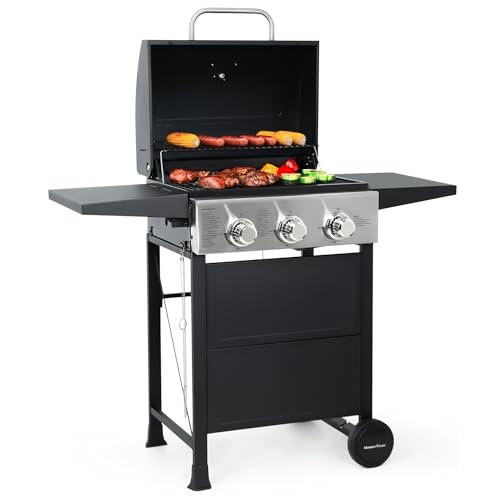
Creating Two-zone Heat
Two-zone heat means having one side of the grill hot and the other cooler. Turn on burners on one side only. Leave the other side off. This setup lets you sear ribs over direct heat first.
Then move ribs to the cooler side to cook slowly. It prevents burning and dries out ribs less. This way, the ribs cook evenly and stay juicy.
Preheating The Grill
Preheat the grill for 10 to 15 minutes before cooking. Close the lid while heating. This step ensures the grill reaches a steady temperature around 225°F to 250°F.
Steady heat helps ribs cook slowly, breaking down the fat and collagen. It creates tender meat that falls off the bone. Avoid opening the lid too often to keep heat steady.
Adding Wood Chips For Smoke
Wood chips add smoky flavor to spare ribs. Soak chips in water for 30 minutes before grilling. This prevents them from burning too fast.
Wrap soaked chips in aluminum foil and poke holes in the foil. Place the foil packet on the hot burner or grill grates. Close the lid to trap the smoke inside.
Use mild woods like apple or hickory for a balanced smoke flavor. Avoid strong woods that can overpower the ribs’ natural taste.
Grilling Spare Ribs Step-by-step
Grilling spare ribs on a gas grill requires patience and care. Following the right steps ensures tender, juicy ribs with smoky flavor. This guide breaks down the process to help you get perfect ribs every time. Focus on placement, temperature, and basting for best results.
Placing Ribs On The Grill
Start by preheating the grill to medium-low heat, about 275°F (135°C). Arrange the ribs on the grill away from direct flames. Use indirect heat by turning off burners directly below the ribs. Place ribs bone-side down to protect the meat from burning. Close the lid to keep the heat even. This setup allows slow cooking and tender ribs.
Maintaining Temperature
Keep the grill temperature steady between 250°F and 300°F. Check the temperature every 20 minutes using a grill thermometer. Adjust burners to avoid sudden heat spikes. Use a water pan inside the grill to maintain moisture. Consistent heat cooks ribs evenly and prevents drying out. Avoid opening the lid too often to keep the temperature stable.
Turning And Basting Tips
Turn the ribs gently every 30 minutes for even cooking. Use tongs instead of a fork to keep the meat intact. Apply your favorite barbecue sauce or glaze during the last 30 minutes. Basting adds flavor and helps form a caramelized crust. Avoid basting too early to prevent burning the sauce. Let the ribs rest for 10 minutes before serving to lock in juices.
Checking For Doneness
Checking for Doneness Ensure ribs are tender by using a fork or toothpick. Insert it into the meat easily. Juices should run clear, and the internal temperature must reach 145°F for safe consumption.
Grilling spare ribs on a gas grill is both an art and a science, and checking for doneness is where these two elements meet. Properly cooked ribs should be juicy and tender, not dry or tough. Knowing when they're ready to come off the grill ensures that your efforts result in mouthwatering perfection. Let's explore how you can tell when your ribs are just right.
Visual Signs
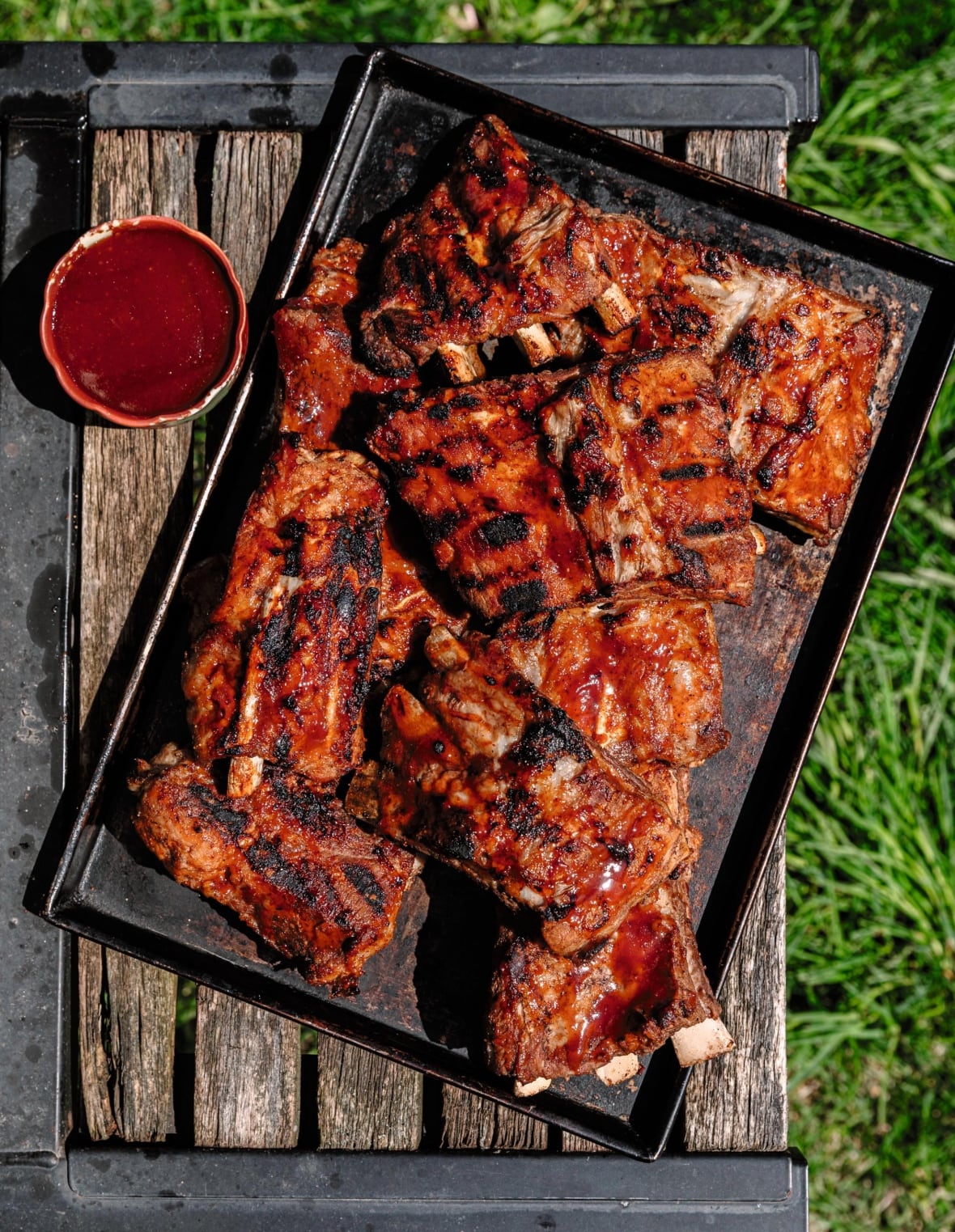
Look for a beautiful caramelized crust on the ribs. The meat should start pulling away from the bone, usually by about a quarter of an inch. If the juices run clear when you slice into the ribs, you're on the right track.
Using A Meat Thermometer
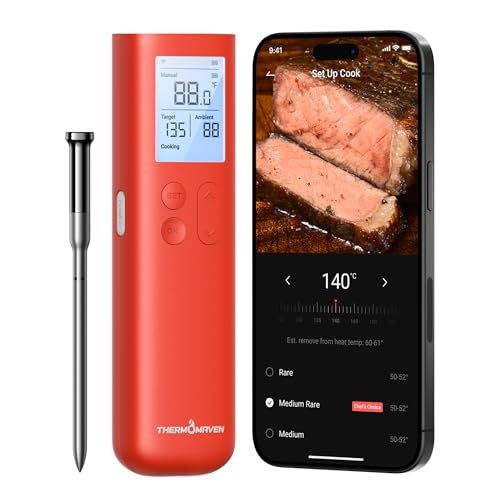
A meat thermometer is a grill master's best friend. Insert it into the thickest part of the ribs, away from the bone. You're aiming for an internal temperature of around 190°F to 203°F for that perfect tenderness.
Tenderness Tests
The bend test is a classic go-to. Pick up the ribs with tongs from one end and watch for a gentle crack in the crust, indicating tenderness. Another method is the toothpick test—poke a toothpick between the bones, and if it goes in with little resistance, your ribs are ready. Have you ever wondered how the pros achieve that perfect melt-in-your-mouth texture? It's all about these checks. Practice them, and soon you'll grill ribs like a seasoned pitmaster.

Credit: www.youtube.com
Resting And Serving Ribs
Resting and serving spare ribs are key steps after grilling. These steps help keep the meat juicy and tender. Proper resting lets the juices settle inside the ribs. Serving the ribs well makes your meal more enjoyable. Follow these tips for the best results.
Why Resting Matters
Resting ribs after grilling keeps the juices inside the meat. Cutting ribs too soon makes the juices run out. Resting for 10 to 15 minutes is ideal. Cover ribs loosely with foil to keep warm. This step makes ribs moist and flavorful.
Cutting Between The Bones
Cut ribs between the bones for easy serving. Use a sharp knife to make clean cuts. Follow the natural lines between each bone. Cutting this way keeps the meat intact and neat. It also makes ribs easier to eat by hand.
Serving Suggestions
Serve ribs with simple sides for a balanced meal. Popular choices include coleslaw, baked beans, and corn on the cob. Add a fresh salad or grilled vegetables for color. Offer barbecue sauce on the side for extra flavor. Use a platter to arrange ribs nicely for guests.
Troubleshooting Common Issues
Grilling spare ribs on a gas grill can be rewarding, but sometimes things don’t go as planned. You might face issues like dry ribs, uneven cooking, or flare-ups that disrupt your perfect grilling session. Understanding how to fix these problems will help you get juicy, tender ribs every time.
Dry Or Tough Ribs
Dry ribs usually mean they were cooked at too high a temperature or for too long. Try lowering your grill’s heat and use indirect cooking to keep the ribs moist.
Adding a water pan inside the grill can create steam, which helps keep ribs tender. Also, applying a marinade or a wet rub before grilling can lock in moisture.
Have you checked if your ribs have a membrane on the back? Removing that thin layer before cooking makes a big difference in tenderness.
Uneven Cooking
Uneven cooking happens when heat isn’t distributed properly or ribs are placed too close to direct flames. Position your ribs away from burners that are on high and use indirect heat zones.
Rotating the ribs halfway through cooking helps them brown evenly. Watch out for hot spots on your grill by testing it with your hand—if one area feels hotter, avoid placing ribs there.
Does your grill have a lid thermometer? Use it to monitor internal temperature rather than relying on guesswork. This can prevent undercooked or burnt sections.
Flare-ups On The Grill
Flare-ups happen when fat drips onto the flames, causing sudden bursts of fire that char your ribs. Trim excess fat from the ribs before grilling to reduce flare-ups.
Keep a spray bottle filled with water nearby to quickly control unexpected flames without cooling the grill too much. You can also use a drip pan to catch fat and prevent it from hitting the burners.
Have you tried moving the ribs to a cooler part of the grill when flare-ups occur? This simple move saves your ribs from burning and keeps cooking steady.
Frequently Asked Questions
How Long To Grill Spare Ribs On A Gas Grill?
Grill spare ribs for about 1. 5 to 2 hours on low heat. Use indirect heat at 225-250°F to cook evenly and tenderize the meat.
Should I Marinate Spare Ribs Before Grilling?
Marinating spare ribs enhances flavor and tenderness. Use a marinade with acid, oil, and spices. Marinate for at least 2 hours or overnight.
What Temperature Is Best For Grilling Spare Ribs?
Maintain a gas grill temperature between 225°F and 250°F for perfect spare ribs. This low and slow method ensures juicy, tender meat.
How To Prevent Spare Ribs From Drying Out?
Cook ribs low and slow using indirect heat. Wrap ribs in foil after an hour to retain moisture and baste occasionally.
Conclusion
Grilling spare ribs on a gas grill takes some practice and patience. Start with clean, well-prepped ribs and control the heat carefully. Keep the grill covered to cook ribs evenly and stay close to check for flare-ups. Use a good rub or sauce to add flavor.
Remember, slow cooking helps ribs get tender and juicy. Enjoy the process and share your tasty ribs with friends or family. Simple steps lead to great results every time.