Grilling sausage on your gas grill can be simple and delicious when you know the right steps. If you want juicy, perfectly cooked sausage every time, this guide is for you.
You’ll learn how to avoid common mistakes that dry out or burn your meat. Imagine biting into a sausage that’s crispy on the outside and tender inside—sounds great, right? Keep reading, and you’ll master the easy techniques to make your next barbecue a hit with family and friends.
Credit: www.premiofoods.com
Choosing The Right Sausage
Choosing the right sausage is key to a great grilling experience. The flavor, texture, and cooking time depend on the sausage type you pick. Selecting sausages that suit your grill and taste preferences ensures delicious results every time.
Types Of Sausages For Grilling
Sausages come in many varieties, each with unique flavors and textures. Popular types for grilling include:
- Bratwurst – mild, pork-based, and juicy
- Italian sausage – spicy or sweet, often with fennel
- Chorizo – bold, smoky, and flavorful
- Andouille – spicy, smoked, and firm
- Chicken or turkey sausages – leaner and lighter
Choose sausages that match your meal style and spice preference.
Fresh Vs Pre-cooked Sausages
Fresh sausages require full cooking on the grill. They offer rich flavor but need careful heat control to avoid burning.
Pre-cooked sausages only need reheating. They cook faster and are less likely to dry out.
Use fresh sausages for bold taste and pre-cooked for quick meals.
Quality And Flavor Tips
Select sausages made with natural casings for better texture. Avoid those with too many fillers or preservatives.
Look for sausages with fresh herbs and spices. They add depth and enhance grilling flavor.
Check the color and smell to ensure freshness. Bright color and a clean scent mean quality.

Credit: parade.com
Preparing Your Gas Grill
Getting your gas grill ready is a crucial part of grilling sausages perfectly. Skipping this step can lead to uneven cooking or sticking sausages that lose their juicy flavor. Taking a little time to prepare your grill sets the stage for a delicious and hassle-free grilling experience.
Cleaning And Preheating
Start by cleaning your grill grates thoroughly. Use a wire brush to scrape off any leftover food or grease from previous grilling sessions. This prevents old residues from affecting the taste of your sausages.
Next, preheat your gas grill with the lid closed for about 10-15 minutes. This ensures the grates reach the right temperature for cooking. Preheating also helps kill any remaining bacteria and makes the grates easier to oil.
Setting The Temperature Zones
Creating temperature zones on your grill allows you to cook sausages evenly without burning them. Turn one side of the grill to medium-high heat and keep the other side at low or off. This setup lets you start sausages on the hot side for browning, then move them to the cooler side to finish cooking gently.
Have you noticed how sausages sometimes burst on the grill? Using indirect heat zones helps avoid that by cooking them slowly after the initial sear. Managing heat zones gives you better control over the grilling process.
Oil And Seasoning The Grill Grates
Before placing sausages on the grill, oil the grates to prevent sticking. Use a paper towel dipped in cooking oil and, with tongs, rub it over the hot grates carefully. This simple step makes flipping sausages easier and keeps their skin intact.
Seasoning your grates regularly can improve their non-stick properties over time. A well-oiled grill grate will become your best friend for grilling not just sausages but all your favorite foods.
Grilling Techniques For Juicy Sausages
Grilling sausages perfectly needs the right techniques. These keep sausages juicy and full of flavor. Understanding heat control, timing, and temperature checks improves your grilling results. These tips help avoid dry or burnt sausages.
Direct Vs Indirect Heat
Direct heat cooks sausages fast with high flames. It creates a crispy outside but can burn sausages quickly. Indirect heat uses lower temperature away from flames. It cooks sausages slowly and evenly. Combining both methods works best. Start with indirect heat to cook inside. Finish on direct heat for a nice brown crust.
Turning And Timing Tips
Turn sausages often but gently. Use tongs, not a fork, to keep juices inside. Cook sausages for about 15 to 20 minutes total. Turn every 3 to 4 minutes for even cooking. Avoid constant flipping. Let each side brown well before turning. Keep an eye on sausages to prevent overcooking.
Using A Meat Thermometer
A meat thermometer ensures sausages are safe to eat. Insert it into the thickest part of the sausage. The ideal internal temperature is 160°F (71°C) for pork and beef sausages. For poultry sausages, 165°F (74°C) is best. Remove sausages from the grill once the right temperature is reached. This keeps them juicy and fully cooked.

Credit: urbanblisslife.com
Avoiding Common Grilling Mistakes
Grilling sausages on a gas grill can be quick and delicious, but it’s easy to make mistakes that affect the taste and texture. Avoiding common grilling errors will help you achieve perfectly cooked sausages that are juicy and flavorful every time. Let’s look at some practical tips to keep your sausages intact, control flare-ups, and maintain their juiciness.
Preventing Sausages From Splitting
Sausages often split because of high heat or uneven cooking. To avoid this, start grilling on medium heat rather than high. This allows the sausage casing to slowly firm up without bursting.
Prick the sausages lightly with a fork before grilling to release excess steam, but don’t overdo it—too many holes dry out the sausage. Also, turning them gently and frequently helps cook them evenly without putting stress on the casing.
Managing Flare-ups
Flare-ups happen when fat drips onto the flames, causing sudden bursts of fire that can burn your sausages. Keep a spray bottle of water nearby to quickly control small flames without dousing the grill completely.
Try indirect grilling by moving sausages to cooler parts of the grill when flare-ups occur. This method lets you cook the sausages through without constant exposure to intense flames.
Maintaining Juiciness
Overcooked sausages lose moisture and become dry and tough. Use a meat thermometer to check for an internal temperature of 160°F (71°C) for pork sausages and 165°F (74°C) for poultry sausages.
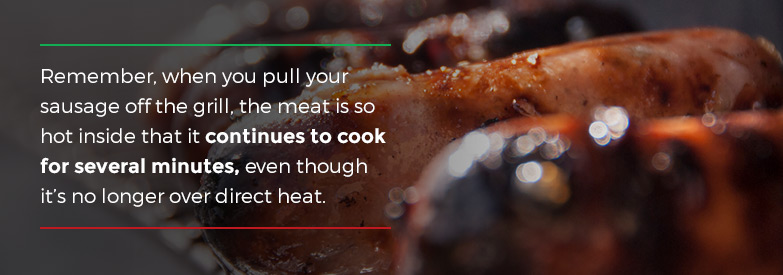
Rest the sausages for a few minutes after grilling to let the juices redistribute. This simple step can make a noticeable difference in flavor and texture.
Enhancing Flavor During Grilling
Grilling sausage on a gas grill can bring out bold and rich flavors. Enhancing these flavors during cooking makes the meal more enjoyable. Simple techniques help boost taste without much effort. These tips make your sausage juicy, smoky, and full of character.
Marinades And Rubs
Marinades add moisture and flavor to sausages before grilling. Use simple ingredients like olive oil, garlic, and herbs. Let sausages soak for 30 minutes to one hour. Dry rubs work well too. Mix spices such as paprika, black pepper, and cumin. Rub the mix on sausages to create a tasty crust. Both methods deepen the sausage’s natural flavor.
Adding Smoke With Wood Chips
Wood chips bring a subtle smoky taste to gas-grilled sausages. Soak chips in water for about 30 minutes. Wrap them in foil and poke holes on top. Place the foil pouch on the grill’s heat source. The smoke will infuse the sausage gently. Use mild woods like apple or cherry for a sweet smoke. This method adds a grilled flavor without needing a charcoal grill.
Pairing With Toppings And Sides
Toppings and sides enhance sausage flavor and texture. Fresh onions, peppers, and sauerkraut add crunch and zest. Cheeses like cheddar or mozzarella offer creamy richness. Serve with mustard, ketchup, or spicy sauces for extra taste. Classic sides include grilled vegetables, potato salad, or coleslaw. These combinations balance the smoky, savory sausage perfectly.
Serving And Storing Grilled Sausages
Serve grilled sausages hot for the best taste and texture. Store leftovers in an airtight container in the fridge for up to three days. Reheat gently to keep sausages juicy and flavorful.
Grilling sausages on a gas grill is an art, and the serving and storing of these juicy delights are just as crucial as cooking them to perfection. Whether you're hosting a backyard barbecue or enjoying a quiet family meal, knowing how to serve and store grilled sausages will ensure you get the most out of every bite. Let's dive into some practical tips and ideas for making the most of your grilled sausages.
Resting Before Serving
Once you've cooked your sausages to a golden-brown perfection, it's important to let them rest for a few minutes. This resting period allows the juices to redistribute throughout the sausage, ensuring every bite is as juicy as the last. Resting also helps to enhance the flavor, making your sausages even more delicious.
Best Serving Suggestions
When it comes to serving grilled sausages, think beyond the bun. Pair them with grilled vegetables or serve them over a bed of fluffy mashed potatoes. For a burst of flavor, offer a variety of condiments like spicy mustard, tangy sauerkraut, or a fresh tomato relish. If you're serving a crowd, consider creating a sausage platter. Arrange different types of sausages with assorted cheeses, pickles, and artisan breads. This not only looks impressive but also allows guests to mix and match flavors.
Storing Leftovers Safely
Have leftovers? Storing them properly ensures you can enjoy them later. Allow sausages to cool completely before placing them in an airtight container. Store them in the fridge for up to three days or freeze for longer storage. When reheating, make sure to heat them thoroughly. You can use a microwave, stovetop, or even pop them back on the grill. Just remember, proper storage and reheating are key to maintaining the taste and safety of your grilled sausages. What are your favorite ways to serve or store grilled sausages? Share your tips and experiences in the comments!
Frequently Asked Questions
How Long To Grill Sausage On A Gas Grill?
Grill sausages over medium heat for 12-15 minutes. Turn them every 3-4 minutes to cook evenly and avoid burning. Internal temperature should reach 160°F for pork or beef sausages, and 165°F for poultry.
Should Sausages Be Pricked Before Grilling?
It’s best not to prick sausages before grilling. Pricking releases juices, causing dryness and flare-ups. Instead, grill them whole and turn often for even cooking and juicy results.
What Gas Grill Temperature Is Best For Sausages?
Set your gas grill to medium heat, around 350°F. This temperature cooks sausages evenly without burning the outside. Low and slow heat ensures juicy, well-cooked sausages every time.
How To Prevent Sausages From Sticking To The Grill?
Preheat the grill and oil the grates before cooking. Use tongs to turn sausages gently. Properly oiled grates and careful handling prevent sticking and keep sausages intact.
Conclusion
Grilling sausage on a gas grill is simple and fun. Start with clean grates and medium heat. Turn sausages often to cook them evenly. Watch for nice grill marks and juicy meat inside. Use a thermometer to check for safe temperature.
Let sausages rest a few minutes before serving. Enjoy your tasty grilled sausages with friends or family. With practice, grilling becomes easier and more enjoyable. Try different sausage types for new flavors. Keep these tips in mind for perfect results every time.