Grilling salmon in foil on a gas grill is one of the easiest ways to enjoy a juicy, flavorful meal without the mess. If you want tender, perfectly cooked fish that stays moist and full of taste, this method is for you.
Imagine biting into salmon that flakes easily and is infused with your favorite herbs and spices—all done quickly and with minimal cleanup. Keep reading, and you’ll learn simple steps to master this grilling technique, impress your family or guests, and turn your next cookout into a delicious success.
Choosing The Right Salmon
Choosing the right salmon is a crucial first step before you even light up your gas grill. The flavor, texture, and overall grilling success depend heavily on the type and quality of salmon you pick. Let’s break down how to make the best choice so your foil-grilled salmon turns out perfectly every time.
Fresh Vs Frozen
Fresh salmon often gets the spotlight, but frozen can be just as good if handled correctly. Fresh salmon should smell like the ocean—clean and not overly fishy. If you can’t find fresh, frozen salmon is a solid backup; just thaw it slowly in the fridge to keep the texture intact.
One time, I grabbed frozen salmon in a pinch and was surprised by how well it grilled when properly thawed and patted dry. Don’t overlook frozen options—they often come from the same sources as fresh but are flash-frozen to lock in flavor.
Types Of Salmon
Not all salmon are created equal. The most common types you’ll find include:
- King (Chinook): Rich and buttery, the highest fat content.
- Sockeye: Deep red flesh with a strong flavor, leaner than King.
- Coho: Milder taste, medium fat, great for beginners.
- Atlantic: Often farmed, mild flavor, affordable.
Think about what flavor profile fits your taste. Do you want a buttery melt-in-your-mouth experience or something lighter and firmer? This choice shapes your entire grilling experience.
Selecting The Perfect Cut
Salmon comes in fillets, steaks, and whole fish—each behaves differently on the grill. Fillets are easy to manage and great for foil grilling since they cook evenly and stay moist. Steaks have bones and are thicker, which can add flavor but require careful attention to avoid overcooking.
If you prefer less fuss, go for skin-on fillets. The skin acts as a natural barrier against the grill’s heat and keeps the fish juicy. I’ve found that skin-on fillets wrapped in foil deliver a crisp skin edge and tender meat—something worth trying on your next grill night.

Credit: myincrediblerecipes.com
Preparing Your Gas Grill
Preparing your gas grill is essential for cooking perfect salmon in foil. Clean grates ensure no old food sticks to your fish. Proper preheating helps the salmon cook evenly. Setting the right temperature avoids burning or undercooking. Follow these steps to get your grill ready.
Cleaning The Grill Grates
Start by removing any leftover food or grease. Use a grill brush with stiff bristles to scrub the grates. Heat the grill slightly to make cleaning easier. Wipe down the grates with a damp cloth after brushing. Clean grates prevent sticking and improve flavor.
Preheating Tips
Turn on all burners and close the lid. Let the grill heat for 10 to 15 minutes. This step ensures even heat across the cooking surface. Preheating also kills bacteria and burns off residue. Avoid opening the lid often to keep the heat steady.
Setting The Temperature
Set your gas grill to medium heat, about 350°F (175°C). Medium heat cooks salmon gently and avoids drying it out. Adjust burners to maintain a steady temperature. Use a grill thermometer for accuracy. Proper temperature control delivers juicy, tender salmon every time.
Preparing The Salmon For Grilling
Preparing salmon for grilling is key to a tasty meal. It sets the base for flavor and texture. Start with fresh salmon, cleaned and patted dry. This helps the seasoning stick and prevents sticking on the grill.
Next, think about the flavors. The right seasoning, herbs, and oils bring out the best in salmon. These simple steps make your grilled salmon juicy and full of taste.
Seasoning Ideas
- Salt and black pepper enhance natural flavors.
- Garlic powder adds a mild, savory touch.
- Smoked paprika gives a subtle smoky flavor.
- Cayenne pepper adds a gentle heat.
- Brown sugar balances salt with sweetness.
Adding Herbs And Citrus
- Fresh dill pairs well with salmon's richness.
- Thyme adds an earthy, aromatic note.
- Parsley gives a fresh, green flavor.
- Lemon slices or zest brighten the taste.
- Orange or lime adds a sweet citrus twist.
Using Oil And Marinades
Oil keeps salmon moist and stops it from sticking to foil. Olive oil or avocado oil works great. Brush a thin layer over the fish before adding seasonings.
Simple marinades add flavor and tenderness. Combine ingredients like soy sauce, honey, garlic, and lemon juice. Marinate the salmon for 15 to 30 minutes. Avoid too much time to keep the fish firm.
Wrapping Salmon In Foil
Wrapping salmon in foil locks in moisture and flavor during grilling. It protects the fish from direct heat and helps it cook evenly. Foil also makes cleanup easier and keeps the grill clean. Proper wrapping ensures your salmon stays tender and juicy.
Choosing The Right Foil
Select heavy-duty aluminum foil for grilling salmon. Thin foil can tear and leak juices. The heavy type holds up better against heat and weight. Use foil that is wide enough to cover the fish with some extra space. This allows you to create a tight seal.
Creating A Foil Packet
Place the salmon in the center of the foil sheet. Add seasonings, herbs, or lemon slices on top. Fold the foil edges over the fish carefully. Bring the edges together to form a packet. Make sure the packet has enough room for heat circulation.
Sealing For Juiciness
Seal the foil packet tightly to keep juices inside. Fold edges over twice to close any gaps. Press the foil firmly but avoid crushing the salmon. A secure seal traps steam, which helps cook the fish gently. This keeps the salmon moist and full of flavor.
Grilling Techniques
Grill salmon in foil for a juicy, flavorful meal on a gas grill. Wrap salmon with herbs and lemon slices in foil. Cook it over medium heat for 10-15 minutes for a tender result.
Grilling salmon in foil on a gas grill is a delicious and healthy way to enjoy this flavorful fish. Understanding the right techniques can make all the difference between a perfectly cooked meal and a disappointing one. Let's dive into some key grilling techniques to ensure your salmon is cooked to perfection.
Placement On The Grill
Place the foil-wrapped salmon on the grill's medium heat zone. This ensures it cooks evenly without burning. If you're grilling multiple foil packets, arrange them with a little space in between for even airflow.
Cooking Time Guidelines
Typically, salmon should be grilled for about 10-15 minutes. The cooking time can vary depending on the thickness of the fillet. A good rule of thumb is to cook the salmon for 10 minutes per inch of thickness.
Checking For Doneness
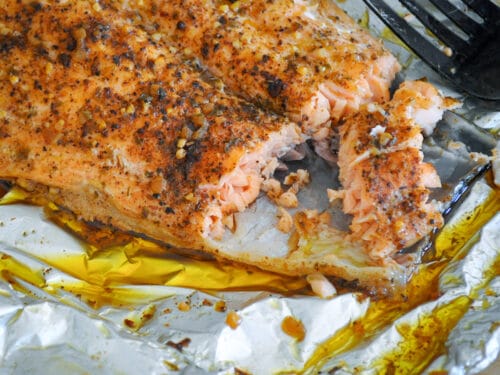
Use a fork to gently flake the salmon at its thickest part. If it flakes easily and is opaque, it’s done. Another way to check is using a meat thermometer; the internal temperature should reach 145°F. Salmon's delicate texture can be tricky, but mastering these grilling techniques can make you a pro. Have you tried grilling salmon on a gas grill before? What tips would you add to this list?

Credit: myincrediblerecipes.com
Serving Suggestions
Serving your grilled salmon right can make all the difference between a good meal and a memorable one. After you’ve cooked your salmon in foil on the gas grill, think about how you want to enhance its natural flavors and textures. The right sides, sauces, and presentation can elevate your dish and impress your guests.
Complementary Sides
Choose sides that balance the rich, flaky texture of the salmon. Light and fresh options like a crisp cucumber salad or steamed asparagus work well. You can also serve roasted baby potatoes or a quinoa salad for a heartier meal.
Consider adding a citrus element, such as a lemon wedge or an orange-fennel salad, to brighten each bite. Have you tried pairing salmon with grilled corn on the cob? It adds a sweet crunch that contrasts nicely with the fish.
Sauces And Toppings
A good sauce can transform your salmon from simple to spectacular. Try a dill and yogurt sauce for a cool, creamy touch that complements the smoky flavor from the grill. Alternatively, a honey mustard glaze adds a sweet and tangy kick.
Fresh toppings can also add texture and color. Think chopped herbs like parsley or cilantro, thinly sliced red onions, or even toasted pine nuts for a subtle crunch. Do you prefer something spicy? A dollop of sriracha mayo can add just the right amount of heat.
Presentation Tips
How you present your salmon can make your meal feel special. Serve the fish directly on the foil for a rustic look, or gently transfer it to a large platter for a cleaner presentation. Adding garnishes like lemon slices or sprigs of fresh herbs enhances the visual appeal.
Use colorful plates or wooden boards to contrast with the pink salmon. Layering your sides around the fish creates an inviting, vibrant display. Imagine your guests’ delight when the meal looks as good as it tastes!
Troubleshooting Common Issues
Grilling salmon in foil on a gas grill is a fantastic way to enjoy a flavorful and moist meal. However, you might run into a few common problems that can affect your results. Knowing how to troubleshoot these issues will help you get the perfect salmon every time.
Avoiding Overcooking
Salmon cooks quickly, especially when wrapped in foil, which traps heat. Overcooked salmon turns dry and loses its delicate texture. Keep an eye on the cooking time and use a meat thermometer to check for an internal temperature of 125°F to 130°F for medium-rare.
If you don’t have a thermometer, test by gently pressing the fish—it should flake easily but still feel moist. Don’t open the foil too often, as heat escapes and can lead to uneven cooking.
Preventing Sticking
Sticking can be frustrating, even with foil. To prevent this, lightly oil the foil before placing the salmon on it. You can also brush the salmon with olive oil or melted butter for extra protection.
Choosing non-stick or heavy-duty foil can make a difference too. If you notice the salmon sticking, try letting it rest a few minutes before peeling back the foil. This allows the juices to redistribute and makes it easier to lift the fish off.
Handling Flare-ups
Flare-ups happen when fat or oil drips onto the grill flames, causing sudden bursts of fire. Even wrapped in foil, salmon can cause flare-ups if the foil is punctured or not sealed well. Always seal the foil tightly and avoid adding too much oil inside the packet.
If flare-ups occur, move the foil packet to a cooler part of the grill or reduce the heat. Keep a spray bottle with water nearby to control small flames quickly. Have you noticed how controlling flare-ups not only saves your meal but keeps your grill cleaner too?
Credit: cookthisagainmom.com
Frequently Asked Questions
How Long To Grill Salmon In Foil On Gas Grill?
Grill salmon in foil for 12-15 minutes on medium heat. Check for opaque flesh and easy flaking with a fork. Avoid overcooking to keep it moist and tender.
Should I Add Seasoning Before Grilling Salmon In Foil?
Yes, season the salmon before grilling. Use salt, pepper, lemon, and herbs for better flavor. Seasoning enhances the fish’s natural taste and keeps it moist.
Can I Grill Frozen Salmon In Foil On Gas Grill?
It’s best to thaw salmon before grilling in foil. Thawing ensures even cooking and prevents the foil from steaming the fish unevenly.
What Temperature Is Ideal For Grilling Salmon In Foil?
Set your gas grill to medium heat, around 350-375°F. This temperature cooks salmon evenly without drying it out or burning the foil.
Conclusion
Grilling salmon in foil on a gas grill is simple and quick. The foil keeps the fish moist and full of flavor. You can add herbs and lemon to make it tastier. This method needs little cleanup afterward. Try it for a healthy and delicious meal.
Enjoy fresh, juicy salmon any time you want. Give it a go and see how easy grilling can be!