Grilling salmon on a charcoal grill is a game-changer for your outdoor cooking. Imagine biting into perfectly smoky, tender fish with crispy edges that melt in your mouth.
You might think it’s tricky, but with the right steps, you can master this skill quickly. This guide will show you how to grill salmon on a charcoal grill like a pro, so your next BBQ becomes unforgettable. Ready to impress your friends and family with juicy, flavorful salmon?
Let’s get started!
Choosing The Right Salmon
Choosing the right salmon is the first step to grilling a delicious, flaky, and flavorful meal. The quality of your salmon directly affects how well it grills over charcoal. Picking the right type, freshness, and cut can make the difference between a smoky delight and a disappointing dish.
Wild Vs Farmed Salmon
Wild salmon usually has a richer flavor and firmer texture because it feeds on a natural diet and swims freely. Farmed salmon tends to be fattier and milder in taste, which can make it more forgiving on the grill. However, farmed options are often more affordable and widely available.
Think about what matters more to you: intense flavor and texture or budget and availability? Both types grill well, but wild salmon might give you that extra smoky punch you want.
Freshness Indicators
Look for salmon with bright, shiny skin and flesh that springs back when pressed. Avoid fish that smells overly fishy or has dull, discolored patches. Clear, plump eyes and moist texture are also signs of fresh salmon.
Freshness isn't just about taste; it impacts how the salmon holds together on the grill. Have you ever had fish fall apart before you even flipped it? Fresh fish helps prevent that.
Selecting The Best Cut
Fillets are popular and easy to handle but can dry out if overcooked. Salmon steaks, cut crosswise through the bone, hold up better on the grill and often come with skin on, which protects the flesh. Whole side cuts give you more control over thickness and cooking time.
Consider the size and thickness of your cut for even grilling. Thicker cuts take longer but stay moist inside. What’s your grilling style—quick and easy or slow and controlled?
Credit: themom100.com
Preparing Your Charcoal Grill
Preparing your charcoal grill is the foundation of grilling perfect salmon. It’s not just about lighting the coals; it’s about controlling the heat and making sure your cooking surface is ready. Taking a little time here saves you from frustration later and helps achieve that ideal smoky flavor with just the right texture.
Setting Up Charcoal For Heat Control
Start with quality charcoal that lights easily and burns evenly. Arrange the charcoal in a pile and use a chimney starter to get them glowing without chemical starters. This gives you clean, steady heat which is essential for cooking salmon gently.
Think about how you want to manage the heat. Do you want a steady medium heat or a hotter zone for searing? Setting up your charcoal in different zones lets you move the salmon around, avoiding overcooking or undercooking.
Cleaning And Oiling The Grate
Before placing your salmon on the grill, clean the grate thoroughly with a wire brush. Old food particles can cause sticking and uneven cooking. A clean grate also reduces flare-ups from fat drippings.
After cleaning, oil the grate using a paper towel dipped in vegetable oil and tongs to rub it on. This simple step creates a non-stick surface. Have you ever tried flipping salmon only to have it tear apart? Oiling prevents that disaster.
Arranging Coals For Direct And Indirect Heat
Arrange your coals to create two zones: one for direct heat and one for indirect heat. Pile coals on one side of the grill for searing, and leave the other side with no coals for gentle cooking. This setup helps you start the salmon over direct heat to get grill marks, then move it to indirect heat to finish cooking without burning.
Does your grill have adjustable vents? Use them to control airflow, which changes the temperature. More airflow means hotter coals, less airflow cools things down. Mastering this balance is key to grilling salmon perfectly every time.
Prepping The Salmon For Grilling
Getting your salmon ready before it hits the charcoal grill makes all the difference in flavor and texture. Proper preparation ensures even cooking and helps the fish hold together on the grates. Let’s dive into the key steps that will set you up for grilling success.
Removing Pin Bones
Pin bones can be a real nuisance when eating grilled salmon. Run your fingers gently over the flesh to feel for these tiny bones. Use a pair of clean tweezers or needle-nose pliers to pull them out carefully—grip each bone firmly and pull it out in the direction it’s going to avoid tearing the fish.
Skipping this step can turn a delicious meal into an uncomfortable experience. Taking a few minutes here saves you and your guests from unpleasant surprises.
Seasoning And Marinades
Salmon has a rich flavor that pairs well with simple seasonings. Salt and pepper are the basics, but adding herbs like dill, thyme, or a squeeze of lemon can elevate the taste. If you like, marinate your salmon for 15-30 minutes to infuse additional flavor; just avoid acidic marinades for too long, as they can start cooking the fish.
Think about the flavor profiles you enjoy—do you prefer smoky, citrusy, or herbaceous? Tailor your seasoning or marinade accordingly to match your mood and the occasion.
Using Foil Or Grill Basket
Salmon’s delicate texture can stick or break apart on the grill. Wrapping the fish in foil or using a grill basket helps keep it intact and makes flipping easier. Foil packets also lock in moisture and allow you to add aromatics like garlic or lemon slices directly with the fish.
However, if you want those classic grill marks, oil the grates well and handle the salmon gently. Choosing the right tool depends on your comfort level and the texture you want to achieve.
Grilling Techniques For Juicy Salmon
Grilling salmon on a charcoal grill can create a delicious meal with a smoky flavor. The key is to keep the fish moist and tender. Use simple techniques to control heat and handle the fish carefully. These tips will help you get juicy, flavorful salmon every time.
Managing Grill Temperature
Start by lighting the charcoal and letting it burn until covered with white ash. This means the heat is ready. Create two heat zones: one side with hot coals and one side without. Place the salmon on the cooler side first to cook gently. Avoid high flames to prevent burning.
Grilling Skin-side Down
Place the salmon with the skin side down on the grill. This helps hold the fish together and keeps it moist. The skin also creates a barrier from the direct heat. Let it cook mostly on this side without moving it. This will make the skin crispy and the fish juicy inside.
Timing And Flipping Tips
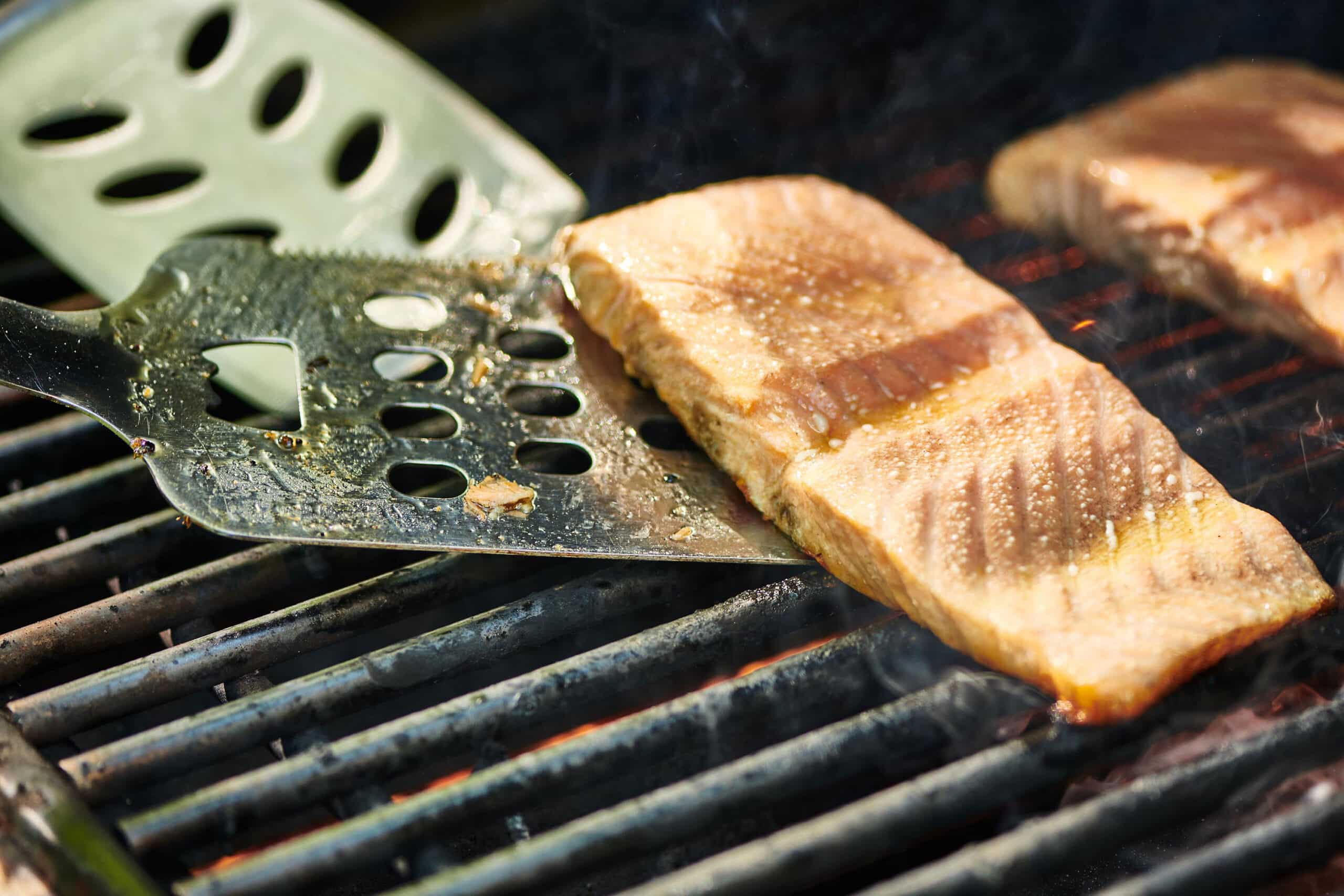
Cook the salmon skin-side down for about 70% of the total time. Flip the fish only once, gently, to avoid breaking it. Use a wide spatula for support. The flesh side needs less time, around 2-3 minutes. Check for doneness by seeing if the fish flakes easily with a fork.
Enhancing Flavor With Smoke
Enhancing the flavor of grilled salmon with smoke adds a delicious depth. Smoky aromas turn simple salmon into a gourmet dish. This method infuses the fish with rich, layered flavors. The right wood chips and techniques make all the difference.
Choosing Wood Chips
Select the right wood chips for the best smoky flavor. Popular choices include alder, cherry, and apple. These woods pair well with salmon's natural taste. Alder gives a mild, sweet smoke. Cherry and apple add a fruity touch. Avoid strong woods like mesquite. They can overpower the salmon's delicate flavor.
Soaking And Adding Wood Chips
Soak wood chips in water for about 30 minutes before use. This prevents them from burning too quickly. Once soaked, drain the chips well. Add them to the charcoal just before grilling. This creates a steady stream of smoke. Spread chips evenly for consistent flavor throughout the grill.
Creating Smoky Aromas
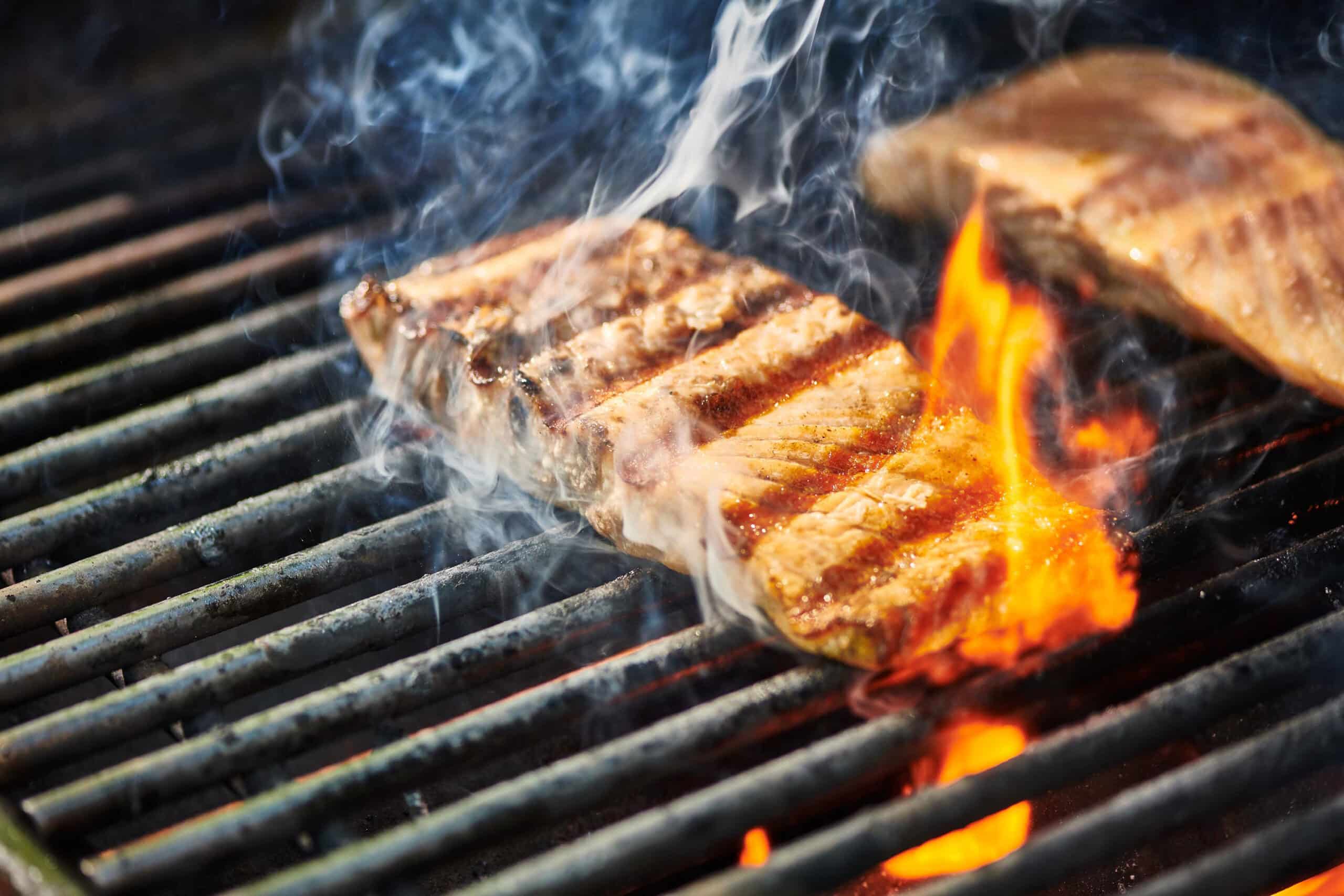
Close the grill lid to trap the smoke inside. This allows the salmon to absorb the smoky flavors. Keep the vents slightly open to control airflow. Check the salmon occasionally to ensure even cooking. The smoke will envelop the fish, enhancing its taste. Use a thermometer to check for doneness. Salmon is ready at 145°F.
Credit: themom100.com
Serving And Pairing Suggestions
Serving grilled salmon straight off the charcoal grill is tempting, but a few thoughtful touches can elevate your meal. How you rest, pair, and garnish your salmon affects not only its flavor but also the overall dining experience. Let’s dive into practical tips to help you serve salmon that impresses every time.
Resting The Salmon
Let your salmon rest for about 5 minutes after grilling. This allows the juices to redistribute, making each bite moist and flavorful. Cutting into the fish too soon can cause those precious juices to escape, leaving your salmon dry.
Place the salmon on a warm plate and loosely cover it with foil to keep it cozy. This small step makes a noticeable difference in texture and taste. Have you ever noticed how rested meat feels juicier? Salmon is no different.
Recommended Side Dishes
Pair your grilled salmon with sides that balance its rich flavor. Fresh, crisp vegetables like asparagus or green beans work beautifully to add texture and color.
- Grilled corn on the cob – the smoky char complements the salmon perfectly.
- Quinoa salad with lemon and herbs – light and refreshing.
- Roasted sweet potatoes – their natural sweetness contrasts nicely with the smoky fish.
- Simple mixed greens with vinaigrette – keeps the meal light and vibrant.
Think about what you enjoy alongside seafood. Do you want something hearty or something that cleanses your palate? Choosing the right side can transform your plate.
Best Sauces And Garnishes
A good sauce can enhance your grilled salmon without overpowering it. Consider a zesty lemon-dill sauce or a creamy avocado salsa for freshness.
- Classic dill and yogurt sauce – cool and tangy.
- Mango salsa – adds a sweet and spicy kick.
- Garlic butter drizzle – rich and simple.
- Chopped fresh herbs like parsley, chives, or cilantro – add color and brightness.
Don’t forget a squeeze of fresh lemon to brighten the flavors. What’s your go-to sauce that always hits the mark? Experimenting with garnishes can reveal new favorites you never expected.
Troubleshooting Common Issues
Grilling salmon on a charcoal grill can sometimes bring challenges. Common problems include fish sticking to the grill, overcooking, and flare-ups. These issues can affect taste and texture. Knowing how to handle them improves your grilling experience and results.
Preventing Sticking
Salmon often sticks to the grill grate due to its delicate skin and natural oils. To avoid this, clean the grill grate thoroughly before cooking. Use a grill brush to remove any old food bits. Next, oil the grate well with a high smoke point oil, like canola or vegetable oil. You can also lightly oil the salmon skin. Place the fish skin-side down and let it cook undisturbed for several minutes. This helps form a natural crust that releases easily.
Avoiding Overcooking
Salmon cooks quickly and can dry out if overcooked. Use medium heat to cook it gently. Check the fish often by pressing it lightly with a spatula. When it flakes easily and looks opaque, it is done. Using a meat thermometer helps. The safe internal temperature is 145°F (63°C). Remove the salmon from the grill promptly to keep it moist and tender.
Fixing Flare-ups
Flare-ups happen when fat drips onto hot coals, causing sudden flames. These flames can burn the salmon's surface. To control flare-ups, trim excess fat from the fish before grilling. Keep a spray bottle of water nearby to douse small flames quickly. Move the salmon to a cooler part of the grill if flames get too high. Maintaining two-zone heat on your grill helps manage flare-ups and cook the fish evenly.

Credit: wildforsalmon.com
Frequently Asked Questions
How Long To Grill Salmon On Charcoal Grill?
Grill salmon for 10-15 minutes on medium heat. Flip halfway through to cook evenly. Use a thermometer; 145°F is ideal.
Should I Use Direct Or Indirect Heat For Salmon?
Use indirect heat for grilling salmon. It prevents burning and cooks fish evenly. Start with skin side down for best results.
How To Prevent Salmon From Sticking To Grill?
Oil the grill grates and salmon before grilling. Use a clean, hot grill and avoid flipping too soon to prevent sticking.
What Wood Chips Are Best For Charcoal Salmon Grilling?
Use mild wood chips like alder, apple, or cherry. They add subtle smoky flavor without overpowering salmon’s natural taste.
Conclusion
Grilling salmon on a charcoal grill brings great flavor and fun. Keep the grill hot and clean for best results. Use simple spices to enhance the fish’s natural taste. Watch the salmon closely to avoid overcooking. Serve your grilled salmon with fresh sides for a healthy meal.
Practice often to feel confident and enjoy every bite. Charcoal grilling makes dinner special and full of smoky aroma. Give it a try and enjoy your tasty grilled salmon!