If you want tender, juicy ribs with that perfect smoky flavor, grilling them on your Weber gas grill is the way to go. But getting it just right can feel tricky—you want ribs that fall off the bone, not dry or tough.
Don’t worry, you’re in the right place. In this guide, you’ll learn simple, step-by-step tips to master grilling ribs on your Weber gas grill. By the end, you’ll impress your friends and family with mouthwatering ribs every time. Ready to become the grill master you’ve always wanted to be?
Let’s get started!
Choosing The Right Ribs
Choosing the right ribs is the foundation of great grilling. The type and quality of ribs you pick directly affect flavor, tenderness, and how well they cook on your Weber gas grill. Understanding the differences and knowing what to look for can make your rib grilling experience much more rewarding.
Baby Back Vs Spare Ribs
Baby back ribs come from the upper part of the rib cage, near the spine. They are smaller, leaner, and usually cook faster than spare ribs. If you prefer tender, juicy ribs with a mild flavor, baby backs are an excellent choice.
Spare ribs come from the lower part of the rib cage and include more bone and fat. They take longer to cook but offer a richer, meatier taste. If you enjoy a heartier bite and don’t mind a bit more time on the grill, spare ribs could be your go-to.
Think about the time you have and the flavor you want. Would you rather grill ribs that cook quickly or ones that offer deeper flavor with longer cooking?
Checking Freshness And Quality
Look for ribs with firm, pinkish-red meat and a good amount of marbling. Avoid ribs that appear dry, have a grayish color, or show signs of excessive liquid in the packaging.
Quality ribs have a fresh smell—never sour or off-putting. If possible, ask your butcher about when the ribs were cut or sourced. This small detail can make a big difference in taste and texture.
Don’t rush this step. Taking a moment to check freshness and quality will pay off when you bite into tender, flavorful ribs straight off your Weber gas grill.

Credit: www.youtube.com
Preparing Ribs For The Grill
Preparing ribs properly makes a big difference in taste and texture. It helps the meat absorb flavors and cook evenly. Start with fresh, good-quality ribs. Cleaning and trimming them right sets the stage for great grilling.
Removing The Membrane
The membrane is a thin, silver skin on the back of the ribs. It can make ribs tough and chewy if left on. To remove it:
- Slide a butter knife under the membrane to loosen it.
- Grab the edge with a paper towel for better grip.
- Pull the membrane off in one piece, using steady pressure.
Removing the membrane allows smoke and seasoning to penetrate the ribs better.
Trimming Excess Fat
Ribs can have thick fat layers that affect cooking. Too much fat can cause flare-ups on the grill. Trim excess fat with a sharp knife but keep some for flavor.
- Cut away large, thick fat patches gently.
- Leave a thin fat layer to keep ribs moist.
- Remove any loose bits that might burn quickly.
Proper trimming ensures even cooking and a balanced taste.
Selecting The Best Rubs And Marinades
Choosing the right rubs and marinades can transform your ribs from good to unforgettable on your Weber gas grill. These flavor boosters penetrate the meat, enhancing every bite with a perfect balance of spice, sweetness, and tang. Knowing what ingredients to use and how to combine them gives you control over the taste and texture of your ribs.
Dry Rub Ingredients
A great dry rub is simple but powerful. It usually combines salt, sugar, and spices that create a flavorful crust when grilled. Think about these essential ingredients:
- Salt:Enhances natural meat flavors and helps retain moisture.
- Brown sugar:Adds sweetness and caramelizes beautifully on the grill.
- Paprika:Brings a smoky depth and vibrant color.
- Black pepper:Adds heat without overpowering.
- Garlic powder:Gives a savory punch.
- Cayenne or chili powder:For a spicy kick, adjust to your heat preference.
Mix these in proportions that suit your taste. I like to keep the sugar and salt balanced to avoid overly sweet ribs. Have you experimented with adding herbs like thyme or rosemary? They can add a surprising freshness.
Marinade Options
Marinades infuse ribs with moisture and complex flavors before grilling. A good marinade includes acid, oil, and seasonings. The acid (vinegar, citrus juice) tenderizes the meat, while oil carries flavors and keeps the ribs juicy.
- Classic BBQ Marinade:Combine apple cider vinegar, olive oil, Worcestershire sauce, and a touch of honey.
- Asian-Inspired Marinade:Use soy sauce, sesame oil, garlic, and ginger for a savory twist.
- Citrus Herb Marinade:Mix lemon juice, olive oil, minced garlic, and fresh herbs like oregano or parsley.
Marinate your ribs for at least 2 hours, or overnight for deeper flavor. Ever tried marinating ribs with a splash of cola or beer? It adds a unique sweetness and tenderizes the meat beautifully.
Setting Up Your Weber Gas Grill
Prepare your Weber gas grill by cleaning the grates and preheating to medium heat. Set up indirect cooking by turning on burners on one side only, leaving the other side off. This creates the perfect environment for slow, even cooking of ribs.
Setting up your Weber Gas Grill is the foundation for achieving mouth-watering ribs that will leave your guests coming back for more. Grilling is an art, and like any masterpiece, it requires careful preparation. Taking the time to set up your grill correctly can make all the difference between dry, chewy ribs and those that are tender and juicy.
Two-zone Cooking Setup
Creating a two-zone cooking setup on your Weber Gas Grill is essential for grilling ribs to perfection. This method allows you to have a direct heat zone on one side and an indirect heat zone on the other. Start by lighting the burners on one side of your grill while leaving the other side off. This provides you with a hot zone for searing and a cooler zone for cooking the ribs slowly. Imagine having the control to sear your ribs for that delicious caramelized crust and then letting them cook gently without burning. The two-zone setup gives you this flexibility, allowing you to manage different cooking times and temperatures effortlessly. Isn't it reassuring to know you can avoid overcooking your ribs?
Optimal Temperature Settings
Achieving the right temperature is key to grilling ribs that are both tender and flavorful. Aim for a grill temperature of around 225°F to 250°F. This low and slow method ensures that the ribs cook evenly without drying out. To maintain this temperature, adjust the burners and keep a close eye on the built-in thermometer or use an external grill thermometer for more accuracy. You might feel tempted to crank up the heat, but patience pays off with ribs that fall off the bone. Are you ready to master the grill and impress your friends with perfect ribs every time? With these setup tips, you’re well on your way to becoming the barbecue hero of your neighborhood.
Grilling Techniques For Tender Ribs
Grilling ribs on a Weber gas grill requires careful techniques to keep the meat tender and juicy. The right approach ensures ribs are cooked evenly without drying out. These techniques help break down tough fibers and infuse flavor.
Indirect Heat Cooking
Set your Weber grill for indirect heat by turning on burners on one side only. Place ribs on the cooler side, away from direct flames. This gentle heat cooks ribs slowly and evenly.
Close the grill lid to trap heat and smoke. This method helps ribs stay moist and tender. It also prevents burning on the outside while the inside cooks through.
Using Foil Wraps
Wrap ribs tightly in aluminum foil during the cooking process. This traps moisture and steam, softening the meat.
For extra flavor, add a splash of apple juice or a bit of butter inside the foil. The ribs will steam gently inside the wrap, making them more tender.
Unwrap the ribs near the end of cooking to let the surface dry out slightly. This helps develop a nice crust.
Basting And Saucing Tips
Baste ribs with a flavorful sauce or marinade during the last 15 minutes of grilling. Applying sauce too early can cause burning.
Use a brush to apply sauce evenly on both sides. Turn ribs often to avoid flare-ups.
Choose sauces with balanced sweetness and acidity to complement the smoky flavor. This enhances taste without overpowering the ribs.

Credit: www.thepioneerwoman.com
Checking For Doneness
Checking for doneness is crucial when grilling ribs on your Weber gas grill. It ensures your ribs are tender, juicy, and safe to eat. Relying only on cooking time can leave you with undercooked or dry ribs, so learning how to check properly can elevate your grilling game.
Visual Signs
Look closely at the ribs as they near the end of cooking. The meat should pull back from the bones by about a quarter inch, revealing the bone tips.
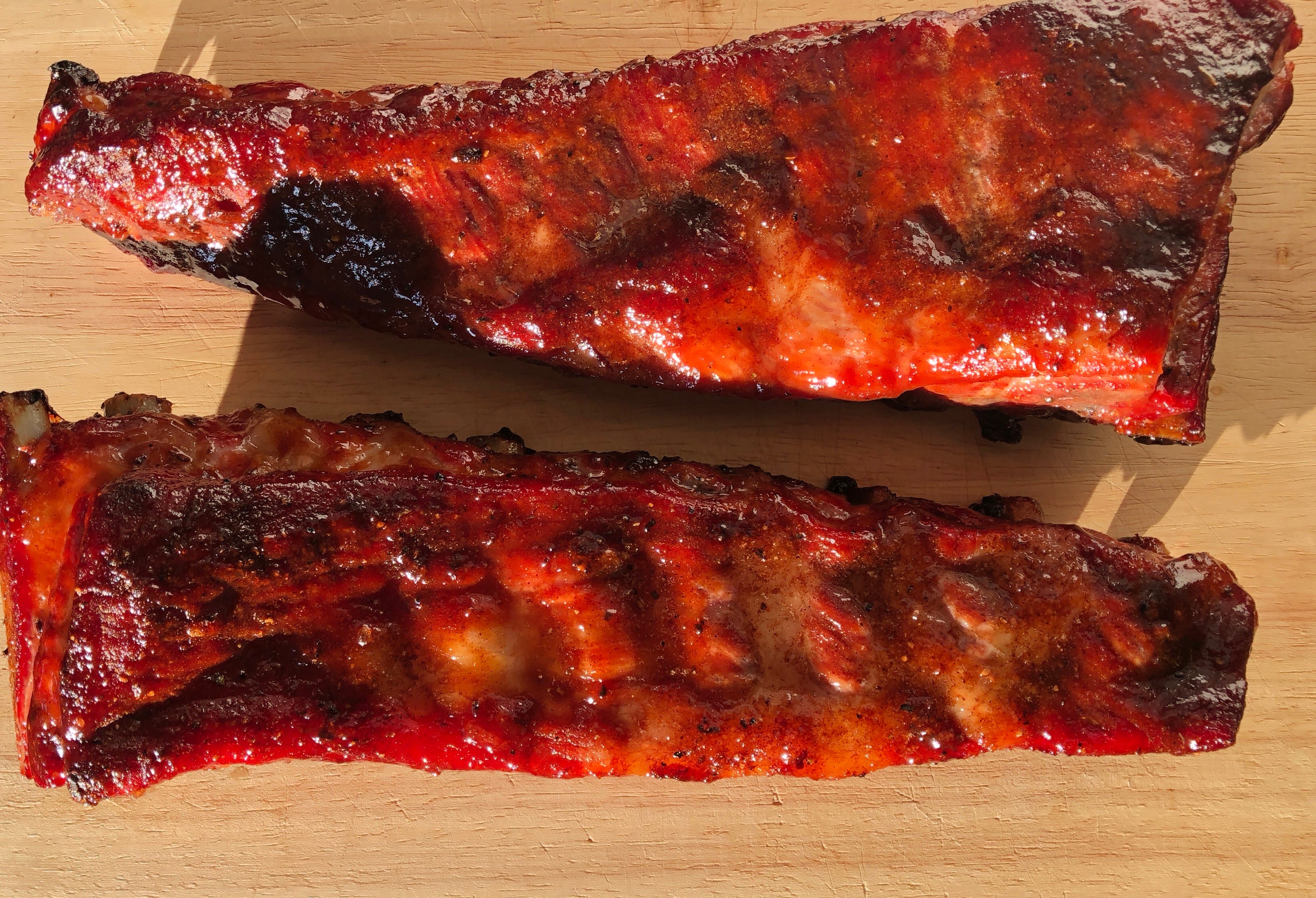
The surface of the ribs will develop a nice caramelized crust, sometimes called the bark. This crust is a good indicator that the sugars in your rub or sauce have set well.
Another sign is the flexibility of the ribs. Pick them up with tongs and gently bounce them. If the ribs bend easily and the meat starts to crack on the surface, they are likely done.
Internal Temperature Guide
Using a meat thermometer is the most reliable way to check doneness. Insert the probe between the bones, avoiding touching the bone itself.
| Type of Ribs | Target Internal Temperature | Texture |
|---|---|---|
| Pork Ribs (Baby Back) | 195°F to 203°F (90°C to 95°C) | Fall-off-the-bone tender |
| Spare Ribs | 190°F to 203°F (88°C to 95°C) | Soft but with some chew |
Temperatures above 190°F break down connective tissue, making ribs tender. But watch carefully—going too high can dry them out. Have you checked your ribs with a thermometer before? It might change how you grill forever.
Resting And Serving Ribs
After grilling ribs on your Weber gas grill, the final moments before serving are just as important as the cooking process itself. Resting and serving ribs properly ensures you get the best flavor, tenderness, and presentation. Let’s dive into why resting matters and how to serve your ribs for maximum enjoyment.
Resting Time Benefits
Allow your ribs to rest for about 10 to 15 minutes once they come off the grill. This short break lets the juices redistribute throughout the meat, making every bite juicy and tender rather than dry.
Skipping resting can cause the juices to spill out immediately when you cut into the ribs, leaving you with less flavorful meat. I’ve noticed a big difference in texture and moisture when I started giving my ribs this simple rest.
Cover the ribs loosely with aluminum foil during resting to keep them warm without steaming them. This small step maintains the crust while keeping the ribs hot enough for serving.
Serving Suggestions
How you serve ribs can transform your meal from good to unforgettable. Try pairing your ribs with classic sides like creamy coleslaw, baked beans, or grilled corn for a balanced plate.
Consider brushing your ribs with a little extra barbecue sauce right before serving to enhance flavor and add a glossy finish. It’s a small touch that guests always appreciate.
- Cut ribs between the bones for easy handling
- Offer wet wipes or napkins—ribs can get messy!
- Serve with pickles or a tangy vinegar-based sauce for contrast
What’s your favorite way to serve ribs? Experiment with different sauces or sides to find your perfect match and impress everyone at your next barbecue.
Troubleshooting Common Issues
Grilling ribs on a Weber gas grill can be incredibly rewarding, but it’s not without its challenges. Troubleshooting common problems helps you avoid frustration and ensures your ribs come out delicious every time. Let’s tackle some frequent issues you might face, so you can keep perfecting your grilling game.
Dry Or Tough Ribs
Are your ribs turning out dry or tough despite careful grilling? This usually means they cooked too fast or at too high a temperature. Ribs need low and slow heat to break down collagen and stay juicy.
Try using indirect heat by turning off burners directly under the ribs and letting them cook beside the flame. Wrapping ribs in foil halfway through helps trap moisture and tenderize the meat.
Another tip: check your marinade or rub ingredients. Sometimes, too much salt or acidic components can dry out the ribs. Have you experimented with different seasoning blends to find one that locks in moisture?
Flare-ups And Burning
Flare-ups happen when fat drips onto the flames, causing sudden bursts of fire that burn your ribs. This can ruin the texture and flavor quickly.
Keep a spray bottle of water nearby to control small flare-ups. Also, trim excess fat from ribs before grilling to reduce drips.
Position your ribs away from direct flames to avoid burning. Using a two-zone setup—one side with high heat and the other with low or no heat—gives you better control.
Ever noticed how moving ribs to the cooler side during flare-ups saves them? That simple switch can be a game-changer in managing fire and flavor.
Enhancing Flavor With Wood Chips
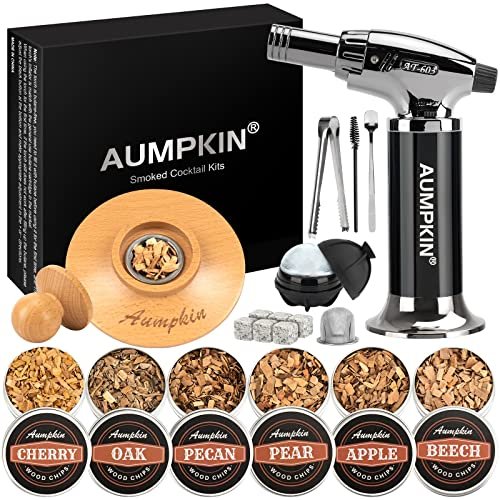
Wood chips add a smoky taste that makes ribs more flavorful on a Weber gas grill. Soaking chips before grilling helps them burn slowly and create rich smoke. This simple step boosts the ribs’ aroma and taste without extra effort.
Enhancing the flavor of grilled ribs with wood chips is a delightful technique. It brings out rich, smoky undertones. This method transforms simple ribs into a culinary treat. Using wood chips adds depth. It complements the natural flavors of the meat. Even a gas grill can achieve this smoky effect. With the right wood and technique, your ribs will taste amazing.
Choosing Wood Types
Different wood types offer unique flavors. Hickory is strong and adds a bold taste. Oak is milder and suits any meat. Cherry adds a sweet, subtle touch. Applewood is light and fruity. Each type gives a distinct flavor. Choose one that matches your taste.
Adding Smoke On A Gas Grill
Using wood chips on a gas grill is simple. First, soak the chips in water for 30 minutes. This prevents them from burning quickly. Then, drain the water. Place the damp chips in a smoker box. Alternatively, use aluminum foil. Poke holes to let smoke escape. Set the box or foil directly on the grill burner. Preheat the grill until the chips begin smoking. Now, the grill is ready for the ribs. Close the lid to keep the smoke in. This infuses the ribs with a rich, smoky flavor.
Credit: medium.com
Frequently Asked Questions
How Long Should Ribs Cook On A Weber Gas Grill?
Ribs typically cook for 1. 5 to 2 hours on a Weber gas grill. Use indirect heat at 275°F. Turn ribs occasionally for even cooking and tenderness.
What Is The Best Temperature For Grilling Ribs?
Maintain a grill temperature around 275°F for tender ribs. This low and slow heat ensures juicy, flavorful results without burning.
Should I Marinate Ribs Before Grilling On A Weber?
Marinating ribs is optional but recommended for extra flavor. Use a dry rub or marinade for at least 1 hour before grilling.
How Do I Prevent Ribs From Drying Out On The Grill?
Cook ribs over indirect heat and keep the lid closed. Baste occasionally and wrap ribs in foil to retain moisture.
Conclusion
Grilling ribs on a Weber gas grill is simple and fun. Start with good ribs and season them well. Keep the heat low and cook slowly for tender meat. Use indirect heat and turn the ribs often. Add sauce near the end to avoid burning.
Watch the ribs closely to get the right texture. Enjoy the smoky flavor and juicy meat. With practice, your ribs will taste better every time. Try this method for your next barbecue day. Happy grilling!