Grilling the perfect ribeye steak on a gas grill to a juicy medium doneness can feel tricky. But what if you could master it every single time?
Imagine biting into a tender, flavorful steak with those beautiful grill marks that make your mouth water. You’re just a few simple steps away from impressing yourself and everyone at your next cookout. Keep reading, and you’ll learn exactly how to get that steak just right—no guesswork, no stress.
Your grill skills are about to level up.
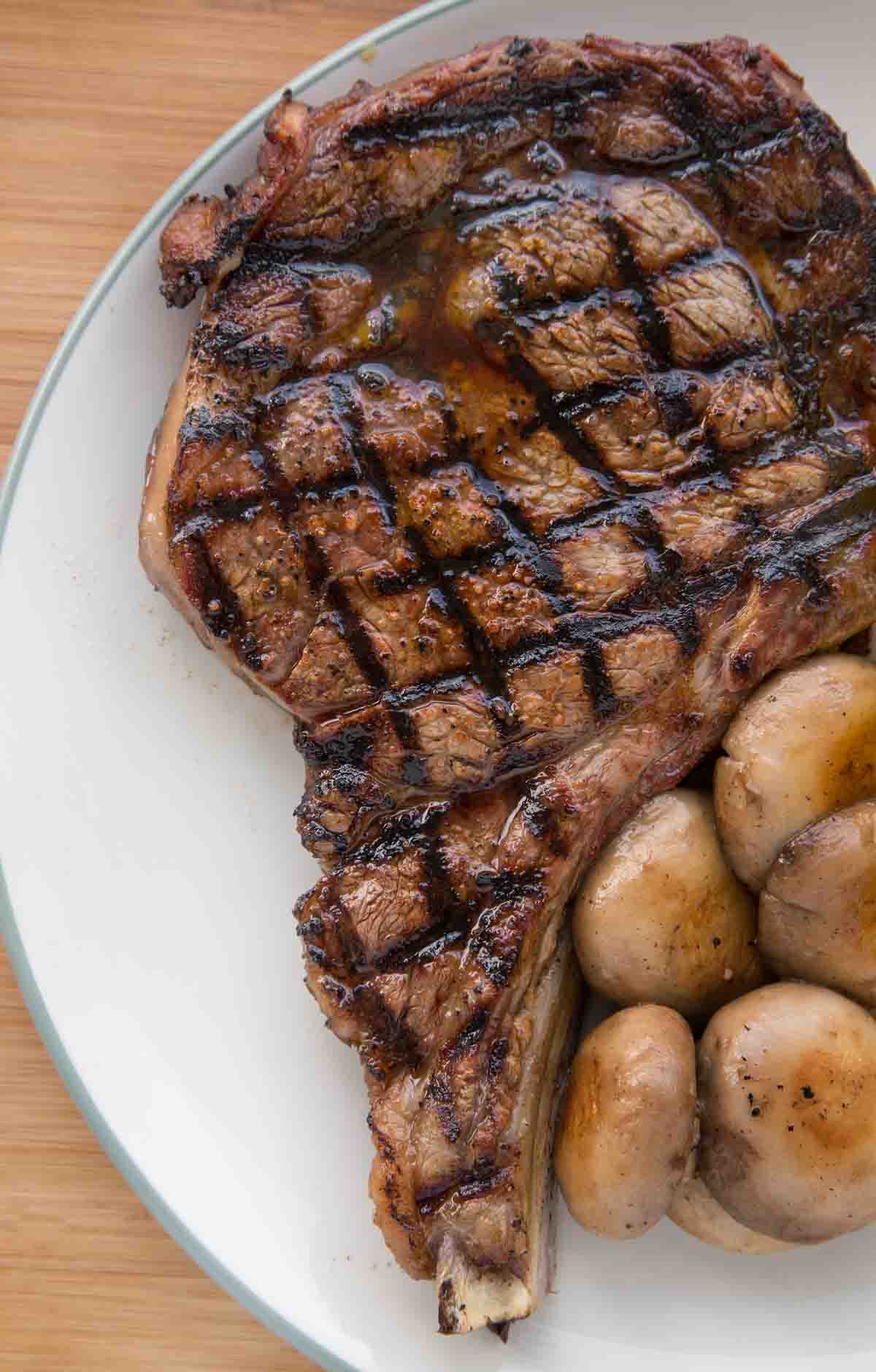
Credit: www.askchefdennis.com
Choosing The Right Ribeye
Choosing the right ribeye steak sets the foundation for a perfect medium-grilled meal. The quality and cut directly impact flavor, juiciness, and tenderness. Paying close attention to the steak you pick makes all the difference once it hits the grill.
Selecting Thickness And Marbling
Thickness affects how evenly your ribeye cooks on a gas grill. Aim for steaks that are about 1 to 1.5 inches thick. Thinner cuts cook too fast and risk drying out, while thicker ones allow you to achieve that beautiful medium doneness with a juicy center.
Marbling refers to the white streaks of fat running through the meat. More marbling means more flavor and tenderness. Look for ribeyes with visible, even fat distribution; it melts during grilling and keeps the steak moist.
Have you noticed that steaks with less marbling often taste tougher? That’s because fat adds richness and helps keep the meat juicy. Don’t shy away from a well-marbled ribeye—it’s worth the extra cost.
Fresh Vs. Frozen Ribeye
Choosing between fresh and frozen ribeye can affect your grilling experience. Fresh steaks usually offer better texture and flavor, but if you freeze your ribeye properly, you can still get excellent results.
Frozen ribeyes often lose some moisture during freezing, which can make the steak less juicy if not thawed carefully. Always thaw frozen steaks slowly in the fridge for 24 hours before grilling to preserve quality.
Think about how soon you plan to grill. If you buy fresh, plan to cook it within a few days. If you buy frozen, make sure to allow enough time for proper thawing. Your patience here pays off in taste and texture.

Credit: www.thekitchn.com
Preparing The Steak
Preparing the steak is a crucial step before placing it on the gas grill. Proper preparation ensures the ribeye cooks evenly and tastes delicious. It starts with seasoning the meat to enhance its natural flavors. Then, bringing the steak to room temperature helps achieve a perfect medium cook. These simple steps make a big difference in the final result.
Seasoning Techniques
Start with a good quality ribeye steak. Pat it dry with paper towels. This helps the seasoning stick better.
Use a generous amount of salt and pepper. Coarse salt works best for a nice crust. Freshly ground black pepper adds a sharp bite.
Sprinkle the seasoning evenly on both sides. Press it gently into the meat with your fingers. Avoid over-seasoning to keep the steak’s natural flavor.
Optional herbs like garlic powder or rosemary add extra aroma. Use them sparingly to not overpower the beef.
Bringing Steak To Room Temperature
Take the seasoned steak out of the fridge about 30 to 45 minutes before grilling. This step allows the meat to warm up slightly.
A room temperature steak cooks more evenly. The center reaches medium doneness without burning the outside.
Place the steak on a clean plate. Cover it loosely with foil or plastic wrap to keep it fresh.
Avoid leaving it out too long to prevent bacteria growth. Around 45 minutes is enough for best results.
Setting Up The Gas Grill
Setting up your gas grill correctly is crucial to achieving that perfect medium ribeye steak. A well-prepared grill ensures even cooking and helps you control the temperature with ease. Let’s break down the essential steps to get your grill ready.
Preheating The Grill
Start by turning on your gas grill and setting it to high heat. Close the lid and let it preheat for about 10 to 15 minutes. This step is important because a hot grill sears the steak, locking in juices and flavor.
Have you noticed how a cold grill can cause sticking or uneven cooking? Preheating prevents that and gives your ribeye a beautiful crust.
Creating Heat Zones
After preheating, adjust your burners to create two heat zones: one side on high for searing, and the other on low or off for finishing the steak gently. This setup allows you to move the ribeye between direct and indirect heat.
Think of it like giving your steak a quick, intense blast of heat, then letting it relax and cook through without burning. This method helps you achieve that perfect medium doneness with a juicy center and a nicely charred exterior.
- High heat zone: for initial sear (450-500°F)
- Low heat zone: for finishing the steak (around 300°F)
Have you tried flipping your steak between these zones? It can make all the difference in texture and flavor.

Credit: girlscangrill.com
Grilling To Medium
Grilling a ribeye steak to medium means cooking it until the inside is warm and pink. The perfect medium steak is juicy and tender with a slight firmness. Achieving this requires control over heat and timing on your gas grill. Follow these tips to get a balanced and flavorful ribeye every time.
Searing The Ribeye
Start by preheating the grill to high heat. Place the ribeye directly over the flames. Sear for about 2 to 3 minutes on each side. This creates a brown crust that locks in juices. Avoid moving the steak too much while searing. Let the heat work its magic for a nice char.
Using Indirect Heat
After searing, move the steak away from direct flames. Use the cooler side of the grill for indirect cooking. Close the lid to keep the heat even. This method cooks the steak inside without burning the outside. It helps reach that perfect medium doneness slowly and evenly.
Timing And Temperature Tips
- Use a meat thermometer for accuracy.
- Target an internal temperature of 140°F (60°C) for medium.
- Check temperature after 4 to 5 minutes on indirect heat.
- Rest the steak for 5 minutes before cutting.
- Resting lets juices spread and finish cooking.
Checking Doneness
Check the steak’s color and feel to know if it’s medium done. A warm, pink center with firm texture shows perfect doneness. Using a meat thermometer can help for precise results.
Grilling a ribeye steak to perfection requires checking its doneness. This ensures the steak meets personal taste preferences. Knowing when to pull the steak off the grill is crucial. Below are two effective methods to check doneness. Each method ensures your ribeye is juicy and flavorful.
Using A Meat Thermometer
A meat thermometer is a reliable tool. Insert it into the thickest part of the steak. Avoid touching the bone. For medium doneness, aim for an internal temperature of 140°F. This temperature ensures a pink, juicy center. Wait a few seconds for an accurate reading. Clean the thermometer after each use to prevent contamination.
Touch Test Method
The touch test method is simple. Gently press the steak with your finger. A medium steak will feel like the flesh between your thumb and forefinger when you press your thumb and middle finger together. This method requires practice. It helps develop a feel for different doneness levels. Always wash your hands after touching raw meat.
Resting The Steak
Resting the ribeye steak is a vital step after grilling. It helps the meat retain its juices and flavors. Skipping this step can lead to a dry and less tasty steak. Letting the steak rest allows the fibers to relax, making each bite tender and juicy.
Why Resting Matters
Grilling pushes the juices toward the center of the steak. Resting lets these juices spread evenly throughout the meat. Without resting, the juices run out when you cut the steak. This loss causes dryness and less flavor. Resting also helps the steak finish cooking gently. It balances the temperature inside the meat for a perfect medium cook.
Optimal Resting Time
Rest the ribeye for about 5 to 10 minutes. Use a warm plate or foil to cover the steak loosely. This keeps the heat in while resting. Avoid wrapping tightly to prevent steam, which can soften the crust. For thicker steaks, rest closer to 10 minutes. Thinner cuts need less time, around 5 minutes. Use this simple rule: rest time equals about half the cooking time.
Serving Suggestions
Serving a perfectly grilled ribeye steak is about more than just the meat itself. The sides and sauces you choose can highlight the steak’s rich flavor and create a memorable meal. Think about how each element on your plate complements the juicy, medium-cooked ribeye to elevate every bite.
Simple Sides For Ribeye
Keep your sides straightforward to let the ribeye shine. Roasted vegetables like asparagus or Brussels sprouts add a nice crunch and a touch of earthiness. A baked potato or creamy mashed potatoes balance the steak’s bold flavors with their soft texture.
Salads with fresh greens and a light vinaigrette can cut through the richness of the ribeye, giving your palate a refreshing break. You might also try grilled corn on the cob with a sprinkle of chili powder and lime for a bit of zest. What simple side do you reach for to complete your steak dinner?
Finishing Touches And Sauces
A finishing touch can turn a good steak into a great one. Try melting herb butter over the hot ribeye right off the grill for an easy flavor boost. Garlic, rosemary, or thyme in the butter add an aromatic punch that pairs wonderfully with the meat.
Sauces don’t have to be complicated to make an impact. Classic choices like chimichurri or a red wine reduction add a bright or deep flavor contrast. If you prefer something creamy, a blue cheese sauce can bring a rich, tangy element that complements the ribeye’s robust taste.
Which finishing touch will you add to your next grilled ribeye to make it unforgettable?
Frequently Asked Questions
How Long To Grill Ribeye Steak Medium On Gas Grill?
Grill ribeye steak for about 4-5 minutes per side on medium-high heat. Use a meat thermometer to check for 140°F for medium doneness. Rest the steak for 5 minutes before serving to retain juices.
What Gas Grill Temperature Is Best For Ribeye Steak?
Set your gas grill to medium-high heat, around 400°F to 450°F. This temperature sears the steak well and cooks it evenly for a perfect medium finish.
Should I Oil The Ribeye Steak Before Grilling?
Yes, lightly oil the ribeye steak before grilling. This prevents sticking and helps achieve a crispy, flavorful crust. Use a high smoke-point oil like canola or avocado oil.
How To Tell When Ribeye Steak Is Medium Done?
Use a meat thermometer to check for an internal temperature of 140°F. The steak should feel firm but still slightly springy when pressed with your finger.
Conclusion
Grilling a ribeye steak to medium on a gas grill is simple and rewarding. Use steady heat and watch the time closely. Let the steak rest before cutting to keep it juicy. Season well for great flavor. These steps help you enjoy a tasty and tender ribeye every time.
Try this method for your next cookout. Perfect steak, easy process.