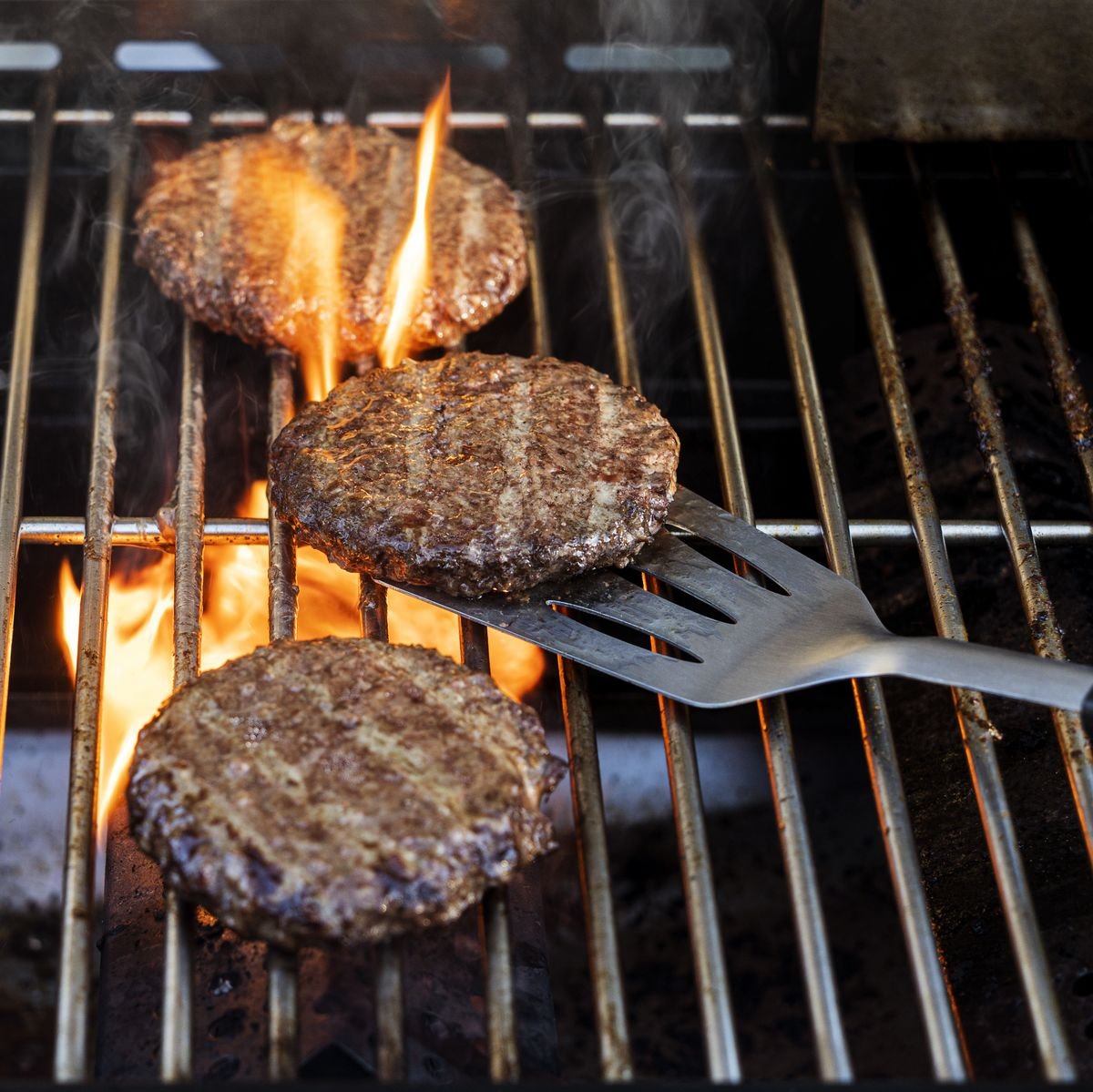
If you want to enjoy a juicy, flavorful ribeye steak right in your backyard, grilling it perfectly on a gas grill is the key. You might think grilling steak is tricky, but with the right steps, you can impress yourself and your guests every time.
In this guide, you’ll discover simple tips and tricks to get that perfect sear, lock in the juices, and bring out the rich taste of your ribeye. Ready to become the grill master you’ve always wanted to be? Keep reading and turn your gas grill into the ultimate steak cooker.

Credit: www.thekitchn.com
Choosing The Right Ribeye Steak
Choosing the right ribeye steak is the foundation of a perfect grill session. The quality of your meat directly impacts flavor, tenderness, and overall satisfaction. Before you fire up your gas grill, make sure you know what to look for to get the best cut possible.
Selecting Quality Meat
Look for ribeye steaks with a bright, cherry-red color. This freshness indicates good quality and proper aging. Avoid steaks with brown spots or excessive moisture, which can signal old or poorly stored meat.
Check the sell-by date and ask the butcher if the steak has been dry-aged or wet-aged. Dry-aged steaks develop a richer flavor but come at a higher price. Wet-aged steaks are more common and still deliver great taste if cooked right.
Thickness And Marbling Tips
Thickness matters for grilling ribeye. Aim for steaks that are at least 1 to 1.5 inches thick. Thinner cuts cook too fast and risk drying out, while thicker cuts stay juicy and allow a nice crust to form.
Marbling—the white streaks of fat within the meat—makes ribeye special. More marbling means more flavor and tenderness. Look for steaks with even, abundant marbling; these will melt during cooking and keep your steak juicy.
Have you ever grilled a ribeye that was too thin or lacked fat? It changes everything. Choosing the right thickness and marbling can turn your grill into a steakhouse experience right in your backyard.
Preparing The Steak
Preparing the ribeye steak correctly sets the stage for a delicious grilling experience. This phase focuses on enhancing the natural flavors and ensuring even cooking. Small details here make a big difference in taste and texture.
Seasoning Techniques
Start with quality salt and pepper. These basics bring out the steak's rich flavor. Sprinkle salt evenly on both sides. Use coarse salt for better texture and taste. Add black pepper freshly ground for a spicy kick.
For extra flavor, try simple herbs like rosemary or thyme. Rub them gently into the meat surface. Avoid heavy sauces before grilling. They can burn and hide the steak’s natural taste.
Bringing Steak To Room Temperature
Let the ribeye sit out for 20 to 30 minutes before grilling. This helps the steak cook evenly. Cold meat can cook unevenly, leaving the inside underdone. Room temperature steak browns better and stays juicy.
Place the steak on a clean plate. Cover it loosely with foil or a clean cloth. Avoid leaving it out for too long to prevent bacteria growth.
Setting Up The Gas Grill
Setting up your gas grill correctly is key to grilling a perfect ribeye steak. Proper preparation affects heat control, cooking speed, and the flavor you’ll get from the grill. Taking the time to set up your grill right will make your steak juicy and full of smoky goodness.
Preheating Guidelines
Always preheat your gas grill before placing the ribeye on the grates. Turn all burners on high and close the lid for about 10 to 15 minutes. This ensures the grill reaches a steady, hot temperature that sears the steak perfectly.
Have you noticed how steaks sometimes stick to the grill? Preheating helps prevent this by burning off residues and oils. It also creates those beautiful grill marks that add texture and flavor.
Managing Heat Zones
Creating different heat zones on your grill gives you more control over the cooking process. Turn one or two burners on high for direct heat and leave others on low or off for indirect heat.
- Use the hot zone to sear your ribeye quickly, locking in juices.
- Move the steak to the cooler zone to finish cooking without burning.
This setup lets you handle thicker cuts easily. Have you tried this before? It’s like having a two-stage cooking process on one grill, making your steak perfectly cooked from edge to center.
Grilling Process
The grilling process is where your ribeye transforms from a simple cut of meat into a flavorful masterpiece. It demands attention, timing, and a bit of patience. Each step plays a vital role in locking in juices and achieving that perfect crust.
Searing The Ribeye
Searing creates a delicious crust that seals in the steak’s juices. Preheat your gas grill to high heat before placing the ribeye directly over the flames. Let it cook undisturbed for about 2-3 minutes on each side to develop a rich, brown crust.
Don’t rush this step by flipping too often. A good sear adds texture and flavor that makes the steak stand out. Have you noticed how a properly seared steak smells irresistible even before the first bite?
Cooking To Desired Doneness
After searing, move the ribeye to a cooler part of the grill to finish cooking evenly. Close the grill lid to maintain consistent heat. This indirect cooking method helps avoid burning the outside while the inside reaches your preferred doneness.
Remember, thickness affects cooking time significantly. A 1-inch ribeye usually takes about 4-6 minutes per side for medium-rare. Are you aiming for rare, medium, or well-done? Adjust your timing accordingly to get it just right.
Using A Meat Thermometer
A meat thermometer is your best friend for accuracy. Insert it into the thickest part of the steak without touching bone or fat. Here are the internal temperatures to guide you:
| Doneness | Internal Temperature (°F) |
|---|---|
| Rare | 120-125 |
| Medium-Rare | 130-135 |
| Medium | 140-145 |
| Medium-Well | 150-155 |
| Well Done | 160+ |
Checking the temperature prevents overcooking and disappointment. Have you ever sliced into a steak only to find it tougher or drier than expected? Using a thermometer solves that problem every time.
Resting And Serving
Resting and Serving Ribeye Steak After grilling, let the ribeye rest for five minutes. This helps juices distribute evenly. Slice and serve for a juicy, flavorful experience.
Grilling a ribeye steak to perfection requires patience. Resting and serving are crucial steps. They ensure your steak retains its juices and presents beautifully.
Why Resting Matters
Resting the steak allows juices to redistribute. This keeps the meat juicy. If cut immediately, juices will escape. Resting for 5-10 minutes is ideal. It helps in achieving a tender bite. A foil tent can keep it warm during this time.
Carving And Presentation Tips
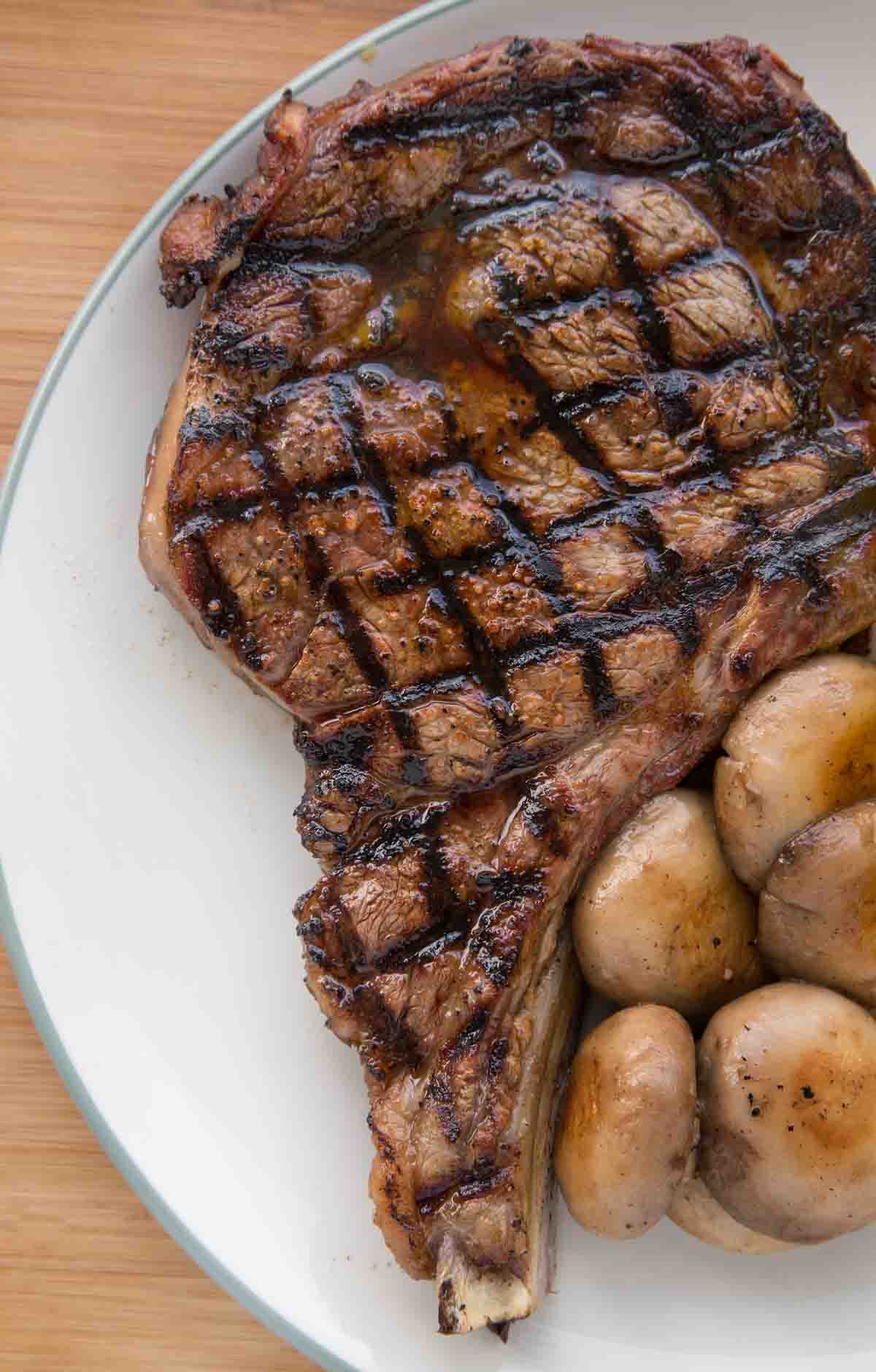
Carving the ribeye properly enhances its flavor. Use a sharp knife for clean cuts. Slice against the grain for tenderness. Arrange slices neatly on a platter. Garnish with fresh herbs for color. This adds a touch of elegance. Serve with a side of choice. A simple salad or roasted veggies work well. This completes your meal beautifully.

Credit: girlscangrill.com
Troubleshooting Common Issues
Grilling a ribeye steak on a gas grill can be simple, but some issues might occur. Knowing how to solve these problems keeps the steak juicy and tasty. This section covers common grilling troubles and how to fix them fast.
Avoiding Overcooking
Overcooked steak becomes dry and tough. Keep the grill temperature medium-high, around 400°F (204°C). Use a meat thermometer to check doneness. Remove the steak at 130°F (54°C) for medium-rare. Let the steak rest for 5 minutes before cutting. This helps the juices spread evenly.
Preventing Flare-ups
Flare-ups happen when fat drips on the flames. They can burn the steak’s surface. Trim excess fat before grilling. Keep a spray bottle with water nearby to control small flames. Move the steak to a cooler part of the grill if flare-ups get strong. Clean the grill grates regularly to reduce grease build-up.
Enhancing Flavor
Enhancing the flavor of ribeye steak makes grilling a special experience. The rich, juicy taste can become even better with simple techniques. Small touches bring out the natural beef flavor and add exciting new notes.
Using Marinades And Rubs
Marinades soften the meat and add deep flavors. Use ingredients like olive oil, garlic, soy sauce, and herbs. Let the steak soak for at least 30 minutes. Avoid long marinating times to keep the steak tender.
Dry rubs create a tasty crust on the grill. Mix spices like black pepper, paprika, salt, and garlic powder. Rub the mixture evenly over the steak before grilling. This method locks in juices and adds a smoky flavor.
Adding Finishing Touches
After grilling, add a pat of butter or herb butter on top. This melts into the steak, boosting richness. Sprinkle fresh herbs like rosemary or thyme for a fresh aroma.
Let the steak rest for a few minutes before cutting. Resting keeps the juices inside, making each bite juicy. A squeeze of lemon juice or a dash of balsamic vinegar can brighten the taste.
Credit: www.askchefdennis.com
Frequently Asked Questions
How Long Should I Grill Ribeye Steak On Gas Grill?
Grill ribeye steak for 4-6 minutes per side over high heat. Use medium-rare as a guide. Adjust time based on thickness and desired doneness.
What Is The Ideal Gas Grill Temperature For Ribeye?
Preheat your gas grill to high heat, around 450-500°F. This temperature ensures a perfect sear and juicy interior for ribeye steaks.
Should I Marinate Ribeye Before Grilling On Gas Grill?
Marinating ribeye is optional. Ribeye is flavorful on its own. Use a simple seasoning of salt and pepper for best results.
How Do I Prevent Ribeye Steak From Sticking To Grill?
Oil the grill grates and brush steak lightly with oil. Ensure grill is preheated properly to avoid sticking. Flip steak only once.
Conclusion
Grilling a ribeye steak on a gas grill is simple and rewarding. Start with good quality meat and preheat the grill well. Use direct heat for searing, then indirect heat to finish cooking. Let the steak rest before cutting to keep juices inside.
Enjoy the rich, smoky flavor of your perfectly grilled ribeye. Practice will improve your timing and technique. Soon, grilling steaks will become a favorite and easy task. Give it a try and enjoy every bite.