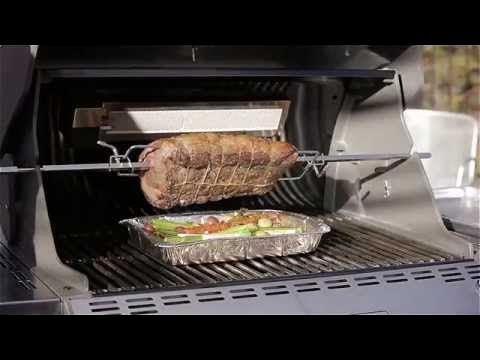
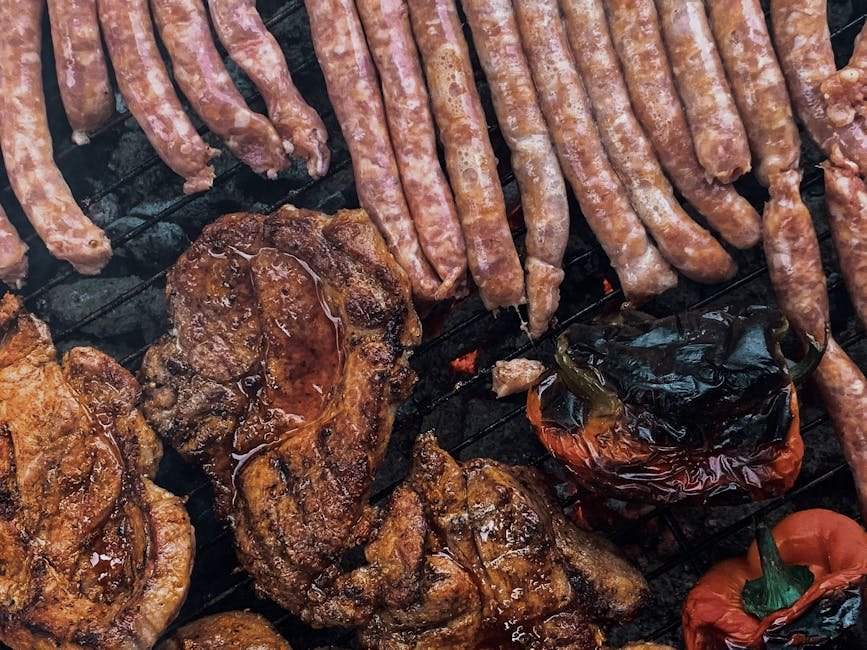
Grilling the perfect ribeye on your gas grill isn’t as tricky as it sounds. Imagine biting into a juicy, tender steak with a smoky char that melts in your mouth.
You can achieve that at home, even if you’re not a grilling expert. This guide will walk you through simple steps to turn your ribeye into a mouthwatering masterpiece. Ready to impress yourself and your guests with a steak cooked just right?
Keep reading, and you’ll discover easy tips that make your next cookout unforgettable.
Choosing The Right Ribeye
Choosing the right ribeye is the first step to a perfect grilled steak. The quality of the cut affects taste and texture. Picking the best ribeye ensures a juicy and flavorful meal. Focus on key factors like cut quality, thickness, and marbling. These elements make a big difference on the grill.
Selecting Quality Cuts
Look for ribeye steaks with a bright red color. Avoid cuts that appear brown or gray. Freshness is important for flavor and tenderness. Choose steaks from reputable butchers or stores. Ask about the source and how long it has been stored.
Thickness Matters
Thicker ribeye steaks cook more evenly on a gas grill. Aim for cuts around 1 to 1.5 inches thick. Thin steaks can dry out quickly and lose juiciness. Thick cuts allow a nice sear outside while staying tender inside. This balance creates the perfect grilled ribeye.
Marbling And Flavor
Marbling means small streaks of fat inside the meat. More marbling means richer flavor and tenderness. Look for ribeye with white, evenly distributed fat. Avoid cuts with large fat pockets or very little marbling. The right marbling melts during grilling, adding moisture and taste.

Credit: girlscangrill.com
Preparing The Steak
Preparing the steak is the first step to a delicious grilled ribeye. Proper preparation ensures even cooking and enhances flavor. Take time to handle the steak with care before placing it on the gas grill.
Bringing To Room Temperature
Take the ribeye out of the fridge about 30 to 60 minutes before grilling. This helps the meat cook evenly. Cold meat can cook unevenly and leave the inside underdone. Letting the steak sit at room temperature improves texture and taste.
Seasoning Tips
Simple seasoning works best for ribeye. Use salt and freshly ground black pepper to highlight natural flavors. Season both sides evenly just before grilling. Avoid seasoning too early to prevent drawing out moisture. A light coat of oil can help the seasoning stick better.
Optional Marinades And Rubs
Marinades add extra flavor and tenderness. Use ingredients like garlic, soy sauce, or herbs. Marinate the steak for 30 minutes to 2 hours. Avoid long marinating times to keep the meat’s texture firm.
Dry rubs combine spices like paprika, cumin, and brown sugar. Rub the mixture evenly on the steak before cooking. Both marinades and rubs create a tasty crust when grilled.
Setting Up The Gas Grill
Setting up your gas grill correctly is crucial for grilling a perfect ribeye. It sets the stage for even cooking and helps you control the heat, so your steak turns out juicy and flavorful. Ignoring this step can lead to uneven cooking or a dry, tough steak.
Cleaning And Preheating
Start by cleaning the grill grates with a stiff wire brush. This removes leftover residue that can cause sticking or off-flavors.
Next, preheat your grill on high for about 10-15 minutes. A hot grill ensures a nice sear and locks in the steak’s juices.
Have you ever noticed how a clean, hot grill creates those perfect grill marks? That’s because it prevents the steak from sticking and tearing.
Adjusting Heat Zones
Create two heat zones: one side on high heat for searing, the other on medium-low for finishing the steak. This setup lets you control the cooking process better.
Use the high-heat zone to sear the ribeye quickly, then move it to the cooler side to finish cooking without burning.
Think about how a two-zone fire lets you manage flare-ups and avoid charring your steak too much. It’s a game changer.
Using A Thermometer
A reliable meat thermometer takes the guesswork out of grilling. Insert it into the thickest part of the ribeye to check the internal temperature.
For medium-rare, aim for 130-135°F (54-57°C). Pull the steak off the grill a few degrees before your target, as it will continue to cook while resting.
Ever struggled with undercooked or overcooked steak? Using a thermometer gives you consistent results every time.
Grilling Techniques
Grilling a ribeye on a gas grill calls for a mix of techniques to get that perfect balance of crusty exterior and juicy interior. Mastering these grilling techniques will help you control the heat and timing so your steak cooks evenly and tastes incredible. Let’s break down the essential steps that will elevate your ribeye grilling game.
Searing The Ribeye
Searing locks in the juices and creates that mouthwatering crust you crave. Preheat your grill on high until it’s scorching hot—around 500°F is ideal.
Place your ribeye directly over the flames and let it sizzle for 2 to 3 minutes without moving it. This undisturbed contact forms those beautiful grill marks and caramelizes the meat’s surface.
Have you noticed how a good sear smells? It’s a clear sign you’re on the right track.
Indirect Cooking Method
After searing, move your ribeye to a cooler part of the grill to finish cooking without burning. This indirect heat ensures the inside cooks evenly while the outside stays perfectly charred.
Turn off one or two burners and place the steak over the unlit section. Close the lid to trap the heat and create an oven-like environment.
This technique helps avoid overcooking the surface while the center reaches your desired doneness.
Flipping And Timing
Resist the urge to flip your steak constantly. Flip your ribeye just once or twice during cooking for even heat distribution.
Depending on thickness, aim for about 4 to 5 minutes per side with the lid closed. Use a meat thermometer to check for doneness—130°F for medium-rare is a sweet spot.
Have you ever cut into a steak too soon and lost all those delicious juices? Patience here pays off.
Checking Doneness
Checking the doneness of your ribeye on a gas grill is a crucial step to ensure it’s cooked just the way you like it. Overcooking can dry out the steak, while undercooking may leave it too raw for your taste. Knowing exactly when to pull your ribeye off the grill can make all the difference between a good meal and a great one.
Using A Meat Thermometer
A meat thermometer is the most reliable way to check doneness. Insert it into the thickest part of the ribeye without touching the bone or fat.
- Rare:120-130°F (49-54°C)
- Medium Rare:130-135°F (54-57°C)
- Medium:135-145°F (57-63°C)
- Medium Well:145-155°F (63-68°C)
- Well Done:155°F+ (68°C+)
Have you ever guessed the doneness and been surprised by the result? Using a thermometer removes that guesswork and helps you nail it every time.
Touch Test Guide
If you don’t have a thermometer handy, the touch test is a helpful skill to develop. It compares the firmness of the steak to different parts of your hand.
- Touch your thumb to your index finger and feel the fleshy area below your thumb. That’s how a rare steak feels.
- Touch your thumb to your middle finger for medium-rare firmness.
- Touch your thumb to your ring finger for medium doneness.
- Touch your thumb to your pinky for well-done firmness.
Practice this while grilling and you’ll become surprisingly accurate. What if you could cook a perfect steak by feel alone?
Resting The Steak
After grilling, letting your ribeye rest is just as important as cooking it. Resting allows the juices to redistribute inside the meat, making every bite juicy and tender.
Wrap the steak loosely in foil and let it sit for 5-10 minutes before cutting. Skipping this step can cause all those delicious juices to run out onto your plate.
Have you ever cut into a steak right off the grill and seen all the juices disappear? Resting solves that problem and improves flavor dramatically.

Credit: www.mychicagosteak.com
Serving Suggestions
Serving a perfectly grilled ribeye is about more than just the steak itself. How you slice, pair, and dress your ribeye can elevate the entire meal experience. Think about the flavors and textures you want to highlight—this can make your grilled ribeye stand out even more.
Slicing Tips
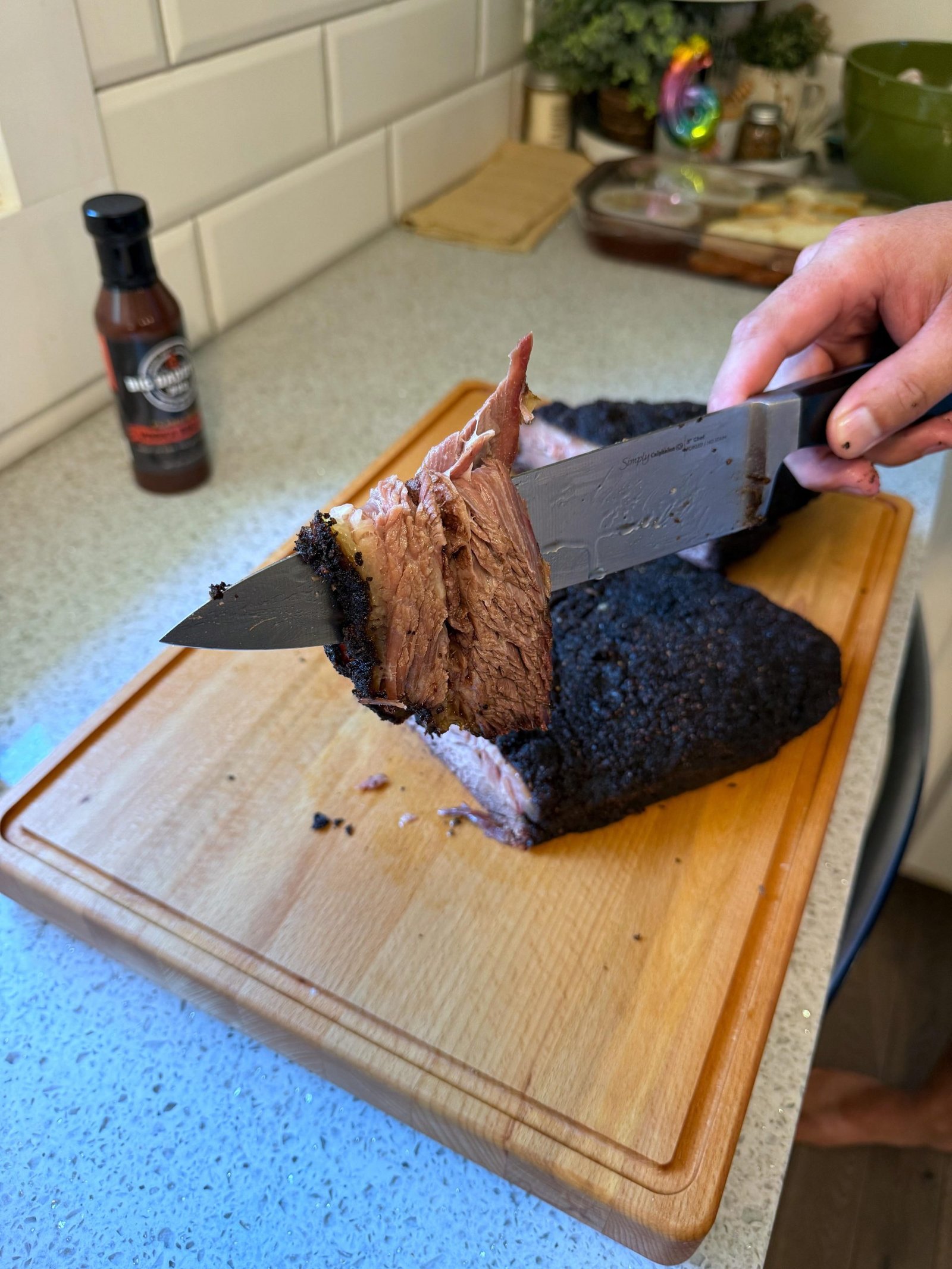
Cut your ribeye against the grain to keep each bite tender and easy to chew. Thick slices hold juiciness better, but thin slices help spread the flavor across your palate. Try slicing just before serving to keep the steak warm and fresh.
Have you ever noticed how slicing direction changes the texture? Experiment with different thicknesses to find your favorite mouthfeel.
Complementary Sides
Pair your ribeye with sides that balance its rich, beefy flavor. Simple grilled vegetables like asparagus or bell peppers add a fresh, smoky contrast. Creamy mashed potatoes or a crisp green salad can also provide a nice texture balance.
Think about adding a side with acidity, such as a tangy coleslaw or pickled onions—they cut through the richness and refresh your palate.
Sauces And Finishes
A well-chosen sauce can bring out new dimensions in your ribeye. Classic choices like chimichurri or a red wine reduction complement the steak’s natural flavors without overpowering them. A pat of herb butter melting on top adds richness and a velvety finish.
Consider sprinkling a pinch of flaky sea salt or freshly cracked black pepper right before serving to enhance the steak’s taste even more. What finishing touch makes your ribeye unforgettable?
Common Mistakes To Avoid
Grilling ribeye on a gas grill requires attention to avoid common mistakes. Ensure the grill is preheated for even cooking. Avoid flipping the steak too often to maintain its juicy texture.
Grilling a ribeye on a gas grill can be a delightful experience when done right, but it's easy to fall into some common pitfalls. Avoiding these mistakes ensures that your steak is nothing short of perfection. Let's dive into the most frequent blunders and how to steer clear of them.
Overcooking
Overcooking is a sure way to ruin a good ribeye. A perfectly grilled ribeye should be juicy and tender. Keep a close eye on the grill and use a meat thermometer. Aim for an internal temperature of 130°F for medium-rare. Have you ever been disappointed with a dry steak? It’s likely because it was left on the grill for too long.
Neglecting Rest Time
Skipping the rest period after grilling can undo all your hard work. Allow your ribeye to rest for at least five minutes before cutting into it. This resting time lets the juices redistribute, resulting in a more flavorful bite. Do you want a steak that bursts with flavor?
Ignoring Grill Maintenance
A well-maintained grill is key to cooking success. Clean your grill grates before and after each use to prevent any lingering flavors from affecting your ribeye. Regular maintenance ensures even heat distribution. Have you ever considered how a clean grill can impact your cooking results? By being mindful of these common mistakes, you'll elevate your ribeye grilling game.
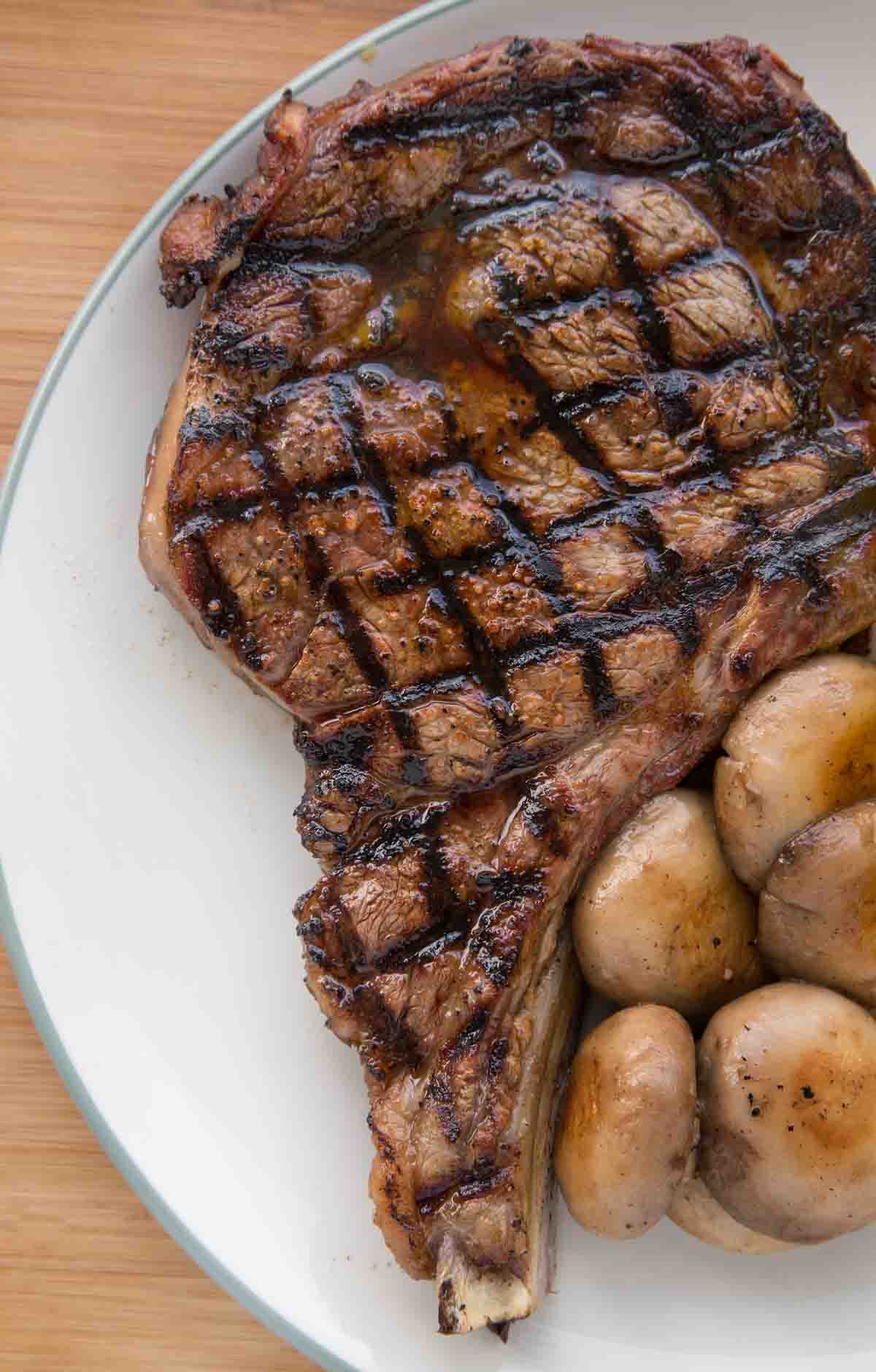
Credit: www.askchefdennis.com
Frequently Asked Questions
How Long Should I Grill Ribeye On A Gas Grill?
Grill ribeye steaks for 4-6 minutes per side over high heat. This ensures a medium-rare to medium doneness. Adjust time based on steak thickness and desired doneness.
What Temperature Is Ideal For Grilling Ribeye?
Preheat your gas grill to 450°F to 500°F for ribeye steaks. High heat sears the outside while keeping the inside juicy and tender.
Should I Marinate Ribeye Before Grilling?
Marinating is optional for ribeye since it’s naturally flavorful. Use a simple seasoning of salt and pepper to enhance the beef’s taste without overpowering it.
How Do I Prevent Ribeye From Sticking To The Grill?
Oil the grill grates and lightly brush the steak with oil. This prevents sticking and helps achieve perfect grill marks on the ribeye.
Conclusion
Grilling a ribeye on a gas grill can be simple and fun. Start with good meat and keep the grill hot. Watch the time closely to avoid overcooking. Let the steak rest before cutting for juicy results. Try different seasonings to find your favorite taste.
Enjoy your delicious ribeye with friends or family. Practice often to improve your grilling skills. Great steaks bring great moments. Keep grilling and enjoy every bite.