Grilling the perfect rib eye steak on a gas grill might seem tricky, but it doesn’t have to be. Imagine biting into a juicy, tender steak with those beautiful grill marks that make your mouth water instantly.
You’re just a few simple steps away from turning your gas grill into a steakhouse right in your backyard. Whether you’re a beginner or looking to sharpen your skills, this guide will show you exactly how to get that rich, smoky flavor and perfect sear every time.
Ready to impress yourself and your guests? Let’s dive in and master the art of grilling rib eye steaks on your gas grill.

Credit: www.mychicagosteak.com
Choosing The Right Rib Eye Steak
Choosing the right rib eye steak sets the foundation for a perfect grilling experience. Your steak’s quality affects flavor, tenderness, and juiciness. Before you fire up your gas grill, spend some time picking the best cut to make every bite memorable.
Marbling And Thickness
Look closely at the marbling—the thin streaks of fat running through the meat. More marbling means richer flavor and better juiciness when grilled. A steak about 1 to 1.5 inches thick cooks evenly and stays tender, giving you more control over doneness.
Have you noticed how a well-marbled steak almost melts in your mouth? That’s the fat breaking down during cooking, so don’t shy away from fat—it’s your friend here.
Fresh Vs. Frozen
Fresh rib eye steaks often deliver better texture and taste compared to frozen ones. Freezing can cause moisture loss, which may dry out your steak on the grill. If you do buy frozen, thaw it slowly in the fridge to keep the juices locked in.
Think about your last meal—did the steak feel dry or juicy? Freshness plays a big role in that experience.
Selecting Quality Cuts
Choose steaks with a bright red color and firm texture. Avoid cuts with dark spots or excessive liquid in the packaging, as these can signal aging or poor handling. Ask your butcher for USDA Choice or Prime grades to ensure top quality.
- Check for uniform thickness to promote even cooking
- Opt for bone-in rib eyes if you want extra flavor from the marrow
- Smell the meat; it should have a clean, fresh scent without any off odors
Your grill deserves the best. How will you select your steak next time you shop?
Preparing The Steak
Preparing the rib eye steak properly sets the stage for a delicious grilled meal. The right preparation helps the steak cook evenly and enhances its natural flavors. It also ensures the texture stays tender and juicy.
Bringing To Room Temperature
Remove the rib eye steak from the refrigerator about 30 to 45 minutes before grilling. Let it sit covered on the counter. This step helps the steak cook evenly from edge to center. Cold meat can cook unevenly, leaving the inside undercooked and the outside overdone.
Seasoning Tips
Seasoning the steak simply works best. Use kosher salt and freshly ground black pepper for a classic taste. Sprinkle both sides evenly just before grilling. Avoid over-seasoning to keep the natural beef flavor. Pat the steak dry with a paper towel before seasoning to create a nice crust.
Using Marinades Or Dry Rubs
Marinades add moisture and flavor but use them sparingly on rib eye. Choose marinades with oil, acid like vinegar or lemon juice, and herbs. Let the steak marinate for 30 minutes to 2 hours.
Dry rubs are a great alternative. Mix spices such as garlic powder, paprika, and cayenne pepper. Rub the mixture gently over the steak surface. Dry rubs create a flavorful crust without adding moisture.
Setting Up The Gas Grill
Getting your gas grill ready is the foundation of a perfectly grilled rib eye steak. A well-prepared grill controls heat and prevents sticking, which directly affects the flavor and texture of your steak. Setting up your grill right means less stress and better results every time you cook.
Preheating The Grill
Preheating is essential for a good sear on your rib eye. Turn your gas grill on high and close the lid for 10 to 15 minutes. This heats the grates evenly and reaches the ideal temperature for grilling.
If your grill isn’t hot enough, the steak will stick and cook unevenly. Have you noticed how a properly preheated grill creates those perfect grill marks? That’s the heat doing its job.
Temperature Zones
Create different temperature zones on your grill to control cooking speed and doneness. Leave one side on high heat and the other on medium or low heat.
This setup lets you sear the steak over high heat and then move it to a cooler zone to finish cooking without burning. It’s like having a two-stage cooking process right on your grill.
- High heat zone:450-500°F for searing
- Medium heat zone:300-350°F for finishing
Cleaning And Oil Application
Cleaning the grill grates before cooking removes leftover food and prevents sticking. Use a grill brush to scrape off residue while the grill is still warm.
After cleaning, lightly oil the grates using a paper towel dipped in cooking oil. This step forms a non-stick surface and helps achieve those beautiful grill marks on your rib eye.
Have you ever had your steak stick to the grill and tear? Proper cleaning and oiling can stop that frustration before it starts.
Grilling Techniques For Rib Eye
Grill rib eye steaks over high heat for a few minutes on each side to seal in juices. Let the meat rest before slicing to keep it tender and flavorful. Use direct heat for searing and indirect heat to cook through evenly.
Grilling Techniques for Rib Eye Grilling rib eye steaks on a gas grill can be a rewarding experience. The right techniques bring out the meat's rich flavors. Each step in the process is crucial. Let's explore some key methods to perfect your rib eye steak.
Searing The Steak
Start by preheating the grill to high. Searing locks in the juices and adds a tasty crust. Place the rib eye on the hot grill. Keep it undisturbed for about 2-3 minutes. This creates a beautiful sear on the surface.
Flipping And Timing
Flip the steak with tongs, not a fork. Piercing the meat lets juices escape. Cook for another 2-3 minutes on the other side. Use a meat thermometer to check the temperature. Aim for medium-rare at 135°F or 57°C. Adjust time based on your preference.
Achieving Grill Marks
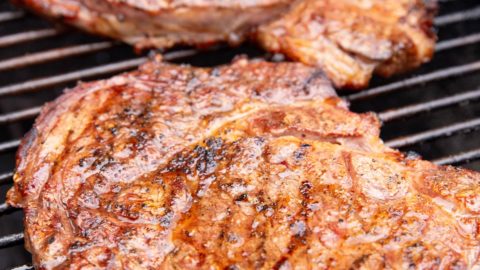
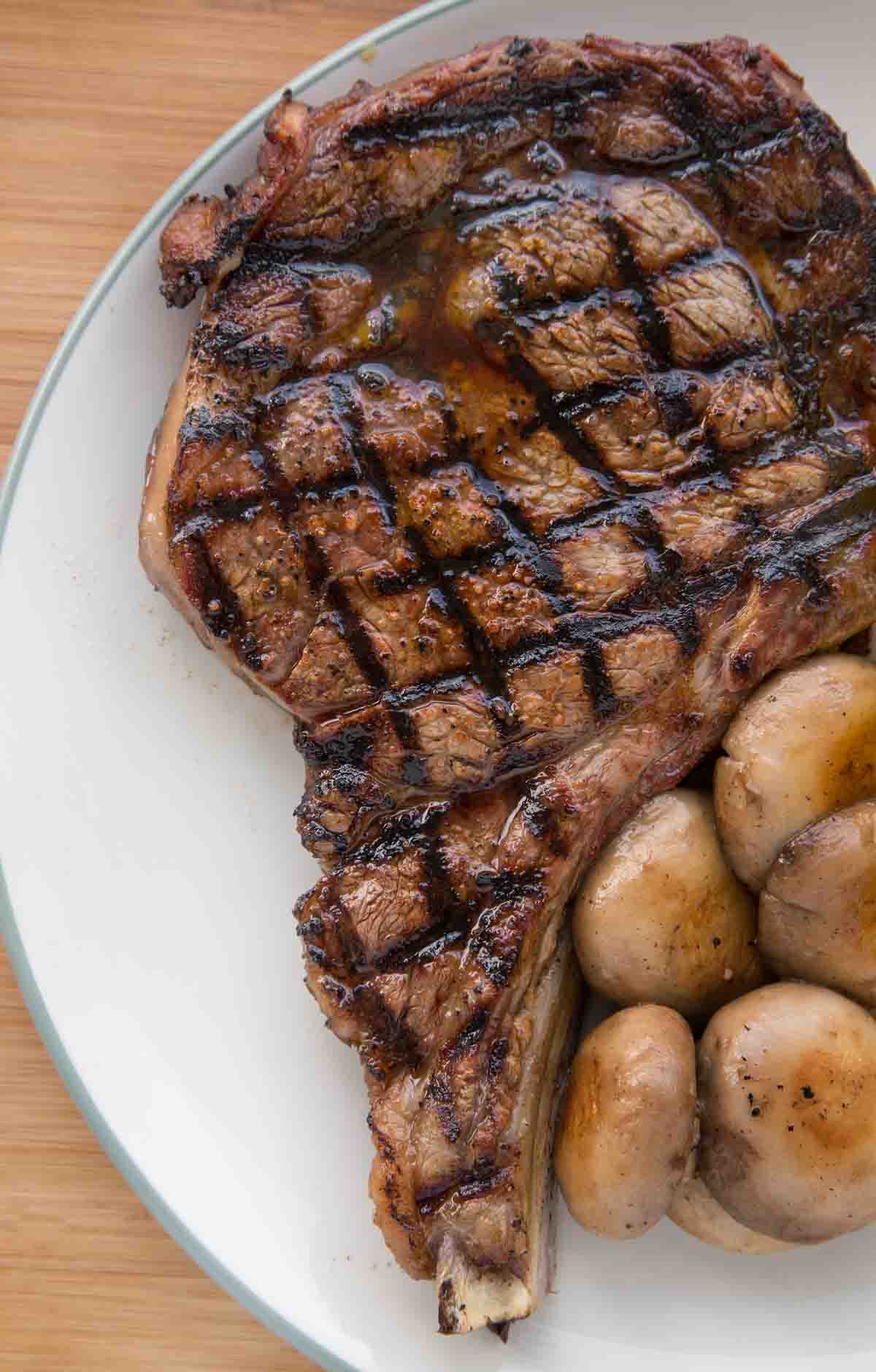
Grill marks add visual appeal to your steak. To get them, rotate the steak 90 degrees halfway through searing. Do the same after flipping. This crosshatch pattern is simple yet impressive. Serve the steak with pride and enjoy every bite.
Checking Doneness
Checking the doneness of your rib eye steak is crucial to achieve the perfect bite every time. Overcooking can dry out the meat, while undercooking might leave you wanting more flavor. Knowing exactly when to pull your steak off the grill takes practice, but a few reliable techniques can help you nail it consistently.
Using A Meat Thermometer
A meat thermometer takes the guesswork out of grilling rib eye steaks. Insert the probe into the thickest part of the steak, avoiding bone or fat for the most accurate reading.
- Rare: 120-125°F (49-52°C)
- Medium-rare: 130-135°F (54-57°C)
- Medium: 140-145°F (60-63°C)
- Medium-well: 150-155°F (66-68°C)
- Well done: 160°F+ (71°C+)
I once underestimated the power of a good thermometer and ended up with a steak that was tough and dry. Since then, I never grill without one—it’s the best way to hit your preferred doneness every time.
Touch Test Method
If you don’t have a thermometer handy, the touch test can be a handy skill. It’s based on comparing the firmness of the steak to different parts of your hand.
- Soft like the fleshy area below your thumb when your hand is relaxed means rare.
- Press your thumb to your middle finger—firmer, like medium-rare.
- Thumb to ring finger gives a medium feel, and thumb to pinky is closer to well done.
It takes some practice to trust this method, but it’s surprisingly effective once you get the feel of it. Have you tried this with your steaks yet?
Resting Time For Juicy Results
Resting your steak after grilling is just as important as the cooking itself. Let your rib eye sit for at least 5 minutes before slicing.
This pause lets the juices redistribute inside the meat, making every bite tender and flavorful. Cutting too soon can cause the juices to spill out, leaving your steak dry.
Try wrapping the steak loosely in foil during this time to keep it warm without overcooking. How long do you usually let your steaks rest before digging in?
Serving Suggestions
Serving a perfectly grilled rib eye steak is as important as cooking it right. How you slice, present, and pair the steak elevates the entire meal. Thoughtful serving suggestions make the dining experience richer and more enjoyable.
Slicing And Presentation
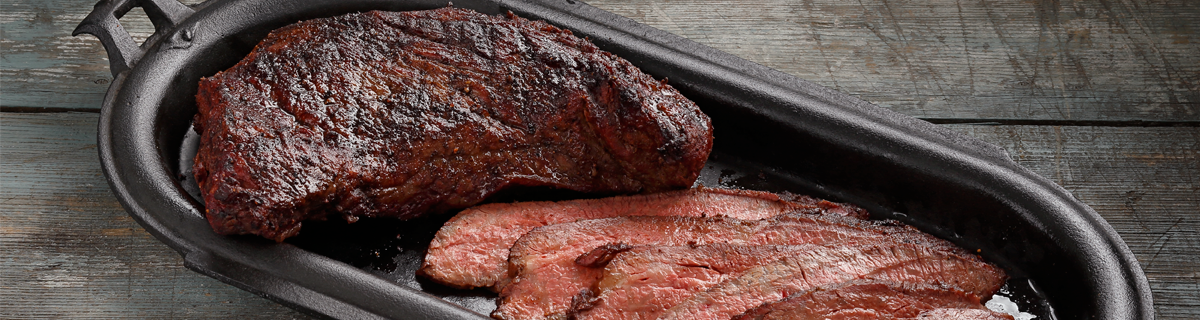
Rest the rib eye steak for 5-10 minutes after grilling. This keeps the juices inside the meat. Slice the steak against the grain for tender bites. Use a sharp knife to make clean cuts. Arrange the slices neatly on a warm plate. Garnish with fresh herbs like rosemary or thyme for color and aroma.
Complementary Sides
- Grilled vegetables such as asparagus, bell peppers, or zucchini
- Classic baked potatoes or garlic mashed potatoes
- Fresh garden salad with a light vinaigrette
- Roasted mushrooms or sautéed spinach for a rich flavor
- Crusty bread or dinner rolls to soak up steak juices
Sauces And Toppings
Offer sauces to enhance the steak’s flavor. Classic choices include:
- Garlic butter for a rich and creamy touch
- Chimichurri sauce for a fresh, herby kick
- Steak sauce or peppercorn sauce for bold taste
- Sautéed onions or mushrooms as savory toppings
- Blue cheese crumbles for a tangy finish
Common Mistakes To Avoid
Grilling rib eye steaks on a gas grill can be simple, but many cooks stumble over avoidable errors. These mistakes can turn a juicy, flavorful steak into a dry or bland disappointment. Knowing what to watch out for helps you enjoy every bite exactly as you want it.
Overcooking
One of the biggest pitfalls is overcooking. Rib eye steaks are best enjoyed medium-rare to medium, where the fat melts and the meat stays tender. Leaving the steak on the grill too long can dry it out and toughen the texture.
Use a meat thermometer to check the internal temperature—130°F to 135°F for medium-rare. Don’t rely solely on timing; every grill heats differently. Have you ever bitten into a steak only to find it chewy and dry? That’s usually overcooking at play.
Underseasoning
Many people underestimate the power of seasoning. A rib eye has great natural flavor, but it needs salt and pepper to really shine. Applying seasoning just before grilling helps create a tasty crust.
Don’t be shy—generously season both sides. If you season too lightly, the steak can taste flat and dull. Have you ever had a steak that felt like it was missing something? That’s often a seasoning issue.
Neglecting Rest Period
After grilling, rushing to cut into your steak is a common mistake. Resting allows the juices to redistribute throughout the meat, making each bite juicy and flavorful. Skipping this step means juices spill out on the plate, leaving the steak dry.
Let your rib eye rest for about 5 to 10 minutes covered loosely with foil. This short wait makes a big difference. What’s the point of grilling a perfect steak if the juices run away the moment you cut it?
Credit: www.theroastedroot.net
Credit: www.askchefdennis.com
Frequently Asked Questions
How Long To Grill Rib Eye Steak On A Gas Grill?
Grill rib eye steaks for 4-6 minutes per side. Cook times vary with steak thickness and desired doneness. Use a meat thermometer for accuracy.
What Gas Grill Temperature Is Best For Rib Eye?
Set your gas grill to medium-high heat, around 450°F (232°C). This temperature sears the steak well while keeping it juicy inside.
Should Rib Eye Be Marinated Before Grilling?
Marinating rib eye is optional. It enhances flavor but can mask the natural beef taste. Season with salt and pepper for best results.
How To Check Rib Eye Steak Doneness On Grill?
Use a meat thermometer: 130°F for medium-rare, 140°F for medium. Alternatively, use the finger test for firmness to gauge doneness.
Conclusion
Grilling rib eye steaks on a gas grill is simple and fun. Start with good meat and heat the grill well. Cook each side just right for juicy, tasty results. Let the steak rest before cutting to keep flavors inside.
Serve with your favorite sides and enjoy a great meal. Practice makes perfect, so keep grilling often. You’ll soon impress family and friends with your skills. Happy grilling!