Grilling the perfect rib eye steak on your gas grill can turn any meal into a special occasion. You want that juicy, flavorful bite with beautiful grill marks every time.
But getting it just right isn’t always easy. What if you could master the technique that makes your steak tender, smoky, and mouthwatering without guesswork? Keep reading, because you’re about to discover simple, proven steps that will take your grilling skills up a notch and impress everyone at your next cookout.
Your best rib eye steak starts here.
Choosing The Right Rib Eye Steak
Choosing the right rib eye steak sets the stage for a perfect grilling experience. The quality and cut of the meat affect taste, tenderness, and cooking time. Picking the best steak helps achieve juicy, flavorful results on your gas grill.
Marbling And Thickness
Marbling means the white fat streaks inside the meat. More marbling adds flavor and keeps the steak juicy during grilling. Look for steaks with even, fine marbling throughout the meat.
Thickness matters too. A steak about 1 to 1.5 inches thick cooks evenly and stays tender. Thin steaks may dry out quickly on a hot grill. Thick cuts need more time but give a better sear and juicy center.
Fresh Vs. Frozen
Fresh rib eye steaks often taste better and cook more evenly. They retain natural juices and have a tender texture. Buy fresh meat from a trusted butcher or store.
Frozen steaks can work but thaw them slowly in the fridge for best results. Avoid cooking steaks straight from the freezer to prevent uneven cooking. Proper thawing keeps the meat tender and helps with grilling control.
Preparing The Steak
Preparing your rib eye steak correctly sets the stage for a perfect grilling experience. It's not just about slapping the meat on the grill; the way you treat the steak before cooking greatly influences the final flavor and texture. Paying attention to seasoning and temperature can make a huge difference in how juicy and tasty your steak turns out.
Seasoning Tips
Keep your seasoning simple to highlight the rich flavors of the rib eye. A generous sprinkle of coarse salt and freshly ground black pepper works wonders. Don’t be shy—season both sides evenly to create a flavorful crust during grilling.
Some people like to add garlic powder or smoked paprika for a subtle twist. If you want to experiment, try a light brush of olive oil before seasoning to help the spices stick better. Remember, less is often more; too many spices can overpower the natural taste of the steak.
Bringing To Room Temperature
Take your steak out of the fridge about 30 to 60 minutes before grilling. This step helps the meat cook more evenly. Cold steak straight from the fridge can result in a burnt outside and undercooked inside.
Leaving it at room temperature allows the fibers to relax, giving you a tender bite every time. Have you noticed how steaks cooked from chilled meat can be tough? Avoid that by giving your rib eye this simple extra time.
Setting Up The Gas Grill
Setting up your gas grill correctly is key to cooking a perfect rib eye steak. A well-prepared grill creates the right heat and cooking environment. This helps the steak cook evenly and develop a tasty crust.
Before placing the steak on the grill, you need to prepare the grill carefully. This includes preheating and creating temperature zones. Both steps ensure control over the cooking process and help avoid burning or undercooking the meat.
Preheating The Grill
Turn on your gas grill and set the burners to high. Close the lid and let it heat for 10 to 15 minutes. This will make the grill surface very hot. A hot grill sears the steak, locking in juices and flavor.
Check that the grill grates are clean before heating. Use a grill brush to remove any leftover residue. Clean grates prevent sticking and give better grill marks on the steak.
Temperature Zones
Create two temperature zones on your grill: one for direct heat and one for indirect heat. Turn one burner to high for direct heat. Leave the other burners on low or off to create an indirect heat zone.
This setup lets you sear the steak over high heat, then move it to a cooler spot to finish cooking. It helps cook the rib eye evenly without burning the outside.
- Direct heat zone: high temperature for searing
- Indirect heat zone: lower temperature for gentle cooking
Use a grill thermometer to check the temperature. Aim for about 450°F (232°C) in the direct zone. The indirect zone should be around 300°F (149°C). This balance cooks the steak perfectly from outside to inside.

Credit: www.thekitchn.com
Grilling Techniques
Grilling a rib eye steak on a gas grill delivers juicy and flavorful results. Preheat the grill, season the steak, and cook for a few minutes on each side. Let the steak rest before serving for optimal taste.
Grilling Techniques Grilling a rib eye steak to perfection on a gas grill is an art. Mastering the right techniques can transform your meal into a memorable experience. Let's explore some key methods to elevate your grilling game.
Searing The Steak
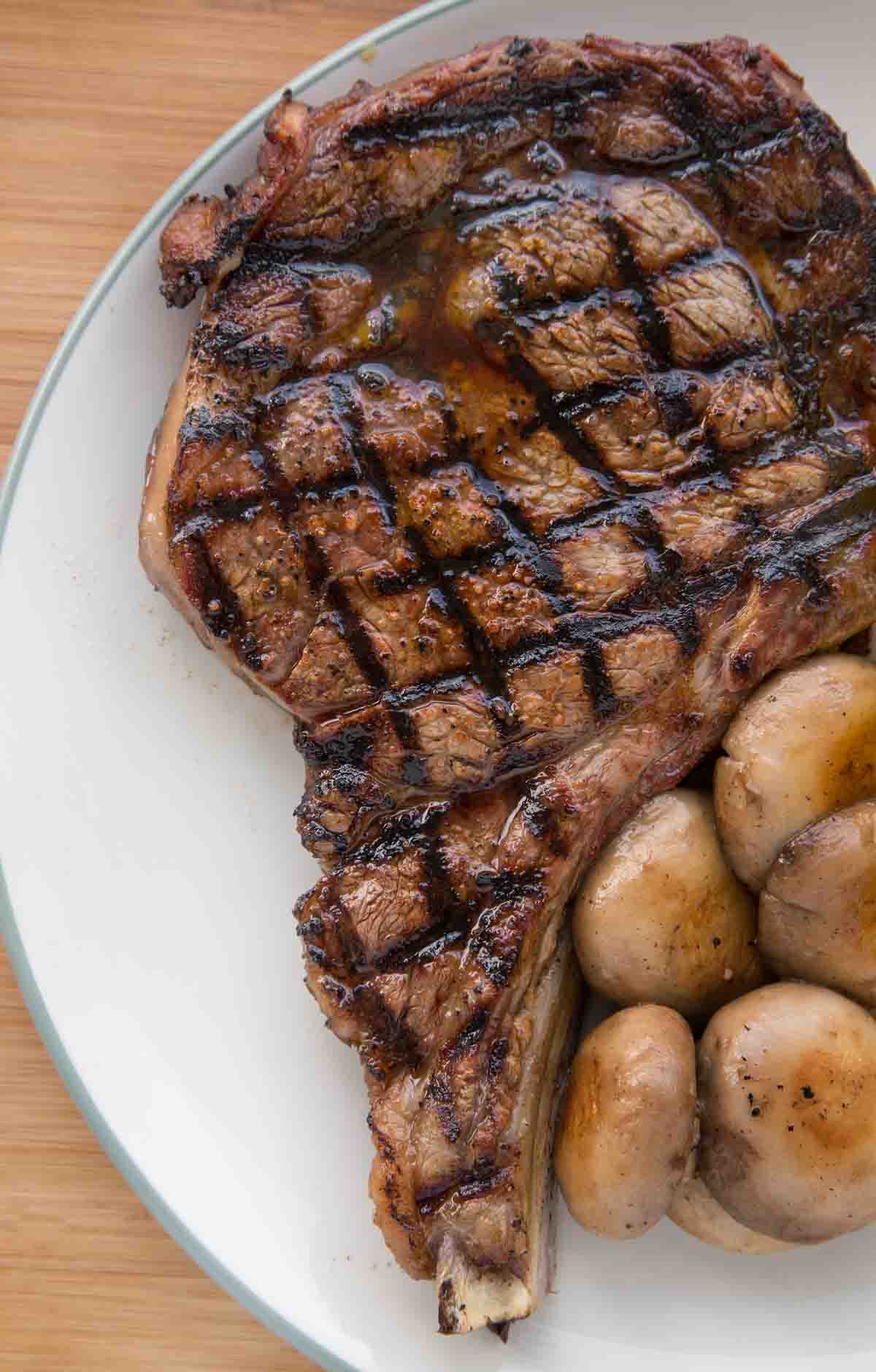
Start by preheating your grill to a high temperature. This is crucial because a hot grill creates a beautiful crust on the steak, locking in the juices. Place the rib eye directly over the flames, and listen for that satisfying sizzle. Make sure to resist the temptation to flip too soon. Allow the steak to sear for about 3-4 minutes on each side. You want those grill marks to be dark and defined.
Using Direct And Indirect Heat
Once your steak has a nice sear, it's time to move it to indirect heat. This technique ensures that your steak cooks evenly without burning the outside. Turn one side of your grill to a lower temperature and transfer the steak there. Close the grill lid to create an oven-like environment. This allows the steak to cook through to your desired level of doneness without drying out.
Timing For Desired Doneness
Timing is everything when aiming for the perfect doneness. Use a meat thermometer to check the internal temperature for accuracy. Here's a simple guide:
- Rare: 125°F
- Medium Rare: 135°F
- Medium: 145°F
- Medium Well: 150°F
- Well Done: 160°F
Keep in mind, the steak will continue to cook slightly after being removed from the grill. Let it rest for a few minutes to allow the juices to redistribute. This simple step can make a significant difference in taste and texture. As you embrace these techniques, remember that practice makes perfect. Each grilling session is an opportunity to refine your skills and impress your guests. So, are you ready to fire up that grill and achieve steak perfection?
Checking Steak Doneness
Checking the doneness of your rib eye steak is key to a perfect meal. Overcooking can dry it out, while undercooking may leave it too raw. Knowing how to test doneness helps you serve juicy and flavorful steak every time. Two popular ways to check are using a meat thermometer and the touch test method.
Using A Meat Thermometer
A meat thermometer is the most accurate way to check steak doneness. Insert the thermometer into the thickest part of the steak. Avoid touching bone or fat for a correct reading.
- Rare: 120-125°F (49-52°C)
- Medium Rare: 130-135°F (54-57°C)
- Medium: 140-145°F (60-63°C)
- Medium Well: 150-155°F (65-68°C)
- Well Done: 160°F+ (71°C+)
Remove the steak from the grill a few degrees before your target temperature. The steak will continue to cook slightly after resting.
Touch Test Method
The touch test uses the firmness of the steak to estimate doneness. It takes practice but works well without tools.
- Rare: Feels soft, like the flesh under your thumb when relaxed.
- Medium Rare: Slightly firmer, like touching your thumb to your index finger.
- Medium: Firmer still, like thumb touching your middle finger.
- Well Done: Very firm, like thumb touching your pinky finger.
Press the steak gently with your finger to check firmness. Compare the feel to your hand to judge doneness.

Credit: girlscangrill.com
Resting The Steak
Resting the rib eye steak after grilling is a crucial step. It lets the juices settle inside the meat. This makes the steak juicy and tender. Skipping this step causes the juices to escape. The steak ends up dry and less flavorful. Resting also helps the temperature even out throughout the meat.
Why Resting Matters
During grilling, heat pushes the juices to the steak's center. Cutting the steak too soon causes these juices to spill out. Resting keeps the juices inside the meat. This results in a moist and tasty steak.
Resting also allows the muscle fibers to relax. This makes the steak easier to chew. A rested steak has better texture and taste.
Optimal Resting Time
Rest the rib eye steak for about 5 to 10 minutes. This time is enough for the juices to redistribute. Cover the steak loosely with foil to keep it warm.
Resting too long can cool the steak down. Resting too short means juices may still run out. Aim for this sweet spot to enjoy a perfect rib eye.
Serving Suggestions
Serving a perfectly grilled rib eye steak is about more than just the meat. The right sauces and sides can enhance the flavor and create a full meal experience. Thoughtful pairings bring out the steak’s rich taste and satisfy every palate.
Complementary Sauces
- Classic chimichurri adds a fresh, herby kick to the steak.
- A creamy peppercorn sauce offers a smooth, spicy contrast.
- Garlic butter melts over the hot steak for rich flavor.
- Béarnaise sauce gives a tangy, buttery finish perfect for rib eye.
- Barbecue sauce provides a sweet and smoky layer of taste.
Side Dishes To Pair
- Grilled asparagus brings a crisp, smoky bite.
- Roasted garlic mashed potatoes add creamy comfort.
- Caesar salad offers a crunchy, fresh balance.
- Sauteed mushrooms complement the steak’s earthy flavors.
- Sweet corn on the cob gives a juicy, sweet touch.
Common Mistakes To Avoid
Grilling rib eye steak on a gas grill can be simple and rewarding. Avoiding common mistakes helps ensure juicy and flavorful results. Many beginners overcook the steak or skip resting it. These errors affect texture and taste. Learn what to watch out for during grilling.
Overcooking
Overcooking rib eye steak makes it tough and dry. Gas grills heat fast, so watch the time closely. Use a meat thermometer to check doneness. Aim for medium-rare or medium for best flavor. Pull the steak off the grill just before the target temperature. Carryover heat will finish cooking.
Skipping Rest Period
Resting steak after grilling is crucial. Skipping this step causes juices to escape when cutting. Let the steak rest for 5 to 10 minutes on a plate. Cover loosely with foil to keep warm. This allows juices to redistribute inside the meat. The steak stays moist and tender.
Credit: www.askchefdennis.com
Frequently Asked Questions
How Long To Grill Rib Eye Steak On Gas Grill?
Grill rib eye steak for 4-6 minutes per side over high heat. Use a meat thermometer to check doneness. Medium-rare is 130-135°F, medium is 140-145°F. Rest the steak for 5 minutes before serving to retain juices.
What Temperature To Set Gas Grill For Rib Eye?
Preheat your gas grill to high heat, about 450-500°F. This temperature sears the steak, creating a flavorful crust. Lower heat can be used for thicker cuts after searing to cook evenly without burning.
Should Rib Eye Steak Be Marinated Before Grilling?
Marinating rib eye is optional since it’s naturally tender and flavorful. A simple seasoning of salt, pepper, and olive oil enhances taste. Marinate only if desired, but avoid overpowering the steak’s rich beef flavor.
How To Prevent Rib Eye Steak From Sticking To Grill?
To prevent sticking, clean the grill grates thoroughly before cooking. Oil the grates or brush the steak lightly with oil. Ensure the grill is preheated well; placing the steak on a hot grill creates a natural non-stick surface.
Conclusion
Grilling rib eye steak on a gas grill is simple and rewarding. Start with good meat and a hot grill. Watch the steak closely to get the perfect sear. Let the meat rest before cutting to keep it juicy. Use basic tools and follow the steps carefully.
Enjoy the rich flavor and tender texture every time. Practice makes grilling easier and more fun. Try different seasonings to find your favorite taste. A great steak can make any meal special. Keep grilling and enjoy your delicious rib eye steaks.