If you want to master the art of grilling pork spare ribs on your gas grill, you’re in the right place. Imagine biting into ribs that are tender, juicy, and packed with smoky flavor—right from your own backyard.
You don’t need to be a grill expert or spend hours slaving over the fire. With the right tips and techniques, you can turn your gas grill into a rib-cooking powerhouse. Keep reading, and you’ll learn exactly how to get those perfect ribs every time, impress your family and friends, and enjoy a delicious meal that’s worth every bite.
Preparing Pork Spare Ribs
Preparing pork spare ribs properly sets the stage for tender, flavorful results on the grill. Each step matters to ensure the ribs cook evenly and absorb the seasoning well. The right preparation helps avoid common pitfalls like toughness or uneven cooking.
Focus on selecting the best ribs, trimming excess fat, and removing the membrane. These tasks improve texture and taste. Proper preparation also allows the smoke and heat to penetrate the meat better.
Choosing The Right Ribs
Look for ribs with good meat coverage and a fresh pink color. Avoid ribs with a gray or dry appearance. Spare ribs are larger and meatier than baby back ribs. They have more fat, which adds flavor during grilling.
Choose ribs with a consistent thickness. This helps them cook evenly. Check the packaging date for freshness. Fresh ribs give a better grilling experience.
Trimming And Cleaning
Remove excess fat from the ribs. Too much fat can cause flare-ups on the grill. Trim any loose pieces of meat or silver skin. These parts can burn or dry out during cooking.
Pat the ribs dry with paper towels. Dry ribs hold the rub and smoke better. Clean ribs also prevent unwanted steam during grilling.
Removing The Membrane
The membrane is a thin, tough layer on the back of the ribs. It blocks smoke and seasoning from entering the meat. Removing it results in more tender ribs.
- Slide a knife under the membrane at one end.
- Lift and loosen the membrane carefully.
- Grab it with a paper towel for better grip.
- Pull it off gently in one piece.
If the membrane tears, remove as much as possible. This simple step improves texture and flavor.
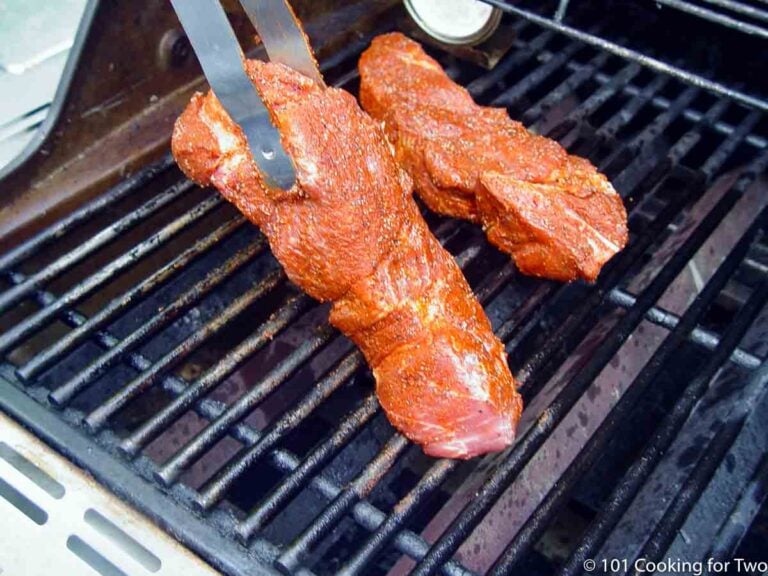
Credit: www.101cookingfortwo.com
Seasoning And Marinades
Seasoning and marinades give pork spare ribs their rich flavor and juicy texture. Proper seasoning helps the meat absorb spices deeply. Marinades add moisture and tenderize the ribs before grilling. Combining both methods can create a delicious balance of taste and tenderness.
Dry Rub Recipes
Dry rubs are simple mixtures of spices and herbs. They form a flavorful crust on the ribs while grilling.
- Brown sugar for sweetness and caramelization
- Paprika for smoky color and mild heat
- Garlic powder for a savory boost
- Onion powder to add depth
- Salt to enhance all flavors
- Black pepper for a mild kick
- Cayenne pepper for extra spice (optional)
Mix the ingredients well. Adjust amounts based on taste preferences.
Marinade Options
Marinades soak into the ribs, making them tender and juicy. Use acidic ingredients to break down the meat fibers.
- Apple cider vinegar with honey and soy sauce
- Orange juice with garlic and chili flakes
- Worcestershire sauce with mustard and brown sugar
- Olive oil with lemon juice and herbs
Marinate ribs for at least 2 hours or overnight for best results.
Applying Seasonings
Pat ribs dry before seasoning to help spices stick. Rub dry spice mix evenly over the entire surface.
For marinades, place ribs in a sealed bag or container. Pour marinade over ribs and turn to coat fully.
Let ribs rest at room temperature for 30 minutes before grilling. This step helps flavors penetrate the meat.
Setting Up The Gas Grill
Setting up the gas grill correctly is key for tender and juicy pork spare ribs. Proper setup allows even cooking and great flavor. It helps avoid burning or undercooking the ribs. Follow these simple steps to prepare your gas grill before grilling.
Two-zone Cooking Method
Create two heat zones on the grill. Turn on one side to medium heat. Leave the other side off or very low. This setup lets you cook ribs slowly over indirect heat. It also allows quick searing on direct heat if needed. Place ribs on the cooler side first. Move them to the hot side briefly to finish.
Preheating Tips
Preheat the gas grill for 10 to 15 minutes. Close the lid while heating. This helps reach a steady temperature. A well-preheated grill prevents sticking and cooks ribs evenly. Aim for about 250°F to 275°F for spare ribs. Use a grill thermometer to check heat levels.
Managing Grill Temperature
Keep an eye on the grill temperature throughout cooking. Adjust burners to keep steady heat. Avoid large temperature spikes that burn ribs outside. Use the lid to control airflow and temperature. Open the lid less to keep heat stable. Add wood chips for smoky flavor but don’t overdo it.
Grilling Techniques For Tender Ribs
Grill pork spare ribs slowly over low heat to keep them tender and juicy. Use indirect heat and turn ribs often to cook evenly without burning. Basting with sauce in the final minutes adds flavor without drying the meat.
Grilling Techniques for Tender Ribs Grilling pork spare ribs to perfection on a gas grill is both an art and a science. The secret lies in mastering a few essential techniques that ensure your ribs are tender and full of flavor. Let's dive into some proven methods that will make your next barbecue a mouthwatering success.
Indirect Grilling Process
Using indirect heat is crucial for cooking ribs slowly and evenly. Set your gas grill up for indirect grilling by turning on only one side of the burners. Place the ribs on the cooler side of the grill, away from direct flames. This method prevents the ribs from burning and allows them to cook evenly. You can maintain a temperature of around 250°F, which is ideal for tenderizing the meat. Monitor the temperature with a grill thermometer to ensure consistency.
Using Foil Wraps
Wrapping ribs in foil can significantly enhance their tenderness. After a couple of hours on the grill, wrap the ribs tightly in aluminum foil. This traps moisture and heat, steaming the ribs to perfection. Add a splash of apple juice or cider vinegar to the foil packet for extra flavor. Keep the ribs wrapped for about an hour, then unwrap them for the final grilling stage. This technique ensures they remain juicy while developing a nice crust.
Basting And Adding Sauce
Basting ribs keeps them moist and adds layers of flavor. Use a brush to apply your favorite marinade or basting sauce every 30 minutes. This will help build a delicious glaze as the ribs cook. If you prefer a sticky, caramelized finish, add your barbecue sauce during the last 15-20 minutes of grilling. Be cautious not to add sauce too early, as it can burn due to its sugar content. Experiment with different sauces to find the perfect match for your taste buds. By mastering these simple yet effective techniques, you can transform your gas grill into a rib-cooking powerhouse. What unique flavors will you bring to your next barbecue?
Finishing Touches
Finishing your pork spare ribs on a gas grill is where all your hard work pays off. This stage is key to locking in flavors and textures that make ribs truly unforgettable. Small adjustments here can turn good ribs into something spectacular.
Achieving Perfect Caramelization
To get that irresistible caramelized crust, increase the grill heat slightly near the end. Brush your ribs lightly with a sauce or glaze that has a bit of sugar or honey; this helps create a shiny, sticky finish.
Keep a close eye to avoid burning. Caramelization happens quickly, so flip the ribs every couple of minutes. Have you noticed how a slight char adds a smoky depth that balances the sweetness perfectly?
Resting The Ribs
Once off the grill, let your ribs rest for about 10 to 15 minutes. This helps the juices redistribute, making every bite moist and tender.
Cover them loosely with foil to keep warm without steaming. Have you ever eaten ribs right away only to find them dry? Resting solves that problem every time.
Serving Suggestions
Think about pairing your ribs with sides that complement their rich flavor. Classic coleslaw or grilled corn add freshness and crunch.
- Try a tangy barbecue sauce on the side for dipping.
- Serve with pickles to cut through the richness.
- Offer a simple potato salad for a hearty touch.
What’s your favorite way to serve ribs that makes the meal memorable? Experimenting with sides can turn your grilling session into a full culinary experience.

Credit: food52.com
Troubleshooting Common Issues
Grilling pork spare ribs on a gas grill can sometimes come with its share of challenges. Whether it’s ribs turning out dry, flare-ups causing burnt spots, or cooking times not matching your expectations, these issues can derail your grilling experience. Understanding how to troubleshoot these common problems helps you stay in control and ensures your ribs come out juicy and flavorful every time.
Avoiding Dry Ribs
Dry ribs are a common frustration, but they often result from cooking at too high a temperature or for too long. Keep your grill temperature steady around 225°F to 250°F to allow the ribs to cook slowly and stay moist. Wrapping your ribs in foil halfway through cooking helps trap moisture and tenderize the meat.
Have you tried spritzing your ribs with apple juice or a mix of water and vinegar every 30 minutes? This simple step adds moisture and enhances flavor. Also, don’t rush the resting period—letting ribs rest for 10-15 minutes after grilling allows juices to redistribute.
Dealing With Flare-ups
Flare-ups can char your ribs and create uneven cooking. They often happen when fat drips onto the flame, causing sudden bursts of fire. Keep a spray bottle filled with water nearby to quickly douse small flare-ups without lowering the grill temperature too much.
Adjust your grill setup to create indirect heat zones by turning off burners directly under the ribs. This helps reduce flare-ups and gives you better control over the cooking process. Remember, patience during flare-ups prevents the frustration of burnt spots ruining your hard work.
Adjusting Cooking Time
Cooking times can vary depending on the thickness of your ribs, grill model, and even outside temperature. If your ribs are thinner or your grill runs hotter, shorten the cooking time to prevent drying out. Conversely, thicker ribs or cooler weather may require more time to become tender.
Use a meat thermometer to check for doneness—aim for an internal temperature of about 190°F to 203°F for tender ribs. Don’t rely solely on the clock; feel the ribs for flexibility and check if the meat pulls away easily from the bone.

Credit: www.thepioneerwoman.com
Frequently Asked Questions
How Long To Grill Pork Spare Ribs On Gas Grill?
Grill pork spare ribs for about 1. 5 to 2 hours on low heat. Maintain a temperature around 225°F to 250°F for tender, juicy ribs. Use indirect heat to avoid burning and ensure even cooking.
Should I Marinate Ribs Before Grilling?
Yes, marinate ribs for at least 2 hours or overnight. Marinating adds flavor and helps tenderize the meat. Use a mix of spices, acids, and oils for best results.
What Temperature Is Ideal For Grilling Spare Ribs?
Keep your gas grill temperature between 225°F and 250°F. This low and slow heat cooks ribs evenly and preserves moisture. Avoid high heat to prevent drying out or charring the meat.
How To Tell When Pork Ribs Are Done?
Ribs are done when meat pulls back from bones and reaches 190°F to 203°F. They should feel tender but not fall apart completely. Use a meat thermometer for accuracy.
Conclusion
Grilling pork spare ribs on a gas grill is simple and fun. Start with good ribs and the right heat. Keep the grill steady and watch the time. Use your favorite spices for great taste. Let the ribs rest before serving.
Enjoy juicy, tender ribs every time. Practice makes perfect, so keep grilling. Your friends and family will love your cooking. Try different sauces to find your best flavor. Grilling brings people together around great food.