Are you ready to master the art of grilling pork ribs on your gas grill? Imagine biting into juicy, tender ribs with a perfect smoky flavor, all cooked right in your backyard.
Whether you’re a beginner or have tried before without great results, this guide will show you exactly how to get mouthwatering ribs every time. Stick with me, and you’ll discover simple steps, expert tips, and tricks that will make your ribs the star of any barbecue.
Let’s get started and turn your gas grill into a rib-cooking powerhouse!

Credit: www.thepioneerwoman.com
Choosing The Right Ribs
Choosing the right ribs is key to great grilled pork ribs. The type of ribs affects taste, texture, and cooking time. Freshness and proper trimming also matter. These choices help you enjoy tender, flavorful ribs.
Baby Back Vs Spare Ribs
Baby back ribs are smaller and leaner. They cook faster and are tender. Spare ribs are larger with more fat. They need more cooking time but offer richer flavor. Pick baby backs for quick grilling. Choose spare ribs for slow, smoky taste.
Selecting Fresh Ribs
Look for ribs with pinkish-red color. Avoid ribs with gray or brown spots. Fresh ribs smell mild, not sour. The meat should feel firm, not slimy. Freshness ensures juicy, tasty ribs after grilling.
Trimming Tips
Remove the thin silver skin on the back of ribs. It stops flavors from soaking in. Trim extra fat, but leave some for taste. Cut away loose pieces for even cooking. Proper trimming helps ribs cook evenly and taste better.
Preparing The Ribs
Preparing your pork ribs properly sets the foundation for a flavorful and tender grilling experience. Taking the time to prep ensures your ribs cook evenly and absorb maximum flavor. Let’s break down the key steps that will transform your ribs from ordinary to mouthwatering.
Removing The Membrane
The thin silver skin on the back of pork ribs can block seasonings and smoke from penetrating the meat. Removing it helps your ribs become more tender and flavorful. Use a butter knife to gently lift the edge of the membrane, then grab it with a paper towel and pull it off in one piece.
Have you ever noticed ribs turning out chewy? The membrane might be the culprit. Taking this small extra step makes a big difference in texture and taste.
Applying Dry Rubs
Dry rubs are a quick way to boost flavor with a mixture of spices and herbs. You can choose a simple salt and pepper combo or mix in paprika, garlic powder, brown sugar, and cayenne for a sweet and spicy kick.
- Pat the ribs dry before applying the rub to help it stick better.
- Generously coat both sides and gently press the rub into the meat.
- Let the ribs sit with the rub for at least 30 minutes or refrigerate overnight for deeper flavor.
Think about how a well-seasoned steak tastes compared to a plain one. The rub works the same magic on your ribs.
Marinating Options
Marinating adds moisture and infuses the ribs with additional flavors. A simple marinade might include apple cider vinegar, soy sauce, honey, and garlic. You can also experiment with citrus juice or mustard-based marinades.
- Place ribs in a resealable plastic bag or shallow dish.
- Pour enough marinade to cover the ribs and seal the container.
- Marinate in the refrigerator for 2 to 6 hours, turning occasionally.
Have you tried marinating ribs before grilling? The result is often juicier and more complex in flavor. Don’t be afraid to test different marinades to find your favorite.
Setting Up The Gas Grill
Setting up your gas grill correctly is crucial for perfectly grilled pork ribs. It helps you control the temperature and ensures the ribs cook evenly without burning. Taking a few extra minutes to prepare your grill can make a big difference in flavor and texture.
Creating Indirect Heat Zones
Indirect heat zones are key to slow-cooking ribs on a gas grill. Turn on burners only on one side of the grill, leaving the other side off. This setup allows you to place the ribs away from direct flames, preventing flare-ups and burning.
Think about your grill’s layout—some grills have three or more burners. Use the middle burner for heat and keep the outer burners off for a wider indirect zone. This way, the ribs cook slowly and absorb smoky flavors without drying out.
Preheating The Grill
Preheat your gas grill with the lid closed for about 10-15 minutes until it reaches around 250-275°F (120-135°C). This temperature range is perfect for ribs, allowing them to cook slowly and stay tender.
Preheating also helps burn off any leftover food or grease from previous grilling sessions. Don’t rush this step—ribs need steady heat, not sudden bursts.
Using A Water Pan
Placing a water pan inside the grill helps maintain moisture and keeps the ribs juicy during the long cooking process. Put a shallow pan filled with water right under the ribs on the indirect heat side.
The water creates steam that prevents the meat from drying out, especially if you’re grilling for several hours. Have you ever noticed dry ribs? A water pan can be the simple fix you need.
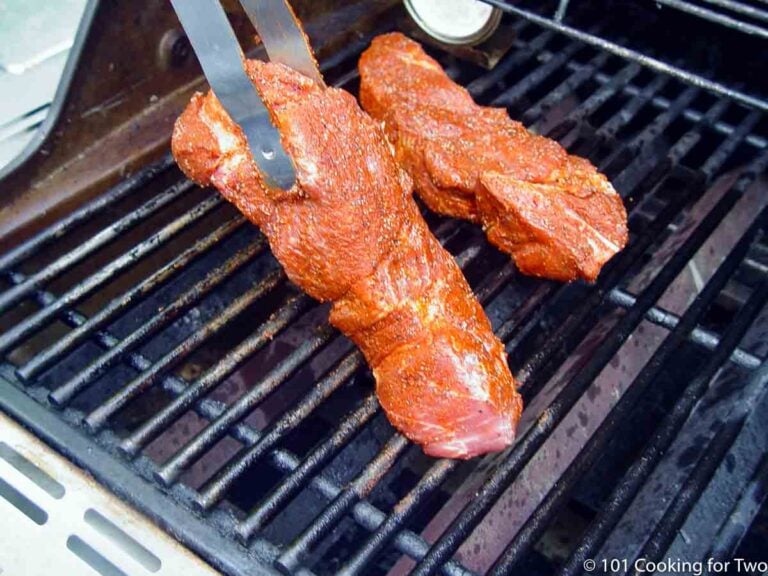
Credit: www.101cookingfortwo.com
Grilling Techniques
Grill pork ribs slowly over low heat to keep them tender and juicy. Use indirect heat and turn ribs often for even cooking. Apply a dry rub or marinade before grilling to add flavor.
Grilling pork ribs on a gas grill can transform an ordinary meal into an extraordinary feast. Mastering the right techniques not only enhances the flavor but also ensures that every bite is tender and juicy. Whether you're a seasoned griller or just starting, these techniques will elevate your rib game.
Low And Slow Cooking
The secret to perfect ribs is patience. Cooking them low and slow allows the meat to become tender without drying out. Set your gas grill to a low temperature, around 225°F, and let the ribs cook for several hours. This method ensures the connective tissues break down, resulting in meat that falls off the bone. Isn't the anticipation of that first bite worth the wait?
Using Foil Wraps
Foil wraps are a game-changer for ribs. Wrapping your ribs in foil traps moisture and heat, creating a steaming effect. This technique, known as the "Texas Crutch," helps speed up the cooking process while keeping the ribs juicy. Place your seasoned ribs on a sheet of heavy-duty foil, add a splash of apple juice or your favorite marinade, and seal the foil tightly. The result? Succulent ribs with enhanced flavors.
Monitoring Internal Temperature
Cooking by time alone can be deceiving. The true indicator of doneness is the internal temperature. Use a meat thermometer to ensure your ribs reach an internal temperature of 190°F to 203°F. This range guarantees that the collagen has melted, giving you the tenderness you crave. Have you ever felt the disappointment of undercooked ribs? A thermometer is your best friend in avoiding that. Incorporate these techniques, and you'll be on your way to grilling ribs that not only satisfy your taste buds but also impress your friends and family.
Adding Flavor And Sauce
Adding flavor and sauce to pork ribs is where your grill game really shines. It’s not just about slapping on any sauce; it’s about choosing the right one and knowing exactly when and how to apply it. This section will help you turn your ribs into a mouthwatering masterpiece that will impress everyone at your next cookout.
Choosing The Right Bbq Sauce
Not all BBQ sauces are created equal. Some are sweet, others tangy, and a few pack serious heat. Think about what flavor profile you enjoy the most and what complements the natural taste of pork ribs.
Try classic choices like:
- Sweet and sticky sauces with molasses or honey
- Vinegar-based sauces for a tangy punch
- Spicy sauces with chili or cayenne for some heat
Don’t hesitate to mix sauces for a custom blend. I once combined a smoky chipotle with a sweet honey BBQ, and it turned out amazing. What flavors excite your taste buds?
When To Apply Sauce
Timing makes all the difference. Applying sauce too early can cause it to burn, while waiting too long means missing out on flavor absorption. A good rule is to brush your sauce on during the last 15-20 minutes of grilling.
This lets the sauce caramelize without burning, creating a sticky, flavorful crust. If you want layers of flavor, apply sauce in thin coats every 5 minutes during this final stage. Ever noticed that perfect glaze on ribs? That’s the secret.
Enhancing With Smoke
Even on a gas grill, you can add smoky flavor to your ribs. Use a smoker box or wrap wood chips in foil with holes poked in it. Place it over the heat source, and let the smoke work its magic.
Try woods like hickory for a bold taste or applewood for something milder and fruity. I’ve found that adding just a little smoke brings complexity to the ribs that sauce alone can’t achieve. What kind of smoke flavor would you like to explore?

Credit: www.thepioneerwoman.com
Resting And Serving
Resting and serving pork ribs are key steps after grilling. Resting lets the juices settle, keeping the meat tender and moist. Proper slicing shows off the ribs and makes eating easier. Serving with the right sides completes the meal and enhances flavors.
Resting Time For Juiciness
After grilling, let the ribs rest for 10 to 15 minutes. Cover them loosely with foil to keep warmth. This pause allows juices to redistribute inside the meat. Cutting too soon causes the juices to run out. Resting ensures every bite stays juicy and flavorful.
Slicing Tips
Use a sharp knife for clean cuts. Slice between the bones to separate each rib. Cut against the grain for tender pieces. Keep slices even for better presentation. Removing any excess fat or burnt edges improves taste.
Serving Suggestions
- Serve ribs with classic coleslaw for a fresh crunch.
- Add baked beans or corn on the cob for hearty sides.
- Offer barbecue sauce on the side for extra flavor.
- Pair with a light salad to balance the richness.
- Provide wet wipes or napkins for easy clean-up.
Common Mistakes To Avoid
Grilling pork ribs on a gas grill can be simple, but many make avoidable mistakes. These errors affect taste, texture, and the overall experience. Knowing what to watch out for helps you cook ribs that are juicy and full of flavor.
Overcooking Or Undercooking
Cooking ribs too long makes them dry and tough. Too short, and they stay chewy and hard. Use a meat thermometer to check for an internal temperature around 190°F for tender ribs. Keep the heat low and cook slowly for best results.
Flare-ups And Burning
Fat dripping causes flare-ups, which burn the ribs quickly. Move ribs away from direct flames when flare-ups happen. Keep a spray bottle of water nearby to control flames. Avoid constant flipping; let the ribs cook evenly on each side.
Skipping The Rest
Resting ribs after grilling lets juices settle inside. Cutting ribs immediately causes moisture to escape. Let ribs rest for at least 10 minutes before slicing. This step keeps the meat moist and flavorful.
Frequently Asked Questions
How Long Does It Take To Grill Pork Ribs On Gas?
Grilling pork ribs on a gas grill usually takes 1. 5 to 2 hours. Use indirect heat and maintain a temperature around 275°F for tender ribs. Cooking slowly allows flavors to develop and meat to become juicy and tender.
Should I Marinate Pork Ribs Before Grilling?
Marinating pork ribs before grilling is optional but recommended. It adds flavor and helps tenderize the meat. Use a marinade with acid, like vinegar or citrus, and spices. Marinate ribs for at least 2 hours or overnight for best results.
What Temperature Is Best For Grilling Pork Ribs?
Maintain a consistent grill temperature around 275°F to 300°F for pork ribs. This moderate heat ensures slow cooking and prevents burning. Use indirect heat by turning off burners under the ribs and lighting others to avoid flare-ups.
How Do I Prevent Pork Ribs From Drying Out?
To prevent drying out, grill ribs using indirect heat and keep the lid closed. Baste ribs with sauce or marinade periodically to retain moisture. Wrapping ribs in foil during cooking also helps keep them juicy and tender.
Conclusion
Grilling pork ribs on a gas grill is simple and fun. Start with good ribs and keep the heat low. Use your favorite spices or sauce for flavor. Watch the ribs closely and turn them often. Cook until the meat is tender and juicy.
Enjoy the smoky taste right at home. Practice makes perfect, so keep trying. Soon, you will cook ribs your family loves. A great meal is just a grill away.