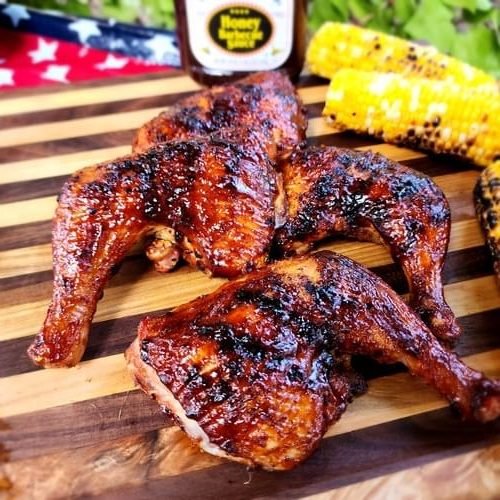
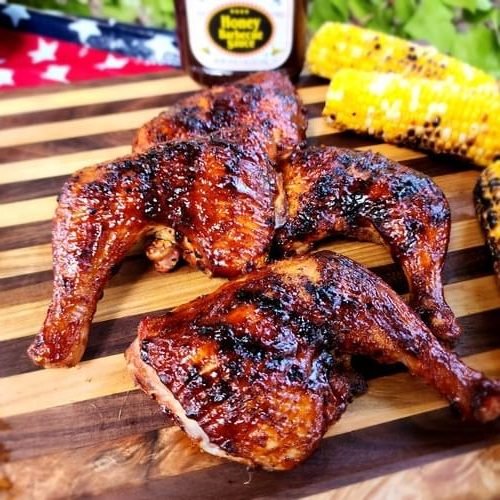
Grilling chicken legs and thighs on a gas grill can be simple and delicious when you know the right steps. You want juicy, flavorful meat with crispy skin every time, right?
Whether you’re a beginner or just looking to improve your grilling skills, this guide will help you master the process. By the end, you’ll feel confident and ready to impress your family and friends with perfectly grilled chicken. Keep reading to discover the tips and tricks that will make your next barbecue a hit!
Choosing The Right Chicken Cuts
Choosing the right chicken cuts is key to great grilling results. Different parts cook differently and offer unique flavors. Picking the best cuts helps achieve juicy, tasty chicken every time. Let’s explore the main options for chicken legs and thighs on a gas grill.
Legs Vs Thighs
Chicken legs include the drumstick and are known for their firm texture. They have a nice balance of meat and skin, which crisps well on the grill. Legs often take longer to cook than thighs but deliver a classic grilled taste.
Thighs are meatier and more tender. They contain more fat, which keeps the meat juicy during grilling. Thighs cook faster than legs and offer a richer flavor. Both cuts work well on a gas grill, depending on your taste and cooking time.
Bone-in Or Boneless Options
Bone-in cuts keep the meat moist and add flavor during grilling. The bone helps the heat spread evenly, reducing the risk of drying out. These cuts take longer to cook but reward with deeper taste.
Boneless cuts cook faster and are easier to eat. They suit quick grilling and marinating. Boneless chicken legs or thighs grill well but need careful timing to avoid drying. Choose based on your cooking style and preference.

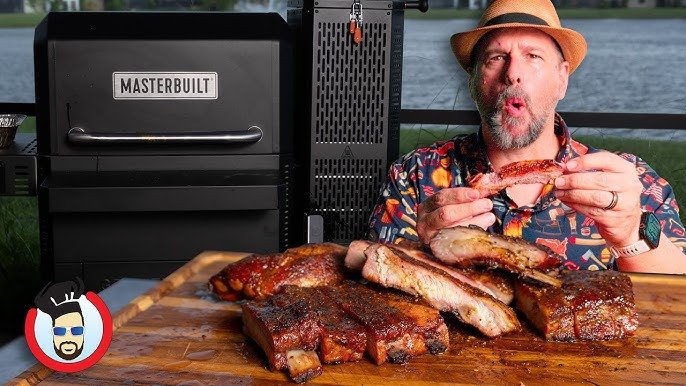
Credit: www.youtube.com
Prepping Your Chicken
Preparing chicken legs and thighs for grilling ensures juicy and flavorful results. Proper prep helps the meat cook evenly and absorb seasonings well. This section covers the key steps to get your chicken ready for the gas grill.
Cleaning And Trimming
Start by rinsing the chicken under cold water. Pat dry with paper towels to remove moisture. Trim excess fat and skin if needed. Remove any leftover feathers or small pieces of bone. This step prevents flare-ups and uneven cooking.
Marinades And Rubs
Marinating adds flavor and tenderness. Use a mix of oil, acid like lemon juice or vinegar, and spices. Let chicken soak for at least 30 minutes or up to 8 hours in the fridge. Dry rubs are also great. Combine salt, pepper, garlic powder, and paprika for a simple rub. Apply evenly on all sides for best taste.
Setting Up The Gas Grill
Getting your gas grill ready is the first key to perfectly cooked chicken legs and thighs. Setting up your grill correctly helps you control the heat, avoid flare-ups, and ensures your chicken cooks evenly. A well-prepared grill means juicy, flavorful meat every time.
Temperature Zones
Creating temperature zones on your gas grill is essential. You want one side set to high heat for searing and the other side on medium or low for gentle cooking.
- High heat zone:Around 400-450°F for searing the chicken skin and locking in juices.
- Medium/low heat zone:About 300-350°F for cooking the chicken through without burning.
This setup lets you start your chicken on the hot side to get that crispy skin, then move it to the cooler side to finish cooking. Have you tried grilling chicken only on high heat? It often leads to burnt skin and raw meat inside.
Preheating Tips
Preheating your gas grill is more than just turning it on. Aim to preheat for at least 10-15 minutes with the lid closed to reach an even temperature.
- Check the grill thermometer to ensure it hits your target zones.
- Brush the grates with oil before placing the chicken to prevent sticking.
I once skipped preheating and ended up with uneven cooking and tough chicken. Taking the extra time to properly preheat makes a noticeable difference in texture and flavor. How long do you usually preheat your grill?
Grilling Techniques For Juicy Results
Grill chicken legs and thighs over medium heat for even cooking and juicy meat. Keep the lid closed to lock in moisture and turn often. Use indirect heat to avoid burning and ensure tender, flavorful results.
Grilling chicken legs and thighs can be simple and rewarding. The right techniques ensure juicy, flavorful results every time. Gas grills offer control and consistency, perfect for achieving that tender bite. Let's explore key techniques for grilling success.
Direct Vs Indirect Heat
Understanding heat zones is essential. Direct heat cooks food fast, ideal for searing. Place chicken over the flame for a crispy exterior. Indirect heat is gentler, cooking food evenly. Move chicken away from the flame to finish cooking. This prevents burning and locks in moisture.
Flipping And Timing
Timing is crucial for juicy chicken. Flip chicken every 5-7 minutes. This ensures even cooking on all sides. Avoid frequent flipping, which can cause drying. Use a meat thermometer. Aim for an internal temperature of 165°F for safety and juiciness. These techniques enhance flavor and moisture. Enjoy delicious grilled chicken every time.
Checking For Doneness
Checking for doneness is key to perfectly grilled chicken legs and thighs. Undercooked chicken can be unsafe, while overcooked meat turns dry and tough. Knowing when your chicken is ready ensures juicy and flavorful results every time.
Using A Meat Thermometer
A meat thermometer is the most accurate way to check doneness. Insert it into the thickest part of the thigh, avoiding the bone. The safe internal temperature for chicken is 165°F (74°C). When the thermometer reads this, the chicken is fully cooked.
Digital thermometers give quick readings. Wait a few seconds for a stable number. Clean the probe after each use to keep it safe and hygienic.
Visual And Texture Cues
Visual cues help when you don’t have a thermometer. The juices should run clear, not pink or red. The skin should be golden brown and crispy. The meat should feel firm but still juicy.
Cut a small slit to check inside. The meat should be white or light pink, never raw or translucent. Press the thigh gently; it should spring back slightly. These signs mean your chicken is cooked well.
Resting And Serving
After grilling chicken legs and thighs on your gas grill, the final steps of resting and serving can make a big difference in taste and presentation. These moments allow the juices to redistribute, keeping the meat moist and flavorful. Serving your grilled chicken with the right sides and garnishes will elevate your meal and impress your guests.
Why Resting Matters
Resting grilled chicken legs and thighs for about 5 to 10 minutes helps the juices settle inside the meat. Cutting into the chicken immediately can cause the flavorful juices to spill out, leaving it dry.
Think about a time you rushed to eat grilled meat only to find it dry—that’s what resting prevents. You don’t need a fancy timer; just tent the chicken loosely with foil and wait. This simple step ensures every bite is juicy and tender.
Serving Suggestions
Serving grilled chicken legs and thighs doesn’t have to be complicated. You can keep it classic with a side of grilled vegetables or fresh salad to balance the smoky flavor.
- Try a tangy coleslaw or cucumber salad for a refreshing contrast.
- Serve with warm cornbread or garlic bread to soak up any extra juices.
- Add a squeeze of lemon or a sprinkle of fresh herbs like parsley or cilantro for brightness.
Have you experimented with different sauces? A homemade barbecue sauce, spicy mustard, or even a creamy yogurt dip can add a new twist to your grilled chicken experience.
Troubleshooting Common Issues
Grilling chicken legs and thighs on a gas grill can be tricky, especially when unexpected problems pop up. Troubleshooting common issues will save your meal and keep your grilling experience enjoyable. Let’s dive into some practical tips to fix two of the most frequent challenges: dry or overcooked meat and uneven cooking.
Dry Or Overcooked Meat
Have you ever bitten into grilled chicken only to find it dry and tough? This usually happens when the heat is too high or the chicken cooks for too long. Try lowering your grill’s temperature to medium or medium-low to keep the meat juicy.
Another tip is to use a meat thermometer. Chicken legs and thighs are best at an internal temperature of 165°F (74°C). Remove the chicken promptly once it hits this temperature to avoid drying it out.
Marinating your chicken before grilling adds moisture and flavor. Even a simple mix of olive oil, lemon juice, and spices can make a big difference. Have you considered brining your chicken? Soaking it in saltwater for 30 minutes helps the meat retain moisture during cooking.
Uneven Cooking
Uneven cooking often means some parts of the chicken are burnt while others are undercooked. This usually happens because of hot spots on the grill or inconsistent heat. To fix this, use two-zone cooking: set one side of your grill to high heat and the other to low heat.
Start by searing the chicken on the hot side to get a nice crust. Then move it to the cooler side to finish cooking slowly without burning. This technique helps the chicken cook evenly and stay tender.
Don’t forget to flip the chicken regularly and rotate the pieces to different grill spots. This simple habit ensures every part gets equal heat exposure. Have you noticed how your grill’s lid position affects cooking? Keeping it closed traps heat and cooks the chicken evenly, while opening it too often lets the heat escape.

Credit: garnishedplate.com

Credit: cooking.nytimes.com
Frequently Asked Questions
How Long To Grill Chicken Legs And Thighs?
Grill chicken legs and thighs for 25 to 30 minutes. Use medium heat and turn every 5 minutes. Ensure internal temperature reaches 165°F for safety and juiciness.
What Is The Best Marinade For Grilled Chicken?
Use a marinade with oil, acid (like lemon juice), herbs, and spices. Marinate chicken for at least 30 minutes to enhance flavor and tenderness.
Should I Use Direct Or Indirect Heat For Grilling?
Start with direct heat to sear chicken skin for 5 minutes. Then move to indirect heat to cook through without burning, ensuring juicy and tender meat.
How To Prevent Chicken Skin From Sticking To Grill?
Preheat the grill and oil the grates well before placing chicken. Also, lightly oil the chicken skin. Avoid moving chicken too early to prevent sticking.
Conclusion
Grilling chicken legs and thighs on a gas grill is easy and fun. Start with clean, hot grill grates for best results. Use simple seasonings to bring out natural flavors. Turn the chicken often to cook evenly and avoid burning.
Check the temperature to make sure it’s fully cooked. Enjoy juicy, tender chicken every time you grill. Try different marinades or spices to keep it exciting. Now, you are ready to serve delicious grilled chicken to your family and friends.
Happy grilling!