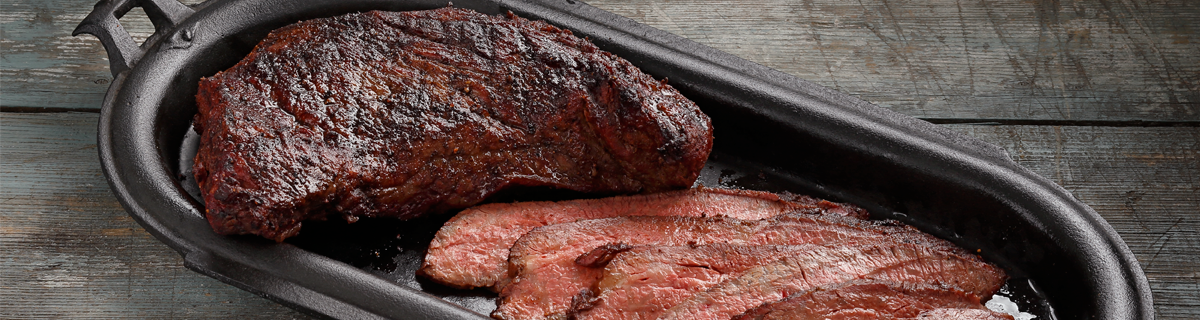
Grilling a boneless ribeye steak on a gas grill can seem tricky, but with the right steps, you’ll get juicy, flavorful results every time. Imagine biting into a perfectly seared steak with a tender, melt-in-your-mouth center—sounds amazing, right?
Whether you’re new to grilling or just want to improve your technique, this guide will show you exactly how to master your gas grill. Ready to impress yourself and anyone you cook for? Keep reading, and let’s get that perfect steak sizzling!
Choosing The Right Ribeye
Choosing the right ribeye steak sets the foundation for a delicious grilled meal. A good ribeye will have the right balance of flavor, tenderness, and juiciness. Knowing what to pick helps avoid dry or tough meat. This section guides you on picking the best boneless ribeye for your gas grill.
Selecting Quality Meat
Look for ribeye with bright red color and fresh smell. Avoid meat with dark spots or a sour odor. Good ribeye has fine marbling—thin white streaks of fat inside the meat. Marbling makes the steak juicy and full of flavor. Choose meat labeled USDA Choice or Prime for better quality.
Thickness And Cut Tips
Pick ribeye steaks about 1 to 1.5 inches thick. Thicker steaks stay juicy and cook evenly on a gas grill. Thin steaks can dry out quickly. Make sure the cut is boneless for easy grilling. Trim excess fat, but keep some for flavor. Uniform thickness helps cook the steak evenly.
Credit: www.theroastedroot.net
Preparing The Steak
Getting your boneless ribeye steak ready is a crucial part of grilling success. How you prepare it affects flavor, texture, and even cooking time. Paying attention to simple steps before the steak hits the grill can make a big difference in your final bite.
Seasoning Techniques
Seasoning isn't just about salt and pepper. Start with a generous sprinkle of kosher salt to enhance the meat’s natural flavors. Then add freshly ground black pepper for a bit of heat and aroma.
Consider adding garlic powder or smoked paprika for a subtle twist. Rub the seasoning evenly on all sides, pressing it gently into the meat. This helps the flavors stick and creates a nice crust during grilling.
Have you tried letting the steak sit with seasoning for a while? Even 20 minutes can improve flavor absorption. Some grillers swear by a light coating of olive oil before seasoning to help everything adhere better.
Bringing Steak To Room Temperature
Cold steak straight from the fridge can lead to uneven cooking. Let your ribeye rest at room temperature for about 30 to 45 minutes before grilling. This step helps the steak cook more evenly and prevents a tough outer layer.
Leaving the steak out also encourages the seasoning to penetrate deeper. Avoid leaving it out too long, though; 1 hour max is a safe window. Do you notice a difference in how your steak cooks when it’s warmed up first?
Try placing the steak on a plate and cover it loosely with foil while it sits. This keeps it clean and ready without drying out. This simple habit has made my grilling results much more consistent over time.
Setting Up The Gas Grill
Setting up your gas grill correctly is key to grilling a perfect boneless ribeye steak. A clean and properly heated grill ensures even cooking and great flavor. Preparing temperature zones helps you control the heat for searing and finishing your steak. Follow these simple steps to get your gas grill ready.
Cleaning And Preheating
Start by cleaning the grill grates with a wire brush. Remove old food bits and grease. This prevents sticking and flare-ups. Preheat the grill by turning all burners to high. Close the lid and let it heat for 10 to 15 minutes. A hot grill creates beautiful sear marks and locks in juices.
Adjusting Temperature Zones
Create two heat zones on the grill. Turn one side to high for direct heat. This zone is for searing the steak quickly. Set the other side to medium-low or off for indirect heat. Use this cooler zone to finish cooking the steak evenly without burning. This method gives you control over the cooking process and better results.

Credit: girlscangrill.com
Grilling The Ribeye
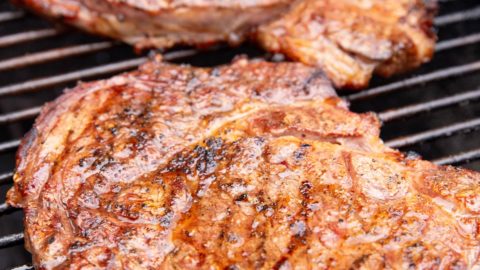
Grilling a boneless ribeye steak on a gas grill brings out rich flavors. Start by preheating the grill to high heat. Season the steak with salt and pepper, then grill for 4-5 minutes per side. Let it rest before serving for juicier results.
Enjoy the tender and flavorful steak.
Grilling the perfect boneless ribeye steak on a gas grill can be simple. The key is understanding each step in the process. This section will guide you through each crucial aspect of grilling to help achieve that juicy, flavorful steak.
Searing For Flavor
Searing locks in the steak's juices and enhances its flavor. Preheat your grill on high. Place the ribeye directly over the flames for a strong sear. Let it sit without moving for 2-3 minutes. This creates a delicious crust on the outside.
Managing Grill Heat
After searing, adjust the grill to medium heat. This ensures even cooking. Move the ribeye to a cooler part of the grill. Close the lid to maintain consistent heat. This step helps cook the steak evenly from the inside out.
Flipping And Timing
Flip the ribeye once during grilling. Use tongs to avoid piercing the meat. This keeps the juices intact. For medium-rare, cook for 4-5 minutes per side. Adjust timing based on thickness and desired doneness. Always let the steak rest before serving. This allows the juices to redistribute.
Checking Doneness
Knowing the right moment to take your boneless ribeye steak off the gas grill is key to enjoying every juicy bite. Checking doneness ensures you get the perfect texture and flavor, matching your taste exactly.
Using A Meat Thermometer
A meat thermometer takes the guesswork out of grilling. Insert it into the thickest part of the steak to get an accurate reading without touching the bone or fat.
Here are the ideal temperatures for doneness levels:
- Rare:120-125°F (49-52°C)
- Medium Rare:130-135°F (54-57°C)
- Medium:140-145°F (60-63°C)
- Medium Well:150-155°F (65-68°C)
- Well Done:160°F and above (71°C+)
I once underestimated the time and didn’t use a thermometer—resulting in a steak that was tougher than I wanted. After switching to a quick temperature check, every steak turned out just right.
Visual And Touch Indicators
If you don’t have a thermometer, your senses can guide you. Look for the steak’s surface and feel its firmness to gauge doneness.
Here’s a simple way to check by touch:
- Rare:Soft, squishy like the fleshy area below your thumb when your hand is relaxed.
- Medium Rare:Slightly firmer, like the same area when you touch your thumb and index finger together.
- Medium:Firm but with some bounce, like touching your thumb to your middle finger.
- Well Done:Very firm, similar to pressing the area when your thumb touches your pinky.
Visually, a medium-rare steak will have a warm red center, while medium shows a pink center. Are you ready to trust your hands as much as your grill?

Credit: girlscangrill.com
Resting The Steak
Resting your boneless ribeye steak after grilling is a crucial step that many overlook. It might seem tempting to cut into that juicy steak right away, but holding off can drastically improve the flavor and texture. Giving your steak time to rest lets the juices redistribute, ensuring every bite is tender and full of flavor.
Why Resting Matters
When you grill your steak, the heat pushes the juices toward the center. Cutting into it immediately causes those flavorful juices to spill out onto the plate.
Resting allows the juices to spread evenly throughout the meat again. This means your steak stays moist instead of drying out.
Think about the last time you rushed and cut into a steak too soon—did it feel dry or less tasty? That’s exactly what resting helps prevent.
Ideal Resting Time
Rest your boneless ribeye for about 5 to 10 minutes after grilling. This is enough time for the juices to settle without cooling the steak too much.
A simple way to rest is to tent the steak loosely with foil. This keeps the heat in while avoiding steam buildup that could make the crust soggy.
Remember, thicker cuts may need closer to 10 minutes, while thinner steaks might be fine with just 5. You can even use this time to prepare your sides or pour a glass of wine.
Serving Suggestions
Serving a boneless ribeye steak straight off the gas grill is satisfying. The right sides, sauces, and garnishes make the meal complete. They add flavor, texture, and color to your plate. This section offers simple ideas to enhance your grilled ribeye experience. Enjoy a balanced, tasty meal that pleases every palate.
Pairing With Sides
- Grilled vegetables like asparagus or bell peppers add a smoky touch.
- Classic baked potatoes with sour cream and chives bring comfort.
- Fresh green salads with vinaigrette lighten the meal.
- Garlic mashed potatoes offer creamy richness.
- Roasted corn on the cob adds sweetness and crunch.
- Steamed broccoli or green beans provide a healthy contrast.
Sauce And Garnish Ideas
- Chimichurri sauce adds a fresh, herbal zing.
- Garlic butter melts perfectly on hot steak.
- Horseradish cream gives a spicy kick.
- Simple salt and cracked black pepper highlight the beef’s flavor.
- Fresh rosemary or thyme sprigs add aroma and color.
- Caramelized onions bring sweetness and depth.
Troubleshooting Common Issues
Grilling a boneless ribeye steak on a gas grill can sometimes present challenges that affect the final taste and texture. Troubleshooting common issues helps you get closer to steak perfection every time. Understanding how to handle these problems quickly keeps your grilling experience enjoyable and your steak juicy.
Avoiding Overcooking
Overcooked ribeye can turn tough and dry, losing the rich, buttery flavor you want. Pay close attention to the grill temperature and cooking time. Use a meat thermometer to check for doneness—aim for 130°F to 135°F for medium-rare, which preserves juiciness.
Rest your steak after grilling; this allows juices to redistribute. Cutting into your steak too soon can cause moisture loss, making it seem overdone even if it’s cooked just right. Have you tried tenting your steak with foil for 5 to 10 minutes before serving? It really makes a difference.
Preventing Flare-ups
Flare-ups happen when fat drips onto the grill flames, causing sudden bursts of fire that char the steak unevenly. Trim excess fat from your ribeye before grilling to reduce this risk. Keep a spray bottle of water nearby to quickly control unexpected flames.
Position your steak over indirect heat if flare-ups persist. This technique lets you cook the steak thoroughly without constant charring. Have you noticed how flipping the steak frequently also helps control flare-ups and promotes even cooking?
Frequently Asked Questions
How Long To Grill Boneless Ribeye Steak On Gas Grill?
Grill boneless ribeye steak for 4-5 minutes per side for medium-rare. Use a meat thermometer to check for 130°F. Adjust time for desired doneness. Let steak rest for 5 minutes before serving to retain juices.
What Gas Grill Temperature Is Best For Ribeye Steak?
Preheat your gas grill to high heat, around 450-500°F. High heat sears the steak, locking in flavors. Avoid low heat to prevent drying out. Maintain consistent temperature for even cooking and perfect grill marks.
Should I Marinate Ribeye Steak Before Grilling?
Marinating is optional for ribeye due to its natural tenderness. Use a simple marinade with oil, garlic, and herbs for extra flavor. Marinate for 30 minutes to 2 hours. Avoid acidic marinades longer than 2 hours to prevent texture changes.
How To Prevent Ribeye Steak From Sticking On Gas Grill?
Preheat the grill well and oil the grates before cooking. Lightly brush steak with oil to create a barrier. Avoid moving the steak too early. Proper preheating and oiling ensure easy flipping and perfect grill marks.
Conclusion
Grilling a boneless ribeye steak on a gas grill is simple and rewarding. Start with good seasoning and a hot grill. Watch the steak closely for perfect cooking. Let the meat rest before slicing to keep it juicy. This method brings out rich, delicious flavors every time.
Enjoy your tasty, tender steak with family or friends. Practice makes grilling easier and more fun. Try different spices to find your favorite taste. Now, you can cook a great ribeye steak at home anytime.