If you want to master the art of grilling boneless beef ribs on a gas grill, you’re in the right place. Grilling ribs can be tricky—too hot, and they dry out; too cold, and they never cook through.
But when done right, the result is juicy, tender meat bursting with smoky flavor. In this guide, you’ll discover simple, step-by-step tips to get perfect ribs every time. Ready to impress your friends and family with your grilling skills? Keep reading and learn how to turn your gas grill into a rib-cooking powerhouse.
Choosing Boneless Beef Ribs
Choosing the right boneless beef ribs sets the foundation for a perfect grilling experience. The quality of the ribs you pick directly impacts flavor, tenderness, and cooking time. Knowing what to look for can save you from a tough, dry meal and help you impress your guests with juicy, flavorful ribs every time.
Types Of Boneless Beef Ribs
Boneless beef ribs usually come from two main parts of the cow: the chuck and the plate.
- Chuck ribs:These are meatier and have more marbling, making them juicy and flavorful. They can be a bit tougher, so slow grilling or smoking works best.
- Plate ribs:These are fattier and less meaty but offer rich flavor and tenderness when cooked properly.
Which type suits your grilling style? If you prefer quick cooking, chuck ribs may need more care, while plate ribs often handle faster heat better.
What To Look For At The Store
Focus on color and texture first. Fresh boneless beef ribs should have a bright red color with some marbling of fat, which helps keep the meat juicy.
Check the firmness by pressing the meat slightly—it should spring back without feeling mushy. Avoid ribs with dark spots or excessive liquid in the packaging, as these signs indicate older or less fresh meat.
Don’t hesitate to ask your butcher about the cut’s origin or recommended cooking methods. Their insights can point you to the best ribs for your grill.
Fresh Vs. Frozen Ribs
Fresh ribs generally offer better flavor and texture but may cost more and have a shorter shelf life. If you buy fresh, plan to grill within a couple of days for the best results.
Frozen ribs can be convenient and last longer but require proper thawing to maintain quality. Thaw ribs slowly in the refrigerator to avoid drying out the meat or encouraging bacterial growth.
Have you ever grilled ribs straight from frozen? It’s tempting but usually leads to uneven cooking and toughness. Taking time to thaw is a small step that pays off big in taste and tenderness.

Credit: www.americastestkitchen.com
Preparing The Ribs
Preparing boneless beef ribs properly sets the stage for a delicious grilling experience. This step improves flavor and texture. It also ensures the ribs cook evenly over your gas grill. Taking time to prep the meat helps you get the best results. Follow simple techniques for trimming, seasoning, and marinating the ribs.
Trimming Excess Fat
Start by trimming off large fat pieces on the ribs. Excess fat can cause flare-ups on the grill. Use a sharp knife to remove thick fat layers gently. Leave a thin fat layer to keep the meat moist. Clean trimming helps the dry rub stick better to the ribs.
Applying A Dry Rub
Dry rubs add bold flavors to boneless beef ribs. Choose a mix of spices like paprika, garlic powder, salt, and pepper. Pat the ribs dry with paper towels before applying the rub. Massage the rub evenly on all sides of the meat. Let the ribs rest for at least 30 minutes to absorb the spices.
Marinating Options
Marinating adds moisture and extra taste to the ribs. Use simple marinades with ingredients like soy sauce, vinegar, olive oil, and herbs. Place the ribs in a sealed bag with the marinade. Refrigerate for 2 to 4 hours for best flavor. Remove ribs from the marinade and pat dry before grilling to avoid flare-ups.
Setting Up The Gas Grill
Getting your gas grill ready is a key part of grilling boneless beef ribs perfectly. The right setup controls the cooking process and helps you avoid flare-ups or uneven cooking. Let’s look at how you can prepare your grill so every bite is juicy and flavorful.
Creating Heat Zones
Setting up heat zones on your gas grill means arranging areas with different temperatures. This gives you space for both direct and indirect cooking.
- Turn on one side of the burners for high heat.
- Leave the other side off or on low for indirect heat.
This setup lets you sear the ribs over high heat, then move them to the cooler side to cook through slowly. Have you noticed how your ribs stay tender and juicy this way? It’s because the heat zones give you control over the cooking speed and prevent burning.
Preheating The Grill
Never skip preheating. It prepares the grill grates and ensures even cooking right from the start.
Turn your burners to medium-high and close the lid for 10-15 minutes. This heats the grill to the right temperature and helps sear the ribs quickly, locking in their juices.
Try this: place your hand above the grill grate—can you hold it there for 3-4 seconds? That’s about the right heat for searing boneless beef ribs.
Using A Grill Thermometer
Don’t rely on guesswork for temperature. A grill thermometer gives you accurate readings inside the grill.
Place it near the cooking area before starting. This helps you monitor heat zones and adjust burners as needed.
Knowing the exact temperature means you can keep the ribs cooking gently without rushing or drying them out. How often do you check your grill’s temperature? Using a thermometer can change how you manage heat and improve your results every time.
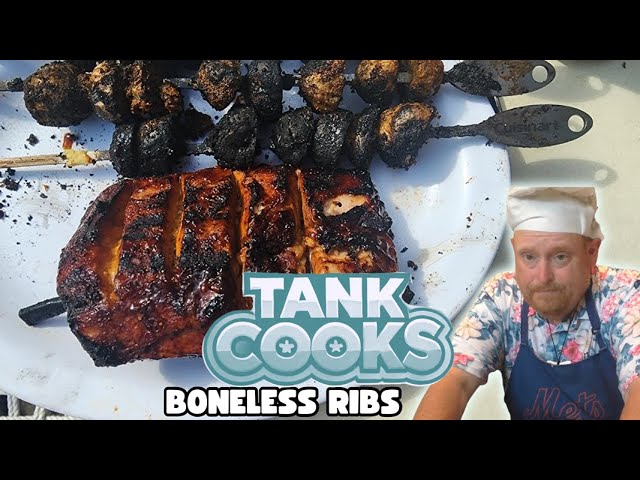
Credit: www.youtube.com
Grilling Techniques
Grilling boneless beef ribs on a gas grill requires skillful techniques. The right methods ensure juicy, flavorful ribs. Let's explore how to achieve this.
Direct Vs. Indirect Heat
Using direct heat cooks ribs fast but risks burning. Place ribs over the flame for a quick sear. This locks in juices. Indirect heat cooks ribs slowly for tenderness. Place ribs away from the flame. Close the lid to trap heat. This method is ideal for thicker ribs.
Managing Flare-ups
Flare-ups happen when fat drips onto flames. They can char your ribs. To control them, keep a spray bottle of water handy. Reduce grill heat if needed. Move ribs to a cooler spot temporarily. This prevents burning and keeps ribs flavorful.
Cooking Time Guidelines
Cooking time varies based on rib thickness. For thin ribs, grill 15-20 minutes. Turn them every 5 minutes. Thicker ribs may take up to 30 minutes. Always check internal temperature. Aim for 145°F for medium doneness. Let ribs rest before serving.
Checking For Doneness
Knowing when your boneless beef ribs are perfectly cooked is key to a great grilling experience. Checking for doneness ensures the meat is tender, juicy, and safe to eat. It’s not just about timing; it’s about understanding the meat’s texture and temperature to get that ideal bite every time.
Using A Meat Thermometer
A meat thermometer takes the guesswork out of grilling. Insert it into the thickest part of the ribs, avoiding bones or fat pockets. Aim for an internal temperature around 190°F to 203°F for tender, fall-apart ribs.
If you don’t have a thermometer, consider investing in one—it’s a game changer. You’ll avoid overcooking or undercooking, which can ruin your hard work. Have you ever sliced into ribs only to find them dry? This tool can prevent that disappointment.
Signs Of Perfect Juiciness
Beyond temperature, juicy ribs have a certain look and feel. The meat should pull back slightly from the edges of the bone. When you press the ribs gently, they should feel firm but still springy to the touch.
Look for a rich, caramelized crust with a deep brown color—that’s flavor waiting to happen. If the meat looks dry or cracks easily, it’s likely overcooked. Ever noticed how juicy ribs seem to glisten? That’s your visual cue that they’re done just right.
Resting The Meat
Resting is often overlooked but crucial. After grilling, let your ribs rest for at least 10 minutes before cutting. This allows the juices to redistribute, making every bite succulent and full of flavor.
If you cut too soon, the juices will run out onto the plate instead of staying in the meat. Think of resting as the final step that seals in all your grilling efforts. How often do you skip resting, only to find your ribs less juicy than expected?
Serving Suggestions
Serving boneless beef ribs straight from the grill offers a satisfying meal. Pairing them with the right sides and sauces enhances the flavor. Presentation also plays a key role in making your dish inviting and enjoyable. Here are some ideas to complete your grilled boneless beef ribs experience.
Best Side Dishes
- Grilled corn on the cob with butter and herbs
- Creamy mashed potatoes or garlic mashed cauliflower
- Coleslaw for a fresh and crunchy contrast
- Roasted vegetables like carrots, zucchini, or bell peppers
- Baked beans with a smoky or sweet touch
Sauce Pairings
- Classic barbecue sauce with a smoky flavor
- Spicy chipotle sauce for a bit of heat
- Garlic herb butter melted over the ribs
- Honey mustard glaze for a sweet and tangy taste
- Chimichurri sauce adding a fresh, herbal kick
Presentation Tips
- Slice ribs against the grain for tender bites
- Arrange ribs neatly on a wooden cutting board
- Garnish with fresh herbs like parsley or cilantro
- Serve sauces in small bowls for dipping
- Add a side of lemon wedges for brightness
Troubleshooting Common Issues
Grilling boneless beef ribs can sometimes throw unexpected challenges your way. Whether it's dry ribs, tough meat, or uneven cooking, these issues can affect your meal's success. Understanding how to troubleshoot these problems ensures your ribs come out juicy, tender, and evenly cooked every time.
Avoiding Dry Ribs
Dry ribs often mean you’ve either overcooked the meat or didn’t maintain proper moisture during grilling. Keep the grill temperature moderate—around 225°F to 250°F—to prevent drying out. Use a water pan near the ribs to add humidity, which keeps the meat moist throughout the cooking process.
Brushing your ribs with a marinade or mop sauce every 30 minutes also helps lock in moisture. Have you tried wrapping ribs in foil halfway through cooking? This technique traps steam and juices, making a noticeable difference in tenderness.
Fixing Tough Meat
Tough ribs usually result from insufficient cooking time or skipping the rest period after grilling. Low and slow is your best friend here; cook the ribs slowly over indirect heat so the connective tissue breaks down properly. Avoid rushing the process by turning up the heat—it can leave your ribs chewy.
After grilling, let the ribs rest for at least 10 minutes. This allows juices to redistribute and softens the meat fibers. If you find your ribs are already tough, slicing them thinly against the grain can help make them easier to chew.
Dealing With Uneven Cooking
Uneven cooking often happens when the heat source is inconsistent or the ribs are not positioned properly on the grill. Arrange the ribs away from direct flames and use zones with different temperatures—one side hot for searing, the other cooler for slow cooking.
Turn the ribs regularly to expose all sides to heat evenly. If your grill has hot spots, rotate the ribs more frequently to avoid burnt edges and undercooked centers. Have you experimented with flipping your ribs at shorter intervals? It can balance the heat exposure and improve results.

Credit: www.deliciouslyseasoned.com
Frequently Asked Questions
How Long To Grill Boneless Beef Ribs On Gas Grill?
Grill boneless beef ribs for 20-25 minutes over medium heat. Turn ribs every 5 minutes for even cooking. Use indirect heat to avoid flare-ups. Check internal temperature; ribs are done at 145°F for medium-rare.
What Temperature Is Best For Gas Grilling Beef Ribs?
Maintain a medium heat of 350°F on your gas grill. This temperature cooks ribs evenly without drying them out. Use a grill thermometer to monitor heat accurately. Adjust burners to keep consistent heat throughout grilling.
Should I Marinate Boneless Beef Ribs Before Grilling?
Yes, marinating enhances flavor and tenderness of boneless beef ribs. Use a marinade with acid, oil, and spices for at least 1 hour. Marinate in the refrigerator to keep meat safe. Pat dry before grilling for better sear.
How To Prevent Boneless Beef Ribs From Drying Out?
Cook ribs over indirect medium heat to retain moisture. Avoid overcooking by monitoring internal temperature closely. Baste ribs occasionally with marinade or sauce during grilling. Let ribs rest 5 minutes before slicing to keep juices.
Conclusion
Grilling boneless beef ribs on a gas grill is simple and fun. Keep the heat steady and watch the ribs closely. Use a good marinade or rub for extra flavor. Turn the ribs often to cook evenly. Let them rest before cutting to keep juices inside.
Serve with your favorite sides for a tasty meal. Enjoy the smoky taste and tender meat every time. Try these steps again for great results. Perfect ribs are just a grill away.