Grilling a bone-in ribeye on a gas grill can feel tricky, but it doesn’t have to be. You want that perfect balance of a juicy, tender inside and a smoky, crispy outside.
If you follow the right steps, you’ll impress yourself—and anyone lucky enough to join your cookout. Ready to turn your gas grill into a steakhouse? Keep reading, because you’re about to learn exactly how to get that mouthwatering ribeye every time.

Credit: www.thekitchn.com
Choosing The Right Ribeye
Choosing the right ribeye is the foundation of a great grilling experience. Your steak’s flavor, tenderness, and overall enjoyment depend heavily on this choice. Let’s dive into what makes a ribeye perfect for the grill and how to spot it at your local butcher or supermarket.
Bone-in Vs Boneless
Bone-in ribeyes offer more flavor because the bone helps retain moisture and distributes heat evenly. Many grill enthusiasts swear by the bone for its added juiciness and taste.
Boneless ribeyes cook faster and are easier to handle, making them a good option if you’re short on time or prefer simplicity. But if you want that classic steakhouse vibe, the bone-in cut usually wins the day.
Have you tried grilling both? You might notice a subtle difference in taste that changes your preference.
Marbling And Thickness
Look for ribeyes with visible marbling—the thin streaks of fat running through the meat. This fat melts during grilling, keeping the steak juicy and flavorful.
Thickness matters too. A good ribeye should be at least 1 to 1.5 inches thick. Thicker cuts give you more control over doneness without drying out the edges.
Don’t just pick any ribeye off the shelf. Take a moment to feel the weight and inspect the fat distribution closely.
Fresh Vs Frozen
Fresh ribeye steaks generally offer better texture and flavor compared to frozen ones. Freezing can cause ice crystals that damage the meat’s fibers.
However, if you buy frozen, make sure it’s vacuum-sealed and thaw it slowly in the fridge. Avoid quick defrost methods that can ruin the texture.
Have you noticed a difference in taste between fresh and frozen steaks? Your experience can guide your next purchase.

Credit: www.vindulge.com
Preparing The Steak
Preparing your bone-in ribeye properly sets the stage for a perfectly grilled steak. It’s not just about tossing it on the grill; how you treat the meat beforehand impacts the flavor and texture dramatically. Let’s break down the essentials that will help you get the most out of your ribeye.
Seasoning Basics
Start with simple seasoning to highlight the steak’s natural flavor. Use kosher salt and freshly ground black pepper—these two are your best friends. Apply a generous amount on both sides, pressing it gently into the meat to help it stick.
Have you ever wondered why steak tastes better with just salt and pepper? It’s because these seasonings enhance the beef’s umami without overpowering it. Avoid adding seasoning too early; salting right before grilling prevents drawing out too much moisture.
Bringing To Room Temperature
Take the steak out of the fridge about 30-60 minutes before grilling. This step helps the meat cook evenly, avoiding a cold center. When the ribeye reaches room temperature, it sears better and retains juices more effectively.
Skipping this can lead to uneven cooking—do you want a well-done edge and a cold, raw middle? Probably not. Pat the steak dry with paper towels before seasoning if you notice any excess moisture.
Optional Marinades And Rubs
If you want to experiment beyond basic seasoning, try a marinade or dry rub, but keep it simple. A marinade with olive oil, garlic, and rosemary can add an aromatic touch without masking the steak’s flavor.
For rubs, mix brown sugar, smoked paprika, and a pinch of cayenne for a sweet and spicy kick. Remember, heavy marinades or complex rubs can overshadow the ribeye’s rich taste. Have you tried making your own rubs? It’s a fun way to personalize your grilling experience.
Setting Up The Gas Grill
Setting up your gas grill properly is key to cooking a perfect bone-in ribeye. A well-prepped grill ensures even heat and prevents sticking. This setup helps your steak cook evenly and develop a rich, smoky flavor.
Follow these steps to prepare your grill before placing the ribeye on it.
Preheating Tips
Preheat the grill on high for 10 to 15 minutes. This step helps burn off any leftover residue. It also brings the grill to the right temperature for searing.
Close the lid during preheating to trap heat. A hot grill creates those nice grill marks and locks in juices.
Creating Heat Zones
Set up two heat zones: one side on high, the other on low. Use the high heat for searing the ribeye. The low heat side will finish cooking the steak without burning it.
This method gives you control over the cooking process. You can move the steak between zones to avoid overcooking.
Cleaning And Oiling Grates
After preheating, clean the grates with a grill brush. Removing debris stops sticking and flare-ups. Then, oil the grates lightly using a paper towel dipped in cooking oil.
Use tongs to rub the oil-soaked towel on the grates. This creates a non-stick surface for your ribeye. Clean, oiled grates help achieve a perfect sear.
Grilling Techniques
Grilling a bone-in ribeye on a gas grill needs steady heat and careful timing. Sear the steak over high heat, then cook it slowly to keep it juicy and tender. Use a meat thermometer to check for the perfect doneness.
Grilling a bone-in ribeye on a gas grill is an art that demands precision and technique. Mastering the right grilling techniques can elevate your steak from good to unforgettable. The key is to balance searing the meat with the ability to cook it evenly without drying it out. Let's break down the essential techniques that can help you achieve a perfectly grilled ribeye every time.
Searing The Ribeye
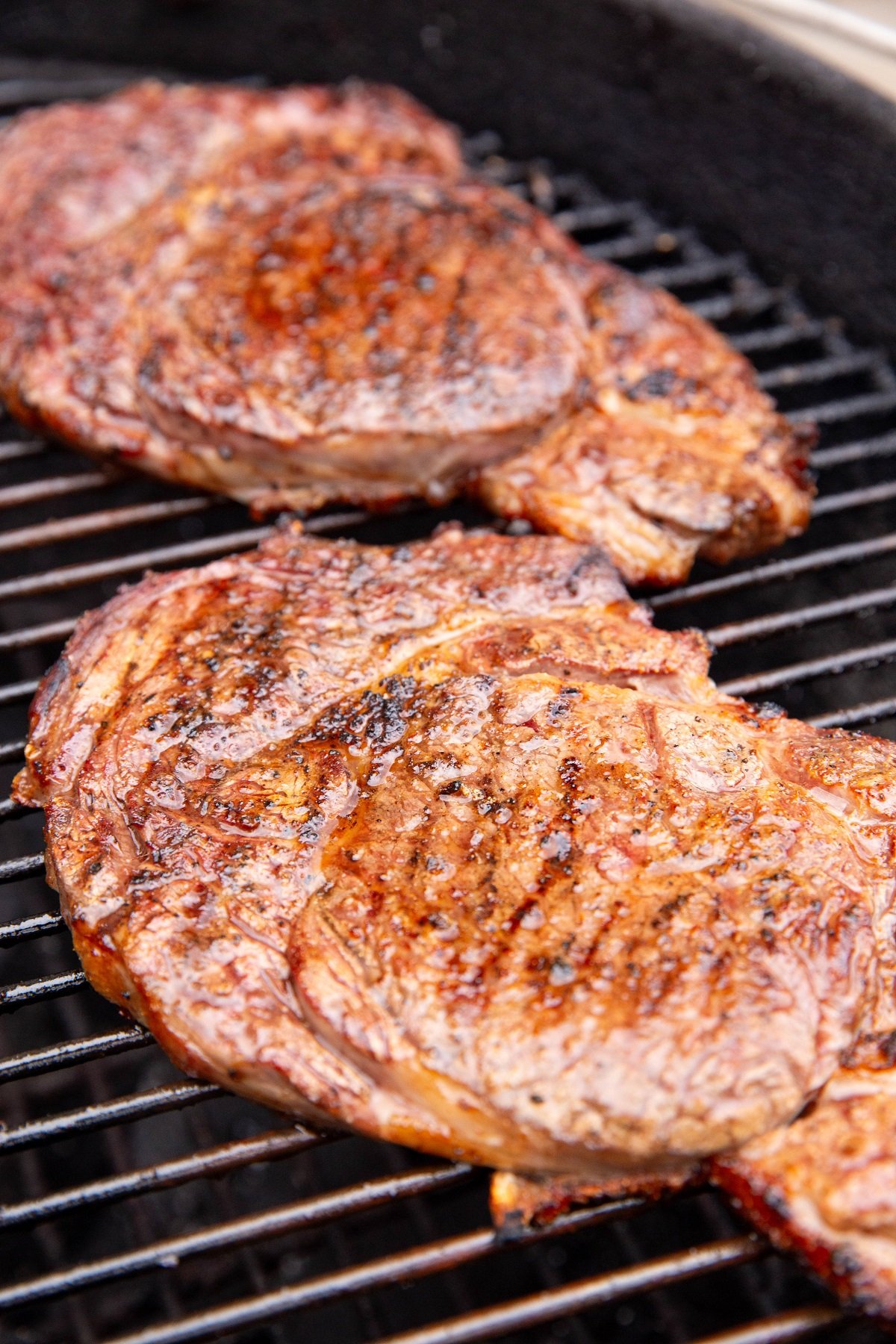
Searing locks in the juices and creates a flavorful crust. Preheat your gas grill to high heat. Place the ribeye directly over the flames and let it sizzle for about 2-3 minutes on each side. You want to hear that satisfying sizzle as soon as the steak hits the grill. This is not only about flavor—it's also about appearance. A well-seared ribeye has those beautiful grill marks that make it look as good as it tastes.
Using Indirect Heat
After searing, move the ribeye to a cooler part of the grill. This is where indirect heat comes into play. Lower the heat on one side of the grill and place the steak on that side, closing the lid. This method allows the ribeye to cook evenly without burning. It ensures the inside is cooked to your desired level of doneness. Use a meat thermometer to check the internal temperature, aiming for around 130°F for medium-rare.
Flipping And Timing
Timing is everything in grilling. Flip the ribeye only once to maintain those flavorful juices. After the initial sear, let it cook on each side for an additional 3-4 minutes using indirect heat. Pay attention to the clock but trust your instincts too. Every grill is different, and factors like wind or the thickness of the steak can change cooking times. Are you ready to take your ribeye off the grill? Let it rest for a few minutes before slicing. This step allows the juices to redistribute, making your steak even more succulent. In the end, mastering these techniques will help you grill a ribeye that's not just a meal but an experience.
Checking Doneness
Knowing when your bone-in ribeye is perfectly cooked can be tricky, especially on a gas grill where heat can vary. Checking doneness is essential to avoid overcooking or undercooking your steak. Let’s break down how you can confidently tell when your ribeye is ready to impress.
Using A Meat Thermometer
A meat thermometer takes the guesswork out of grilling. Insert it into the thickest part of the steak, avoiding the bone, to get an accurate reading.
- Rare: 120°F to 125°F
- Medium Rare: 130°F to 135°F
- Medium: 140°F to 145°F
- Medium Well: 150°F to 155°F
- Well Done: 160°F and above
Remember, the steak will continue to cook slightly after you take it off the grill, so pull it off a few degrees before your target temperature. Have you ever taken the risk without a thermometer? It’s a gamble that often ends with a disappointing bite.
Visual And Touch Cues
If you don’t have a thermometer handy, your eyes and fingers can guide you. Look for a beautifully seared crust with grill marks that signal good caramelization.
Press the center of the steak and compare its firmness to different parts of your hand:
- Soft like the fleshy part below your thumb = Rare
- Firm but springy = Medium Rare
- Firm and less springy = Medium to Well Done
Does your steak feel more like the tip of your nose (soft) or your forehead (firm)? This quick test can save your dinner from disaster.
Resting The Steak
Resting your ribeye after grilling is just as important as cooking it right. Let it sit for 5 to 10 minutes on a warm plate or cutting board.
This allows juices to redistribute throughout the meat, making every bite juicy and flavorful. Cutting immediately will cause those precious juices to run out, leaving you with a dry steak.
Have you ever rushed this step? Try resting next time and notice the difference—it’s worth the wait.
Serving Suggestions
Serving a perfectly grilled bone-in ribeye calls for thoughtful presentation and pairing. The way you slice, the sides you choose, and the sauces you add all enhance the eating experience. These serving suggestions help highlight the steak’s rich flavor and juicy texture.
Slicing Tips
Always slice the ribeye against the grain. This makes the meat tender and easier to chew. Use a sharp knife for clean cuts. Slice the steak into pieces about half an inch thick. Serve slices immediately to keep the juices locked in.
Complementary Sides
- Grilled vegetables like asparagus or bell peppers add color and crunch.
- Roasted potatoes or a creamy mashed potato balance the rich meat.
- A fresh green salad with a light vinaigrette helps cut the heaviness.
- Simple garlic bread or a warm dinner roll completes the meal.
Sauces And Finishing Touches
A pat of herb butter melts beautifully over hot ribeye slices. Classic sauces like chimichurri or béarnaise bring bright, fresh flavors. A drizzle of balsamic glaze adds a hint of sweetness. Sprinkle flaky sea salt or cracked black pepper last for extra taste.
Troubleshooting Common Issues
Grilling a bone-in ribeye on a gas grill can sometimes come with a few challenges. Knowing how to troubleshoot common issues helps you get that perfect steak every time. Let’s dive into the top problems you might face and how to fix them quickly.
Avoiding Dryness
Dry steak is often the result of overcooking or grilling at too high a temperature. Keep your grill at medium-high heat rather than full blast to maintain juiciness.
Another trick is to let your ribeye rest after grilling. Resting allows the juices to redistribute inside the meat, keeping it moist when you cut into it.
Have you tried using a meat thermometer? Checking for an internal temperature of 130-135°F (medium-rare) prevents drying out your steak.
Preventing Flare-ups
Flare-ups happen when fat drips onto the grill’s flames, causing sudden bursts of fire. These can char your ribeye and create uneven cooking.
To control flare-ups, trim excess fat before grilling. You can also keep a spray bottle of water nearby to quickly douse small flames.
Another smart tip is to use two-zone cooking: one side of the grill hot for searing, the other cooler to move your steak if flare-ups occur.
Handling Uneven Cooking
Uneven cooking is common with thick bone-in ribeyes because the bone affects heat distribution. You might notice one side is more done than the other.
Try flipping your steak more frequently—every 3-4 minutes—to balance the cooking. Moving it around the grill can also help avoid hot spots.
Using an instant-read thermometer is your best friend here. It tells you exactly where your steak stands, so you can adjust accordingly before the bone overcooks the edges.
Credit: www.theroastedroot.net
Frequently Asked Questions
How Long To Grill Bone-in Ribeye On Gas Grill?
Grill bone-in ribeye for 4-5 minutes per side on high heat. Use direct heat initially for searing. Then, move to indirect heat to cook through. Total time is about 10-15 minutes depending on thickness and desired doneness.
What Is The Best Gas Grill Temperature For Ribeye?
Set the gas grill to high heat, around 450-500°F. High temperature sears the steak, locking in juices and flavor. Maintain this heat for direct grilling. Lower heat can be used later for even cooking.
Should I Marinate Or Season Bone-in Ribeye Before Grilling?
Season bone-in ribeye with salt, pepper, and spices before grilling. Marinating is optional but can add extra flavor. Simple seasoning enhances the beef’s natural taste. Apply seasoning 30 minutes before grilling for best results.
How To Check Doneness Of Ribeye On Gas Grill?
Use an instant-read meat thermometer to check doneness. Medium-rare is 130-135°F; medium is 140-145°F. Insert the thermometer into the thickest part of the steak. Remove from grill when desired temperature is reached.
Conclusion
Grilling a bone-in ribeye on a gas grill is simple and fun. Start with good heat and season your steak well. Watch the cooking time closely to keep it juicy and tender. Let the meat rest after grilling to keep flavors locked in.
Enjoy your delicious, smoky ribeye with family or friends. Practice a few times and you will get better each time. Great grilled steaks bring joy to any meal. Give it a try and taste the difference yourself.