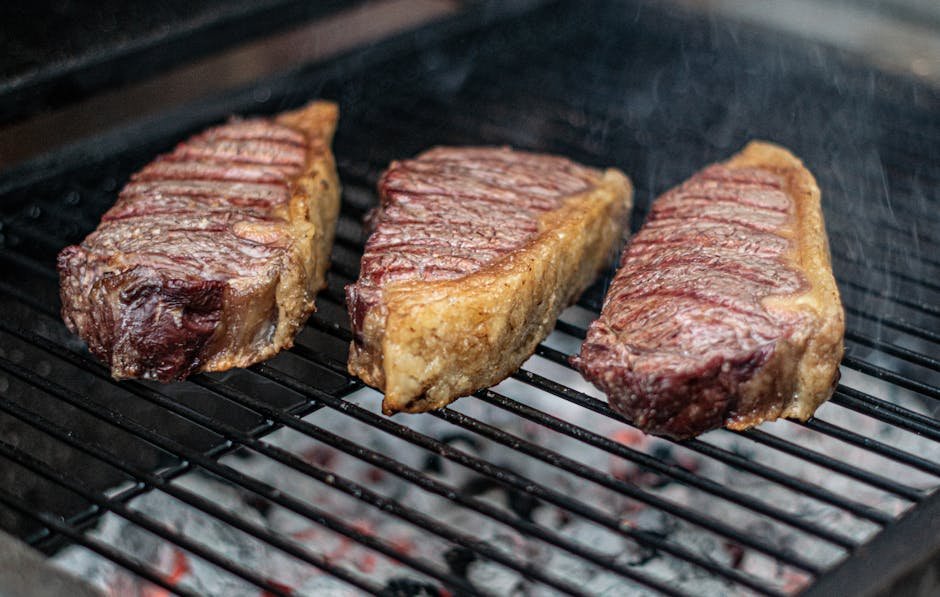
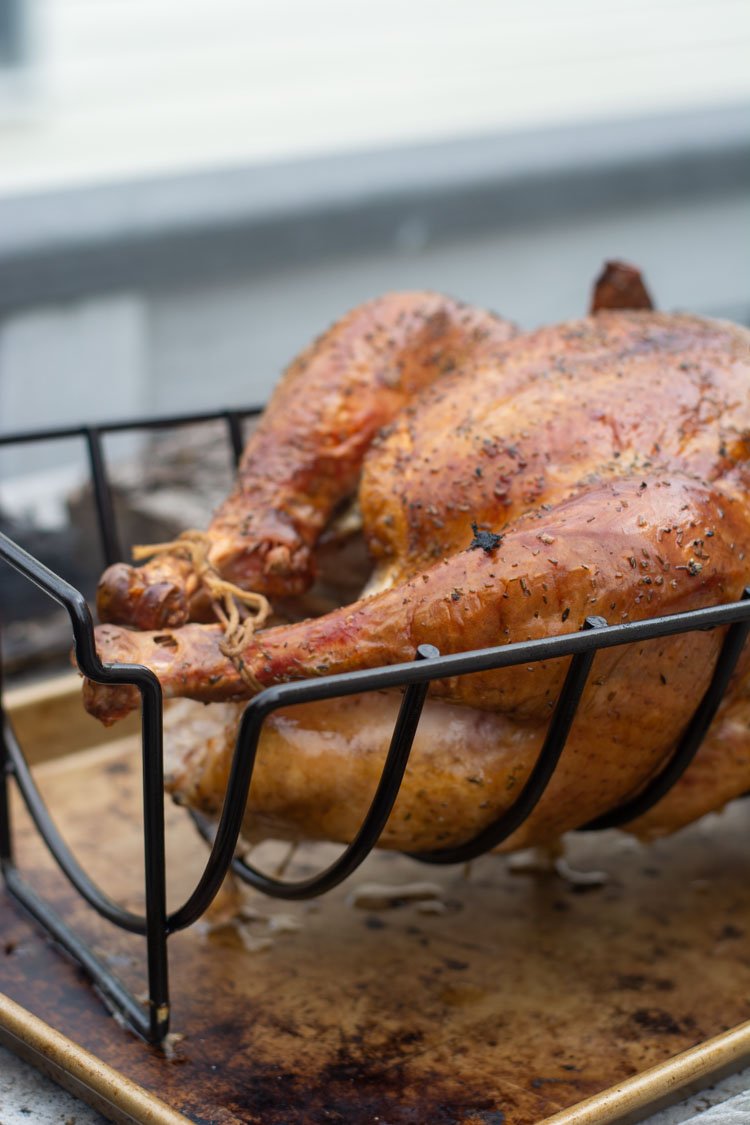
Grilling beef tenderloin steaks on a charcoal grill can turn an ordinary meal into something extraordinary. You want that perfect balance of smoky flavor, juicy tenderness, and a beautiful sear.
But getting it just right can feel tricky if you’re not sure where to start. In this guide, you’ll discover simple, step-by-step tips to help you grill your steaks like a pro. Whether you’re a beginner or looking to up your grilling game, you’ll learn how to master the heat, timing, and seasoning to impress yourself and everyone at the table.
Keep reading—you’re about to unlock the secrets to mouthwatering beef tenderloin steaks cooked over charcoal.
Choosing The Right Cut
Choosing the right cut is key to grilling delicious beef tenderloin steaks. The cut affects tenderness, flavor, and cooking time. Selecting fresh, high-quality meat makes a big difference on the grill.
Beef tenderloin is prized for its tenderness. It comes from the loin section, a muscle that does little work. This results in a soft, buttery texture perfect for grilling.
Understanding Beef Tenderloin Sections
The tenderloin has different parts. The larger end is the “butt” or “head.” It is thicker and ideal for roasting. The center cut is the most uniform in shape and size. This part is best for steaks. The smaller end tapers and is less consistent in thickness.
Choosing Steak Thickness
Steaks cut from tenderloin usually range from 1 to 2 inches thick. Thicker steaks grill better over charcoal. They stay juicy inside while developing a good crust outside. Thin steaks cook too fast and may dry out.
Look For Marbling And Color
Good marbling means small streaks of fat inside the meat. This fat melts during grilling and adds flavor. The color should be bright red, indicating freshness. Avoid dull or brownish meat.
Consider Usda Grades
USDA grades help find quality beef. Prime grade has the most marbling and tenderness. Choice grade is also good and more affordable. Select grade has less marbling and is less tender.
Preparing The Charcoal Grill
Preparing your charcoal grill properly is key to cooking perfect beef tenderloin steaks. The right setup and heat control can make a huge difference in how your steaks turn out. Let’s focus on getting your grill ready so you can achieve that ideal sear and juicy interior.
Setting Up The Grill
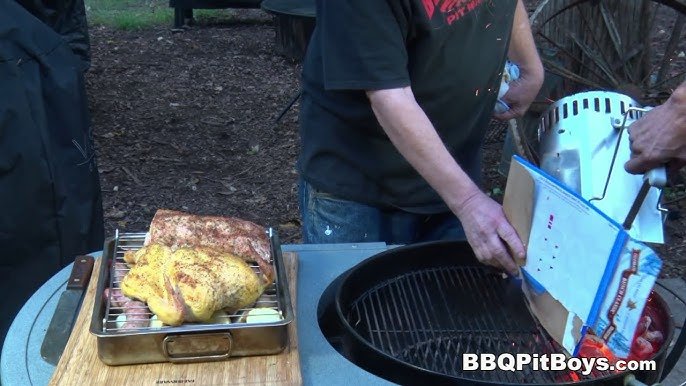
Start by cleaning out any old ashes or debris from your grill. This ensures proper airflow and consistent heat. Arrange the charcoal in a pile or use a chimney starter to get the coals burning evenly.
Once the coals are ashed over and glowing red, spread them out in a two-zone fire setup. Place most of the coals on one side for high heat, leaving the other side cooler for indirect cooking. This way, you can sear your steaks over direct heat and finish them gently on the cooler side.
Managing Charcoal Heat
Controlling the heat is all about airflow. Adjust the grill vents to regulate oxygen flow—more air means hotter coals, less air cools them down. Keep a close eye on the temperature by holding your hand about 5 inches above the grill grate; if you can hold it there for 2-3 seconds, the heat is high enough for searing.
Have you ever struggled with steaks burning on the outside and staying raw inside? Using the two-zone setup and managing the vents can help you avoid that. Move your steaks to the cooler side after searing to cook through without charring.
Seasoning Techniques
Seasoning beef tenderloin steaks enhances their natural flavor and creates a delicious crust. The right seasoning technique makes a big difference on a charcoal grill. Simple seasoning methods keep the meat's tenderness and juiciness intact. More complex options like marinades add layers of taste and tenderness. Both approaches work well for grilling beef tenderloin.
Simple Salt And Pepper
Salt and pepper bring out the beef’s natural taste. Use coarse salt for a better crust and flavor. Freshly ground black pepper adds a mild heat and aroma. Season steaks just before grilling to keep moisture inside. Rub salt and pepper evenly on all sides. Let the meat rest at room temperature for 20 minutes before grilling. This method is quick and highlights the meat’s quality.
Using Marinades
Marinades add flavor and tenderize the meat. Use ingredients like olive oil, garlic, herbs, and acid such as lemon juice or vinegar. Mix marinade ingredients in a bowl. Place steaks in a resealable bag or shallow dish. Pour marinade over the meat and seal or cover. Refrigerate for 1 to 4 hours, not longer. Remove steaks from marinade and pat dry before grilling. Marinades help create a tasty and juicy steak with a smoky finish.

Credit: www.mychicagosteak.com
Grilling Process
Grilling beef tenderloin steaks on a charcoal grill demands attention to heat control and timing. The grilling process balances searing the meat and cooking it evenly. Knowing how to manage heat and monitor temperature ensures juicy, tender results every time.
Direct Vs Indirect Heat
Direct heat means placing steaks right above the charcoal. This method sears the outside quickly, creating a flavorful crust. Use direct heat for about 2-3 minutes per side.
Indirect heat involves positioning the steaks away from the hot coals. This cooks the meat gently and evenly without burning. After searing, move the steaks to indirect heat to finish cooking.
Combining both methods gives the best texture and doneness. Start with direct heat for a crust, then finish with indirect heat to reach the desired internal temperature.
Monitoring Temperature
Use a grill thermometer to check the charcoal temperature. Ideal heat for tenderloin steaks is about 400-450°F (204-232°C) for searing.
After searing, lower the heat to around 350°F (177°C) for indirect cooking. This prevents overcooking the outside while the inside cooks.
Check the steak’s internal temperature with a meat thermometer:
- Rare: 120-125°F (49-52°C)
- Medium Rare: 130-135°F (54-57°C)
- Medium: 140-145°F (60-63°C)
- Medium Well: 150-155°F (66-68°C)
Remove the steak from the grill a few degrees before your target temperature. Let it rest to allow juices to redistribute for better flavor and tenderness.
Resting The Steaks
Resting your beef tenderloin steaks after grilling is a crucial step that many overlook. This simple pause allows the juices to redistribute throughout the meat, making each bite tender and juicy. Skipping this step can cause all those flavorful juices to run out the moment you cut into your steak.
Why Resting Matters
When you cook a steak over high heat, the muscle fibers contract and push the juices toward the center. Resting lets those fibers relax and reabsorb the juices evenly. This means your steak stays moist, not dry, when you slice it.
Ever noticed how sometimes a steak looks perfectly cooked on the outside but feels dry inside? That’s a sign it wasn’t rested long enough.
How Long Should You Rest Beef Tenderloin Steaks?
A good rule of thumb is to rest your steaks for about 5 to 10 minutes after taking them off the grill. For thicker cuts, leaning toward 10 minutes is better. This short wait makes a big difference in flavor and texture.
Keep the steaks warm by loosely covering them with aluminum foil. Avoid wrapping them tightly, or the heat will keep cooking the meat, which can lead to overdone edges.
Tips For Perfect Resting
- Use a warm plate:Place your steak on a warm plate to prevent heat loss during resting.
- Don’t skip the foil tent:A loose foil tent traps heat without steaming the steak.
- Resist the urge to cut immediately:It’s tempting, but wait—this patience pays off in juiciness.
Have you tried resting your steaks and noticed a difference in taste? If not, your next grilled beef tenderloin might just surprise you with how juicy and flavorful it can be.
Serving Suggestions
Serving your perfectly grilled beef tenderloin steaks is as important as cooking them right. How you present and complement these steaks can elevate your entire meal experience. Let’s look at some ideas to help you impress your guests or simply enjoy a fantastic dinner.
Pairing With Sides
Think about balance when choosing sides. Rich, buttery mashed potatoes or creamy polenta add a comforting touch to the tenderloin's texture.
Grilled vegetables like asparagus or bell peppers bring a smoky flavor that matches the charcoal-grilled steaks beautifully. A fresh salad with tangy vinaigrette can also cut through the richness and refresh your palate.
Consider adding something crunchy, like roasted nuts or garlic bread, to introduce texture contrast. Have you tried pairing tenderloin with a simple arugula salad topped with shaved Parmesan? It’s a quick way to brighten the plate.
Selecting Sauces
Choosing the right sauce can change the entire taste profile of your steak. A classic red wine reduction or a peppercorn sauce adds a rich and bold flavor that complements the beef.
If you prefer something lighter, chimichurri offers a fresh, herby punch that works well with grilled meats. Another great option is a creamy horseradish sauce, which adds just the right amount of heat without overpowering the steak.
Think about what you enjoy most—is it tangy, spicy, or savory? Matching your sauce to your personal taste will make every bite more enjoyable. Have you ever tried a simple garlic butter drizzle? It’s a quick fix that never disappoints.
Troubleshooting Common Issues
Grilling beef tenderloin steaks over charcoal can bring a rich, smoky flavor to the meat. Yet, common issues like overcooking and flare-ups can spoil the experience. Knowing how to handle these problems keeps your steaks juicy and flavorful. Below are simple tips to troubleshoot these grilling challenges.
Avoiding Overcooking
Beef tenderloin cooks quickly due to its lean nature. Use a meat thermometer to check the internal temperature. Aim for 130°F for medium-rare and 140°F for medium. Remove steaks from the grill a few degrees before the target temperature. The heat will continue to cook the meat slightly after removing it.
Keep the grill lid closed as much as possible. This helps maintain a steady temperature. Avoid pressing down on the steaks with a spatula. It squeezes out juices and dries the meat.
Dealing With Flare-ups
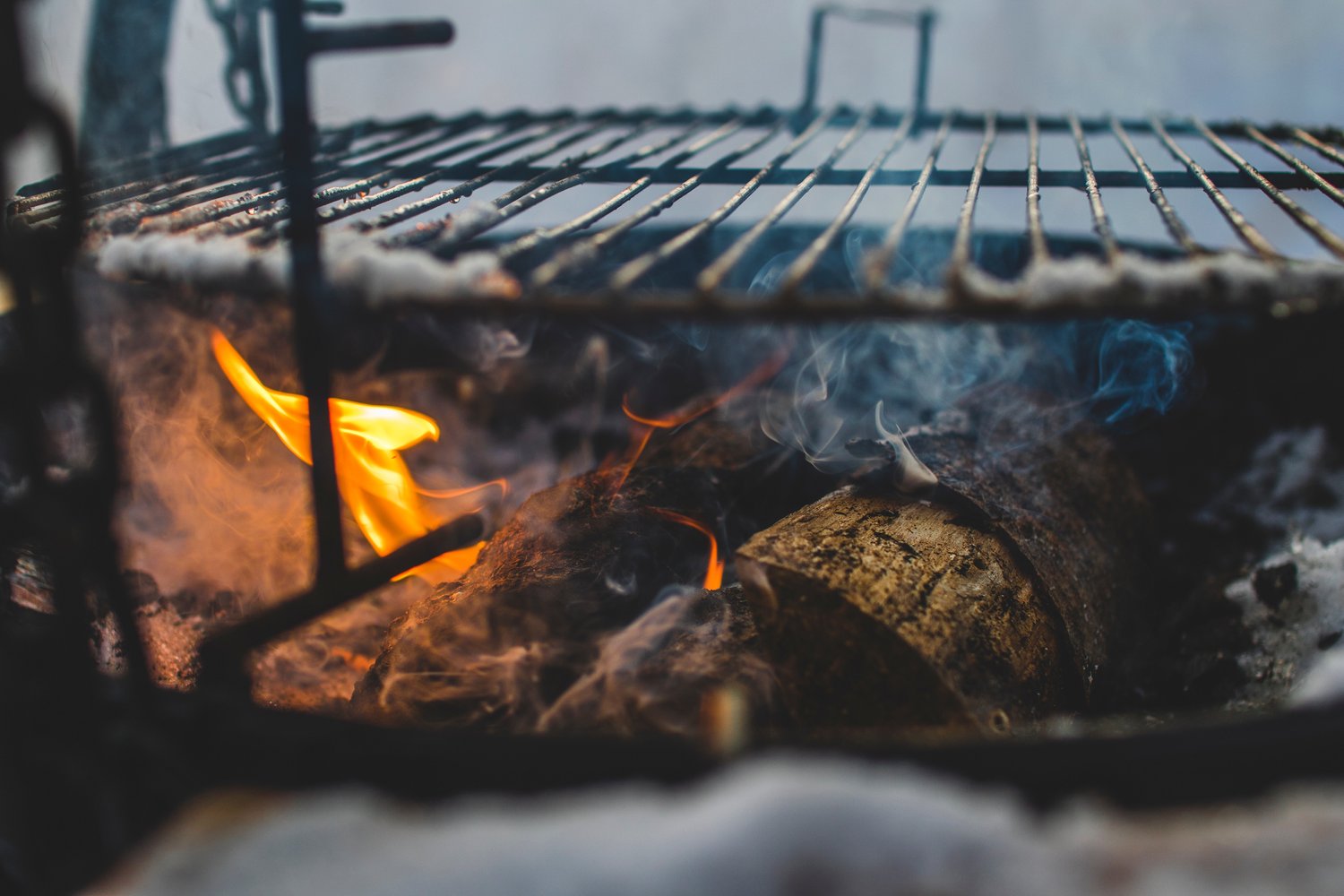
Flare-ups happen when fat drips on hot charcoal. They cause sudden flames that can burn the steaks. Move steaks away from the flames immediately. Use tongs to control the meat’s position on the grill.
Keep a spray bottle of water nearby. Lightly mist flare-ups to calm the flames. Trim excess fat from the steaks before grilling. This reduces the amount of fat that drips and causes flare-ups.

Credit: barbecuesgalore.ca
Credit: benjaminvrbicek.com
Frequently Asked Questions
How Do I Prepare Beef Tenderloin For Charcoal Grilling?
Trim excess fat and silver skin from the tenderloin. Season generously with salt, pepper, and preferred herbs. Let it rest at room temperature for 30 minutes before grilling to ensure even cooking.
What Charcoal Setup Is Best For Tenderloin Steaks?
Use a two-zone fire setup with hot coals on one side and cooler area on the other. This allows searing over direct heat and gentle finishing over indirect heat for perfect doneness.
How Long Should I Grill Beef Tenderloin Steaks?
Grill steaks for about 4-5 minutes per side over direct heat for medium-rare. Then move to indirect heat to finish cooking, totaling 10-15 minutes depending on thickness.
How Do I Know When Beef Tenderloin Is Perfectly Cooked?
Use an instant-read thermometer. Medium-rare is 130-135°F (54-57°C). Remove steaks from grill a few degrees before target to allow carryover cooking.
Conclusion
Grilling beef tenderloin steaks on a charcoal grill brings rich, smoky flavors. Keep the grill hot and control the heat for even cooking. Use a meat thermometer to check doneness easily. Let the steaks rest before cutting to keep them juicy.
Simple steps lead to delicious results every time. Enjoy your perfectly grilled beef tenderloin with family or friends. Try this method again for tasty, tender steaks that impress.